

Ear hair removal is a crucial part of proper dog grooming, ensuring your pup stays healthy, comfortable, and free from ear infections. Many dog owners overlook this step, which can lead to wax buildup, irritation, and unpleasant odors. This comprehensive guide walks you through easy, proven techniques for ear hair removal, including tips on the right tools, safe handling, and step-by-step grooming methods. Whether you’re a beginner or looking to refine your grooming routine, these strategies make ear care manageable and stress-free, keeping your dog happy and healthy all year round.
Understanding the Importance of Ear Hair Removal
Removing excess ear hair is more than just a cosmetic task—it’s essential for preventing infections, maintaining airflow, and reducing irritation. Understanding why this process matters helps you stay consistent with your dog’s grooming routine and recognize early signs of ear problems.
Common Issues from Neglected Ear Hair
Ear Infections
Long, unmanaged hair can trap moisture and debris, creating the perfect environment for bacteria and yeast to thrive. Ear infections can cause pain, scratching, and even hearing issues if untreated.
Wax and Debris Accumulation
Excess hair blocks natural ear ventilation, leading to wax buildup. This can result in bad odors and discomfort for your dog, requiring frequent cleanings.
Irritation and Scratching
Dogs often scratch or shake their heads when hair irritates the ear canal. Over time, this can lead to redness, swelling, or even small cuts inside the ear.
Benefits of Regular Ear Hair Grooming
Improved Airflow
Trimming or removing excess hair helps the ear breathe naturally, reducing the risk of infections caused by trapped moisture.
Reduced Odor
Proper grooming prevents wax and debris from accumulating, keeping your dog’s ears fresh and odor-free.
Early Detection of Problems
Regular ear inspections allow you to spot early signs of infection, mites, or other conditions before they worsen.
Choosing the Right Tools for Ear Hair Removal
Having the correct tools makes ear hair removal safer, quicker, and more effective. The right equipment minimizes stress for your dog and helps you achieve consistent results.
Trimmers and Scissors
Safety Features to Look For
Look for rounded tips, adjustable guards, and quiet motors. These features prevent accidental cuts and reduce anxiety in sensitive dogs.
Proper Technique for Minimizing Cuts
Always trim slowly, following the natural curve of the ear. Use one hand to steady the ear and the other to trim gently, avoiding the ear canal.
Wax Removal Tools and Ear Picks
Choosing the Right Material
Plastic or rubber tips are softer and safer for sensitive ears. Metal picks require extra care and are best for experienced groomers.
How to Use Them Safely
Insert only the tip into the outer ear, never deep into the canal. Rotate gently to remove wax and debris, avoiding any forceful movements.
Gloves, Cotton, and Other Accessories
Ensuring Hygiene
Wear disposable gloves and use clean cotton or pads to wipe away debris. Replace tools after each use to prevent bacterial contamination.
Reducing Stress for Your Dog
Soft handling, short sessions, and gentle praise help your dog remain calm. Break grooming into smaller steps if your pet becomes anxious.
Step-by-Step Ear Hair Removal Techniques
Following a structured routine ensures effective ear hair removal while keeping your dog calm and cooperative. Patience and positive reinforcement are key.
Preparing Your Dog for Ear Grooming
Calm Environment Setup
Choose a quiet area free of distractions. Play soothing music and have all grooming tools ready before starting.
Reward System with Treats
Use treats to reward calm behavior. This creates positive associations with ear grooming.
Gentle Ear Inspection
Before removing hair, check for redness, swelling, or unusual discharge. If you notice any signs of infection, consult a veterinarian before proceeding.
Removing Hair Safely
Using Tweezers or Trimmers
Hold the ear flap gently, using your other hand to remove hair. Tweeze in small sections or trim with care, always avoiding the inner canal.
Maintaining Proper Angle and Grip
Keep your tools angled away from the ear canal. Steady your hand on a solid surface to prevent accidental slips.
Avoiding Ear Canal Injuries
Never insert scissors or tweezers deep into the ear. Focus only on visible hair, and stop immediately if your dog reacts in pain.
Post-Grooming Care
Cleaning Residual Debris
Use a damp cotton pad or dog-safe ear cleaner to wipe away loose hairs and wax gently. Avoid over-wetting the ear canal.
Applying Ear Drops if Needed
If your vet recommends ear drops, apply them according to instructions. This helps prevent infection and soothes any irritation caused by grooming.
For more detailed home grooming guidance, see Dog Grooming at Home Basics.
Tips for Stress-Free Grooming:
- Keep sessions short, around 5–10 minutes.
- Groom consistently—weekly for most breeds.
- Always reward your dog for good behavior.
- Use specialized tools designed for sensitive dog ears.
Mini Case Study:
Lucy, a Cocker Spaniel, used to shake her head constantly due to ear hair irritation. After her owner started weekly hair removal with gentle tweezers and positive reinforcement, the shaking reduced significantly, and her ears remained clean and healthy.
Breed-Specific Ear Hair Removal Tips
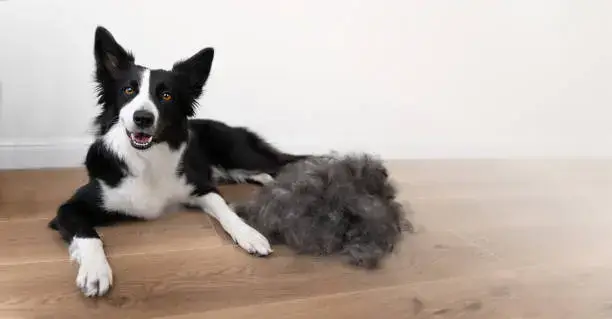
Different dog breeds have unique ear hair patterns, requiring customized approaches for safe and effective ear hair removal. Tailoring your grooming routine to your dog’s breed ensures comfort, reduces stress, and minimizes the risk of injuries.
Breeds with Long, Floppy Ears
Recommended Trimming Frequency
Dogs like Cocker Spaniels, Basset Hounds, and Bloodhounds tend to develop excessive ear hair. For these breeds, trimming every 4–6 weeks keeps ears healthy and prevents wax buildup.
Tools Best Suited for Floppy Ears
- Rounded-tip scissors for safe trimming
- Electric trimmers with quiet motors
- Soft rubber-tipped tweezers
Grooming Tips
- Always hold the ear flap firmly but gently
- Work in small sections to avoid overwhelming your dog
- Reward your dog with treats to create positive associations
Breeds with Dense or Curly Hair
Tweezing Techniques
Breeds like Poodles or Kerry Blue Terriers often have dense, curly ear hair. Tweezing is effective but should be done slowly and in short sessions to prevent irritation.
Minimizing Pain and Stress
- Warm your hands to soothe your dog
- Use a calming voice and gentle strokes on the ears
- Pause frequently if your dog shows discomfort
How Often Should You Remove Ear Hair?

Consistency in ear hair removal is crucial. Both over-removing and under-removing can cause problems, so knowing the ideal schedule is essential.
Signs Your Dog Needs Ear Hair Removal
Wax Buildup
Visible wax accumulation or dark debris indicates it’s time for grooming. Hair can trap wax, so check weekly for early signs.
Odor or Scratching
Persistent odor or frequent scratching suggests hair is causing irritation. Addressing it promptly reduces the risk of infections.
Recommended Frequency by Breed
Small vs. Large Breeds
- Small breeds: every 2–4 weeks
- Large breeds: every 4–6 weeks
Seasonal Adjustments
During humid months, increase frequency to prevent moisture-related infections. In winter, slightly less frequent grooming may suffice, but monitor for wax buildup.
Safety Precautions During Ear Hair Removal
Safety should always come first when removing ear hair. Following these precautions protects your dog and makes grooming a positive experience.
Handling a Nervous Dog
Gradual Desensitization
Introduce grooming tools slowly. Let your dog sniff and explore the tools before starting. Begin with short sessions to build comfort.
Positive Reinforcement
Offer treats, praise, or a favorite toy after each successful step. Positive reinforcement encourages cooperation and reduces fear.
Avoiding Common Mistakes
Over-Tweezing
Removing too much hair at once can irritate the ear canal and cause redness or inflammation. Always take small amounts and observe your dog’s reaction.
Using Dull or Improper Tools
Dull tweezers or scissors increase the risk of snagging or cutting the skin. Invest in high-quality, breed-appropriate tools to ensure safety.
Tips for Stress-Free Grooming:
- Always work in a well-lit area to see hair clearly
- Keep grooming sessions brief (5–10 minutes) to avoid stress
- Maintain a calm demeanor; dogs pick up on your energy
- Never rush—patience ensures safety and effectiveness
Mini Case Study:
Max, a curly-haired Poodle, used to yelp during ear hair removal. His owner switched to short tweezing sessions with warm hands and treats after each step. Within a few weeks, Max remained calm, allowing safe and thorough grooming.
Professional vs. Home Ear Hair Removal
Some dog owners prefer professional grooming, while others manage ear hair removal at home. Understanding the differences helps you choose the best approach for your dog’s health and comfort.
Advantages of Professional Grooming
Expertise in Ear Anatomy
Professional groomers are trained to handle delicate ear structures. They can remove hair safely without risking injury or discomfort.
Specialized Tools and Techniques
Groomers often use quiet electric trimmers, specialized tweezers, and sterilized tools that make hair removal efficient and safe.
Detecting Early Problems
Professionals can spot infections, mites, or unusual discharge before they become serious, giving your dog timely care.
DIY Grooming Benefits
Cost Savings
Regular professional grooming can be expensive. Learning to safely remove ear hair at home reduces costs while maintaining ear health.
Strengthened Owner-Dog Bond
Home grooming fosters trust and strengthens your relationship. Dogs accustomed to gentle handling enjoy ear care more comfortably.
Flexibility and Convenience
You can groom your dog on your schedule, avoiding stressful trips to the salon and tailoring the routine to your dog’s tolerance.
Ear Hair Removal Maintenance and Daily Checklist

Maintaining healthy ears requires consistent care. A daily checklist helps ensure cleanliness, hair management, and early detection of issues.
Daily Ear Hygiene Checklist
Visual Inspection
Look for redness, swelling, discharge, or unusual odors. Early detection prevents complications.
Gentle Cleaning with Cotton
Use dampened cotton or dog-safe ear wipes to clean the outer ear. Avoid deep insertion into the ear canal.
Ear Hair Tweezing (if needed)
Check for visible excess hair and remove small sections gently. Always use clean, sterile tools and reward your dog afterward.
Observing Behavior
Monitor scratching, head shaking, or sensitivity, which may indicate irritation or infection.
FAQ: Ear Hair Removal
Is ear hair removal painful for dogs?
When done correctly, hair removal should cause minimal discomfort. Tweezing small sections gradually with positive reinforcement keeps your dog calm.
Can all breeds benefit from ear hair removal?
While most breeds with hairy or floppy ears benefit, dogs with naturally sparse ears may not require frequent hair removal. Consult your veterinarian for breed-specific advice.
When should I see a professional?
If your dog shows signs of infection, persistent discomfort, or if you feel unsure about safe grooming, professional care is recommended.
Tips for Daily Ear Care:
- Make ear checks part of your daily routine
- Keep grooming tools clean and sterile
- Reward calm behavior consistently
- Adjust frequency based on season and breed needs
Mini Case Study:
Bella, a Basset Hound, had recurring ear infections due to trapped hair and wax. Her owner began a daily inspection and weekly hair removal routine. Within two months, Bella’s ears remained healthy, odor-free, and she no longer scratched excessively.
Final Thoughts on Ear Hair Removal for Dogs
Proper ear hair removal is an essential part of keeping your dog healthy, comfortable, and happy. From understanding the importance of ear hair grooming to choosing the right tools, following breed-specific tips, and maintaining a consistent schedule, each step plays a key role in preventing infections, reducing odor, and ensuring your dog’s ears stay clean. Whether you prefer professional grooming or a DIY approach at home, combining safe techniques with daily checks creates a stress-free routine for both you and your dog.
By integrating these practices, you not only improve your dog’s ear health but also strengthen your bond through gentle, positive grooming experiences. Remember, patience, consistency, and attentiveness are the keys to a successful ear care routine. For any concerns or persistent issues, consult a licensed professional to ensure the best outcomes for your furry companion.
