

High temperatures affect dogs differently than humans, and Summer Heat Safety becomes essential when days get hotter. Many owners underestimate ambient heat, humidity, and surface temperatures, leading to preventable overheating. This guide focuses on real-life routines, hydration, shade, surface awareness, and safe outdoor timing that dog owners can apply at home.
You will learn how to assess conditions, adjust daily walks, and spot early signs of discomfort without special equipment or medical tools. The goal is to help your dog stay comfortable, hydrated, and safe through simple adjustments. By understanding Summer Heat Safety and how dogs cool themselves, you can confidently plan summer activities with less stress and more awareness.
Understanding Summer Heat Safety for Dogs
Dogs regulate temperature less efficiently than humans, and Summer Heat Safety starts with knowing how their bodies respond to heat. Their coat, panting system, and limited sweat glands make them vulnerable when heat and humidity rise. This section explains risk factors, breed sensitivity, and common environmental triggers that elevate heat stress.
How Dogs Handle Heat Differently Than Humans
Dogs cool themselves mainly by panting, which supports body temperature regulation, while humans rely on sweating. Because they sweat only through paw pads, cooling happens more slowly and depends heavily on humidity and shade.
Example:
On a humid afternoon, a dog panting heavily may struggle to cool down even if the air temperature seems tolerable. This is where Summer Heat Safety becomes important.
Key differences include:
- Limited sweating capability
- Dependence on moisture in the air for panting efficiency
- Thick fur acting as insulation, not cooling
When humidity rises, panting becomes less effective, leading to thermal stress even before visible symptoms appear. Owners who practice Summer Heat Safety check humidity as well as temperature during summer outings.
Risk Factors That Increase Heat Stress in Dogs
Environmental conditions play a major role in Summer Heat Safety, especially when humidity and temperature combine to form higher heat index levels. Surfaces like asphalt, artificial turf, and sand heat faster than the air, creating hot zones that worsen overheating.
Common risk factors include:
- High humidity during peak afternoon hours
- Lack of shade or ventilation
- Heavy exercise on hot surfaces
- Dense or dark-colored coats
- Short snouts or respiratory limitations
Heat-sensitive breeds such as Bulldogs, Pugs, Boxers, and Shih Tzus experience difficulty cooling even during morning or evening walks. In these cases, Summer Heat Safety adjustments such as shorter walks and more water breaks are useful.
Warning Signs Owners Should Recognize Early
Practicing Summer Heat Safety means observing early discomfort before it becomes serious. Early indicators of overheating help prevent escalation and allow owners to intervene quickly.
Early signs may include:
- Excessive panting or drooling
- Slowing down during walks
- Seeking shade repeatedly
- Warm ears or belly
- Reduced interest in playing
These are common signs of overheating in dogs and should prompt a change of environment, hydration break, or indoor rest. Many owners also wonder how hot is too hot for dogs; a simple rule is to avoid activities when temperatures and humidity create high heat index levels, especially in enclosed or unshaded areas.
By recognizing these patterns and applying Summer Heat Safety principles daily, owners can help their dogs stay comfortable throughout the summer without stressful surprises.
Outdoor Routines That Improve Summer Heat Safety
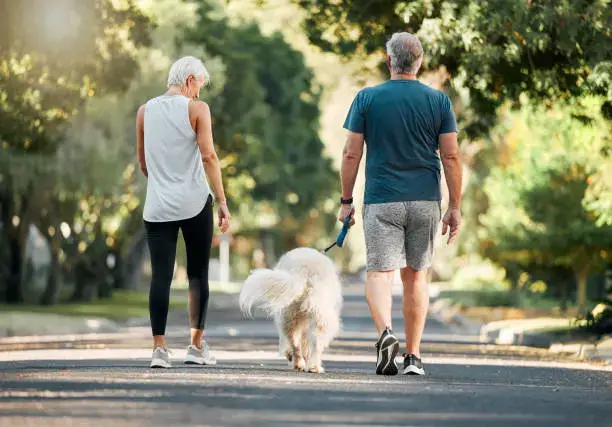
Practicing good outdoor habits is a practical way to support Summer Heat Safety when temperatures climb. Daily walks, play sessions, and potty breaks can become stressful for dogs if done during peak heat or without water and shade. This section focuses on timing, pacing, and observation so owners can maintain activity safely.
Best Times of Day to Go Outside in Summer
Choosing the right time for outdoor activity is one of the easiest ways to improve Summer Heat Safety. Morning and late evening usually offer lower temperatures and reduced humidity compared to the afternoon.
Helpful timing guidelines:
- Early mornings before direct sunlight intensifies
- Evenings after surface temperatures cool down
- Avoiding 11 AM–4 PM on high-heat days
Example:
A family that switches their daily walk from 3 PM to 7 AM often notices their dog panting less and enjoying the walk more. This simple timing change improves Summer Heat Safety without any equipment.
These habits align with recommendations for the best time to walk dog in summer, and they help answer the common question can dogs stay outside in summer without overheating. Choosing cooler windows supports Summer Heat Safety naturally.
Adjusting Exercise Intensity and Duration
Another key element of Summer Heat Safety is modifying the intensity of outdoor activities. Running, fetch, and agility training increase heat production inside the body, making thermal buildup more likely.
Owners can apply simple adjustments:
- Shorter play sessions with rest intervals
- Fetch in shade instead of direct sun
- Avoiding chase games during peak heat
- Allowing water breaks every 10–15 minutes
Monitoring movement patterns helps owners read behavioral cooling cues, such as slowing down, lying on cool ground, or seeking shade. These subtle signals indicate the dog is self-managing heat.
Even healthy dogs benefit from reduced activity during summer, and such adjustments reinforce the purpose of Summer Heat Safety when planning outdoor routines.
Observing Environmental Heat and Dog Behavior
Outdoor Summer Heat Safety requires paying attention to the environment in addition to the dog. High ambient temperature, humidity, and sun exposure combine to create harsher conditions than the air temperature alone suggests.
Simple environmental checks:
- Consider sun exposure duration
- Look for shaded paths or tree cover
- Feel surfaces before walking
- Bring water during longer outings
Owners should also learn how to read discomfort behaviors. A dog that stops to rest, pants excessively, or repeatedly seeks shade is asking for cooling time. Recognizing these actions helps maintain Summer Heat Safety without relying on specialized tools.
By using cooler hours, moderated exercise, and behavior observation, owners build a reliable routine that strongly supports Summer Heat Safety throughout the season.
Paw Protection & Surface Awareness for Summer Heat Safety
Hot surfaces are often overlooked, yet they play a major role in Summer Heat Safety. Pavement, sand, and turf can reach extreme temperatures even when the air feels mild. This section explains how to assess surfaces, protect paws, and avoid unnecessary heat exposure during summer outings.
Why Surfaces Heat Faster Than the Air
Surfaces absorb and store heat differently, creating heat zones that compromise Summer Heat Safety during walks. Asphalt, concrete, and synthetic turf exhibit high surface heat retention, especially under direct sun.
On a sunny day, pavement can exceed the air temperature by 20–40°C. This makes Summer Heat Safety challenging even during seemingly comfortable afternoons. Dark surfaces and enclosed yards also trap radiant heat, increasing discomfort and paw injury risk.
Recognizing how materials store heat allows owners to make safer route decisions that align with Summer Heat Safety goals.
How to Test Surfaces Before Walking

A practical habit for Summer Heat Safety is checking ground temperature before stepping outside. This simple test requires no tools and offers quick feedback.
Try these methods:
- Place your hand or bare foot on the surface for 7 seconds
- Check shaded vs. sunny areas for temperature difference
- Observe if your dog avoids certain surfaces
If the surface feels too hot to touch, it is likely unsafe for paws. Many owners use this test when protecting dog paws from hot pavement, especially during mid-day walks.
This quick routine builds awareness and reduces the hidden risks that threaten Summer Heat Safety during summer months.
Practical Paw Safety Solutions for Summer Walks
Improving paw protection is an important part of Summer Heat Safety, especially in urban areas with limited green space. Small adjustments reduce heat exposure and help dogs stay comfortable outdoors.
Useful solutions include:
- Choosing shaded or grass routes
- Using dog boots during hot hours
- Scheduling walks when surfaces cool
- Allowing frequent shade breaks
Example:
A dog that struggles on hot pavement may walk normally once the route switches to shaded sidewalks and parks. This simple shift enhances Summer Heat Safety without major lifestyle changes.
Owners should also consider shade accessibility during play, hikes, and city walks. Cooler paths and planned hydration breaks work together to support Summer Heat Safety all summer long.
Hydration & Cooling Methods to Support Summer Heat Safety
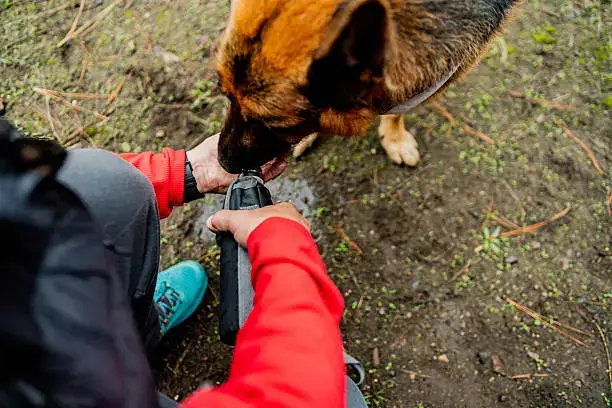
Hydration and cooling are core components of Summer Heat Safety, especially when temperatures rise quickly. Dogs lose moisture through panting, which makes them vulnerable to dehydration during walks, play, and even short outdoor breaks. This section explains easy cooling methods, safe water habits, and simple home techniques.
Setting a Safe Hydration Routine in Summer
A reliable hydration routine helps maintain Summer Heat Safety throughout the day. Dogs should have consistent access to clean water both indoors and outdoors, with increased frequency during exercise and hot weather.
Useful guidelines:
- Offer water during transitions (before/after walks)
- Provide multiple bowls if living in multi-floor homes
- Refresh warm bowls during the afternoon
- Bring portable water for outdoor trips
These habits support safe hydration for dogs in summer, reduce dehydration risk, and contribute to Summer Heat Safety without requiring special tools. In many cases, offering small amounts of water more frequently improves comfort and supports natural cooling. Increased hydration frequency during hot days strengthens Summer Heat Safety and helps dogs regulate panting more effectively.
Simple Cooling Methods You Can Use at Home

Owners can apply cooling strategies at home to enhance Summer Heat Safety and lower heat stress. These DIY methods do not require medical equipment or professional intervention.
Beginner-friendly cooling ideas:
- Damp towels placed on shady outdoor spots
- Cooling mats stored in the fridge before use
- Frozen treats with water-rich fruits (watermelon, blueberries)
- Shallow splash tubs for supervised paw dipping
These dog cooling methods at home enhance evaporative cooling, allowing the dog’s body to release heat safely. Such techniques work well during peak heat hours and offer real relief. When used consistently, they amplify Summer Heat Safety by reducing the likelihood of thermal buildup.
Example:
A dog lounging on a chilled cooling mat under a ceiling fan panting less than usual demonstrates how simple steps can improve Summer Heat Safety without altering routine.
Indoor and Outdoor Cooling Without Medical Tools
Cooling environments indirectly support Summer Heat Safety by reducing thermal load on the body. Small environmental tweaks make a noticeable difference in comfort and safety.
Outdoor cooling adjustments:
- Use shaded patios instead of open yards
- Position water bowls away from direct sunlight
- Place fans in well-ventilated outdoor areas
Indoor cooling adjustments:
- Open windows during cooler hours
- Use fans for indoor ventilation
- Close blinds to block direct sun
Spreading water breaks, shade access, and airflow creates natural water replenishment opportunities throughout the day. These adjustments reinforce Summer Heat Safety and ensure dogs stay hydrated and cool with minimal effort. When combined with hydration and shaded rest, these habits create a comprehensive home-based Summer Heat Safety system.
Adjusting Indoor Spaces for Better Summer Heat Safety
Indoor environments also affect Summer Heat Safety, as poorly ventilated spaces trap heat and humidity. Many dogs rest indoors during the hottest hours, so adjusting airflow, shading, and rest areas helps reduce stress. This section covers cooling layouts, fan placement, and surface selection to support comfort.
Improving Airflow and Ventilation Indoors
Air circulation makes a major difference in Summer Heat Safety, especially in rooms with direct sun exposure. Ventilation helps disperse heat, lower humidity, and support panting efficiency.
Practical airflow adjustments:
- Use fans to create cross-breeze
- Open windows during early morning and late evening
- Close blinds or curtains during peak sun hours
Indoor ventilation reduces stale air pockets that worsen heat discomfort. When airflow improves, dogs pant less intensely, which indirectly supports Summer Heat Safety throughout the day.
Creating Shaded Resting Zones Inside the Home
Dogs naturally seek shade and cool surfaces, so creating designated resting spots helps maintain Summer Heat Safety even during quiet hours. These spaces give dogs a retreat where thermal load is lower.
Helpful shade strategies:
- Place beds behind furniture or near corners
- Add cooling pads near fans
- Choose tile or hardwood floors over carpet
- Avoid sunlit doorways for resting spots
Example:
A dog that naps on tile near a shaded corridor will stay cooler than one sleeping on thick carpet near a sunny window. This simple change reinforces Summer Heat Safety in everyday situations.
Matching Indoor Spaces to Your Dog’s Needs
Every dog experiences heat differently, so customizing the environment improves Summer Heat Safety considerably. Factors like age, breed, and coat type influence sensitivity to heat.
Adjustments may include:
- Higher airflow for thick-coated breeds
- Cooler floors for large-breed dogs prone to panting
- Reduced sunlight exposure for senior dogs
- Lower noise fans for anxious dogs
These modifications reduce discomfort and support ways to prevent heat exhaustion in dogs, strengthening overall Summer Heat Safety at home. By improving ambient comfort, ventilation, and shade, owners create safe indoor spaces that align with Summer Heat Safety principles all summer long.
Special Considerations for Senior Dogs and Heat-Sensitive Breeds
Some dogs are naturally more vulnerable to heat, making Summer Heat Safety especially important for them. Age, breed structure, coat density, and health history can all influence how well a dog tolerates summer conditions. This section explains which dogs are more sensitive, what adjustments to make, and how to plan daily routines safely.
Dogs That Are More Heat-Sensitive by Nature

Several breeds require more attention to Summer Heat Safety because their anatomy or coat makes heat regulation harder. Short-nosed breeds (brachycephalic) and thick-coated northern breeds are two common examples.
Examples of heat-sensitive dogs:
- Bulldogs, Pugs, French Bulldogs
- Boxers, Shih Tzus, Boston Terriers
- Huskies, Malamutes, Samoyeds
These heat-sensitive breeds struggle with body temperature regulation and develop thermal stress quickly under heat and humidity. Practicing Summer Heat Safety for these breeds includes shorter outdoor windows, more shade, and hydration breaks. Their unique physiology demands consistent Summer Heat Safety awareness throughout the hottest weeks.
Seniors, Puppies, and Dogs with Reduced Cooling Capacity
Age plays a major role in Summer Heat Safety. Senior dogs often have reduced stamina and may tire quickly during warm days. Puppies under 6 months also struggle because they have limited heat tolerance and less developed cooling mechanisms.
Health conditions that require extra Summer Heat Safety attention include:
- Heart or respiratory limitations
- Excess weight that increases thermal load
- Low activity tolerance
- Joint discomfort that slows movement
These factors make Summer Heat Safety adjustments essential. For example, a senior Labrador may enjoy shorter dawn walks and tile-floor resting spots, while a puppy may need supervised shade breaks every 10–15 minutes. Small adjustments protect vulnerable dogs and uphold Summer Heat Safety without specialized equipment.
Tailoring Daily Routines for Higher-Risk Dogs
Dogs with higher heat sensitivity benefit from personalized routines that strengthen Summer Heat Safety. This involves combining rest periods, shade, water, and environment control in simple ways.
Helpful routine adjustments:
- Morning/evening exercise instead of midday outings
- Reduced outdoor durations during high humidity
- Rest intervals during play
- Indoor cooling using shade and airflow
Owners can monitor behavior for behavioral cooling cues, such as lying on cold surfaces, panting after light activity, or seeking dark spaces. These cues indicate that more Summer Heat Safety support is needed. By tailoring routines to breed and age, owners reinforce Summer Heat Safety and create a safer summer living pattern.
Frequently Asked Questions (FAQs)
These questions reflect real search intent from dog owners looking for Summer Heat Safety guidance. Answers are practical, simple, and beginner-friendly without medical diagnosis.
1) How hot is too hot for dogs to be outside?
When temperatures and humidity combine into high heat index conditions, dogs struggle to cool themselves. Midday hours are usually the highest risk.
2) What time of day is safest to walk a dog in summer?
Early mornings and late evenings are safest because surfaces and air temperatures are cooler, and humidity is often lower.
3) How can I keep my dog cool without AC?
Provide shade, airflow from fans, cool floors, damp towels, and plenty of water. These are practical summer safety tips for dogs without equipment.
4) Can dogs get overheated indoors?
Yes. Poor ventilation, direct sun, and trapped humidity can make indoor spaces uncomfortable. Fans and shade help reduce heat buildup.
5) How often should dogs drink water in summer?
Offer water regularly throughout the day, before and after walks, and during rest intervals. Small frequent drinks are effective.
6) Should I trim my dog’s coat in summer?
Some breeds benefit from brushing to remove loose undercoat, but shaving double-coated breeds can reduce insulation and isn’t always recommended.
7) Do cooling mats help dogs in hot weather?
Yes, cooling mats, fans, and shaded tile floors support natural cooling and can make resting more comfortable.
8) What surfaces should I avoid during hot weather?
Asphalt, artificial turf, and sand can burn paws and store heat. Grass and shaded paths are safer during summer outings.
9) How do I know if my dog needs a break during walks?
Panting heavily, slowing down, or seeking shade are common signs. Offer rest, water, and move to cooler areas.
10) Can senior dogs handle heat differently than younger dogs?
Yes. Seniors often fatigue faster and may need reduced outdoor exposure, extra airflow, and shaded resting areas during summer.
Conclusion
Supporting dogs through summer requires awareness of environmental heat, hydration, surfaces, airflow, and breed-specific needs. Small routines—like switching walk times, checking pavement, and offering shade—can make a meaningful difference in daily comfort. These simple adjustments help dogs stay safe and active without specialized tools or stressful changes.
For year-round seasonal care guidance, visit:
👉 Seasonal Dog Care & Equipment
If you want to explore more vet-backed insights on keeping pets safe in hot weather, the American Veterinary Medical Association (AVMA) provides clear guidance on heat awareness and prevention:
👉 AVMA – Heat Safety for Pets
These combined resources help dog owners understand broader seasonal care patterns, adapt routines to local climates, and build long-term safety habits for dogs of all breeds and ages.
