

Keeping dogs safe in hot weather is a practical, hands-on responsibility for pet owners. Within the first minutes of summer outings, temperature rises fast, and dogs rely on us to help them stay comfortable. Summer Cooling Gear gives owners simple ways to support comfort and prevent heat stress during everyday activities.
This guide breaks down how heat affects dogs, the types of cooling equipment available, indoor and outdoor routines, hydration practices, and safe usage tips. Everything is written for beginners, using real-life examples and vet-informed advice—no specialized tools, no diagnosis, no marketing language. The goal is to help you apply summer safety strategies at home with confidence.
Understanding Summer Cooling Gear and Heat Risks for Dogs
Dogs experience heat differently from humans. Their cooling system relies mainly on panting and limited sweating through paw pads. On hot days, even short outdoor sessions can lead to discomfort if owners don’t understand basic heat risks. In this section we explore how summer heat affects dogs, why cooling is harder for them, and how Summer Cooling Gear helps create an extra layer of protection.
What Summer Heat Means for Canine Comfort
High temperatures combine with humidity, sunlight, and warm surfaces to create multiple stress points for dogs. Unlike humans, they can’t remove fur layers or control airflow easily. Owners often notice panting, seeking shade, or reluctance to walk during mid-day heat.
A simple scenario: a dog resting under a tree on a hot lawn may still absorb heat from the ground. With Summer Cooling Gear such as a cooling mat or vest, the dog gains a buffer against heat absorption and can rest more comfortably.
Key beginner points:
- Dogs heat up faster on humid days
- Surfaces like pavement hold heat longer
- Shade reduces direct heat but not ground warmth
These factors make Summer Cooling Gear valuable during routine outdoor time.
Why Dogs Struggle to Regulate Body Temperature
Dogs regulate their internal temperature mainly through panting, which relies on moisture evaporation from the tongue and airway. On humid days, evaporation slows down, reducing cooling efficiency. Without airflow, a dog in a parked car or enclosed patio can’t release heat effectively.
Common body temperature regulation challenges include:
- Limited sweat glands
- Thick coats (even short-haired dogs retain heat)
- Reduced evaporative cooling in humidity
- Heat absorption from surfaces and direct sun
This explains why Summer Cooling Gear doesn’t replace shade or hydration—it simply supports natural thermoregulation cues. Beginners should think in layers: airflow, hydration, surfaces, and cooling equipment working together.
A practical example: walking early in the morning when humidity is low helps panting work better, even before using Summer Cooling Gear..
Summer Cooling Gear as a Practical Heat Barrier
The purpose of Summer Cooling Gear is not to make dogs “cold,” but to slow down heat absorption and extend safe outdoor time. Cooling mats reduce contact heat from patios or grass. Cooling vests use evaporative cooling, which pulls heat from the dog’s skin as water evaporates. Bandanas target areas with strong blood flow around the neck.
These tools act as practical barriers, especially when paired with:
- Shade cover
- Fresh water access
- Rest intervals
- Shorter walks during peak heat
Real-life example: a dog resting on a cooling mat under porch shade after a short walk avoids prolonged exposure to hot concrete, while Summer Cooling Gear slows heat buildup.
Types of Summer Cooling Gear and How They Work

Every dog has different comfort needs in hot weather, so there’s no single item that works for all situations. In this section, we break down the most common types of Summer Cooling Gear and how they function. This helps owners choose items that fit their daily routines—whether that means backyard time, car trips, or short walks.
Evaporative Cooling Fabrics and Vests (How They Reduce Heat)
Evaporative fabrics use water to pull heat away from the dog’s body. When the vest is soaked and wrung out, the leftover moisture slowly evaporates. This process removes heat from the skin surface and delays heat absorption.
These vests are helpful on dry, sunny days where airflow is available. They don’t work as well in heavy humidity because evaporation slows down. However, for many dogs, this type of Summer Cooling Gear creates a noticeable difference during mild to moderate heat.
Beginner-friendly benefits:
- Lightweight and flexible
- No refrigeration required
- Useful for walks and errands
- Works best with airflow (shade or breezes)
Example: A dog wearing a wet cooling vest during a morning walk stays comfortable longer than without any Summer Cooling Gear , especially when humidity is low and airflow supports evaporation.
Cooling Bandanas and Head Wraps (Targeting Heat Zones)
Cooling bandanas wrap around the dog’s neck, where major blood vessels sit close to the surface. By keeping this area cooler, warm blood cycles through a slightly cooler zone before returning to the body. Some bandanas use evaporative cooling, while others use gel inserts cooled in the refrigerator.
This type of Summer Cooling Gear works well for short outings, car trips, or park breaks. It’s not a replacement for full-body coverage, but it helps when the dog needs quick relief during moderate heat levels.
Owners often find cooling bandanas helpful because they:
- Are lightweight and easy to carry
- Cool quickly with water or gel packs
- Fit well with leashes or harnesses
- Don’t restrict movement or airflow
Example: During a late-afternoon car ride, a dog wearing a cooling bandana experiences less heat buildup, especially if paired with airflow and shade instead of relying solely on Summer Cooling Gear.
Cooling Mats and Ground Surfaces (Reducing Contact Heat)
Cooling mats provide a chilled or heat-reflective surface for dogs to rest on. Many dogs overheat simply by lying on warm decks, grass, or patio tiles that absorb sunlight through the day. Cooling mats interrupt that contact heat, giving dogs a comfortable resting station.
Some mats use gel that activates under pressure, while others require refrigeration. Regardless of model, this category of Summer Cooling Gear supports comfort during rest breaks, indoor quiet time, and outdoor shade sessions.
Situations where cooling mats shine:
- Backyard lounging under shade
- Indoor crate or recovery corners
- Post-walk cooldowns
- Long car journeys (with proper ventilation)
Example: After a short midday walk, a dog rests on a gel cooling mat under porch shade. The owner offers water and airflow, showing how Summer Cooling Gear works best as part of a routine—not a standalone solution.
Hydration Strategies That Support Summer Cooling Gear
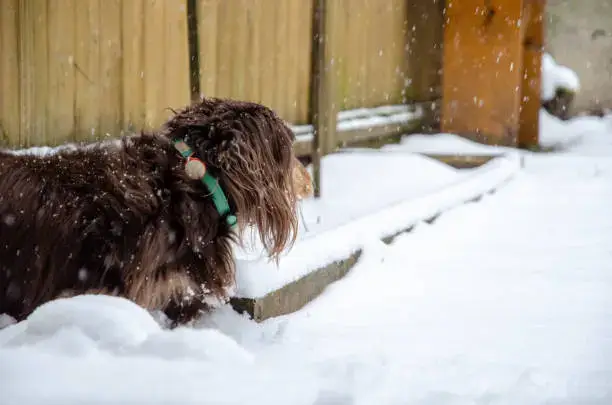
Cooling equipment works even better when a dog is properly hydrated. Hydration affects how well the body regulates temperature, especially during heat exposure. In this section, we explore simple water routines, summer-friendly treats, and signs of dehydration that beginners can identify without guessing or diagnosing.
Water Availability During Outdoor Time (Simple Rules That Matter)
Dogs lose moisture through panting, so water replacement is essential during walks and playtime. A basic rule for beginners is to offer small water breaks every 10–15 minutes during heat exposure. Carrying portable bowls makes this easy even during short outings.
When using Summer Cooling Gear , pairing it with consistent water availability improves natural cooling. Evaporation works better when the dog is not dehydrated, and resting on cooling mats or wearing vests buys extra time before heat stress builds.
Practical hydration setups:
- Portable bowls for walks
- Multiple water stations in the yard
- Shallow bowls indoors to encourage sipping
- Fresh water after car trips or errands
Example: A dog playing fetch in the backyard pauses every few minutes for small sips of water while wearing Summer Cooling Gear under shaded areas.
Hydration Balance and Cold Treat Ideas (Easy Add-Ons for Summer)
Providing moisture through food is another simple way to support hydration. Cold treats don’t need to be complicated—frozen broth cubes, watermelon (seedless), or ice chips can encourage drinking. This supports hydration balance without forcing the dog to drink large amounts at once.
These treats work alongside Summer Cooling Gear , not instead of water. Many owners mistakenly rely on treats alone, but water remains the primary cooling resource.
Beginner-friendly treat options:
- Frozen low-sodium broth cubes
- Ice chips after walks
- Seedless watermelon chunks
- Cucumber slices for moisture
Example: After an evening walk, the owner offers two broth ice cubes while removing the dog’s Summer Cooling Gear to dry, supporting post-activity cooling without overstimulating.
Recognizing Dehydration Risk in Hot Weather (Without Diagnosis)
Owners don’t need medical training to notice hydration mistakes. Simple behavioral cues help identify when water intake should increase. These observations are not diagnosis—just practical signs that hydration routines may need adjustment.
Basic hydration cues include:
- Slower movement during heat
- Less interest in play
- Seeking shade frequently
- Thick saliva around the mouth
- Panting that takes longer to settle
When paired with Summer Cooling Gear, good hydration allows dogs to recover faster during rest breaks and reduces discomfort during daily summer routines.
Example: After a short walk, the owner notices slower recovery and offers water and shade before resuming activities. This layered approach—shade, water, rest, and gear—helps prevent unnecessary heat buildup during ordinary summer days.
Walking, Activity, and Outdoor Planning in Hot Weather
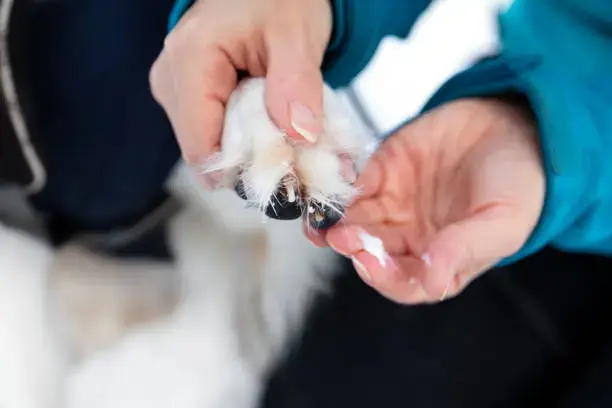
Outdoor time is healthy for dogs, but summer changes how owners should schedule walks, choose routes, and plan breaks. Heat doesn’t just come from the air—humidity, sun exposure, and ground temperature all matter. In this section, we combine time planning, paw protection, and shade strategies to support dogs using Summer Cooling Gear during everyday activities.
Scheduling Walks to Avoid Peak Heat (Simple Time-Based Strategy)
Midday heat is usually the most intense. Early morning or late evening walks reduce exposure to direct sunlight and hot pavement. Using weather apps helps owners avoid high humidity periods, which affect panting efficiency and body temperature regulation.
Pairing walks with Summer Cooling Gear during cooler time windows adds another buffer against discomfort. Beginners don’t need special tools—just plan around the sun.
Practical scheduling tips:
- Walk before 9AM or after 6PM
- Prioritize shaded routes with trees
- Shorten sessions during high humidity
- Add rest stops every 10–15 minutes
Example: A dog wears Summer Cooling Gear during a 7AM walk. The shaded route and lower humidity improve comfort without needing professional tools or advanced planning.
Protecting Paws from Hot Pavement (Ground Temperature Awareness)
Pavement absorbs and retains heat longer than grass. Even when air temperature feels mild, asphalt may exceed uncomfortable surface temperatures. The “7-second hand test” helps beginners assess pavement—if it’s too hot for your hand, it’s too hot for paws.
For many dogs, Summer Cooling Gear supports the body, but ground heat requires route adjustments. Walking on grass, dirt paths, or shaded sidewalks reduces unnecessary heat absorption.
Risk factors to consider:
- Dark asphalt heats faster than concrete
- Bare soil stays cooler under trees
- Artificial turf retains heat surprisingly well
Common mistake: owners assume cool evenings mean cool pavement. In reality, asphalt can store heat until late at night.
Example: During an evening walk, the owner notices warm sidewalks and switches to a grassy park route. The dog wears Summer Cooling Gear and rests in shaded areas instead of absorbing pavement heat.
Shade and Rest Intervals for Outdoor Activities (Building Recovery Time)
Shade provides relief but doesn’t cool dogs instantly. Rest intervals allow panting and evaporative cooling to catch up, especially during play or training sessions. Dogs rarely self-regulate well—owners must enforce breaks.
Using Summer Cooling Gear during shade breaks slows heat buildup and extends outdoor comfort.
Beginner rest strategies:
- Provide 5-minute breaks every 10–15 minutes
- Offer water during each break
- Use shade structures or natural tree cover
- Combine shade breaks with cooling mats when available
Example: At a park, a dog alternates between fetch and 5-minute shade sessions. The owner offers water and uses a cooling bandana as Summer Cooling Gear during breaks, helping the dog recover between short bursts of activity.
Indoor Setups and At-Home Cooling Solutions
Indoor environments can heat up quickly, especially in rooms without airflow. Many owners assume indoor spaces are naturally safe, but stagnant air and warm floors still affect comfort. This section explains how to create cooling-friendly indoor layouts that complement Summer Cooling Gear without requiring specialized equipment.
Ventilation and Airflow Options at Home (Low-Effort Adjustments)
Airflow improves evaporative cooling from panting and helps heat leave the coat. Fans don’t necessarily cool dogs directly, but they move warm air away from the body. Cross-ventilation—opening windows on opposite sides—creates natural air pathways.
Using Summer Cooling Gear indoors is most effective when airflow is present. Without airflow, humid room air traps heat around the dog.
Easy airflow strategies:
- Use fans to circulate air
- Open windows for cross-ventilation
- Keep interior doors open for air movement
- Avoid confining dogs in enclosed rooms
Example: During a warm afternoon, an owner sets a fan near the living area and opens two windows. The dog relaxes under airflow while wearing Summer Cooling Gear for additional comfort.
Using Cooling Surfaces Indoors (Reducing Contact Heat)
Floors such as carpet, wood, or tile retain heat differently. Tile and vinyl often feel cooler and support comfort better than soft surfaces. Placing a cooling mat or reflective blanket in these zones provides an extra cooling layer during naps or rest periods.
This type of indoor setup enhances the effect of Summer Cooling Gear by reducing heat transfer from the dog’s underside.
Helpful placements for cooling surfaces:
- Near fans
- Under shaded windows
- In open living areas
- Inside crates (if safe and sized correctly)
Example: After indoor play, a dog lies on a cooling mat near a fan. Even without air conditioning, the combination of airflow and Summer Cooling Gear keeps recovery comfortable.
Safe Spaces for Post-Activity Recovery (Quiet, Low-Stress Corners)
After outdoor sessions, dogs need calm recovery areas where panting can slow and hydration can catch up. Loud or cramped spaces increase stress, which increases heat production. Cool, quiet corners allow thermoregulation without unnecessary stimulation.
Owners using Summer Cooling Gear can guide dogs to these spaces after walks or play sessions to support cooling.
Beginner-friendly recovery setup ideas:
- Quiet corner away from windows
- Cooling mat with airflow nearby
- Fresh water bowl within 1–2 meters
- Minimal foot traffic to reduce stress
Example: After a backyard play session, a dog enters a quiet hallway corner with a cooling mat and water bowl. With shade and rest, the Summer Cooling Gear continues helping until breathing returns to normal.
Traveling and Car Safety During Hot Weather

Cars heat up quickly—even with windows cracked. Interior surfaces, seat materials, and trapped humidity make car travel a unique heat environment for dogs. This section focuses on planning short and long trips safely while integrating Summer Cooling Gear into travel routines.
Car Interior Heat and Ventilation (Understanding Rapid Temperature Rise)
Parked cars can rise 20–30°F within minutes, and even moving vehicles can feel stagnant without airflow. Dogs pant more in confined spaces because heat has nowhere to escape. Ventilation becomes the priority before considering equipment.
When Summer Cooling Gear is used in vehicles, it should complement airflow—not replace it. Fans, AC, and cracked windows create air circulation that supports evaporative cooling and reduces heat absorption from seats.
Signs of poor car ventilation:
- Heavy panting shortly after boarding
- Avoiding seat contact
- Seeking shade within the vehicle
- Thick saliva or restlessness
Example: Before loading the dog, the owner runs the AC for 5 minutes. Once airflow stabilizes, Summer Cooling Gear like cooling bandanas help maintain comfort during the drive.
Choosing Travel-Friendly Cooling Gear (Low-Bulk and Practical Options)
Travel equipment must be easy to pack, quick to activate, and safe in confined spaces. Gel cooling mats fit well into car crates or seat covers, while cooling bandanas and wraps provide targeted temperature relief without restricting movement.
This form of Summer Cooling Gear works best during short trips to parks, vet appointments, or training classes where AC may not always be consistent.
Travel-friendly gear includes:
- Gel cooling mats for crates
- Evaporative bandanas
- Lightweight vests
- Insulated water containers
- Portable bowls
Example: On a 30-minute trip to the groomer, the dog rests on a gel mat while wearing Summer Cooling Gear . Water breaks at arrival keep the routine supportive rather than complicated.
Avoiding Dangerous Mistakes When Traveling (Beginner Safety Rules)
Two common misunderstandings cause preventable heat discomfort: leaving dogs in parked cars and assuming shade inside vehicles equals cooling. Shade slows heat gain but does not stop it, and parked cars trap humidity quickly.
Safe travel rules with Summer Cooling Gear :
- Never leave a dog unattended in a vehicle
- Pre-cool the car before boarding
- Offer water at stops longer than 10 minutes
- Use airflow + shade + gear, not one alone
Example: During a day trip, the owner stops for gas and brings the dog out briefly instead of relying on “quick stops” inside a heating car. Layering ventilation, water, and Summer Cooling Gear keeps the ride practical and safe.
Frequently Asked Questions (FAQs)
Below are common beginner-level questions related to heat protection, daily routines, and Summer Cooling Gear. Answers are practical, non-diagnostic, and based on observed behavior and environmental factors—not medical claims.
How hot is too hot for dogs outside?
Many owners use the “pavement test” and humidity charts. If pavement fails the hand test or panting escalates quickly, shorten outings and add shade breaks.
Do cooling vests actually help?
They help during dry or breezy weather by using evaporative cooling. They are most effective when paired with water breaks and shade.
Is ice safe for dogs in summer?
Small ice chips or frozen broth cubes are commonly used for hydration support. They are not a replacement for water.
How can I test pavement temperature?
Place your hand on the pavement for 7 seconds. If it’s too hot for your hand, it’s too hot for paws.
Should dogs stay inside during peak heat?
Indoor rest during midday reduces heat exposure. Short outings in early morning or evening are easier on dogs.
What gear is best for short walks?
Lightweight cooling bandanas or vests and a portable water bowl are beginner-friendly options.
Do fans cool dogs directly?
Fans don’t cool dogs the same way they cool humans, but they support airflow which helps panting work better.
Are cooling mats useful indoors?
Yes, especially after walks or play sessions. They reduce contact heat from floors and encourage rest.
Is shade enough without gear?
Shade helps but doesn’t cool surfaces or reduce humidity. Layering shade with hydration and gear gives better results.
How often should dogs drink water in summer?
Small water breaks every 10–15 minutes during outdoor activities are a simple starting guideline.
Conclusion (with External Resources)
Using Summer Cooling Gear, hydration routines, shade planning, and airflow strategies together creates a supportive environment for dogs in hot weather. Beginners don’t need specialized tools—just awareness of surfaces, timing, and natural cooling cues. These skills reduce stress during outdoor walks, road trips, and backyard play without overcomplicating daily life.
For a deeper look at seasonal pet safety and equipment, explore:
➡ Seasonal Dog Care & Equipment
For additional heat-safety guidance from a reputable animal welfare organization, visit:
➡ ASPCA — Hot Weather Safety Tips for Pets
These resources expand on broader weather conditions, environmental adjustments, and practical routines that help dogs stay comfortable throughout the year.
