

Proper portion sizes play a critical role in preventing obesity, digestive issues, and long-term health problems in dogs. This guide focuses on Portion Control Tips that help dog owners understand how much food is truly appropriate for their pet’s age, size, and lifestyle. By applying a structured, practical approach to daily feeding, you can avoid overfeeding dogs while still meeting their nutritional, emotional, and behavioral needs in a healthy, stress-free way.
Understanding Why Portion Control Matters for Dogs
Portion size directly affects your dog’s weight, energy levels, digestion, and lifespan. Many dog owners unintentionally overfeed by relying on visual estimates or emotional cues rather than actual nutritional needs. Over time, even small excess portions add up, leading to gradual weight gain and related health problems. Learning and applying Portion Control Tips early helps establish consistent feeding habits that support long-term wellness rather than short-term satisfaction.
The link between portion size and canine obesity
Canine obesity rarely happens overnight. It is usually the result of repeated small overfeeding decisions made daily.
- Extra calories that aren’t burned get stored as fat
- Larger portions increase insulin spikes and fat storage
- Overweight dogs often move less, creating a cycle of weight gain
Many professionals recommend viewing food as fuel rather than affection. When portion sizes exceed actual energy needs, weight gain becomes almost inevitable.
Signs your dog may be overeating
Common signs often appear gradually and are easy to overlook:
- Difficulty feeling ribs under light pressure
- Reduced stamina during walks
- Frequent begging despite regular meals
Long-term health risks caused by excess portions
Chronic overfeeding dogs increases the risk of:
- Joint and mobility issues
- Heart disease and diabetes
- Shortened lifespan
If these signs persist, consult a licensed veterinary professional for guidance.
How portion control supports digestion and energy
Balanced portions help the digestive system work efficiently. When dogs receive appropriate meal sizes, their bodies can process nutrients more effectively without stress.
- Smaller, measured meals reduce bloating
- Consistent portions stabilize blood sugar
- Energy levels remain steady throughout the day
Applying Portion Control Tips supports not only weight but also overall vitality.
Portion size vs meal frequency
Many owners confuse portion size with feeding frequency.
- Fewer large meals can overwhelm digestion
- Split portions improve nutrient absorption
- Scheduled meals reduce anxiety around food
Why consistency matters more than volume
Dogs thrive on routine. Inconsistent portions confuse hunger signals and may encourage food-seeking behavior even when nutritional needs are met.
Common myths about feeding “hungry” dogs
Dogs are opportunistic eaters by nature. This instinct often leads owners to misinterpret behavior.
- Begging does not always mean hunger
- Dogs may eat out of boredom or habit
- Appetite alone is not a feeding guide
Understanding these myths is essential when applying Portion Control Tips effectively.
Emotional feeding mistakes
Common emotional triggers include:
- Giving extra food to show love
- Feeding more after perceived “bad days”
- Responding to whining with treats
These habits can quietly undermine portion control.
Why dogs often eat past fullness
Unlike humans, dogs lack a natural stop signal when food is available. This survival trait makes controlled feeding necessary in modern environments.
Determining the Right Portion Size for Your Dog
There is no universal portion size that fits all dogs. Correct portions depend on multiple factors that change throughout a dog’s life. Using Portion Control Tips allows you to adapt feeding amounts without overreacting or underfeeding.
Factors that influence portion size
Several variables determine how much food your dog truly needs:
- Breed size and body structure
- Age and growth stage
- Activity level and metabolism
Understanding these factors prevents reliance on guesswork.
Puppies vs adult dogs
Puppies need higher calorie intake for growth, but portions must still be measured carefully.
- Overfeeding puppies can cause joint issues
- Growth should be steady, not rapid
- Portion adjustments should be gradual
Senior dogs and calorie adjustments
As dogs age, metabolism slows.
- Older dogs require fewer calories
- Portions should support mobility, not weight gain
- Protein quality matters more than quantity
Using feeding charts correctly
Feeding charts are helpful tools—but only as a starting point. They often assume average activity levels that may not reflect your dog’s reality.
- Charts estimate daily feeding amounts
- Individual dogs may need adjustments
- Monitoring body condition is essential
Reading labels accurately
Many owners misread packaging information.
- Portions listed are often per day, not per meal
- Calorie density varies between brands
- Scoops differ in size and accuracy
Adjusting portions gradually
Sudden changes can upset digestion.
- Reduce or increase food in small steps
- Observe weight and energy changes
- Reassess every 2–4 weeks
When professional guidance is helpful
Some situations require expert input, especially when health conditions are involved. Many professionals recommend seeking advice if weight changes occur rapidly or unexpectedly.
Weight management plans
Dogs with obesity or chronic conditions may need structured plans.
- Controlled feeding schedules
- Measured calorie targets
- Ongoing progress monitoring
Medical-related portion changes
Conditions such as thyroid disorders or joint disease often require tailored portion control strategies.
Applying Portion Control Tips in Daily Feeding
Knowing the correct portion is only half the solution. The real challenge lies in applying Portion Control Tips consistently in everyday life. Small daily habits make the biggest difference over time.
Measuring food accurately every day
Eyeballing food portions is one of the most common feeding mistakes.
- Visual estimates are unreliable
- Bowls vary in size
- Scoops can be misleading
Measuring food ensures accuracy and repeatability.
Using cups vs kitchen scales
Each method has advantages:
- Measuring cups are convenient
- Kitchen scales offer higher accuracy
- Scales are ideal for calorie-based feeding
Dry food vs wet food differences
Wet food is more calorie-dense by weight.
- Portions look smaller but contain similar calories
- Mixing food types requires recalculation
- Consistency prevents accidental overfeeding dogs
Structuring meals with Portion Control Tips
Meal structure influences both behavior and digestion. When meals are predictable, dogs feel more secure and less food-focused.
- Fixed meal times reduce begging
- Split meals improve satiety
- Structured routines support metabolism
Free-feeding risks
Leaving food available all day often leads to:
- Loss of appetite regulation
- Overeating without awareness
- Difficulty tracking intake
Scheduled feeding benefits
Scheduled meals make it easier to monitor health changes and maintain portion discipline.
Preventing accidental overfeeding at home
Overfeeding often happens unintentionally, especially in multi-person households.
- Family members may double-feed
- Treats may go uncounted
- Table scraps add hidden calories
Applying Portion Control Tips requires coordination and awareness.
Multiple feeders in one household
Solutions include:
- Shared feeding schedules
- Portion logs
- Clear communication
Treats counted as calories
Treats should never be “extra.”
- Treat calories must reduce meal size
- Training rewards should be planned
- Low-calorie options support balance
Many professionals recommend reviewing feeding habits monthly to ensure portions still match your dog’s lifestyle. If issues persist, consult a licensed veterinary professional to avoid long-term health risks.
Adjusting Portion Sizes Based on Lifestyle Changes

Dogs don’t maintain the same energy needs throughout their lives. Changes in routine, environment, and health can significantly impact calorie requirements. Applying Portion Control Tips during these transitions helps prevent gradual weight gain that often goes unnoticed. Owners who reassess portions proactively can avoid overfeeding dogs while still supporting comfort, energy, and overall well-being.
Activity level and daily calorie needs
A dog’s activity level is one of the most influential factors in determining appropriate portions.
- Active dogs burn more calories through movement
- Sedentary dogs require smaller, controlled portions
- Seasonal changes often affect exercise routines
Using Portion Control Tips ensures portions match actual energy output rather than past habits.
High-energy vs low-energy dogs
Working dogs, agility dogs, or pets with long daily walks need higher-calorie portions.
- Increased activity requires fuel, not extra volume
- Calories should come from quality nutrients
- Monitoring body condition prevents underfeeding
Low-energy dogs, especially indoor pets, benefit from smaller portions with nutrient-dense formulas.
Adjusting portions when routines change
Life changes can quietly affect feeding needs.
- New jobs may reduce walk time
- Weather may limit outdoor activity
- Moving homes can alter stress and appetite
Gradual portion adjustments help maintain balance without digestive upset.
Neutering, aging, and metabolism shifts
Spaying or neutering often lowers a dog’s metabolic rate. Without portion changes, weight gain can occur quickly.
- Hormonal changes reduce calorie needs
- Appetite may remain the same or increase
- Portion size should be reassessed within weeks
Many professionals recommend reducing daily intake slightly after these procedures.
Senior dogs and portion recalibration
As dogs age, muscle mass decreases and calorie needs drop.
- Smaller portions prevent fat accumulation
- Protein quality becomes more important
- Monitoring joint comfort guides adjustments
Using Portion Control Tips during aging supports mobility and comfort.
Monitoring body condition over time
Weight alone isn’t the best indicator.
- Body condition scoring reveals fat distribution
- Visible waist and palpable ribs indicate balance
- Regular checks prevent delayed corrections
If changes persist, consult a licensed veterinary professional for tailored guidance.
Managing Treats Without Breaking Portion Control
Treats are one of the biggest contributors to accidental overfeeding dogs. Even small, frequent rewards can significantly increase daily calorie intake. Smart Portion Control Tips include accounting for treats as part of the total feeding plan rather than extras.
Treat calories and daily intake balance
Many owners underestimate treat calories.
- Some treats equal 10–20% of daily needs
- Multiple small treats add up quickly
- Training sessions often exceed expectations
Treat calories should always be deducted from meal portions.
Choosing lower-calorie treats
Safer options help maintain balance.
- Small-sized training treats
- Single-ingredient treats
- Fresh food alternatives approved for dogs
Portion awareness matters more than treat type.
Breaking treats into smaller pieces
Dogs value frequency more than size.
- Smaller pieces maintain motivation
- Fewer calories per reward
- Easier portion control throughout the day
Training rewards vs emotional feeding
Training treats serve a purpose, while emotional feeding often leads to excess.
- Training treats reinforce learning
- Emotional feeding responds to human feelings
- Mixing the two causes inconsistency
Applying Portion Control Tips helps separate intention from impulse.
Using meals as training tools
Part of a dog’s daily portion can double as rewards.
- Kibble used during training reduces extra calories
- Maintains daily calorie targets
- Encourages focus without overfeeding
Avoiding table scraps and leftovers
Human food introduces unpredictable calories.
- High fat and salt content
- Portion sizes hard to measure
- Encourages begging behavior
Many professionals recommend eliminating table scraps entirely.
Tracking Progress and Making Smart Adjustments

Portion control is not a “set it and forget it” task. Regular monitoring ensures feeding plans stay effective as dogs change. Consistent Portion Control Tips rely on observation, measurement, and small adjustments rather than drastic changes.
Monitoring weight trends safely
Sudden weight changes often signal imbalance.
- Gradual weight loss or gain is easier to manage
- Weekly weigh-ins provide early signals
- Visual checks support scale readings
Tracking helps avoid emotional overreactions.
How often to reassess portions
A structured schedule supports consistency.
- Reevaluate portions every 4–6 weeks
- Adjust sooner if activity changes
- Keep notes to track patterns
Signs portions may need adjustment
Watch for:
- Noticeable waist changes
- Reduced energy or excessive hunger
- Changes in stool quality
If issues persist, consult a licensed veterinary professional.
Tools that support portion control
Simple tools make Portion Control Tips easier to follow.
- Measuring cups or kitchen scales
- Feeding logs or apps
- Consistent bowls and scoops
Accuracy reduces guesswork and inconsistency.
Digital scales for precision
Scales are especially helpful for small dogs.
- Minor differences matter more
- Consistent measurements improve results
- Ideal for calorie-specific plans
Household coordination strategies
Multiple caregivers increase feeding risks.
- Shared feeding schedules
- Visible feeding charts
- Clear communication rules
Consistency across the household prevents accidental overfeeding dogs.
When professional advice adds value
Some dogs require expert input, especially with health concerns. Many professionals recommend seeking guidance when standard Portion Control Tips don’t produce results.
- Persistent weight gain
- Medical conditions affecting appetite
- Post-surgery or chronic illness
An authoritative resource many owners find helpful is guidance from the American Veterinary Medical Association, which provides evidence-based recommendations on healthy feeding and weight management for dogs:
Professional input ensures portion control supports health rather than causing unintended harm.
Long-Term Portion Control Tips for Sustainable Dog Health
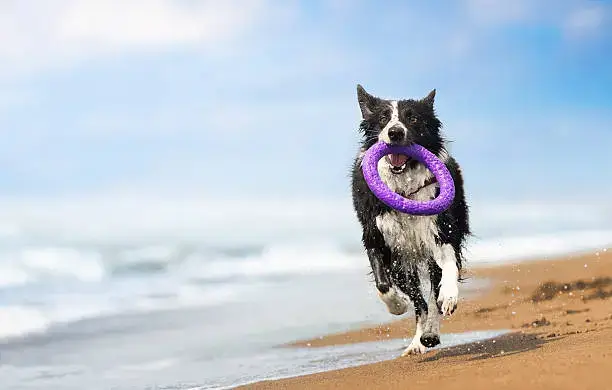
Long-term success with feeding is not about short-term restriction—it’s about building habits that last. Applying Portion Control Tips consistently over months and years helps dogs maintain a healthy weight, stable energy levels, and better overall comfort. When owners focus on sustainability rather than quick fixes, portion control becomes easier and more reliable.
Building consistent feeding habits over time
Dogs thrive on routine, and consistency supports both digestion and appetite control.
- Fixed meal times reduce begging and anxiety
- Measured portions prevent gradual calorie creep
- Predictable routines support metabolism stability
Using Portion Control Tips daily removes guesswork and limits emotional feeding decisions.
Why consistency matters more than perfection
Occasional variations won’t cause harm, but repeated inconsistency will.
- Irregular portions confuse hunger cues
- Overcorrection often leads to underfeeding or overfeeding
- Stable routines create long-term balance
Small, steady habits outperform strict but short-lived plans.
Preventing “portion creep” over months
Portion creep happens when servings slowly increase without notice.
- Scoops become fuller over time
- Treats add calories without deduction
- Multiple caregivers feed unknowingly
Regularly re-measuring portions keeps intake accurate.
Adjusting portions during life-stage transitions
Dogs experience predictable life changes that affect calorie needs. Ignoring these shifts is one of the most common feeding mistakes.
- Puppies transitioning to adulthood
- Adult dogs becoming less active
- Seniors losing muscle mass
Applying Portion Control Tips proactively helps prevent weight issues before they start.
Adult maintenance vs senior needs
Senior dogs often need fewer calories but higher nutrient quality.
- Smaller portions reduce fat gain
- Protein supports muscle retention
- Monitoring joints and mobility guides adjustments
Portion changes should be gradual to avoid digestive upset.
Recovery periods and temporary adjustments
After illness or injury, feeding needs may change temporarily.
- Reduced activity lowers calorie requirements
- Appetite may fluctuate
- Monitoring weight prevents rebound gain
If recovery challenges persist, consult a licensed veterinary professional.
Practical Portion Control Tips: FAQ and Daily Checklist
This final section brings everything together with practical answers and simple tools you can apply immediately. These Portion Control Tips are designed to reduce confusion and support daily consistency.
Frequently Asked Questions About Portion Control Tips
How do I know if I’m overfeeding my dog?
Common signs include:
- Loss of a visible waist
- Difficulty feeling ribs
- Decreased stamina during walks
Weight gain often happens slowly, making regular checks essential.
Should I adjust portions if my dog seems hungry?
Hunger cues don’t always mean calorie deficiency.
- Boredom can mimic hunger
- Treat habits may affect appetite
- Feeding schedule consistency matters
Before increasing portions, reassess treat intake and activity levels.
Can exercise replace portion control?
Exercise supports health, but it rarely offsets chronic overfeeding.
- Calorie intake is easier to control than calorie burn
- Exercise without portion control often fails
- Both must work together
Many professionals recommend prioritizing portion accuracy first.
Are feeding guidelines on food bags reliable?
They are a starting point, not a rule.
- Guidelines assume average activity
- Individual metabolism varies
- Adjustments are usually necessary
Use them as a baseline, then refine with Portion Control Tips.
Daily Portion Control Checklist for Dog Owners
Use this simple checklist to stay consistent and avoid overfeeding dogs.
Daily habits
- Measure every meal
- Track treats given
- Maintain fixed feeding times
These habits reduce daily calorie drift.
Weekly checks
- Assess body condition visually
- Feel ribs and waistline
- Review treat frequency
Early detection prevents larger corrections later.
Monthly adjustments
- Reassess activity level
- Review portion sizes
- Adjust gradually if needed
Documenting changes improves long-term success.
When to seek professional guidance
Some situations require expert input beyond standard Portion Control Tips.
- Persistent weight gain or loss
- Medical conditions affecting appetite
- Special dietary needs
An authoritative reference many owners trust is guidance from the American Kennel Club, which offers practical, veterinarian-informed advice on healthy feeding and portion control for dogs:
Professional guidance ensures portion control supports health rather than causing unintended stress.
Overall Conclusion
Across all three parts, this guide has shown how applying Portion Control Tips consistently is one of the most effective ways to avoid overfeeding dogs and support long-term health. From understanding why portion size matters, to learning how to measure meals accurately and adjust portions based on lifestyle changes, each section builds toward a practical, sustainable feeding approach. When dog owners use Portion Control Tips as a daily habit—rather than a temporary fix—they reduce the risk of weight gain, digestive problems, and energy imbalance. With regular monitoring, thoughtful adjustments, and patience, portion control becomes a simple routine that helps dogs maintain a healthy weight, feel satisfied, and enjoy a better quality of life over time.
