

Seasonal Dog Care and Equipment plays a practical role in how dogs stay comfortable, safe, and happy at home throughout the year. Each season introduces temperature changes, humidity shifts, and environmental challenges that influence a dog’s daily routines. New dog owners often wonder how to adjust cooling, heating, walking hours, grooming habits, and equipment as weather changes.
This guide breaks down simple, beginner-friendly steps based on Seasonal Dog Care and Equipment to help dogs adapt smoothly without professional tools or complicated products. Within the first months of ownership, many learn that consistent Seasonal Dog Care and Equipment can prevent discomfort, reduce stress, and make home environments easier to manage. Everything here is real-life, no marketing, and focused on doable habits for busy households.
Seasonal Temperature Management for Dogs at Home
Seasonal Dog Care and Equipment matters indoors because temperature control influences how a dog rests, drinks, and behaves. Hot summers can increase panting and dehydration, while cold seasons push dogs to seek warm corners or soft bedding. New owners sometimes adjust thermostats only for human comfort, but thoughtful Seasonal Dog Care and Equipment ensures the home environment works for pets too. With a few adjustments to airflow, hydration, and resting zones, dogs stay safer without complex tools. Below are three structured areas that make Seasonal Dog Care and Equipment practical for indoor household settings.
Understanding Dog Temperature Tolerance Across Seasons
Dogs vary in temperature tolerance depending on coat length, age, and home climate. Understanding these variations helps build practical Seasonal Dog Care and Equipment routines. Short-coated breeds often prefer blankets or heated bedding during cold snaps, while thick-coated breeds may gravitate to tile floors in summer.
In real-life, an owner might notice their dog switching from carpet spots in winter to kitchen tiles during heatwaves. This small observation forms the basis of Seasonal Dog Care and Equipment because it guides how airflow and bedding should be arranged. It is not about diagnosis; it’s about learning behavior patterns and adjusting comfort zones.
Key awareness points:
- Cold seasons: dogs may curl tightly, seek soft fabrics, or avoid drafty areas.
- Warm seasons: dogs may sprawl belly-down, seek tile floors, or pant lightly after mild exertion.
- Transitional seasons: temperature swings may cause alternating behaviors within the same week.
Good Seasonal Dog Care and Equipment uses these signals along with temperature tolerance, humidity levels, and basic thermoregulation concepts to shape indoor setups.
Indoor Adjustments for Heatwaves and Cold Snaps
Indoor home adjustments support Seasonal Dog Care and Equipment without expensive tech. A few simple options include safe airflow, shaded resting zones, and warm fabrics for winter. For example, closing curtains during peak sunlight keeps rooms cooler, which aligns with Seasonal Dog Care and Equipment during summer months.
For heatwaves, owners can:
- Create shaded napping areas away from windows
- Keep cool floors accessible (bathroom tiles, laundry room)
- Offer extra water stations to support hydration balance
For cold snaps, owners can:
- Block drafts with door stoppers
- Offer fleece blankets or warm bedding
- Keep resting spots elevated away from cold floors
These adjustments support Seasonal Dog Care and Equipment because they keep dogs from seeking uncomfortable extremes. If humidity is high, mild indoor ventilation with windows or fans can maintain comfort. None of these steps require diagnosing a problem; they are simple observations paired with smart Seasonal Dog Care and Equipment habits.
Safe Use of Fans, AC, and Heating Around Dogs
Many homes rely on fans, AC, and heating systems, and each can be integrated into Seasonal Dog Care and Equipment safely. Fans create airflow but do not actually lower room temperature, so they are useful only when paired with shaded resting spots. AC units can cool rooms effectively, but they should not blow directly onto dogs for prolonged periods.
Practical setups include:
- Aim fans across rooms, not directly at bedding
- Keep AC set to moderate levels for shared comfort
- Avoid portable heaters directly against bedding or fur
A realistic example: a family running AC at midday can place a dog bed 1–2 meters away to ensure airflow without direct exposure. This avoids overcooling while supporting Seasonal Dog Care and Equipment during summer.
During winter, portable heaters should have safe distance and no exposed coils. Elevated beds reduce cold-floor exposure, making heating-based Seasonal Dog Care and Equipment safer and more effective.
Outdoor Seasonal Safety and Activity Routines
Outdoor routines are an important part of Seasonal Dog Care and Equipment because walking, exploring, and exercising expose dogs to sun, wind, rain, and seasonal terrain. Many owners assume dogs naturally adapt outdoors, but small adjustments make walks safer during temperature swings. Seasonal Dog Care and Equipment outdoors focuses on timing, hydration, visibility, and footing so dogs can enjoy activity without unnecessary strain. The three sections below show how to apply Seasonal Dog Care and Equipment in real day-to-day scenarios.
Adjusting Walk Times and Routes by Season
Timing outdoor activity is one of the simplest Seasonal Dog Care and Equipment strategies. During summer, blacktop and concrete can become hot enough to cause paw pad abrasion, while winter surfaces may create slippery footing. Choosing routes with shade or grass reduces temperature stress and supports better thermoregulation.
Practical adjustments include:
- Summer: walk early morning or near sunset to avoid peak heat
- Winter: walk mid-afternoon when temperatures are slightly warmer
- Rainy seasons: choose covered or less muddy paths when possible
For example, a dog owner may shift a noon walk to 7 AM during July, noticing the dog pants less and moves more confidently. This small change fits into Seasonal Dog Care and Equipment because it uses environmental timing to protect comfort.
Some owners living in cold regions also shorten winter walks slightly and add indoor enrichment like food puzzles or gentle tug games. These supplemental routines keep Seasonal Dog Care and Equipment balanced without forcing long outdoor exposure in harsh weather.
Outdoor Equipment for Visibility and Footing
Gear choices shape safety and efficiency during outdoor Seasonal Dog Care and Equipment. At night or during darker winter evenings, reflective leashes, collar strips, or a reflective harness make dogs easier to spot. In wet or snowy conditions, weatherproof materials help keep body heat stable, especially for smaller or thin-coated dogs.
Beginner-friendly outdoor items include:
- Reflective harness or reflective leash
- Waterproof coat or vest for rain and snow
- Paw balm or light booties for rough terrain
- Collapsible water bottle for summer hydration
Real-life example: during winter, a dog wearing a waterproof vest and paw booties walks confidently across salted sidewalks, while the owner rinses paws at home to remove residue. This approach fits Seasonal Dog Care and Equipment because it supports insulation and prevents irritation without diagnosing any medical issue.
During summer, a collapsible water bottle and shaded rest stop help maintain hydration balance, especially on long walks. None of these tools are mandatory; they simply enhance Seasonal Dog Care and Equipment for outdoor comfort and footing.
Recognizing Weather-Related Discomfort (Non-Diagnostic)
Owners can recognize weather-related discomfort through behavior, not diagnosis. Observing subtle cues helps tailor Seasonal Dog Care and Equipment for safe outdoor sessions. Panting, slowing pace, seeking shade, lifting paws, or trying to turn toward home can indicate environmental stress.
Outdoor signs linked to seasonal stress may include:
- Heat: frequent seeking of shade, slower pace, longer recovery after activity
- Cold: paw lifting, shaking, reluctance to sit on snow or wet ground
- Rain/mud: avoiding puddles, slipping, or rushing to covered spaces
These signals guide simple adjustments such as shortening the walk, changing surfaces, or shifting time of day. Seasonal Dog Care and Equipment is not about clinical evaluation; it’s about environmental awareness and weather-based routines.
For example, a dog walking on hot pavement may lift paws repeatedly. The owner checks the sidewalk with their hand, switches to shaded grass, and continues. This behavior-informed decision fits Seasonal Dog Care and Equipment because it uses surface conditions to protect comfort.
When paired with proper timing, hydration, and equipment, outdoor Seasonal Dog Care and Equipment becomes predictable and safe across different months. It helps avoid extremes without removing the joy of daily walks.
Paw, Coat, and Skin Seasonal Maintenance

Seasonal Dog Care and Equipment also includes basic grooming habits that protect paws, coat, and skin against weather changes. Surfaces, humidity, shedding cycles, and dirt accumulation all shift throughout the year, so maintenance routines need small seasonal adjustments. This type of Seasonal Dog Care and Equipment does not require professional grooming—most tasks involve simple brushing, wiping, rinsing, or drying at home. Below are three areas that make Seasonal Dog Care and Equipment more structured and efficient for beginners.
Coat Brushing and Seasonal Shedding Management
Dogs shed differently depending on season, coat type, and indoor climate. Managing loose fur keeps living spaces cleaner and supports air circulation around the skin. For many households, weekly brushing becomes one of the easiest Seasonal Dog Care and Equipment routines because it reduces clumps, distributes natural oils, and keeps fur from matting.
Simple brushing guidelines:
- Thick double coats: more shedding during spring and fall
- Short coats: lighter, consistent shedding year-round
- Indoor-only dogs: moderate shedding across all seasons due to stable temperatures
A real example: in late spring, a thick-coated dog may leave more fur on carpets and furniture. The owner introduces brushing every other day for three weeks. This small seasonal adjustment aligns with Seasonal Dog Care and Equipment by accommodating shedding without any diagnostic intent.
Tools that support brushing include slicker brushes, de-shedding combs, or soft bristle brushes. These are not required for all dogs, but they help with seasonal shedding and prevent minor tangles. Clean coats also dry faster after rain or snow, contributing to smoother Seasonal Dog Care and Equipment routines during wet months.
Paw Cleaning and Seasonal Surface Hazards
Paws interact with ground surfaces year-round, so cleaning and inspection are part of smart Seasonal Dog Care and Equipment. Summer asphalt can cause paw pad abrasion, while winter sidewalks may have de-icing salts that create irritation. Mud and pollen also accumulate during rainy or spring months, increasing indoor cleaning needs.
Practical paw-care steps:
- Use a damp cloth to wipe paws after rainy or muddy walks
- Rinse lightly with lukewarm water after snowy or salted sidewalks
- Check between toes for trapped debris (sand, grass seeds, small pebbles)
- Dry between toes to avoid prolonged moisture exposure
Home example: after a rainy October walk, an owner wipes paws at the entryway, dries between toes, and places a towel near the doorway. This fits Seasonal Dog Care and Equipment because it controls mud spread and keeps paws comfortable without using specialized products.
If a dog shows reluctance on certain surfaces—like hot summer pavement—the owner can shift to grass or shaded paths. This situational adjustment supports Seasonal Dog Care and Equipment by preventing discomfort through environment choices, not diagnosis.
Basic Moisture and Dirt Control After Outdoor Time
Moisture control matters because damp coats, dirty paws, and wet bellies can track mud indoors or cause lingering odors. Seasonal Dog Care and Equipment focuses on routine cleaning rather than medical framing. Drying towels, microfiber cloths, and entry mats make transitions from outdoors to indoors smoother.
Many households create a simple “entry setup” with:
- Absorbent mat for initial wipe-down
- Microfiber towel for quick drying
- Brush for loose dirt or plant debris
- Coat hook or basket for seasonal accessories
During spring and fall, when rain and leaves are frequent, this setup reduces indoor mess and speeds up drying time. In winter, it helps remove melting snow from fur; in summer, it removes dust and pollen. This strategy supports Seasonal Dog Care and Equipment because it keeps dogs comfortable and homes manageable during weather changes.
Some owners also trim feathering around paws or legs to reduce debris collection. Light trimming (not shaving) helps maintain cleanliness and supports airflow around fur. Again, no diagnosis—just practical Seasonal Dog Care and Equipment habits based on observation and maintenance.
Seasonal Hydration, Feeding, and Indoor Comfort
Seasonal Dog Care and Equipment also affects how dogs drink, eat, and rest inside the home. Humidity, heat, and dryness influence hydration habits, while cold months shift energy use and rest patterns. None of this requires dietary diagnosis or medical framing—just small changes that keep dogs comfortable during environmental shifts. When applied consistently, Seasonal Dog Care and Equipment makes mealtime and resting areas easier to manage throughout the year.
Hydration Adjustments for Heat and Humidity
Warm weather increases demand for hydration, especially when dogs walk during summer or humid afternoons. One of the simplest Seasonal Dog Care and Equipment habits is providing fresh, cool water in multiple locations during hot months. In winter, dogs may drink less due to lower activity, so owners can encourage steady sips by placing bowls near resting areas.
Practical hydration ideas include:
- Place secondary water bowls in cooler rooms during summer
- Refresh water after outdoor walks to encourage drinking
- Use wide, stable bowls to reduce spills during enthusiastic drinking
- Keep bowls away from direct sunlight to prevent warm water
A realistic example: during a humid July weekend, an owner places an extra bowl in the living room where the dog naps after walks. The dog drinks more frequently, making Seasonal Dog Care and Equipment smoother without requiring any special supplements. This supports hydration balance in hot months without overcomplication.
Some owners store water bottles near the door for quick access after outdoor sessions. This fits Seasonal Dog Care and Equipment because hydration and heat exposure often go hand in hand during summer.
Feeding Patterns and Seasonal Energy Use (Non-Diagnostic)
Dogs may adjust their energy use depending on weather and daily activity. For instance, winter walks may be shorter due to cold wind or icy sidewalks, while summer mornings may involve longer sniffing sessions in parks. Seasonal Dog Care and Equipment simply observes patterns and adapts routines, not nutrition formulas.
Example observations:
- Winter: dogs may rest more indoors and take shorter bathroom breaks outside
- Summer: early morning or late evening walks may increase sniffing and play
- Rainy seasons: reduced outdoor play may increase pacing or indoor boredom
Seasonal Dog Care and Equipment can respond with simple adjustments such as spacing meals away from high-activity times, offering enrichment toys on rainy days, or scheduling mealtimes consistently to match family routines. None of this replaces veterinary advice—it just improves household flow.
Owners sometimes use slow feeders to reduce rapid eating during hot weather when dogs are more active. Others may spread food in snuffle mats on rainy days to add mental stimulation. These approaches fit Seasonal Dog Care and Equipment because they respond to environmental changes, not diagnoses.
Resting Zones, Bedding, and Seasonal Airflow
Resting comfort shifts throughout the year, so modifying bedding and air circulation is part of Seasonal Dog Care and Equipment. During summer, many dogs avoid plush beds and seek tile floors for temperature tolerance reasons. In winter, they seek insulation layers and warm fabrics. Owners can make these shifts easier by offering multiple resting textures.
Simple seasonal bedding strategies:
- Summer: cooling mats, breathable fabrics, airflow near resting spots
- Winter: fleece blankets, raised beds, bedding away from drafty doors
- Transitional seasons: two bedding options so dogs can choose
This bedding variety supports Seasonal Dog Care and Equipment because dogs naturally self-regulate based on surface temperature. An example: a dog chooses a cooling mat in July afternoons but switches to a fleece blanket at night. The owner keeps both options available, making the home adaptable without constant rearranging.
Airflow also influences resting comfort. Fans can circulate air during summer, while closed curtains reduce heat gain. In winter, sealing small drafts beneath doors increases coziness for dogs resting near common areas. None of these require tools beyond towels, blankets, or modest fans.
Some owners avoid scented heating pads or chemical deodorizers, keeping resting spaces neutral. This aligns with Seasonal Dog Care and Equipment by prioritizing safe physical comfort over artificial additives.
Seasonal Travel, Transport, and Outdoor Gear Organization
Seasonal Dog Care and Equipment also applies when dogs ride in cars, visit parks, or travel with the family. Weather affects interior car temperatures, road surfaces, and available shade, while packing habits change based on season. Seasonal Dog Care and Equipment in this context focuses on safe temperature transitions, hydration access, and bringing small items that improve comfort without specialized tools. The goal is to make outings predictable for the dog and manageable for the owner.
Car Temperature Management and Seasonal Transport Safety
Car interiors respond quickly to climate shifts, making temperature awareness an essential part of Seasonal Dog Care and Equipment. During summer, cars heat rapidly even with cracked windows, while winter interiors may feel extremely cold before warm airflow starts. Small timing adjustments help dogs transition between house, car, and outdoor spaces with less stress.
For example, during hot months, an owner may cool the car for a minute before loading the dog, then park in the shade and carry a collapsible water bottle. In winter, the opposite approach applies—starting the car briefly while the dog remains indoors helps avoid sudden chills. Both patterns align with Seasonal Dog Care and Equipment by moderating environmental transitions.
Other beginner-friendly adjustments include:
- Avoid leaving dogs unattended in cars during extreme temperatures
- Use window shades or reflective covers during summer travel
- Dry paws lightly before placing dogs in the car during snowy seasons
- Store a small towel for wiping condensation or mud
None of these involve medical framing—they simply keep Seasonal Dog Care and Equipment practical and safe during transport.
Packing Seasonal Essentials for Parks and Day Trips
Packing routines transform with weather and terrain. A small seasonal kit eliminates guesswork and keeps outings consistent throughout the year. These lightweight additions fit neatly into Seasonal Dog Care and Equipment because they support hydration, visibility, and surface protection without unnecessary gadgets.
Common seasonal additions may include:
- Summer: collapsible bowl, water bottle, breathable harness, shade breaks
- Winter: light coat, reflective harness for early sunsets, towel for snow or salt
- Rainy months: waterproof leash, small drying towel, spare entry mat for the car
Example scenario: a family visiting a lakeside park in August packs water, a collapsible bowl, and a breathable harness. The dog rests in the shade between short walks and drinks small amounts regularly. This day trip supports Seasonal Dog Care and Equipment because it blends hydration, visibility, and comfort into a simple routine.
During winter, that same family might carry a towel and reflective harness instead. Nothing complicated—just weather-specific adjustments that help Seasonal Dog Care and Equipment remain consistent across seasons.
Home Storage and Cleaning of Seasonal Gear
Seasonal gear becomes easier to manage when it has dedicated storage spots. Many households accumulate coats, reflective harnesses, towels, and cooling mats over time. A small organizational system keeps Seasonal Dog Care and Equipment rotating smoothly without clutter.
A simple setup may include:
- Hooks near the entryway for harnesses and leashes
- A low shelf or bin for towels and travel items
- A breathable bag for rain gear and cooling accessories
- A small drawer for grooming wipes and spare bags
Real-life example: after autumn hikes, an owner places the dog’s raincoat on a hook and dries the leash on a towel overnight. The next morning, everything is ready without guesswork. This approach supports Seasonal Dog Care and Equipment by reducing prep time and keeping items clean.
Cleaning gear seasonally also matters. Wiping mud from raincoats, brushing dust from cooling mats, or rinsing reflective harness straps keeps fibers breathable and functional. None of this requires special detergents; unscented mild soap and water are sufficient. These maintenance habits allow Seasonal Dog Care and Equipment to function year after year instead of replacing gear frequently.
Seasonal Indoor Cleanliness, Odor Control, and Home Setup
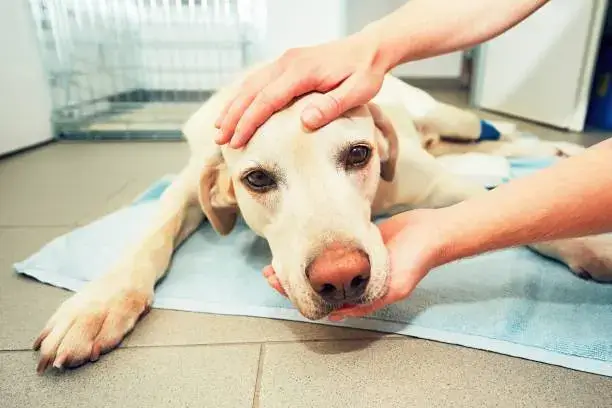
A clean indoor environment makes Seasonal Dog Care and Equipment easier to maintain throughout the year. Weather patterns influence what dogs track inside—summer brings dust and pollen, fall adds leaves, winter introduces snow and salt, and rainy months create mud. Seasonal Dog Care and Equipment in the home focuses on small cleaning routines, odor control, and strategic setups to avoid deep-clean emergencies. No chemicals or diagnoses are needed—just practical adjustments that make household management smoother.
Entryway Setups for Dirt, Moisture, and Debris Management
The entryway determines how much debris reaches the rest of the house, making it an important part of Seasonal Dog Care and Equipment. A simple “landing zone” catches mud, snow, or plant material during transitions from outside to inside. This setup supports Seasonal Dog Care and Equipment by controlling dirt without needing constant mopping.
Useful additions include:
- Absorbent mat for paws
- Microfiber towel for fur and legs
- Small bin for wipes, spare bags, and seasonal gear
- Hooks for coats, harnesses, and leashes
Scenario: in spring, after a muddy walk, an owner wipes paws and legs at the entry. The mat absorbs runoff while the towel handles fur. This routine fits Seasonal Dog Care and Equipment because it reduces debris spread and avoids time-consuming cleanup later.
In winter, the same setup catches melting snow and de-icing salt. This helps Seasonal Dog Care and Equipment work year-round, especially in homes with tile or wood floors that become slippery when wet.
Seasonal Odor Sources and Gentle Control Methods (Non-Diagnostic)
Outdoor play and weather exposure can make coats, bedding, and collars hold more odor during certain months. Seasonal Dog Care and Equipment does not diagnose odor—it simply recommends gentle cleaning habits to keep the home fresh. Rainy and humid seasons often increase natural odors, while dry, dusty summers add airborne particles.
Gentle odor-control strategies may include:
- Washing bedding with mild, unscented detergent
- Air-drying harnesses and coats after wet walks
- Brushing loose fur outdoors when possible
- Cleaning floors with water-based solutions instead of heavy fragrances
Example: during rainy October days, a dog returns damp and muddy from evening walks. The owner wipes fur with a towel, air-dries the harness overnight, and washes bedding weekly. These realistic routines enhance Seasonal Dog Care and Equipment without needing specialized sprays or covers.
Avoiding heavy perfumes or scented deodorizers fits Seasonal Dog Care and Equipment because dogs rely heavily on scent for navigation, and strong chemicals may overwhelm or mask natural smells unnecessarily.
Organizing Indoor Play, Rest, and Climate Zones by Season
Indoor spaces shift with weather—warm months need ventilation and cooling spots, while cold months need insulation and cozy resting areas. Organizing indoor zones is part of Seasonal Dog Care and Equipment because it reduces stress and helps dogs regulate comfort on their own.
Seasonal zone ideas:
- Summer: tile floors, shaded corners, fans for airflow
- Winter: soft bedding, raised beds, rest spots away from drafts
- Rainy seasons: drying areas near windows or radiators for wet gear
- Dusty seasons: separate brushing spot near the balcony or yard
Real-life scenario: in August, a family opens airflow near the living room floor and places a cooling mat in the shade. The dog alternates between naps and gentle play. In December, the same family moves resting beds away from drafty doors and replaces fabric covers with fleece to conserve warmth. This flexible setup aligns with Seasonal Dog Care and Equipment by adapting comfort zones to climate changes.
Indoor enrichment also fits Seasonal Dog Care and Equipment during weather-restricted months. Puzzle toys, scent games, or short hide-and-seek sessions help prevent boredom when outdoor play is limited by heatwaves, storms, or icy sidewalks.
H2.7 — Frequently Asked Questions (FAQs) About Rotating Dog Toys
Q1. Are rotating dog toys safe for all dog breeds?
Yes, rotating dog toys are generally safe, but always consider size, chewing strength, and play style.
Example:
A Chihuahua may enjoy a small, lightweight spinner, while a Pitbull might need a heavy-duty rotating toy that can handle strong chewing.
Tips for safe play:
- Choose size-appropriate toys
- Monitor first sessions
- Remove damaged toys immediately
Q2. How long should dogs play with rotating toys?
Most dogs do well with 10–20 minutes per session, 1–2 sessions daily.
This keeps enrichment positive without overstimulation.
Example:
After a 15-minute rotating puzzle session, many dogs settle down for a nap because their brain is tired.
Q3. Do rotating toys replace outdoor walks?
No. Rotating toys provide mental stimulation, not full physical exercise.
Dogs need both for balance.
Think of rotating toys like a brain workout, while walks are body workouts.
Q4. Are rotating toys good for destructive chewers?
Depends on the material:
✔ Rubber or nylon rotating toys = better for power chewers
✖ Thin plastic rotating toys = not ideal and may break
If you have a heavy chewer, look for phrases like:
- “Power chew”
- “Tough rubber”
- “Durable”
Q5. Can rotating toys help with separation anxiety?
They can help, but won’t cure anxiety alone.
They support dogs by:
- Reducing boredom triggers
- Giving mental tasks during downtime
- Encouraging independence
Good combo for anxious dogs:
- Rotating toy + licking mat + slow sniff walk
Q6. What age can puppies start using rotating toys?
Puppies as young as 8–10 weeks can use gentle beginner rotating toys.
Look for:
- Soft materials
- Lightweight spinners
- Slow-speed interactive toys
Avoid:
- Hard chewing rotators (can damage baby teeth)
Q7. Do rotating toys require batteries?
Some do, some don’t.
Battery-powered:
- Move on their own
- Engage dogs with motion + noise
- Good for high-energy dogs
Non-powered manual rotators:
- Dog-driven motion
- Quieter, simpler, great indoors
Q8. Do rotating toys make noise?
Some motorized models make a whirring sound, which can:
- Attract curious dogs
- Scare noise-sensitive dogs
If you have a noise-sensitive dog, start with manual rotating puzzle toys.
Q9. Are rotating toys washable?
Most non-electric toys are dishwasher-safe or hand washable.
Check for:
- Removable components
- Dishwasher icons
- Waterproof seals (electric models)
Cleaning tip:
Wash food-based toys after every use to avoid bacterial buildup.
Q10. How do I introduce rotating toys to a nervous or shy dog?
Start simple:
- Place toy on floor without turning it on
- Let the dog sniff & explore
- Add treats to create positive association
- Gradually introduce light motion
Example:
A shy dog may ignore moving toys at first, but with treats + slow motion, most dogs warm up within a few sessions.
Conclusion — Practical Insights for Everyday Dog Owners

Seasonal dog care and equipment help dogs stay comfortable and safe throughout changing weather conditions. Adjusting routines, indoor environments, and outdoor gear allows dogs to maintain temperature tolerance, avoid unnecessary stress, and stay active year-round. These adaptations do not require professional tools—just thoughtful planning and observation.
Key points to remember:
- Seasonal dog care and equipment support thermoregulation, paw protection, and hydration balance.
- Hot weather care focuses on shade, hydration, indoor ventilation, and limiting midday outdoor activity.
- Cold weather care emphasizes insulation layers, protective outerwear, and paw balms for wet or icy surfaces.
- Monitor humidity levels, coat condition, and paw pads to determine what type of gear or adjustment is needed.
- Small changes at home—such as cooling mats in summer or draft-free rest areas in winter—can significantly improve comfort.
For a more complete at-home care foundation, explore this internal pillar page:
👉 Complete Guide to Dog Care at Home
Trusted External Resource
For additional reading on enrichment and environmental adjustments, see:
