

Welcome to the complete guide on responsible dog ownership at home! Owning a dog isn’t just about feeding and walking them. To be a responsible dog owner, you need to establish daily routines, monitor nutrition, and guide your dog’s behavior and development.
This guide will walk you through practical steps you can implement at home to ensure your dog stays healthy, safe, and happy. You’ll learn how to create daily routines, manage feeding, introduce basic training, and much more.
For a more comprehensive overview of overall dog care, check out our complete dog care at home guide.
1: Establishing a Daily Routine for Responsible Dog Ownership at Home
A stable routine is the foundation of responsible dog ownership at home. Dogs thrive on consistency, and a regular schedule helps them feel secure, reduces stress, and makes training easier.
Importance of Consistency
Keeping consistent feeding times, walks, and play sessions helps your dog develop good habits. For example, if your dog goes for a walk every morning at 7 a.m., they will naturally anticipate and prepare for the walk without constant prompting.
Veterinarian tip: “Many veterinarians recommend maintaining a consistent schedule to reduce anxiety and behavioral issues in dogs.”
Morning Activities
Morning is an ideal time to release energy and stimulate your dog mentally. Try including:
- A 20–30 minute walk to burn off energy.
- Short brain games like fetch or hide-and-seek.
- Quick health checks: eyes, nose, coat condition.
These activities not only keep your dog physically healthy but are also part of responsible dog ownership at home.
Evening Wind-Down
Evenings should focus on calming activities:
- Gentle brushing or a light massage.
- Serving dinner at a consistent time.
- Avoiding overly stimulating games before bedtime.
A peaceful evening routine helps your dog sleep well and prepares them for the next day.
2: Feeding and Nutrition Basics
Proper nutrition is the second pillar of responsible dog ownership at home. Selecting a balanced diet with adequate protein, vitamins, and minerals appropriate for your dog’s age and size is essential.
Choosing a Balanced Diet for Responsible Dog Ownership at Home
When choosing dog food:
- Check ingredient labels, prioritizing real meat, vegetables, and easily digestible grains.
- Avoid foods with artificial additives and excessive fillers.
- Select food appropriate for life stage: puppy, adult, or senior.
Example: A 3-month-old puppy requires protein and calcium for healthy bone and muscle development—an important part of responsible dog ownership at home.
Meal Frequency
- Puppies: 3–4 meals per day
- Adult dogs: 2 meals per day
- Senior dogs: adjust based on health and activity level
Consistent meal times support digestion and help prevent obesity.
Hydration Tips
- Always provide fresh, clean water within reach.
- Check water several times a day, especially in hot weather.
- If your dog drinks little, mix water into dry food to encourage intake.
Proper hydration is a key part of responsible dog ownership at home.
3: Basic Training Techniques
Basic training helps your dog live safely in your home and strengthens your bond. Training is a crucial component of responsible dog ownership at home.
Positive Reinforcement
Use rewards to encourage good behavior:
- Small treats for following commands.
- Praise and gentle petting for positive actions.
Avoid physical punishment; it can cause stress and damage trust.
Short, Frequent Sessions
- 5–10 minutes per session, 2–3 times daily
- Keep lessons simple and repeat frequently
- End sessions on a positive note
Short sessions help your dog learn quickly without getting bored.
Common Commands to Start for Responsible Dog Ownership at Home
Some basic commands to teach early:
- Sit
- Stay
- Come
- Leave it
Practicing these daily reinforces responsible dog ownership at home, keeping your dog safe and well-behaved.
Playtime and Physical Exercise
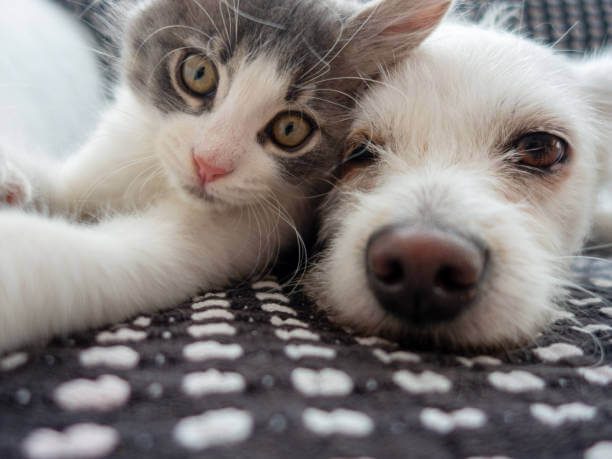
Regular play and exercise are essential for a dog’s physical and mental well-being. Engaging your dog in daily activities helps prevent obesity, reduces anxiety, and strengthens the bond between you and your pet. Incorporating structured play and safe outdoor activities is a vital part of responsible dog ownership at home.
Importance of Regular Play
Playtime is more than just fun—it stimulates your dog’s mind and helps expend excess energy. Dogs that do not receive enough physical and mental stimulation can develop behavioral problems, such as excessive barking, chewing, or restlessness.
Veterinarian tip: “Many veterinarians recommend at least 30–60 minutes of structured play or exercise per day for most dog breeds.”
Safe Toys and Chews for Responsible Dog Ownership at Home
Choosing the right toys and chews ensures your dog stays entertained without risking injury:
- Durable chew toys that cannot be easily swallowed.
- Puzzle toys that challenge your dog mentally.
- Avoid small or easily breakable toys that could become choking hazards.
Introducing safe toys is a simple way to practice responsible dog ownership at home while keeping your dog engaged indoors.
Outdoor Exercise
Outdoor activities are critical for energy release and socialization:
- Short walks around your neighborhood for puppies or small breeds.
- Jogging or running for active adult dogs.
- Supervised play in a secure yard or dog park.
Regular outdoor exercise reinforces a routine and contributes to overall health.
Creating a Safe Home Environment
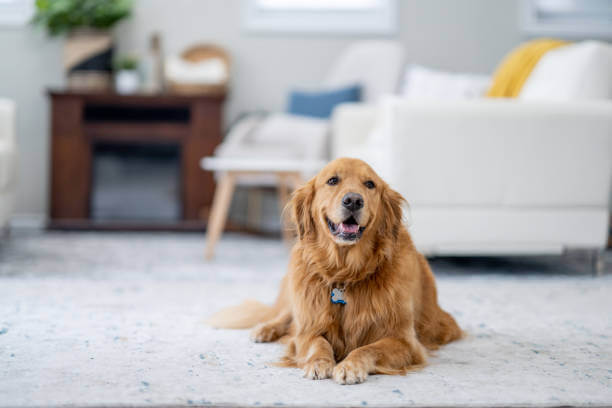
A safe environment minimizes risks and allows your dog to explore and live comfortably. Preparing your home properly is a key component of responsible dog ownership at home.
Puppy-Proofing Your Space
Just as you would child-proof a home, dogs need protection from hazards:
- Keep electrical cords out of reach.
- Store cleaning products, medications, and small objects securely.
- Remove toxic plants or dangerous household items.
A safe home reduces the likelihood of accidents and emergencies.
Safe Sleeping Areas in Responsible Dog Ownership at Home
Designate a comfortable, quiet area for your dog to sleep and rest:
- Use a dog bed or crate appropriate for their size.
- Place bedding in a low-traffic area to avoid constant disturbances.
- Ensure temperature comfort, avoiding drafts or extreme heat.
A secure sleeping area encourages healthy rest patterns, supporting your dog’s overall well-being.
Monitoring Interactions
Supervising interactions is essential, especially for puppies or dogs living with children or other pets:
- Gradually introduce new people and animals.
- Reward positive behavior during interactions.
- Avoid forcing encounters that may cause stress or fear.
By monitoring interactions, you reinforce safe behavior and strengthen trust—another important aspect of responsible dog ownership at home.
Grooming and Hygiene
Regular grooming is essential for your dog’s health, comfort, and overall appearance. Maintaining clean fur, nails, and ears helps prevent infections and keeps your dog feeling comfortable. Grooming is a key part of responsible dog ownership at home.
Brushing and Coat Care
- Brush your dog daily or weekly depending on breed and coat type.
- Regular brushing reduces shedding, mats, and tangles.
- It also allows you to check for parasites, skin irritations, or unusual lumps.
Many veterinarians recommend using the right brush type for your dog’s coat to prevent skin damage.
Bathing Basics for Responsible Dog Ownership at Home
- Bathe your dog only when necessary, typically every 4–6 weeks for most breeds.
- Use dog-specific shampoos to protect skin and coat.
- Dry thoroughly to avoid skin infections or discomfort.
Bathing is not only about cleanliness—it strengthens the bond between you and your dog and promotes responsible dog ownership at home.
Nail and Paw Care
- Trim nails every 3–4 weeks, checking for overgrowth that can cause pain.
- Inspect paws for cuts, foreign objects, or irritation.
- Apply paw balm if your dog’s pads are dry or cracked.
Proper paw care ensures your dog can move comfortably and safely.
Monitoring Health and Mental Well-Being
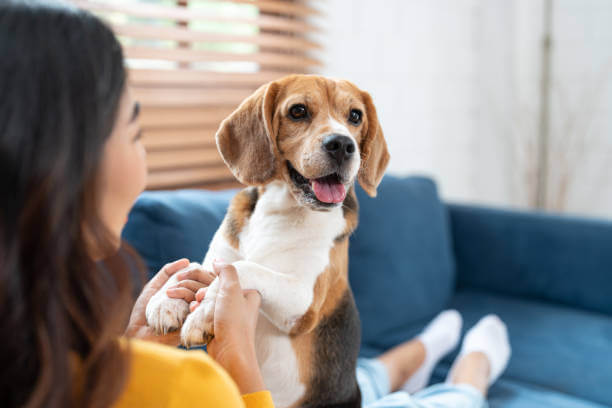
Keeping a close eye on your dog’s health and emotional state is crucial. Observing daily behavior, appetite, and activity levels allows you to detect issues early. Monitoring mental well-being is equally important for a happy, balanced dog.
Daily Observations
- Check for changes in eating or drinking habits.
- Look for unusual lethargy, coughing, or limping.
- Note any behavioral changes like increased anxiety or aggression.
Regular observation is a core practice of responsible dog ownership at home.
Recognizing Common Symptoms in Responsible Dog Ownership at Home
- Vomiting or diarrhea lasting more than a day
- Persistent scratching or skin irritation
- Sudden weight loss or gain
If concerns persist, consult a licensed veterinarian. Early intervention often prevents minor issues from becoming serious health problems.
Stress Reduction Techniques / Building Trust
- Provide safe spaces for your dog to retreat and relax.
- Use positive reinforcement to encourage desired behavior.
- Engage in gentle play and bonding sessions to reduce anxiety.
Supporting your dog’s mental health reinforces the principles of responsible dog ownership at home.
FAQ & Daily Checklist for Responsible Dog Ownership at Home
Frequently Asked Questions
- How often should I walk my dog?
Most dogs benefit from 30–60 minutes of exercise per day, adjusted by age, breed, and health. - What should I feed my dog?
Choose a balanced diet appropriate for your dog’s life stage and size. Avoid human foods that are toxic to dogs. - How can I tell if my dog is stressed?
Signs include excessive barking, panting, hiding, or changes in appetite. Short breaks and calm interaction often help. - Do I need to bathe my dog weekly?
Not necessarily. Bathing depends on breed and activity. Most dogs do well with every 4–6 weeks. - When should I visit a vet?
Regular checkups are recommended every 6–12 months. Contact your vet immediately if you notice unusual behavior, persistent vomiting, or sudden illness.
Daily Checklist
Morning
- Take dog for a short walk or potty break
- Feed breakfast and provide fresh water
- Quick coat and paw check
Midday
- Play session or mental stimulation (puzzle toys, fetch)
- Monitor behavior and activity levels
Evening
- Feed dinner
- Evening walk or playtime
- Grooming if needed (brushing, paw inspection)
- Quiet wind-down time
Weekly
- Nail trimming
- Bathing (if needed)
- Deep cleaning of sleeping area
- Health check for unusual lumps, parasites, or changes in coat
