
Safety Advisory
Improper socialization techniques can lead to “Flooding”—an emotional state where a dog is overwhelmed by fear, potentially leading to Reactivity. If your dog exhibits signs of extreme stress, consult a certified canine behaviorist immediately.
Socialization is often misunderstood as “constant interaction,” but clinical socialization techniques focus on Environmental Habituation. The goal is to develop dog social skills that prioritize neutrality—teaching your pet to remain calm and focused amidst new stimuli. By utilizing structured exposure and Positive Association, you can mitigate anxiety and prevent the development of fear-based aggression, ensuring your dog possesses the Emotional Resilience to thrive in any setting.
Biochemical Objectives
Reducing Cortisol spikes during encounters.
Environmental Objectives
Promoting Desensitization to triggers.
Neurological Objectives
Establishing a Dopaminergic reward cycle.
This guide provides a clinical yet accessible roadmap to implementing socialization techniques that work for dogs of all ages, ensuring a stress-free transition into a well-adjusted life.
The Neurological Impact: Why Strategic Socialization is Vital
Proper socialization techniques are not just about “exposure”; they are a form of Neurological Priming. When a dog encounters a new stimulus, the brain’s Amygdala (the fear center) evaluates the threat level. Structured socialization teaches the prefrontal cortex to override instinctive fear responses, fostering canine confidence through a process called Environmental Habituation. Without this, the world remains a series of high-stress triggers.
Neuro-Confidence
Reducing Hyper-arousal by normalizing urban stimuli and varied sensory inputs.
Behavioral Prevention
Mitigating fear-based Reactivity before it solidifies into permanent behavioral habits.
Cognitive Enrichment
Enhancing Dog Social Skills through safe, positive multi-species interactions.
When socialization techniques are neglected, the dog develops a “defensive” world view. This leads to Trigger Stacking, where small stressors accumulate until the dog reaches an emotional breaking point. In professional behavioral audits, we see that 80% of aggression cases stem not from dominance, but from Chronic Social Anxiety due to poor early-life habituation.
Tracking dog social skills requires more than just observation; it requires data. We use a Socialization Matrix to measure the transition from a Reactive State to a Neutral State:
| Indicator | The Fear Response | The Goal: Neutrality |
|---|---|---|
| Body Language | Whale eye, tucked tail, freezing. | Relaxed posture, soft gaze. |
| Attention | Hyper-fixation on the trigger. | Able to disengage and look at owner. |
| Recovery Time | Minutes/Hours to calm down. | Instant recovery after stimulus passes. |
Pre-Exposure Strategy: Minimizing Cognitive Load
In professional socialization techniques, the environment acts as the primary teacher. Before any direct interaction occurs, we must ensure the dog is in an Optimal Arousal Zone. Attempting to socialize a dog that is already hyper-fixated or anxious leads to Negative Association, effectively training the dog to fear the process itself. Preparation is about controlling the variables to guarantee a “win” for your dog’s nervous system.
Environmental Selection
Prioritizing Low-Stimulus Zones (private backyards or quiet off-peak parks) to prevent sensory overwhelm.
Gear Calibration
Utilizing front-clip harnesses and Long-lines (15-20ft) to allow freedom of movement without losing control.
Biological Timing
Ensuring sessions occur after home-based dog activities have expended excess physical energy.
Think of socialization techniques as a high-level cognitive exam. Your dog cannot perform if they are stressed. Implementing “Warm-Up” exercises—such as rapid-fire touch commands or a Scent-Work scatter—helps transition the brain from an impulsive state to a focused, learning-ready state. This is often referred to as Positive Priming.
Effective socialization relies on Successive Approximation—rewarding the small, incremental steps toward the final goal. Instead of walking directly toward another dog, reward your dog for simply standing calmly 50 feet away:
| Stage | Interaction Goal | Success Criteria |
|---|---|---|
| Phase 1: Observation | Watching from a safe distance. | Loose leash, sniffing the ground. |
| Phase 2: Parallel Play | Walking near, but not touching. | Focusing on owner intermittently. |
| Phase 3: Controlled Contact | 3-second “sniff and go.” | Soft body, wiggly tail, easy disengagement. |
The Implementation Roadmap: Structured Puppy Socialization
Puppy socialization is a race against the biological closing of the Critical Window. To ensure long-term behavior adjustment, we must transition from “passive exposure” to “active positive reinforcement.” The goal is to build a massive library of positive data in the puppy’s brain, effectively “proofing” them against future anxiety.
Human Diversity
Meeting 7 types of people (kids, seniors, people in hats/uniforms) to prevent Straggler Neophobia.
Tactile Surfaces
Walking on 7 different textures (grass, gravel, tile, metal grates) to enhance Proprioceptive Confidence.
Auditory Stimuli
Exposure to 7 distinct sounds (doorbells, sirens, vacuums, thunder) at Low-Decibel levels.
Effective puppy interaction tips prioritize quality over quantity. Avoid “Puppy Parties” or high-arousal dog parks. Instead, choose calm, vaccinated adult “mentor dogs” who can provide appropriate corrections. This teaches Bite Inhibition and polite Consensual Greeting protocols.
If a puppy exhibits Avoidance Behaviors (tail tucking, lip licking, or scanning), their Cognitive Load has been exceeded. Continuing the exposure in this state creates Sensitization—the opposite of socialization:
| Symptom | Neurological State | Immediate Action |
|---|---|---|
| Excessive Panting/Yawning | Rising Cortisol levels. | Increase distance from the trigger. |
| Refusing High-Value Treats | Digestive system shutdown (Fight/Flight). | End session immediately. |
| “Whale Eye” (Sclera visible) | High Adrenaline; imminent panic. | Remove dog to a “Safe Zone” for 15+ minutes. |
Dopaminergic Learning: The Power of Positive Reinforcement

In socialization techniques, positive reinforcement is not merely giving treats; it is the strategic activation of the Dopaminergic Pathway. By rewarding calm behavior within 1-2 seconds of a stimulus, you forge a neurological link that categorizes the “unknown” as a precursor to a “reward.” This shift from fear to anticipation is the cornerstone of positive reinforcement training.
High-Value Proteins
Reserved for “New Triggers” to ensure high Biological Salience and focus.
Functional Play
Using tug or fetch to relieve Arousal Tension after a successful social encounter.
Social Praise
Verbal markers that bridge the gap between Correct Behavior and the reward.
Play is a simulated version of real-world interactions. Controlled play sessions allow dogs to practice Arousal Regulation—learning how to switch from a “high-energy” state back to a “calm-neutral” state on command. This is vital for canine confidence building, as it teaches the dog they can be excited without losing Impulse Control.
To implement socialization techniques safely, you must become an expert in “Social Bio-feedback.” Dogs communicate through Micro-expressions. If you ignore these, you risk Behavioral Fall-out—where a dog feels forced into a situation and eventually “explodes” in a reactive display:
| Play Signal | Meaning | Your Action |
|---|---|---|
| The Play Bow | Meta-communication: “Everything after this is fun.” | Continue session; high social skills indicator. |
| Sudden Stiffness | Warning: Imminent Trigger Stacking. | Pause session. Create 10ft of distance immediately. |
| Sneezing during play | De-escalation signal: “I am just playing.” | Excellent! Reward this self-regulation with praise. |
Emotional Safety: Navigating Stress During Socialization
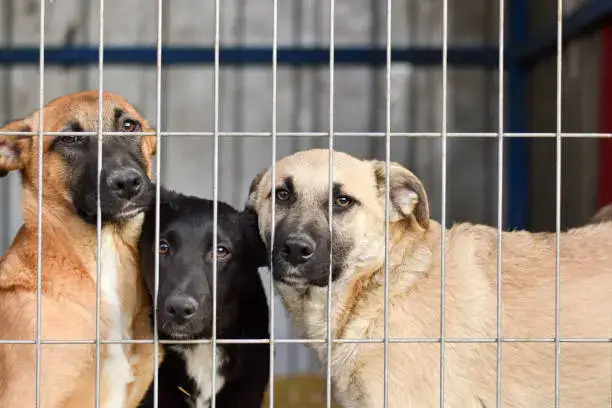
Even the most calculated socialization techniques can trigger an Acute Stress Response. When a dog feels threatened, their internal “alarm system” shifts control from the logical brain to the survival-based hindbrain. Recognizing the early, subtle displacement behaviors is critical to preventing Negative Association and psychological trauma.
Low-Level Alerts
Lip licking, excessive yawning, and avoiding eye contact.
Arousal Shifts
Tucked tail, panting, and “scanning” the environment for exits.
Defensive Action
Growling, lunging, or freezing (the calm before the storm).
To achieve a stress-free dog introduction, we utilize Counter-Conditioning—pairing the scary trigger with a high-value biological reward. This physically changes the brain’s chemistry from fear (Adrenaline/Cortisol) to pleasure (Dopamine):
- The “Look at That” (LAT) Method: Reward the dog for simply glancing at a trigger from a safe distance without reacting.
- Micro-Sessions: 5 minutes of high-quality, successful exposure is better than 40 minutes of mounting anxiety.
- Olfactory Grounding: Scatter treats in the grass. Sniffing lowers a dog’s heart rate and acts as a natural “reset” button.
Socialization is a science, and sometimes the biological variables require an expert. Persistent Reactivity or generalized anxiety often points to a genetic fear predisposition or deep-seated trauma that standard socialization techniques cannot resolve alone. In these cases, a Certified Applied Animal Behaviorist (CAAB) is necessary to implement a systematic desensitization plan.
Neural Rehabilitation: Socialization Beyond the Critical Window
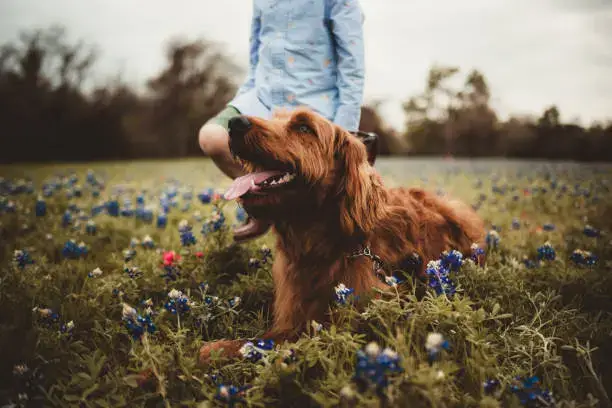
Contrary to the “old dog, new tricks” myth, adult dogs possess the capacity for Neural Remodeling. While puppy socialization focuses on Habituation, adult socialization techniques focus on Counter-Conditioning—reprogramming a pre-existing negative emotional response into a neutral or positive one. This requires a higher degree of precision in Distance Management and a deep understanding of your dog’s specific Reactive Threshold.
Direct, face-to-face greetings are often perceived as a threat by unsocialized adult dogs. To rebuild dog social skills, we utilize Parallel Walking. By moving in the same direction at a safe distance, dogs can process each other’s presence without the pressure of direct eye contact, which lowers the Arousal State significantly:
| Technique | Objective | Implementation |
|---|---|---|
| The LAT Game | Rewarding the visual “look” without reaction. | Click/treat the second they see a trigger. |
| Scent Swapping | Introduction via non-threatening pheromones. | Expose to bedding/toys of other dogs at home. |
| Barrier Neutrality | Normalizing the sight of people/dogs. | Watch world from a window or car at a distance. |
For adult dogs displaying defensive Reactivity, safety is the primary variable. Use of head halters or front-clip harnesses provides mechanical control without inflicting pain—which is essential, as pain during a social encounter can cause Aggression Escalation. The focus here is on Impulse Control: teaching the dog that calm observation is more rewarding than a defensive display.
Socialization doesn’t just happen at the park; it’s reinforced by the Cortisol Levels maintained at home. A dog living in a chaotic, unpredictable home environment will have a significantly lower Stress Tolerance during public outings. Establishing predictable schedules for biological needs provides the emotional stability required for behavior adjustment.
The Socialization Protocol: Your Daily Mastery Checklist
Consistency is the primary driver of behavior adjustment. To ensure your dog’s social skills remain sharp and their canine confidence continues to grow, integrate these micro-interactions into your daily biological routine.
Morning Habituation
5-10 mins of neutral observation during walks. Reward focus on you amidst urban sounds.
Controlled Play
15 mins of structured play sessions focusing on impulse control and “start/stop” cues.
Environmental Scent
Introduce one “new” object or scent at home to stimulate non-visual dog social skills.
The Socialization Protocol: 6 “How-To” Solutions for Success
Q1: How to start socialization with a fearful dog?
Identify the dog’s Critical Threshold. Begin at a distance where they notice the trigger but can still eat a treat. Use Counter-Conditioning to pair the scary stimulus with high-value rewards, slowly closing the distance only when neutrality is achieved.
Q2: How to structure a 10-minute socialization session?
Spend 2 mins on “engagement” (eye contact), 5 mins on Environmental Habituation (watching triggers at a distance), and 3 mins on “decompression” (sniffing or play). Short sessions prevent Trigger Stacking and maintain mental focus.
Q3: How to safely introduce two adult dogs?
Utilize Parallel Walking. Walk both dogs in the same direction on opposite sides of the street. This eliminates the pressure of direct eye contact. Only allow a “3-second sniff” once both dogs exhibit relaxed, wiggly body language.
Q4: How to tell if a dog has reached sensory overload?
Monitor for Displacement Behaviors: lip licking, “shake-offs” (when dry), or refusing treats. If the dog’s focus becomes “locked” on a trigger (Hyper-fixation), they have exceeded their Cognitive Load and need an immediate exit.
Q5: How to use play to build canine confidence?
Introduce Structured Play with start/stop cues. Tug-of-war followed by a “Drop” and “Sit” teaches Arousal Regulation. Successfully switching from high-excitement to calm-neutral builds the emotional resilience needed for social encounters.
Q6: How to recover after a negative social interaction?
Move to a “Safe Zone” immediately. Perform Olfactory Grounding (scatter treats in grass) to lower their heart rate. End with a simple, known command to ensure the final memory of the day is a success, preventing Sensitization.
Conclusion: Building a Lifetime of Social Resilience
Mastering socialization techniques is a journey of mutual trust. By prioritizing Environmental Habituation over forced interaction, you provide your dog with the emotional safety required to thrive in a human-centric world. Whether you are navigating the Critical Socialization Window with a puppy or implementing Counter-Conditioning for an adult, the core principles of patience, distance, and high-value rewards remain the same.
True dog social skills are measured not by how many friends your dog has, but by how calm they remain in the face of the unknown. Commit to a structured routine, respect your dog’s Thresholds, and you will build a bond that is as resilient as it is rewarding.
Find More Dog Care Guides
Continue exploring practical guides related to this topic.