

Grooming for Medium Coats is often underestimated because medium-length fur appears manageable at first glance. In reality, this coat type can trap loose hair, dirt, and moisture beneath the surface, leading to shedding buildup and skin discomfort if not handled correctly. This guide breaks down Grooming for Medium Coats into practical, stress-free steps designed for everyday homes, helping dog owners maintain coat balance, improve skin airflow, and prevent common grooming problems without overcomplicating the routine.
Understanding Grooming for Medium Coats and Coat Behavior
Grooming for Medium Coats requires a clear understanding of how this coat type behaves. Medium coats sit between short and long coats, combining characteristics of both. They often appear tidy on the surface while hiding loose undercoat hair underneath, which can cause problems if grooming is inconsistent.
Unlike short coats, medium coats can mat in high-friction areas. Unlike long coats, these mats are often harder to notice until they tighten. Proper Grooming for Medium Coats focuses on maintaining balance rather than extreme measures.
What Defines a Medium Coat
Medium coats vary in length, density, and texture, but they share certain grooming challenges.
Length, density, and texture differences
Medium coats typically fall a few inches from the body and may feel soft or slightly coarse. Some lie flat, while others have light waves that trap loose hair.
Single-layer vs light undercoat coats
Some medium coats have a single layer, while others include a light undercoat. Undercoat presence increases shedding potential and requires targeted grooming.
Why Medium Coats Are Often Mismanaged
Many owners treat medium coats as “low effort,” which leads to skipped grooming sessions.
Assumptions about moderate maintenance
Because medium coats do not tangle as quickly as long hair, owners may delay brushing. This allows loose hair to compact underneath.
Hidden shedding and mat risks
Loose undercoat hair can knot beneath the top layer, reducing airflow and irritating the skin. Grooming for Medium Coats prevents these hidden issues from developing.
Benefits of Proper Medium Coat Dog Grooming
Consistent grooming delivers noticeable improvements in comfort and cleanliness.
Skin airflow and coat balance
Removing excess undercoat improves ventilation and helps regulate body temperature.
Reduced shedding and odor control
Routine care limits shedding buildup and prevents odor caused by trapped oils and debris.
Essential Tools for Grooming for Medium Coats at Home
Choosing the right tools is critical for Grooming for Medium Coats. Medium-length fur responds best to tools that reach both the surface coat and the undercoat without scraping the skin.
The goal is to support coat balance, not strip it. Overuse of aggressive tools can damage healthy hair and increase sensitivity.
Core Dog Grooming Tools for Medium Coats
These tools form the foundation of effective grooming.
Slicker brushes and combo brushes
Slicker brushes help loosen surface tangles, while combo brushes reach deeper layers. Alternating tools reduces stress on the coat.
Combs for layered coats
A medium-tooth comb is useful for checking whether loose hair has been fully removed after brushing.
Tools That Support Undercoat Management
Some medium coats benefit from occasional undercoat attention.
Deshedding tools used safely
Deshedding tools should be used lightly and infrequently. Excessive use can thin the coat and irritate the skin.
When grooming gloves help
Grooming gloves are useful for dogs sensitive to brushes and for light maintenance between sessions.
Choosing Tools Based on Coat Density
Not all medium coats require the same approach.
Fine vs thick medium coats
Fine coats tangle more easily and need gentler tools. Thick coats may require deeper brushing to prevent buildup.
Straight vs slightly wavy hair
Wavy textures trap loose hair faster, increasing the need for consistent Grooming for Medium Coats.
Grooming for Medium Coats: Brushing Techniques That Prevent Problems
Brushing is the most important part of Grooming for Medium Coats. When done correctly, it removes loose hair, supports undercoat balance, and prevents mats from forming in high-friction areas.
Many owners brush only the surface, which leaves hidden buildup underneath. Effective grooming requires reaching deeper layers without causing discomfort.
Brushing Medium-Haired Dogs Correctly
Technique matters more than force.
Direction, pressure, and timing
Brush in the direction of hair growth using moderate pressure. Slow, controlled strokes are more effective than fast brushing.
Reaching the undercoat safely
Part the coat gently to reach lower layers. This allows loose hair to be removed without pulling healthy strands.
Medium Coat Shedding Control Without Overgrooming
Shedding is normal, but overgrooming can make it worse.
Seasonal vs daily shedding
Medium coats often shed more during seasonal changes. Increasing brushing frequency slightly during these periods is more effective than aggressive sessions.
Signs of excessive brushing
Redness, flaking, or increased scratching indicate that brushing should be reduced or adjusted.
Building a Medium Coat Grooming Routine
Consistency transforms grooming into a manageable habit.
Weekly vs bi-weekly schedules
Most dogs thrive on weekly grooming with light maintenance between sessions.
Adjusting by activity level
Active dogs may need more frequent checks, while indoor dogs often require less intensive care.
For owners building a complete home-care system, combining these steps with dog grooming at home basics helps ensure no part of the routine is overlooked.
Practical Tips for Easy Medium Coat Grooming
- Focus on reaching the undercoat, not just the surface
- Keep sessions calm and predictable
- Avoid overusing deshedding tools
- Stop if your dog shows signs of irritation
Many professionals recommend viewing Grooming for Medium Coats as preventive care rather than occasional cleanup. If shedding, matting, or skin issues persist despite consistent grooming, consult a licensed veterinarian or certified groomer for personalized guidance.
Bathing, Drying, and Skin Care in Grooming for Medium Coats
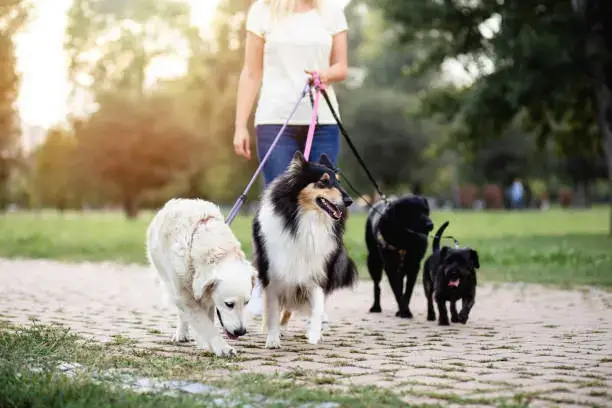
Grooming for Medium Coats is not complete without proper bathing, drying, and skin-focused care. Many coat problems blamed on brushing actually start during bath time. Using the wrong products, bathing too often, or drying incorrectly can disrupt natural oils, increase shedding, and make medium coats harder to manage over time.
This section focuses on how to clean and protect medium coats while preserving coat structure and skin health. The goal is balance: clean enough to support comfort, but gentle enough to maintain natural protection.
How Often Should You Bathe Medium-Coated Dogs
Medium coats require thoughtful bathing schedules. Overbathing strips oils, while underbathing allows debris and allergens to build up close to the skin.
Ideal Bathing Frequency for Medium Coats
There is no single rule, but general guidelines work for most dogs.
Typical bathing intervals
Most medium-coated dogs benefit from bathing every 4–6 weeks. This timeframe allows natural oils to recover while keeping the coat fresh.
Adjusting for lifestyle and environment
Dogs that spend time outdoors, swim often, or live in dusty areas may need slightly more frequent baths. Indoor dogs usually require fewer full baths.
Signs Your Dog Needs a Bath
Instead of relying only on schedules, observe the coat.
Texture and odor changes
A greasy feel or persistent odor indicates oil imbalance or trapped debris.
Increased scratching or dull appearance
These signs suggest buildup near the skin that brushing alone cannot remove.
Choosing the Right Products for Grooming for Medium Coats
Product choice directly affects coat manageability. Medium coats respond poorly to harsh or overly heavy formulas.
Shampoos Designed for Medium Coats
Shampoos should cleanse without weighing down the coat.
Balanced formulas for coat and skin
Look for shampoos that support both hydration and oil control. These help maintain softness while preventing excess buildup.
Avoiding heavy conditioning shampoos
Products designed for long coats may leave residue that causes medium coats to clump and shed more.
Conditioners and Coat Treatments
Conditioners are useful when applied correctly.
When conditioner helps
Light conditioners reduce friction and make brushing easier, especially for slightly wavy medium coats.
When conditioner causes problems
Overuse can flatten the coat, trap dirt, and make shedding appear worse.
Skin-Support Products for Medium Coats
Healthy skin supports healthy coats.
Hypoallergenic options
Dogs with mild sensitivities benefit from fragrance-free, gentle products.
When medicated shampoos are appropriate
Only use medicated formulas when recommended by a veterinarian, especially for recurring skin issues.
Bathing Techniques That Protect Medium Coats
Technique matters as much as product choice. Rushing bath time often leads to residue, tangles, and skin irritation.
Preparing the Coat Before Bathing
Preparation prevents problems later.
Pre-bath brushing
Brushing before bathing removes loose hair and prevents tangles from tightening when wet.
Checking friction areas
Focus on armpits, behind ears, and around the collar area where mats begin.
Washing Medium-Coated Dogs Effectively
Gentle handling preserves coat structure.
Water temperature and pressure
Use lukewarm water with moderate pressure to reach the skin without startling your dog.
Massage rather than scrubbing
Massage shampoo into the coat using fingers instead of aggressive rubbing, which can tangle hair.
Rinsing Thoroughly to Avoid Residue
Rinsing is often rushed but critically important.
Why residue causes itching
Leftover product traps dirt and irritates the skin, leading to scratching and dullness.
Rinse-check method
Run your fingers through the coat until water runs clear and the hair no longer feels slick.
Drying Methods That Maintain Coat Quality
Improper drying can undo all grooming efforts. Medium coats that remain damp near the skin are more prone to odor and irritation.
Towel Drying Without Matting
Start drying gently.
Pressing vs rubbing
Press towels against the coat instead of rubbing to avoid tangling and frizz.
Targeting dense areas
Pay extra attention to the chest, neck, and hindquarters where moisture lingers.
Air Drying vs Blow Drying Medium Coats
Each method has advantages.
Safe air-drying conditions
Air drying works best in warm, dry environments with good airflow.
Using blow dryers correctly
Use low heat and steady movement. Keep the dryer moving to avoid overheating sensitive skin.
Post-Dry Coat Checks
Drying is not the final step.
Brushing after drying
Light brushing after drying restores coat shape and prevents clumping.
Spot-checking the skin
Check for redness or flakes that indicate irritation.
Skin Care as a Core Part of Grooming for Medium Coats

Skin health determines coat quality. Grooming routines should always include skin observation.
Common Skin Issues in Medium-Coated Dogs
Medium coats can hide early warning signs.
Dry patches and flakes
Often caused by overbathing or harsh products.
Hot spots under dense areas
Moisture trapped near the skin can lead to localized irritation.
Supporting Skin Health Between Baths
Daily habits matter.
Proper nutrition and hydration
A balanced diet supports natural oil production and coat resilience.
Regular coat checks
Running hands through the coat helps detect changes early.
Practical Bathing and Skin Care Tips
- Bathe every 4–6 weeks unless conditions require adjustment
- Use light, balanced products designed for medium coats
- Rinse thoroughly to prevent residue buildup
- Dry completely, especially near the skin
- Monitor skin health regularly
Effective Grooming for Medium Coats combines thoughtful bathing, careful drying, and consistent skin awareness. These steps reduce shedding, improve comfort, and make brushing sessions easier over time.
Seasonal Challenges and Lifestyle Adjustments in Grooming for Medium Coats
Grooming for Medium Coats becomes more complex when seasons change or a dog’s lifestyle shifts. Temperature, humidity, activity level, and indoor environments all affect how medium coats shed, trap debris, and protect the skin. Adjusting grooming routines throughout the year helps prevent common issues such as excessive shedding, dry skin, and hidden irritation.
Rather than following a rigid routine year-round, many professionals recommend adapting grooming frequency, tools, and products based on seasonal needs and daily habits.
How Seasonal Changes Affect Medium Coats
Medium coats are designed to provide insulation and protection, which makes them highly responsive to environmental changes.
Shedding cycles in spring and fall
Most medium-coated dogs shed heavily during seasonal transitions. Old undercoat loosens to make room for temperature regulation, requiring more frequent brushing.
Coat density shifts
In colder months, coats may feel thicker and denser. In warmer months, coats become lighter but shed more rapidly.
Adjusting Grooming Frequency by Season
Flexibility improves results.
Grooming in warmer months
Increase brushing sessions to 3–4 times per week to manage loose hair and prevent overheating.
Grooming in cooler months
Reduce bathing frequency slightly to preserve natural oils, focusing instead on brushing and skin checks.
Environmental Factors That Influence Coat Health
Lifestyle matters as much as weather.
Indoor heating and air conditioning
Dry indoor air can cause flaky skin, even when outdoor humidity is high.
Outdoor exposure
Dogs that hike, swim, or play outdoors need more frequent coat inspections for debris and moisture buildup.
Long-Term Maintenance, FAQs, and Daily Checklist for Grooming for Medium Coats

Grooming for Medium Coats works best when viewed as an ongoing care system rather than isolated tasks. Consistent habits reduce stress for both dogs and owners, improve coat appearance, and help detect health concerns early.
This final section focuses on sustainable routines, common questions, and a simple daily checklist you can follow at home.
Building a Sustainable Grooming Routine
Consistency matters more than intensity.
Setting realistic schedules
Short, regular grooming sessions are more effective than infrequent, lengthy ones.
Creating positive associations
Reward calm behavior during grooming to make sessions easier over time.
When to Seek Professional Grooming Support
Home grooming has limits.
Situations that require professionals
Severe matting, skin infections, or behavioral resistance often require trained groomers or veterinarians.
Combining home and professional care
Many owners alternate professional grooming with home maintenance to balance cost and effectiveness.
Frequently Asked Questions About Grooming for Medium Coats
How often should medium-coated dogs be brushed?
Most medium-coated dogs benefit from brushing 2–4 times per week, increasing during shedding seasons.
Can medium coats be shaved in hot weather?
Shaving is usually not recommended. Medium coats help regulate temperature and protect skin from sun exposure.
Why does my dog still shed after grooming?
Shedding is natural. Grooming reduces loose hair but cannot stop seasonal shedding completely.
Are deshedding tools safe for medium coats?
Yes, when used gently and not daily. Overuse can damage the topcoat and irritate skin.
Daily and Weekly Grooming Checklist
Use this checklist to simplify Grooming for Medium Coats and stay consistent.
Daily or Every Other Day
- Quick visual coat inspection
- Remove visible debris
- Light brushing on high-friction areas
Weekly
- Full brushing session
- Check skin for redness or flakes
- Clean ears and wipe paws
Monthly or As Needed
- Bath with appropriate products
- Nail trimming
- Deep coat inspection
Final Practical Tips for Long-Term Success
- Adjust grooming routines with seasons and lifestyle changes
- Focus on consistency over perfection
- Watch the skin, not just the coat
- Use tools gently and intentionally
- Consult professionals when problems persist
Effective Grooming for Medium Coats supports comfort, health, and appearance throughout your dog’s life. By adapting routines, asking the right questions, and maintaining simple daily habits, medium-coated dogs can stay clean, comfortable, and well cared for year-round.
