

Understanding what causes anxiety in dogs is essential to helping them feel safe, secure, and emotionally balanced. Dogs can experience stress and anxiety for a variety of reasons, ranging from environmental changes to past traumatic experiences or health issues. Identifying these anxiety triggers early allows you to respond effectively, prevent destructive behaviors, and improve your dog’s overall quality of life.
This guide offers practical steps for dog owners to recognize the sources of stress and implement preventive measures. By observing behavior, tracking patterns, and applying gentle interventions, you can create a calm and supportive environment. These strategies are suitable for beginners and experienced dog owners alike and focus on realistic, actionable techniques that make a meaningful difference in a dog’s daily life.
Environmental Anxiety Triggers
Dogs are highly sensitive to their surroundings, and changes or intense stimuli can provoke anxiety. Recognizing environmental triggers is the first step in helping your dog cope with stress.
Noise and Sudden Sounds
Many dogs react strongly to loud or unexpected noises. Even seemingly minor sounds can trigger anxiety in sensitive dogs.
Common Noise Triggers
- Fireworks, thunderstorms, or construction sounds
- Household appliances like vacuum cleaners, blenders, or washing machines
- Sirens or traffic noise outside
Managing Noise-Induced Anxiety
- Gradual desensitization: Introduce recordings of loud noises at low volume, gradually increasing over time while rewarding calm behavior
- Safe retreat areas: Create a quiet space with blankets, a crate, or a calming bed where your dog can feel secure
- Background sounds: Soft music or white noise can mask sudden loud sounds and help maintain calm
Highlight Tip: Observe your dog’s body language—pacing, shaking, or hiding are clear signs that noise is a trigger.
Mini Case Study
Lola, a 2-year-old Beagle, would panic during fireworks. By pairing low-volume recordings with favorite treats and a designated safe space, her anxiety decreased significantly over several weeks.
Crowded or Chaotic Spaces
Dogs can become stressed in overstimulating environments. Homes with multiple pets, frequent visitors, or high levels of activity can trigger anxiety.
Common Crowding Triggers
- Social gatherings or parties at home
- Multiple dogs or pets creating tension
- High-traffic areas in the household
Creating Calm Zones
- Provide a quiet room or crate where your dog can retreat
- Rotate access to areas with fewer distractions
- Use pheromone diffusers or soft lighting to reduce overstimulation
Highlight Tip: Teach your dog to associate certain spaces with relaxation. For example, a bed in a low-traffic area can become their “calm zone.”
Mini Case Study
Max, a 4-year-old Border Collie, became anxious during family gatherings. Allowing him access to a quiet bedroom with toys and a calming diffuser reduced pacing and whining significantly.
Changes in Routine or Environment
Dogs thrive on consistency. Sudden changes in daily routines or home arrangements can lead to stress.
Common Routine Triggers
- Moving to a new home or rearranging furniture
- Altered feeding, walking, or sleeping schedules
- Unexpected visitors or events
Managing Routine-Related Anxiety
- Introduce changes gradually, if possible
- Maintain consistent feeding and walking times
- Monitor behavior closely during transitions
Highlight Tip: Even small routine changes, like a slightly different walk route, can impact a dog’s sense of security. Using gradual exposure and positive reinforcement can help ease the transition.
Mini Case Study
Charlie, a 5-year-old Golden Retriever, became anxious when furniture was moved. By allowing him to explore the new arrangement slowly and rewarding calm behavior, he adapted within a few days without excessive stress.
Social and Emotional Anxiety Triggers
Interactions with humans and other animals are common sources of stress. Social and emotional anxiety triggers can manifest as fear, withdrawal, or aggression.
Separation Anxiety
Separation anxiety is one of the most common forms of stress in dogs, especially when left alone for extended periods.
Signs of Separation Anxiety
- Pacing, whining, or barking when alone
- Destructive behavior, such as chewing furniture or doors
- Excessive salivation or attempts to escape
Managing Separation Anxiety
- Gradual alone-time training: Start with short periods and slowly increase duration
- Interactive toys: Keep your dog occupied with puzzle toys or treat dispensers
- Positive reinforcement: Reward calm behavior when leaving or returning home
Highlight Tip: Avoid dramatic departures or arrivals. Calm, low-key interactions reduce anxiety associated with separations.
Mini Case Study
Bella, a 3-year-old Labrador, displayed destructive behavior when left alone. Introducing brief, positive departures combined with a treat-dispensing toy helped reduce anxiety significantly over four weeks.
Social Interactions
Dogs may experience anxiety during interactions with unfamiliar people or animals. Not all dogs are naturally social, and forced introductions can increase stress.
Common Social Triggers
- Unfamiliar visitors entering the home
- Meeting new dogs in parks or social settings
- Overwhelming group interactions
Encouraging Positive Socialization
- Gradually introduce new people or dogs in controlled settings
- Reward calm and confident behavior
- Respect your dog’s comfort level and allow distance if needed
Highlight Tip: Short, positive social interactions are more effective than long, intense encounters that can overwhelm your dog.
Mini Case Study
Rocky, a shy German Shepherd, became anxious when meeting new dogs at the park. Gradual exposure, paired with treats and praise for calm behavior, helped him gain confidence without stress.
Past Trauma or Negative Experiences
Dogs who have experienced abuse, neglect, or frightening situations may develop anxiety triggered by similar circumstances.
Signs of Trauma-Related Anxiety
- Fearful responses to specific people, sounds, or environments
- Sudden aggression or avoidance behaviors
- Heightened startle responses
Managing Trauma Triggers
- Provide a safe, predictable environment
- Use positive reinforcement to create new, positive associations
- Avoid forcing the dog into stressful situations
Highlight Tip: Patience and consistency are critical. Building trust gradually can significantly reduce trauma-related anxiety over time.
Mini Case Study
Sasha, a rescue Terrier, was fearful of men due to past abuse. Gradual, positive exposure with calm male handlers helped her become more relaxed and confident.
Health-Related Anxiety Triggers
Anxiety can also stem from physical discomfort or medical conditions. Health-related triggers are sometimes overlooked but can significantly affect behavior.
Pain or Illness
Physical pain, injury, or chronic conditions can lead to anxious behaviors.
Common Signs
- Restlessness or pacing
- Aggression or irritability
- Hiding or withdrawal from interaction
Managing Health-Related Anxiety
- Regular veterinary checkups to detect underlying conditions
- Pain management strategies prescribed by a veterinarian
- Combine with calming routines like massage or quiet time
Highlight Tip: Behavioral changes can be the first indicator of illness. Monitor for sudden shifts in activity, appetite, or mood.
Mini Case Study
Rocky, a 7-year-old Beagle, became irritable and anxious due to undiagnosed arthritis. With pain management and gentle massage, his anxiety and restlessness improved significantly.
Hormonal or Neurological Factors
Age-related changes, hormonal imbalances, or neurological conditions can influence anxiety levels in dogs.
Common Causes
- Thyroid issues affecting mood and energy
- Cognitive decline in senior dogs
- Neurological disorders that alter behavior
Management Tips
- Consult your veterinarian for diagnosis and treatment
- Adjust exercise, diet, and enrichment activities to accommodate changes
- Combine with mental stimulation and gentle reassurance
Highlight Tip: Older dogs may require shorter, more frequent sessions of exercise and stimulation to reduce stress without overexertion.
Sensory Impairments
Dogs with vision or hearing loss may experience anxiety due to uncertainty in their environment.
Common Triggers
- Sudden approach of people or pets that are not detected
- Difficulty navigating familiar spaces
- Fear of loud noises they cannot see or hear
Management Tips
- Adjust the environment for safety and predictability
- Introduce cues like touch or scent to guide movement
- Maintain routines to reduce uncertainty
Highlight Tip: Use verbal reassurance or gentle touch to guide dogs with sensory impairments and help them feel secure.
Mini Case Study
Milo, a senior Labrador, developed mild anxiety due to hearing loss. Adding scented markers and using hand signals during walks helped him navigate confidently and reduced stress-related behaviors.
For more guidance on recognizing early signs of stress in dogs, see dog stress signs at home.
Seasonal and Weather-Related Triggers
Dogs can be highly sensitive to seasonal changes and weather conditions. Recognizing these triggers is a key part of understanding what causes anxiety in your dog and how to reduce stress in daily life.
Storms and Loud Weather Events
- Thunderstorms: Sudden lightning or thunder can startle even calm dogs.
- Heavy rain or wind: Unusual sounds and movement outside can trigger fear responses.
- Tips for management: Create a safe indoor space, use white noise or calming music, and provide interactive toys to redirect attention.
Highlight Tip: Monitor your dog’s body language for signs of distress, such as pacing, whining, or hiding, and intervene early to prevent escalation.
Mini Case Study
Bella, a 4-year-old Cocker Spaniel, became highly anxious during thunderstorms. Her owner introduced a cozy crate with blankets and calming music. Over a few weeks, she began to retreat to this safe space voluntarily, showing reduced panic and fewer destructive behaviors.
Temperature Extremes
- Heatwaves: Dogs can overheat and become irritable or restless, increasing anxiety levels.
- Cold snaps: Low temperatures may limit outdoor activity, leading to pent-up energy and stress.
- Tips: Adjust exercise schedules, provide temperature-controlled resting areas, and use cooling mats or heated beds if needed.
Highlight Tip: Never leave your dog in extreme temperatures unsupervised, as both heat and cold can exacerbate anxiety.
Mini Case Study
Max, a senior Golden Retriever, became agitated on hot days when walks were shortened. Using cooling mats indoors and breaking walks into early morning and late evening sessions reduced stress behaviors and improved overall comfort.
Seasonal Changes
- Daylight shifts: Longer or shorter days can impact sleep and routine, which may trigger anxiety.
- Environmental changes: Falling leaves, snow, or pollen may create unfamiliar sensory inputs.
- Tips: Maintain consistent routines regardless of season, and gradually introduce seasonal changes during calm periods.
Highlight Tip: Gradual exposure to new seasonal elements helps your dog build confidence without unnecessary stress.
Feeding and Diet-Related Triggers

Diet and feeding routines can play a significant role in your dog’s stress and anxiety levels. Changes in food, timing, or feeding environment can provoke anxiety triggers.
Abrupt Changes in Diet
- Switching dog food suddenly may cause digestive discomfort, leading to irritability.
- Food sensitivity or allergies can manifest as behavioral changes such as restlessness or aggression.
- Tips: Transition gradually over 7–10 days, mixing old and new food incrementally.
Highlight Tip: Monitor your dog’s response to diet changes carefully. Digestive upset can trigger temporary anxiety and stress-related behaviors.
Mini Case Study
Rocky, a 3-year-old Beagle, became restless and exhibited whining behavior after abruptly switching to a new brand of dog food. Transitioning gradually and incorporating treats to reinforce calm behavior helped him adjust smoothly.
Feeding Environment
- Dogs may feel anxious in chaotic feeding environments or around other pets.
- Competition or limited resources can provoke fear or aggression.
- Tips: Feed dogs separately if needed, in a quiet area, and ensure fresh water is available at all times.
Highlight Tip: Establish a consistent feeding location and schedule to create predictability, which helps reduce stress.
Mini Case Study
Luna, a nervous Terrier mix, became anxious when feeding near her older sibling. Separating feeding areas and maintaining the same feeding schedule reduced tension and improved mealtime behavior.
Hunger and Overfeeding
- Both extremes—hunger and overfeeding—can cause discomfort and anxiety.
- Hunger may lead to irritability, while overfeeding can cause lethargy and digestive distress.
- Tips: Follow a consistent feeding schedule and portion sizes recommended by a veterinarian.
Highlight Tip: Small, frequent meals may be helpful for anxious dogs to maintain energy levels and avoid stress-related irritability.
Training and Handling Triggers
The way a dog is trained and handled can influence anxiety levels significantly. Negative or inconsistent handling can trigger stress, while positive reinforcement fosters confidence and relaxation.
Punishment-Based Training
- Harsh corrections or scolding can provoke fear and long-term anxiety.
- Dogs may associate negative experiences with people, environments, or even specific commands.
- Tips: Focus on reward-based training methods, reinforcing calm and desirable behavior.
Highlight Tip: Avoid yelling or physical punishment, which can escalate anxiety and damage the human-animal bond.
Mini Case Study
Charlie, a 5-year-old Border Collie, showed fear of his owner during training sessions due to prior harsh corrections. Switching to a positive reinforcement approach with treats and praise dramatically reduced anxiety and improved learning outcomes.
Overtraining or Inconsistent Commands
- Excessive training sessions or mixed signals can confuse dogs and provoke stress.
- Dogs may become frustrated or anxious when they don’t understand what is expected.
- Tips: Keep sessions short, consistent, and structured with clear cues and rewards.
Highlight Tip: Quality over quantity—frequent, short training sessions are more effective and less stressful than long, inconsistent sessions.
Mini Case Study
Sasha, a young Labrador, became anxious during training because her owner used different commands for the same behavior. Standardizing cues and rewarding calm participation helped her regain confidence and focus.
Handling and Physical Interactions
- Rough handling or unexpected physical contact can trigger fear, particularly in sensitive or traumatized dogs.
- Grooming, vet visits, or restraint can provoke anxiety if introduced abruptly.
- Tips: Introduce touch gradually, reward calm responses, and use desensitization techniques for grooming or vet visits.
Highlight Tip: Always respect your dog’s comfort level. Forcing interaction can increase stress and make handling more difficult in the future.
Mini Case Study
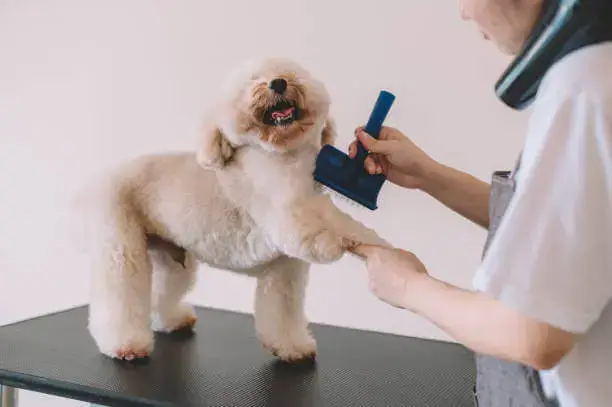
Milo, a senior Terrier, became anxious during grooming sessions. By gradually introducing each grooming tool, rewarding calm behavior, and allowing short breaks, Milo learned to tolerate grooming without excessive stress.
Identifying and Recording Triggers
Understanding what provokes anxiety in your dog is essential for effective management. By tracking behaviors and responses, you can pinpoint specific triggers and implement strategies to reduce stress.
Keeping an Anxiety Journal
- Document daily behaviors: Note when your dog shows signs of stress such as pacing, whining, or excessive barking.
- Record environmental factors: Include noise, visitors, changes in routine, or other possible triggers.
- Track reactions: Note physical and behavioral responses to different situations.
Highlight Tip: Consistent record-keeping over time helps reveal patterns and identify recurring triggers.
Mini Case Study
Luna, a 2-year-old Terrier, showed unpredictable anxiety. By tracking her behavior in a daily journal, her owner discovered that sudden vacuuming sessions and neighborhood fireworks were consistent triggers. This allowed targeted interventions, reducing episodes of stress significantly.
Observing Subtle Signs
- Physical indicators: Panting, yawning, drooling, shaking, or tail tucking.
- Behavioral indicators: Avoidance, clinginess, restlessness, or repetitive behaviors.
- Tips: Use these observations to anticipate stressful situations and preemptively apply calming techniques.
Highlight Tip: Even small changes in behavior can indicate the presence of anxiety triggers. Early recognition allows for timely intervention.
Gradual Exposure and Desensitization
- Controlled exposure: Introduce the dog to the trigger in small, manageable doses.
- Reward calm behavior: Treats, praise, or toys reinforce positive coping mechanisms.
- Adjust intensity: Gradually increase exposure as your dog becomes more comfortable.
Mini Case Study
Max, a 3-year-old Beagle, was fearful of delivery personnel. By pairing brief exposure through the window with treats for calm behavior, his anxiety gradually decreased over several weeks.
Daily Management Checklist

A structured daily routine reduces unpredictability, helping dogs feel secure and relaxed. Use the following checklist as a guideline for managing anxiety triggers:
Morning Routine
- Gentle massage or touch therapy for 5–10 minutes
- Calm greeting and reassurance when waking
- Short outdoor walk or potty break in a quiet area
Midday Routine
- Mental stimulation through puzzle toys or treat-dispensing activities
- Short training session using positive reinforcement
- Quiet time in a designated safe zone
Afternoon/Evening Routine
- Longer walk or indoor exercise session
- Controlled exposure to mild triggers (e.g., background sounds, new visitors at a distance)
- Evening cuddle or relaxation session with soft music or aromatherapy
Throughout the Day
- Monitor body language for signs of stress or agitation
- Redirect negative behavior with toys or gentle guidance
- Provide fresh water and access to a secure, comfortable resting area
Highlight Tip: Consistency is key. Dogs thrive on predictable routines, and structured days reduce stress and help manage anxiety triggers effectively.
Frequently Asked Questions
How do I know if my dog is anxious?
Signs of anxiety vary but commonly include pacing, excessive barking, whining, hiding, destructive behavior, drooling, or shaking. Physical and behavioral changes, even subtle ones, can indicate stress.
Can multiple triggers overlap?
Yes. A dog may react to several triggers simultaneously, such as loud noises combined with an unfamiliar environment. Overlapping triggers can intensify anxiety, making careful observation and gradual desensitization essential.
When should I consult a veterinarian or behaviorist?
- If anxiety behaviors persist or worsen despite interventions
- If your dog exhibits aggressive or self-harming behavior
- When there is uncertainty about health-related causes of anxiety
Mini Case Study
Daisy, a 5-year-old Poodle, showed heightened anxiety during storms and after meals. A veterinary consultation ruled out digestive issues, and the behaviorist suggested desensitization combined with calming chews. Over time, Daisy became more relaxed during storms and mealtimes.
Combining Strategies for Long-Term Stress Relief
Addressing anxiety triggers effectively often requires combining multiple strategies:
- Observation and journaling: Identify triggers and track progress.
- Physical activity: Daily walks, play sessions, and indoor exercises.
- Mental stimulation: Training exercises, puzzle toys, and scent games.
- Calming interventions: Massage, touch therapy, controlled exposure, and aromatherapy.
- Socialization: Gradual introduction to new people, dogs, and environments.
- Diet and feeding management: Maintain consistent schedules and appropriate portions.
Highlight Tip: A holistic approach addressing physical, emotional, and environmental needs is most effective for reducing anxiety.
Mini Case Study
Rocky, a 4-year-old Labrador mix, exhibited multiple anxiety triggers: loud noises, separation, and changes in routine. By combining daily exercise, gradual exposure, mental stimulation, massage, and a consistent routine, Rocky showed significant improvement in behavior and overall confidence within six weeks.
Conclusion
Recognizing and managing anxiety triggers in dogs is essential for fostering a calm, confident, and happy companion. By observing your dog’s behavior, tracking patterns, and noting environmental, social, and health-related factors, you gain valuable insight into what causes stress. This awareness allows you to intervene proactively, prevent escalation, and implement strategies that support emotional well-being.
Consistent routines, safe spaces, and gradual exposure to potentially stressful situations create predictability, which helps dogs feel secure. Incorporating daily physical activity, mental stimulation, and positive reinforcement strengthens their confidence while reducing anxious behaviors. Gentle interventions like massage, touch therapy, and safe aromatherapy provide immediate comfort, while structured socialization and controlled exposure teach dogs to navigate new experiences with confidence.
Attention to diet, feeding schedules, and sensory needs further contributes to a dog’s sense of stability and comfort. Even small adjustments, when applied consistently, can significantly reduce stress and enhance overall behavior. By combining observation, preventive measures, and targeted relaxation techniques, dog owners can create an environment where their pets thrive emotionally and physically. Over time, these efforts build trust, deepen the bond between owner and dog, and encourage a more relaxed, resilient, and joyful companion.
