

Discover proven relaxation techniques to help calm your stressed dog and improve their overall well-being. Many dog owners struggle to recognize early signs of anxiety in their pets, which can lead to destructive behaviors, health issues, and even affect the bond between you and your furry companion. By implementing simple and practical strategies at home, you can create a stress-free environment that promotes emotional stability and confidence for your dog.
These essential relaxation techniques are designed for beginners and intermediate dog owners alike. They focus on safe, actionable steps that can be seamlessly incorporated into daily routines. Whether your dog experiences occasional stress or chronic anxiety, understanding and applying these techniques consistently can significantly enhance their quality of life.
Understanding Canine Stress and Anxiety
Before applying any relaxation techniques, it’s important to understand the underlying causes of stress and anxiety in dogs. Recognizing the signs early can help you intervene effectively and prevent long-term issues.
Recognizing Stress Signals
Dogs display stress in various ways, and understanding these signals is the first step in applying relaxation techniques.
Physical Indicators
- Panting, trembling, or shaking even in cool environments
- Pacing back and forth or restlessness
- Excessive licking or scratching
Behavioral Changes
- Destructive chewing of furniture or personal items
- Hiding in unusual places or avoiding interaction
- Whining, barking, or vocalizing excessively
Emotional Cues
- Clinginess or seeking constant attention
- Sudden aggression or defensiveness
- Withdrawal from family members or other pets
Tip: Keep a stress journal to note patterns and triggers. Observing your dog over time helps identify what situations cause the most anxiety.
Common Triggers at Home
Several environmental factors can lead to canine stress. Understanding these triggers allows you to address them proactively.
- Loud noises: Thunderstorms, fireworks, or household appliances
- Separation anxiety: Being left alone for extended periods
- Overcrowded environments: Too many people or pets in a confined space
- Unpredictable routines: Sudden changes in schedule or environment
Highlight Tip: Dogs thrive on routine. Even minor changes in feeding times or walks can trigger stress. Maintaining consistency is one of the simplest relaxation techniques you can implement.
Why Early Intervention Matters
Implementing relaxation techniques early in your dog’s life or at the onset of anxiety symptoms can prevent more serious behavioral problems.
- Prevents chronic anxiety and stress-related health issues
- Strengthens trust and strengthens the bond between owner and dog
- Reduces the risk of destructive behaviors and aggression
Mini Case Study: Bella, a 3-year-old Labrador, displayed excessive pacing and chewing whenever her owner left the house. After recognizing the stress signals and using a combination of massage, calming toys, and structured walks, her behavior significantly improved within two weeks.
Creating a Calm Environment
A peaceful, safe environment is a cornerstone of effective relaxation techniques. Your home should provide spaces where your dog can retreat, relax, and feel secure.
Optimizing Living Spaces
- Quiet, cozy areas: Use familiar bedding or crates for comfort
- Low-traffic zones: Choose spaces away from loud activities for resting
- Calming scents: Dog-safe pheromone diffusers can reduce tension
- Minimal clutter: Clear spaces reduce visual stress for anxious dogs
Highlight Tip: Rotate bedding or toys to maintain novelty and engagement without overstimulation.
Using Sound and Music Therapy
Sound can dramatically influence your dog’s emotional state. Incorporating music and ambient noise into your home can enhance relaxation.
- Soft classical music: Has been shown to reduce heart rate and promote calmness
- White noise: Helps mask sudden loud noises like sirens or alarms
- Dog-specific calming playlists: Many streaming platforms offer music designed to reduce anxiety in pets
Tip: Avoid loud or high-pitched sounds during relaxation sessions. Sudden noises can negate all your efforts.
Consistent Routine and Predictability
Dogs feel more secure when their daily life is predictable. Establishing consistent routines reinforces relaxation techniques and helps manage stress.
- Set feeding and walking times: Dogs know what to expect and feel secure
- Predictable interactions: Play, cuddle, and training sessions should occur at consistent times
- Avoid sudden changes: Gradually introduce new activities or visitors
Mini Case Study: Max, a 5-year-old Beagle, became anxious during mealtimes due to irregular schedules. Implementing a fixed feeding routine, combined with gentle massage, significantly reduced his pacing and whining.
Proven Relaxation Techniques for Daily Practice
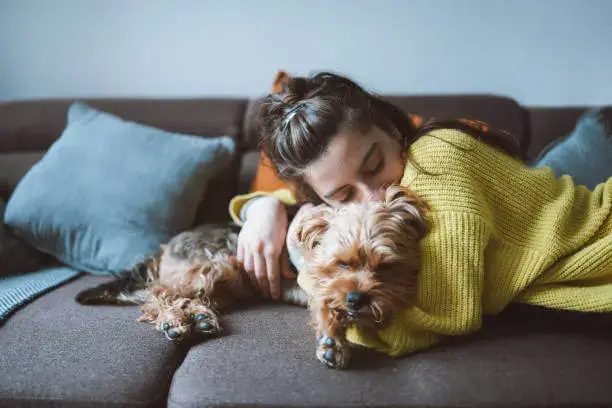
Now that you’ve understood stress signals and created a calm environment, it’s time to explore proven relaxation techniques. These strategies can be seamlessly integrated into your dog’s daily routine.
Gentle Massage and Touch Therapy
Massage is one of the most effective relaxation techniques for dogs. It reduces tension, promotes circulation, and strengthens the bond between you and your pet.
Shoulder, Neck, and Back Massage
- Use slow, circular motions on the shoulders and neck
- Avoid pressing too hard on sensitive areas
- End sessions with gentle petting and verbal praise
Avoid Overstimulation
- Limit sessions to 10–15 minutes initially
- Watch for signs of discomfort or stress
- Stop immediately if the dog resists
Using Calm, Steady Pressure
- Maintain relaxed hands and gentle touch
- Focus on areas where your dog enjoys contact
- Combine with soft, soothing words
Tip: Massage before or after walks or play sessions for maximum effect.
Controlled Breathing and Calm Presence
Dogs often mirror the energy of their owners. Practicing calm breathing can positively influence your dog’s emotional state.
- Mirror your dog’s breathing rhythm during relaxation sessions
- Maintain a relaxed posture and calm tone of voice
- Avoid sudden movements or loud commands
Highlight Tip: Even a few minutes of shared calm breathing can reduce cortisol levels and promote relaxation.
Interactive Toys and Mental Stimulation
Mental engagement is a powerful form of relaxation. Interactive toys redirect energy and reduce stress behaviors.
- Puzzle feeders: Encourage problem-solving and reward calm behavior
- Treat-dispensing toys: Provide stimulation without overstimulation
- Training games: Simple obedience exercises reinforce focus and confidence
Mini Case Study: Luna, a nervous terrier mix, was prone to chewing furniture when stressed. Introducing puzzle feeders during alone time kept her engaged and reduced destructive behaviors by 70%.
Integrating Techniques into Daily Life
Consistency is key. Combining environmental adjustments, massage, controlled breathing, and mental stimulation ensures that your relaxation techniques are effective.
Daily Routine Example:
- Morning: 5–10 minutes gentle massage + calm presence
- Midday: Short walk or puzzle toy session
- Evening: Quiet cuddle time + soothing music
- Throughout the day: Monitor stress signals and apply brief calming interventions
Highlight Tip: Keep sessions short but frequent. Dogs benefit more from regular, gentle interventions than long, infrequent sessions.
For more guidance on identifying stress, see dog stress signs at home.
Incorporating Exercise for Stress Relief
Exercise is one of the most effective natural relaxation techniques for dogs. Regular physical activity helps burn excess energy, reduces anxiety, and promotes emotional balance. Incorporating consistent exercise into your dog’s routine can complement massage, calming techniques, and mental stimulation strategies.
Daily Walks and Outdoor Time
- Structured walks: Walking your dog at consistent times each day provides physical activity and mental engagement. Choose routes that are quiet and safe to prevent additional stress.
- Off-leash time in safe areas: If possible, allow your dog to explore safely off-leash in fenced areas or dog parks. Supervised exploration enhances confidence and reduces fear-based behaviors.
- Observe body language: Watch for signs of fatigue or overstimulation such as heavy panting, drooling, or lagging behind. Adjust the intensity and duration of exercise accordingly.
Highlight Tip: Start with shorter walks and gradually increase duration. Many dogs benefit from multiple short walks rather than one long session, which can reduce stress more effectively.
Indoor Activities for Rainy Days
Not all exercise needs to happen outside. Indoor activities are excellent ways to maintain energy levels while implementing relaxation techniques.
- Fetch or tug-of-war: Play these games in safe spaces where your dog can move freely without risk.
- Scent games and hide-and-seek: Hide treats or toys around the house to engage your dog’s mind and encourage problem-solving.
- Short, frequent sessions: Keep indoor exercise brief but engaging to prevent boredom and stress.
Mini Case Study: Charlie, a Border Collie, showed signs of anxiety during rainy days when outdoor walks were canceled. Introducing scent games and short indoor fetch sessions kept him stimulated and reduced anxious behavior.
Training and Positive Reinforcement Techniques
Training is another cornerstone of relaxation techniques. Proper training not only teaches obedience but also provides structure, confidence, and a sense of security for your dog. Using reward-based methods encourages calm and relaxed behavior.
Reward-Based Training
- Positive reinforcement: Reward calm behavior with treats, praise, or toys. Avoid punishment-based methods, which can increase stress.
- Small, achievable steps: Break training into manageable tasks to prevent frustration or anxiety.
- Consistency is key: Train at the same times each day to create a predictable environment that supports relaxation.
Highlight Tip: Rewarding calm behavior in stressful situations (like vet visits or car rides) reinforces coping skills and reduces fear responses.
Crate Training for Comfort and Safety
Crate training can be a safe and effective way to reduce stress, provided it is done gradually and positively.
- Introduce crate gradually: Start by encouraging your dog to enter voluntarily, rewarding them with treats.
- Make the crate a positive space: Place bedding, toys, and chew items inside. Avoid using the crate as punishment.
- Use short intervals initially: Slowly increase time spent in the crate, monitoring your dog’s reactions for signs of anxiety.
Mini Case Study: Rocky, a young German Shepherd, initially resisted crate training and showed stress when confined. By gradually introducing the crate with treats and praise, Rocky began to view it as a safe haven, enhancing his daily relaxation routine.
Aromatherapy and Natural Remedies
Certain natural remedies can complement relaxation techniques and provide an extra layer of stress relief. While these are not substitutes for behavioral interventions, they can help enhance overall calmness when used safely.
Essential Oils and Calming Scents
- Lavender or chamomile: Both are commonly recommended for dog relaxation. Use diffusers or sprays in safe, well-ventilated areas.
- Avoid ingestion: Never allow your dog to consume essential oils directly.
- Monitor for allergies or sensitivities: Some dogs may react negatively; discontinue use if irritation occurs.
Highlight Tip: Introduce scents gradually and observe your dog’s behavior. If they seem agitated or attempt to leave the area, remove the source immediately.
Herbal Supplements and Natural Products
- Vet-approved calming chews: These often contain ingredients like L-theanine or melatonin that promote relaxation.
- Omega-3 fatty acids: Found in fish oil, these can help reduce inflammation and support emotional stability.
- Observe and adjust: Monitor your dog for side effects, and consult a veterinarian before starting any supplement.
Mini Case Study: Daisy, a high-strung Poodle, responded well to vet-approved calming chews combined with regular massage and short exercise sessions. Over a few weeks, her nervous behaviors decreased, demonstrating the effectiveness of combining relaxation techniques.
Integrating Exercise, Training, and Natural Remedies
Combining multiple relaxation techniques often yields the best results. Dogs respond well to a balanced approach that includes:
- Physical activity: Regular walks, off-leash play, and indoor exercise
- Mental engagement: Puzzle toys, scent games, and training exercises
- Calming interventions: Massage, controlled breathing, aromatherapy, and herbal supplements
Daily Routine Example:
- Morning: Gentle massage + brief walk
- Midday: Puzzle toy or treat-dispensing activity
- Evening: Training session with positive reinforcement
- Throughout the day: Apply aromatherapy or calming scents during stressful moments
Highlight Tip: Keep a checklist or journal to track your dog’s stress levels and responses to various techniques. This helps refine your approach and ensures the most effective relaxation routine.
Mini Case Study: Milo, an anxious Golden Retriever, benefited most when exercise, mental stimulation, and massage were combined daily. Using aromatherapy during evening relaxation sessions further enhanced his calm behavior, making him noticeably more confident and less reactive.
Socialization and Controlled Exposure
Socialization is an important aspect of relaxation techniques for dogs. Controlled exposure to new experiences, environments, and companions helps build confidence and reduces anxiety. Dogs who are gradually and positively socialized are more likely to remain calm in unfamiliar situations.
Gradual Introduction to New Environments
- Start slow: Introduce your dog to new places gradually, beginning with quiet areas.
- Observe reactions: Watch for signs of stress like tail tucking, pacing, or whining. Adjust exposure accordingly.
- Reward calm behavior: Praise and treats reinforce positive associations with new environments.
Highlight Tip: Avoid overwhelming your dog with multiple new experiences at once. Short, consistent exposure sessions work best.
Interaction with Other Dogs and Humans
- Supervised playdates: Introduce new dogs in controlled environments, such as fenced yards or doggy daycare with experienced staff.
- Recognize comfort levels: Some dogs may prefer observing from a distance before direct interaction.
- Avoid overstimulation: Limit the duration and intensity of interactions to prevent anxiety.
Mini Case Study: Benny, a shy Cocker Spaniel, initially became anxious when meeting new dogs at the park. By gradually introducing him to one calm dog at a time and rewarding relaxed behavior, Benny learned to enjoy social interactions without stress.
Daily Relaxation Checklist and FAQs
Maintaining a structured daily routine ensures that relaxation techniques are consistently applied. A checklist helps you track your dog’s well-being and respond promptly to signs of stress.
Daily Checklist for a Stress-Free Dog
- Morning Calm Session:
- Gentle massage or touch therapy
- Controlled breathing while sitting calmly with your dog
- Midday Mental Stimulation:
- Puzzle toys or treat-dispensing games
- Training sessions focused on basic commands with positive reinforcement
- Afternoon Exercise:
- Short walk or indoor fetch game
- Supervised play in a safe environment
- Evening Relaxation:
- Soothing music or aromatherapy (vet-approved scents)
- Cuddle or quiet bonding time
- Throughout the Day:
- Observe stress signals such as panting, pacing, or whining
- Apply mini interventions like gentle petting, quiet reassurance, or redirecting energy
Highlight Tip: Even small daily sessions of massage, mental stimulation, and controlled exposure accumulate into long-term stress relief.
Frequently Asked Questions
How long does it take for relaxation techniques to work?
- Results vary depending on your dog’s personality, age, and the intensity of stress.
- Many owners notice improvements within a few weeks of consistent practice.
- Persistent anxiety may require professional guidance from a certified dog behaviorist or veterinarian.
Can all dogs benefit from aromatherapy?
- Most dogs respond positively to gentle, dog-safe scents like lavender or chamomile.
- Always monitor your dog for adverse reactions and avoid ingesting essential oils.
- If issues persist, consult a licensed veterinarian before continuing use.
What if my dog resists touch therapy or massage?
- Start slowly with short sessions, rewarding calm behavior with treats or praise.
- Focus on areas your dog enjoys being touched, such as shoulders or chest.
- Consistency and patience are key; never force contact, as this can increase stress.
Mini Case Study: Rosie, a fearful Terrier, initially avoided massage sessions. Her owner began with 30-second gentle touches, gradually increasing to 10 minutes. Over several weeks, Rosie became calm and even sought massage sessions voluntarily.
Combining Techniques for Maximum Effect
A holistic approach that integrates multiple relaxation techniques produces the best results. Incorporate the following consistently:
- Physical Activity: Daily walks, off-leash play, and indoor exercise games
- Mental Stimulation: Puzzle toys, treat-dispensing toys, and positive training sessions
- Calming Interventions: Massage, controlled breathing, aromatherapy, and vet-approved supplements
- Socialization: Gradual exposure to new environments, dogs, and humans
Highlight Tip: Track your dog’s progress with a journal or mobile app. Note improvements, setbacks, and favorite relaxation activities. Over time, this data helps refine and optimize your approach.
Mini Case Study: Luna, a nervous Miniature Schnauzer, benefited most when exercise, mental stimulation, massage, and controlled socialization were combined daily. This integrated routine reduced her anxiety and made her more confident in new situations.
Conclusion
Helping your dog achieve a calm and stress-free state requires consistent care, attention, and the right combination of techniques. By understanding stress signals early, you can respond effectively and prevent long-term anxiety. Creating a peaceful environment, establishing predictable routines, and providing cozy spaces allows your dog to feel safe and secure. Regular physical activity, whether through daily walks, indoor games, or off-leash exploration, not only helps burn excess energy but also supports emotional balance and confidence.
Integrating mental stimulation, interactive toys, and training exercises reinforces positive behavior and keeps your dog engaged in a healthy, constructive way. Gentle massage, controlled breathing, and calm human presence provide immediate relaxation, helping your dog feel comforted and emotionally supported. Aromatherapy and safe, vet-approved natural supplements can further enhance relaxation, offering subtle aids that complement daily routines.
Socialization and controlled exposure are equally important. Gradually introducing your dog to new environments, people, and other pets in a positive, low-stress manner builds confidence and reduces fear responses. Observing and responding to your dog’s comfort levels ensures that these experiences remain beneficial rather than overwhelming.
By combining these strategies—environmental management, physical activity, mental stimulation, touch therapy, natural remedies, and socialization—you create a holistic approach that addresses both the physical and emotional needs of your dog. Over time, consistent practice not only reduces stress and anxiety but also strengthens your bond, fosters trust, and encourages a more relaxed, confident, and happy companion.
