

A daily Hygiene Checklist helps dog owners maintain cleanliness without turning care into a time-consuming or stressful task. When hygiene becomes a predictable habit, dogs stay more comfortable, owners notice issues earlier, and daily routines feel smoother.
This guide is designed to help beginner and intermediate dog owners build an easy, realistic Hygiene Checklist that fits into everyday life while supporting long-term health and emotional balance at home.
Why a Daily Hygiene Checklist Matters for Dogs
Daily hygiene is often misunderstood as something cosmetic or optional. In reality, a structured Hygiene Checklist supports comfort, prevents avoidable problems, and creates stability in a dog’s routine. Small daily actions matter more than occasional deep cleaning sessions.
A clear checklist removes uncertainty. Instead of guessing what to clean or check, owners follow a simple sequence that keeps care consistent and low-stress.
Hygiene as a Foundation of Daily Care
Daily hygiene supports multiple aspects of a dog’s well-being at once.
Preventing buildup through small daily actions
- Dirt, moisture, and debris accumulate faster than most owners realize
- Daily light cleaning prevents irritation before it starts
- Short actions reduce the need for intensive cleaning later
Even a 2–3 minute routine can significantly reduce discomfort over time.
How routine hygiene reduces long-term issues
- Prevents skin irritation caused by trapped moisture
- Reduces odor without harsh products
- Helps maintain natural protective barriers
Many professionals recommend frequent light care instead of infrequent aggressive cleaning.
Emotional Benefits of Predictable Hygiene Habits
Hygiene is not only physical. How care is performed directly affects emotional comfort.
Reducing anxiety through familiar routines
- Dogs feel safer when they know what comes next
- Predictable handling lowers resistance
- Calm routines reduce stress-related behaviors
Consistency teaches dogs that hygiene is part of normal life, not a disruptive event.
Building trust during daily handling
- Gentle daily touch strengthens bonding
- Dogs become more cooperative over time
- Trust improves tolerance for future care
Trust built through hygiene routines carries over into grooming, vet visits, and general handling.
Why Consistency Beats Occasional Deep Cleaning
Many owners rely on occasional intensive cleaning instead of daily habits. This approach often creates more stress.
Small habits vs infrequent intensive care
- Daily hygiene feels less intrusive
- Intensive cleaning often causes resistance
- Small habits are easier to maintain
Dogs adapt better to frequent light contact than rare prolonged sessions.
Lower stress for sensitive dogs
- Sensitive dogs benefit from predictability
- Reduced handling time lowers overstimulation
- Calm routines protect emotional balance
Consistency creates comfort. Comfort creates cooperation.
Understanding What Belongs on a Daily Hygiene Checklist
Not every hygiene task should be done daily. An effective Hygiene Checklist focuses on quick, low-impact actions that support cleanliness without disrupting natural balance. Knowing what to include—and what to skip—prevents overcleaning.
Tasks Suitable for Daily Hygiene
Daily tasks should be simple, fast, and gentle.
Visual checks vs hands-on cleaning
- Visual checks identify issues without touching
- Hands-on cleaning should be minimal
- Observation is as important as action
Daily hygiene often starts with noticing rather than cleaning.
Hygiene tasks that take under five minutes
- Quick paw checks after walks
- Light coat scan during petting
- Eye and mouth area awareness
If a task takes too long, it likely does not belong in a daily routine.
Tasks That Do Not Belong in Daily Care
Doing too much can be as harmful as doing too little.
Overcleaning risks
- Stripping natural oils
- Increased sensitivity
- Behavioral resistance
Overcleaning often leads to recurring problems instead of preventing them.
Signs you are doing too much
- Dog avoids hygiene time
- Skin appears dry or irritated
- Increased restlessness during care
A good Hygiene Checklist supports balance, not perfection.
Adapting the Checklist to Your Dog
Every dog is different. A checklist should reflect individual needs.
Age, coat type, and activity level
- Active dogs need more paw attention
- Long coats require more visual scanning
- Seniors benefit from gentler routines
No checklist should be copied blindly from another dog.
Indoor vs outdoor lifestyle
- Indoor dogs still collect dust and debris
- Outdoor dogs need more frequent checks
- Lifestyle affects hygiene priorities
Customization keeps routines realistic and effective.
Creating a Stress-Free Daily Hygiene Checklist at Home
The success of a Hygiene Checklist depends on how it is introduced and maintained. Calm timing, gentle handling, and predictability are essential for long-term success.
Choosing the Right Time of Day
Timing affects cooperation more than technique.
Hygiene during calm moments
- After meals
- During quiet bonding time
- Before bedtime
Calm moments reduce resistance and increase tolerance.
Avoiding high-energy periods
- Immediately after play
- During excitement
- When the dog is overstimulated
Trying to clean during high energy often leads to frustration for both owner and dog.
Gentle Handling Techniques
How you touch your dog matters.
Touch without restraint
- Avoid holding tightly
- Use slow, predictable movements
- Let the dog reposition if needed
Restraint increases stress and reduces cooperation.
Reading comfort signals
- Relaxed posture
- Willing eye contact
- Steady breathing
Pause immediately if discomfort appears.
Keeping Hygiene Predictable
Predictability reduces anxiety.
Same order, same routine
- Start and finish the same way
- Follow the same sequence
- Keep duration consistent
Dogs learn routines quickly when patterns stay the same.
Why predictability reduces resistance
- No surprises
- Clear expectations
- Faster adaptation
Routine turns hygiene into habit.
Practical Tips for Making Hygiene Feel Normal
Use simple strategies to blend hygiene into daily life:
- Combine hygiene with affection
- Speak calmly and consistently
- End with a positive interaction
Hygiene should never feel like punishment or correction.
Mini Case Example: Daily Hygiene Without Stress
A busy owner struggled with a dog that resisted cleaning. By shifting hygiene to a calm evening routine and limiting actions to two minutes, resistance gradually disappeared. Over time, the dog began approaching voluntarily, showing how predictability transforms behavior.
Common Mistakes That Undermine a Hygiene Checklist
Avoid these common errors:
- Adding too many tasks at once
- Changing routines frequently
- Ignoring emotional cues
A checklist should simplify care, not complicate it.
When Hygiene Reveals Bigger Patterns
Daily routines often highlight broader health or behavior patterns. Observing these connections helps owners respond earlier and more effectively. Building hygiene habits also supports other daily wellness practices explained in this guide on healthy dog habits at home.
Key Takeaways for Daily Hygiene Success
- Keep routines short and calm
- Focus on consistency over intensity
- Adjust based on your dog’s response
A well-designed Hygiene Checklist protects comfort, supports trust, and makes daily care easier for everyone.
Core Daily Hygiene Tasks Every Dog Owner Should Track
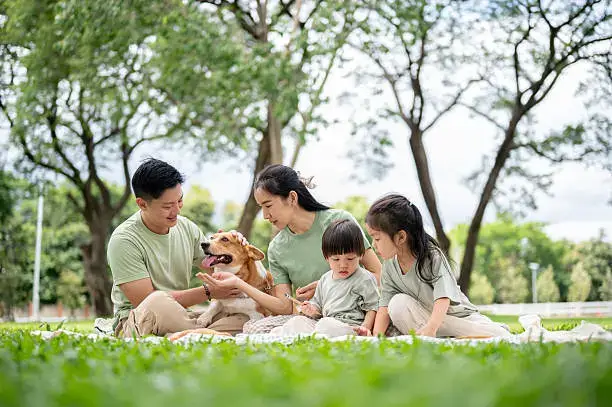
A well-designed Hygiene Checklist focuses on small, repeatable actions that prevent problems instead of reacting to them. These core daily tasks are not about deep cleaning. They are about awareness, light maintenance, and comfort.
When tracked consistently, these actions reduce buildup, lower stress, and make dogs more receptive to care over time.
Coat and Skin Awareness
The coat and skin act as the first barrier against environmental exposure. Daily awareness keeps this barrier functioning properly.
Quick coat scan
A quick scan can be done during normal petting.
- Run your hands lightly along the body
- Notice texture changes or unusual roughness
- Observe shedding patterns without pulling or brushing
This step takes under 30 seconds and often reveals early signs of imbalance.
Noticing texture changes
Texture tells more than appearance.
- Dry or brittle feel
- Oily residue on hands
- Uneven softness across areas
These signals guide whether adjustments are needed in routine, not immediate correction.
Paw and Pad Cleanliness
Paws interact directly with the environment and deserve daily attention on any Hygiene Checklist.
Removing debris safely
After walks, check paws briefly.
- Remove visible dirt or small debris
- Avoid digging between toes
- Use dry wiping unless visibly soiled
Gentle removal prevents irritation without overcleaning.
Checking for sensitivity
Sensitivity often shows before injury.
- Flinching during touch
- Pulling paw away
- Licking immediately after contact
Repeated sensitivity in the same area deserves closer observation.
Face and Mouth Area Awareness
Daily hygiene includes awareness, not scrubbing.
Eyes and facial folds
- Check for buildup at corners of eyes
- Notice redness or irritation
- Wipe only when necessary
Overcleaning this area often causes more issues than it prevents.
Mouth and lip area
- Observe for trapped moisture
- Lightly wipe visible residue
- Avoid forcing mouth open
Comfort and cooperation matter more than thoroughness.
Why These Core Tasks Matter
Daily core tasks:
- Reduce long-term buildup
- Lower infection risk
- Improve comfort and cooperation
Many professionals emphasize that daily hygiene works best when it is light, calm, and consistent rather than intensive.
Using a Hygiene Checklist to Support Health Monitoring
A Hygiene Checklist is not just about cleanliness. It doubles as an early detection system that helps owners notice physical and behavioral changes before they escalate.
Daily hygiene moments create natural opportunities for observation.
Spotting Early Physical Changes
Small physical changes are easier to notice during routine care than during occasional inspections.
Subtle signs owners often miss
- Slight swelling in one area
- Persistent moisture in folds
- Mild redness that appears repeatedly
Daily awareness makes these changes stand out clearly.
Patterns vs one-time changes
- One-time changes often resolve on their own
- Repeated changes indicate imbalance
- Location consistency matters more than severity
Tracking patterns prevents unnecessary worry and overreaction.
Linking Hygiene to Behavior
Behavior provides context for physical signals.
Avoidance during care
- Turning head away
- Shifting body position
- Increased tension
Avoidance often signals discomfort, not defiance.
Increased sensitivity signals
- Sudden restlessness
- Vocalization during touch
- Reduced tolerance over time
These cues suggest the need to reassess routine rather than push through it.
Hygiene as a Daily Check-In
Think of hygiene time as a daily check-in rather than a task.
- Is your dog relaxed today?
- Does touch feel welcome or avoided?
- Are routines flowing smoothly?
Answers to these questions guide adjustments naturally.
Mini Case Example: Early Detection Through Routine
An owner noticed mild paw sensitivity during daily wiping. Over several days, the same paw showed avoidance. By adjusting walking routes and reducing exposure to rough surfaces, sensitivity resolved without further intervention.
This highlights how Hygiene Checklist routines support proactive care.
When Monitoring Should Trigger Action
Observation alone is sometimes not enough.
- Changes that worsen over time
- Sensitivity affecting daily movement
- Hygiene-related discomfort that persists
Avoiding Over-Monitoring
Monitoring should never become obsessive.
- Avoid repeated checking of the same area
- Trust trends over single observations
- Maintain calm, neutral handling
Balance keeps hygiene helpful instead of stressful.
Adjusting the Hygiene Checklist Across Life Stages
Dogs change throughout life, and a Hygiene Checklist should adapt accordingly. What works for a puppy may not suit a senior dog.
Flexibility supports comfort and cooperation at every stage.
Puppies and Habit Formation
Puppy hygiene is about learning, not perfection.
Short, positive hygiene exposure
- Limit sessions to seconds, not minutes
- Pair hygiene with calm praise
- End before resistance appears
Positive early experiences shape long-term acceptance.
Preventing fear responses
- Avoid restraint
- Use gentle, predictable touch
- Never rush hygiene
Fear-free hygiene builds trust and confidence.
Adult and Senior Hygiene Priorities
As dogs mature, comfort becomes the priority.
Comfort-focused care
- Lighter pressure during touch
- Slower movements
- More observation, less action
Comfort improves cooperation and reduces stress.
Reduced tolerance considerations
- Seniors may tire faster
- Sensitivity may increase
- Sessions should be shorter
Adapting duration matters more than frequency.
Life Stage Transition Signals
Signs your Hygiene Checklist needs adjustment:
- Increased avoidance
- Slower recovery after walks
- Changes in posture during care
Respond by simplifying routines rather than adding steps.
Balancing Hygiene and Quality of Life
Hygiene should support daily comfort, not dominate it.
- Skip non-essential tasks on difficult days
- Prioritize emotional well-being
- Maintain predictability even when simplifying
Many professionals recommend flexibility over rigid routines.
Key Takeaways for Life-Stage Hygiene
- Puppies need positivity and brevity
- Adults thrive on consistency
- Seniors benefit from gentleness
Across all stages, a thoughtful Hygiene Checklist evolves with your dog.
Building a Sustainable Hygiene Checklist for Busy Owners
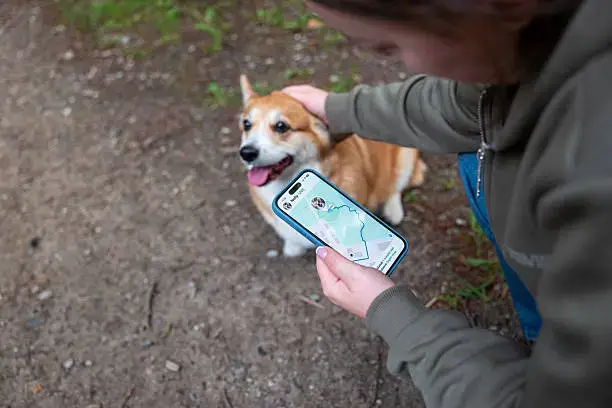
A Hygiene Checklist only works when it fits real life. Many dog owners start with good intentions but abandon routines because they feel overwhelming or unrealistic. Sustainability is what turns daily hygiene from a chore into a habit that supports long-term comfort and health.
The key is designing a checklist that adapts to your schedule, energy level, and your dog’s tolerance—without sacrificing consistency.
Keeping the Checklist Short
Short routines are easier to maintain and less stressful for dogs.
What can be skipped occasionally
Not every task must be completed every single day.
- Deep cleaning steps
- Non-essential cosmetic grooming
- Rechecking areas that showed no change
Skipping occasionally is better than quitting entirely.
Minimum effective hygiene habits
A sustainable Hygiene Checklist focuses on essentials.
- Brief visual scan
- Light paw awareness
- Comfort and behavior check
If time is limited, these steps are enough to maintain baseline hygiene.
Making Hygiene Part of Existing Routines
Hygiene becomes effortless when paired with habits you already have.
Pairing hygiene with feeding or walks
- Paw checks after walks
- Coat scan during calm feeding time
- Face awareness during evening bonding
This approach eliminates the need to “find extra time.”
Habit stacking for consistency
- Same time, same place, same order
- Hygiene follows an existing cue
- Less mental effort required
Habit stacking is one of the most effective ways to maintain consistency long term.
Managing Hygiene on Busy or Difficult Days
Some days are simply harder than others.
- Dogs may be tired or overstimulated
- Owners may lack time or energy
- Routines may be disrupted
On these days:
- Shorten the routine
- Focus on observation only
- Resume full routine the next day
Consistency over time matters more than perfection every day.
Creating a Low-Stress Hygiene Environment
Environment influences cooperation.
- Choose quiet, familiar areas
- Avoid distractions
- Keep tools within reach
A calm environment reduces resistance and speeds up routines.
Tools That Support Sustainability
Simple tools work best.
- Soft cloths
- Towels for paws
- Natural lighting
Avoid introducing tools that make hygiene feel clinical or intimidating.
Mini Case Example: Hygiene for a Busy Household
A working owner struggled to maintain daily care. By pairing a 60-second hygiene routine with evening feeding, consistency improved immediately. Over time, the dog began relaxing during hygiene moments, showing that simplicity supports sustainability.
Signs Your Hygiene Checklist Is Too Complicated
Watch for these indicators:
- Frequent skipped days
- Dog avoidance behaviors
- Owner frustration
When these appear, simplify rather than add steps.
Long-Term Benefits of a Sustainable Routine
A realistic Hygiene Checklist:
- Reduces long-term health risks
- Improves cooperation
- Supports emotional balance
Sustainability ensures hygiene remains helpful instead of stressful.
Daily Hygiene Checklist FAQs and Practical Checklist
This section answers common questions and provides a clear, practical daily Hygiene Checklist that owners can follow without pressure.
Frequently Asked Questions
How long should a daily hygiene routine take?
Most effective routines take between one and five minutes. A Hygiene Checklist should never feel like a separate task. When hygiene blends naturally into daily life, consistency becomes effortless.
Can daily hygiene cause stress if done incorrectly?
Yes. Rushing, restraining, or overcleaning can create anxiety. Hygiene should always feel calm and predictable. If stress appears, shorten the routine and focus on observation.
Is it okay to skip hygiene occasionally?
Occasional skipping is normal. What matters is returning to the routine. A missed day does not undo progress, but repeated inconsistency does.
Does every dog need the same checklist?
No. A Hygiene Checklist should reflect your dog’s age, activity level, and tolerance. Customization improves cooperation and long-term success.
When should hygiene observations raise concern?
Repeated sensitivity, worsening discomfort, or changes that affect daily behavior should prompt further attention. Educational veterinary resources such as those from VCA Animal Hospitals help owners understand when professional guidance may be appropriate.
Simple Daily Hygiene Checklist
Use this checklist as a guide, not a rigid rulebook.
Visual checks
- Coat appearance
- Eye and mouth area
- Overall posture and comfort
Visual awareness often reveals changes early.
Light cleaning actions
- Quick paw wipe if needed
- Remove visible debris
- Dry moisture-prone areas
Cleaning should be minimal and purposeful.
Touch-based awareness
- Temperature differences
- Sensitivity signals
- Muscle tension
Hands provide valuable information without stress.
Comfort and Behavior Cues to Monitor
Behavior often explains physical changes.
- Avoidance during touch
- Increased licking or scratching
- Restlessness during calm periods
Behavioral cues add context to hygiene observations.
Weekly Reflection Prompt
Once a week, ask yourself:
- Did any area show repeated change?
- Did routines shift recently?
- Did comfort improve or decline?
Reflection prevents overreaction and supports smarter adjustments.
Monthly Pattern Review
Monthly reviews help identify trends.
- Recurring hygiene concerns
- Improvement after routine changes
- Correlation with lifestyle shifts
Many professionals recommend monthly pattern review to support proactive care.
Balancing Hygiene and Emotional Well-Being
Hygiene should support trust, not damage it.
- End routines on a positive note
- Respect boundaries
- Prioritize calm over completion
Emotional comfort is part of hygiene success.
When the Checklist Needs Adjustment
Adjust routines when you notice:
- Increased resistance
- Shorter tolerance
- Changes in physical ability
Simplifying often restores cooperation faster than adding steps.
Final Practical Tips for Daily Success
- Keep routines predictable
- Stay flexible when needed
- Focus on patterns, not perfection
A well-designed Hygiene Checklist becomes second nature over time.
Closing Perspective
Daily hygiene does not need to be complicated to be effective. When routines are short, calm, and consistent, they support cleanliness, comfort, and emotional stability. By building habits that fit real life and respecting your dog’s signals, a Hygiene Checklist becomes a quiet but powerful part of everyday care.
Conclusion
A consistent daily hygiene routine does more than keep your home clean—it plays a key role in supporting a dog’s physical comfort, emotional balance, and long-term well-being. When each step is followed regularly and with intention, a Hygiene Checklist becomes a practical tool for spotting early issues, reducing health risks, and maintaining everyday comfort. Many pet care professionals agree that structured daily hygiene habits help dogs feel safer, calmer, and healthier, creating a strong foundation for positive behavior and a better quality of life at home.
