

Proper hydration is one of the most crucial factors in maintaining your dog’s overall health, energy, and wellbeing. Despite its importance, many dogs do not drink enough water, which can lead to dehydration, urinary issues, and other health problems. Implementing practical hydration tips ensures your dog stays properly hydrated, supports healthy digestion, and maintains optimal body function. Whether you have a playful puppy, an active adult, or a senior dog, these proven strategies make water intake stress-free and enjoyable, helping your furry friend thrive every day.
Why Proper Hydration Matters
Water is essential for nearly every biological process in dogs. Understanding its role and the risks of inadequate intake can help you implement effective hydration tips.
Health Benefits of Staying Hydrated
Kidney and Urinary Health
- Adequate water prevents urinary tract infections and kidney stones
- Helps flush toxins and waste products from the body
- Supports normal urine production and consistency
Digestive Support
- Assists in breaking down food for nutrient absorption
- Prevents constipation by maintaining smooth digestive function
- Promotes overall gastrointestinal comfort
Joint and Muscle Function
- Hydration lubricates joints, aiding mobility
- Prevents muscle fatigue during exercise
- Supports recovery after activity or training sessions
Behavioral and Cognitive Effects
Improved Energy and Focus
- Proper hydration enhances alertness and playfulness
- Dehydrated dogs may show lethargy or irritability
Reducing Irritability and Lethargy
- Regular water intake stabilizes mood and temperament
- Encourages participation in training and social interactions
Common Signs of Dehydration
Dry Gums and Nose
- Sticky or tacky gums indicate insufficient hydration
- Dry nose can be a subtle sign to monitor
Loss of Appetite
- Dehydrated dogs may refuse meals
- Combined with lethargy, this is a warning to intervene
Reduced Urination
- Infrequent urination or concentrated urine suggests inadequate water intake
- May require veterinary consultation if persistent
Factors Affecting Water Intake
Dogs’ water needs vary based on multiple factors, including age, breed, activity, and environment. Recognizing these influences is key to applying effective hydration tips.
Age and Life Stage
Puppies
- High water demand due to rapid growth
- Small, frequent drinks throughout the day support digestion
- May require encouragement to drink consistently
Adults
- Balanced intake supports energy levels and metabolic function
- Typically drink more if diet includes dry kibble
- Adjust drinking frequency based on activity
Seniors
- Slower metabolism can reduce natural thirst signals
- Monitor water intake closely to prevent dehydration
- Use fountains or easy-access bowls to encourage drinking
Breed and Size Considerations
Small Breeds
- Higher metabolism requires regular water intake
- Small bowl size or shallow dishes may be preferable
Medium Breeds
- Moderate intake needs, often consistent with daily feeding schedule
- Adjust based on activity and environment
Large Breeds
- Greater total water volume required
- Elevated or multiple bowls may be necessary to ensure accessibility
Activity Level and Environment
Sedentary vs. Active Dogs
- Active dogs need more water, especially after exercise
- Sedentary dogs may drink less naturally but still require hydration
Hot vs. Cool Climates
- Warm temperatures increase thirst and water needs
- Cold weather may reduce visible drinking, but hydration remains essential
Indoor vs. Outdoor Lifestyles
- Outdoor dogs may access multiple water sources; monitor for contamination
- Indoor dogs rely on consistent bowl access
Practical Tools to Encourage Drinking
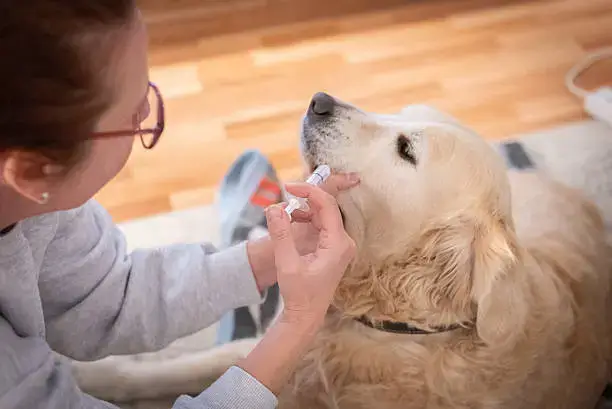
Implementing the right tools and techniques makes hydration tips more effective and encourages consistent water intake.
Types of Water Bowls
Stainless Steel and Ceramic
- Durable, easy to clean, and non-toxic
- Avoid plastic, which can harbor bacteria or odors
Elevated Bowls
- Helps large breeds or senior dogs drink comfortably
- Reduces neck strain and encourages proper posture
Automatic Water Fountains
- Continuous flowing water attracts dogs to drink
- Keeps water fresh and filtered, increasing appeal
Flavoring and Food-Based Hydration
Adding Broth or Water to Meals
- Mix low-sodium broth with kibble to increase water intake
- Provides extra hydration while enhancing flavor
Ice Cubes as Treats
- Fun way to encourage drinking, especially in warm weather
- Can include frozen fruit for added nutrients
Tracking Water Intake
Using Measuring Cups
- Measure daily water to ensure adequate intake
- Helps monitor trends and adjust accordingly
Apps and Logs
- Record drinking frequency and amounts
- Identify patterns or changes that may indicate health issues
For guidance on integrating hydration into feeding routines, see Dog Feeding at Home.
Highlighted Tips for Easy Reading
- Tip 1: Place multiple water bowls around the home for accessibility
- Tip 2: Keep water fresh and clean, replacing it daily
- Tip 3: Encourage drinking with interactive toys or ice cubes
- Tip 4: Monitor signs of dehydration and adjust water availability
- Tip 5: Track intake using logs or apps to maintain consistency
Hydration Strategies for Special Needs
Dogs with specific health concerns or older age often require tailored hydration tips to stay healthy. Proper strategies can prevent dehydration and support overall wellness.
Overweight or Underweight Dogs
Adjusting Water Intake According to Diet
- Overweight dogs may consume less water if fed wet food
- Underweight dogs may need extra hydration, especially with dry kibble
- Gradually introduce water-rich meals to support weight management
Encouraging Drinking Through Meal Preparation
- Add low-sodium broth or water to dry food
- Freeze small portions of wet food for treats that provide hydration
- Monitor consumption to ensure the dog is drinking enough daily
Dogs with Medical Conditions
Kidney or Urinary Issues
- Increased water intake helps flush the urinary tract
- Use fountains or elevated bowls to encourage drinking
- Always consult a veterinarian before adjusting water intake
Diabetes and Hydration
- Dogs with diabetes may drink excessively or insufficiently
- Track drinking frequency and volume carefully
- Monitor for signs of dehydration or overhydration
Senior Dogs
Frequent Small Water Breaks
- Older dogs may forget to drink regularly
- Offer multiple water stations in accessible areas
- Encourage sipping throughout the day rather than large amounts at once
Using Water Fountains to Stimulate Drinking
- Flowing water attracts dogs who may not drink from still bowls
- Keeps water fresh, filtered, and more appealing
Creating a Hydration-Friendly Environment
Your dog’s surroundings can greatly influence their willingness to drink. Establishing a hydration-friendly environment is key to effective hydration tips.
Accessible Water Stations
Multiple Bowls Around the House
- Place bowls in different rooms to encourage drinking
- Ensure accessibility for puppies, seniors, or arthritic dogs
Outdoor Access During Hot Days
- Fresh water outside during summer prevents overheating
- Use shaded areas to keep water cool and safe
Temperature and Water Quality
Cool, Fresh Water
- Dogs prefer cool water over room temperature
- Helps regulate body temperature, especially in warm climates
Clean Bowls Daily
- Bacteria build-up can deter drinking
- Stainless steel or ceramic bowls are easiest to clean and maintain
Interactive Techniques
Water Toys and Ice Cubes
- Make drinking engaging with floating toys or ice cubes
- Great for active dogs or those reluctant to drink
Incorporating Drinking in Playtime
- Reward drinking after exercise or training sessions
- Use positive reinforcement to associate water intake with fun
Monitoring and Adjusting Water Intake
Regular observation and adjustment are essential for maintaining proper hydration and applying practical hydration tips.
Daily Observation
Check Water Bowl Levels
- Refill bowls multiple times per day
- Observe if your dog is drinking less than usual
Note Drinking Frequency
- Track how often and how much your dog drinks
- Identify any sudden decreases or increases in water intake
Tracking Hydration
Logs or Apps for Consistency
- Record water intake daily to spot trends
- Adjust feeding methods, treats, or water availability accordingly
Adjusting for Exercise and Weather
- Active dogs or hot days increase water requirements
- Ensure bowls are accessible before and after physical activity
Consulting Professionals
When to Contact a Vet
- Signs of dehydration such as lethargy, dry gums, or concentrated urine
- Sudden changes in drinking behavior or health conditions
Signs Requiring Immediate Attention
- Persistent vomiting or diarrhea combined with low water intake
- Severe lethargy, confusion, or collapse
Highlighted Tips for Easy Reading
- Tip 1: Provide multiple water stations in accessible locations
- Tip 2: Use flowing water or fountains to encourage reluctant drinkers
- Tip 3: Monitor water intake daily and log trends for proactive adjustments
- Tip 4: Incorporate hydration into meals using water-rich foods or broth
- Tip 5: Adjust water availability based on activity, weather, and health status
Encouraging Hydration Through Feeding Techniques

Integrating water into your dog’s meals and snacks is one of the most effective hydration tips. Making hydration part of daily feeding routines ensures your dog drinks enough water without stress.
Water-Rich Foods
Wet Dog Food
- Contains high water content (up to 70–80%)
- Ideal for dogs reluctant to drink plain water
- Mix with dry kibble for balanced meals
Fruits and Vegetables
- Safe options include cucumber, watermelon, and blueberries
- Serve in small, manageable portions to avoid digestive upset
- Adds vitamins, minerals, and hydration simultaneously
Meal Preparation Tips
Adding Water or Broth to Dry Kibble
- Encourages drinking by softening kibble and making it more palatable
- Use low-sodium broth to avoid excess salt intake
- Gradually increase liquid content if dog accepts it well
Using Frozen Treats for Hydration
- Freeze broth, wet food, or water with dog-safe fruits
- Provides a refreshing treat, especially in hot weather
- Slows down fast eaters while boosting hydration
Reward-Based Drinking
Positive Reinforcement
- Praise and treats after drinking encourage repeated behavior
- Use calm, encouraging tone to associate drinking with positive experiences
Hand-Feeding Water in Training
- Offer small amounts by hand during training or bonding sessions
- Effective for shy or reluctant dogs
FAQs and Daily Hydration Checklist
Providing clear answers to common questions and a structured routine ensures consistent hydration for your dog.
FAQ
How much water should my dog drink daily?
- General rule: 1 ounce of water per pound of body weight
- Puppies and active dogs may require more
What are the signs of mild dehydration?
- Sticky gums, dry nose, lethargy, reduced urination
- Mild dehydration can often be corrected at home with increased water access
Can flavored water or broth be safe?
- Yes, low-sodium broth or water mixed with natural flavors is safe
- Avoid artificial sweeteners, onion, or garlic
How do I motivate a reluctant drinker?
- Use interactive bowls, fountains, or frozen treats
- Incorporate water into meals or snacks
- Positive reinforcement encourages consistent drinking
Daily Hydration Checklist
Morning
- Refill water bowls and ensure access is convenient
- Observe initial drinking behavior
- Note any signs of dehydration
Midday
- Encourage drinking after walks or play sessions
- Offer small water-rich snacks or ice cubes
- Track water intake in a log
Evening
- Refill bowls and ensure freshness
- Pre-portion water for puppies or senior dogs if needed
- Observe overall daily consumption
Weekly
- Weigh your dog and monitor body condition
- Adjust water and food intake based on activity and environmental changes
- Schedule vet consultation if intake drops significantly
Maintaining Long-Term Success with Hydration Tips
Consistency is Key
- Feed and offer water at regular times to regulate intake
- Avoid overcorrection if dog drinks excessively in short periods
Monitor Progress
- Keep logs of drinking habits, weight, and activity
- Adjust portions, feeding methods, or environmental factors gradually
Professional Support
- Regular veterinary check-ups help detect underlying health issues
- Consult professionals if dehydration persists or changes occur suddenly
Real-Life Example
- A senior Golden Retriever remained hydrated through a combination of wet food, ice cube treats, and an elevated fountain
- Weekly logs tracked intake, and minor adjustments kept the dog energetic and healthy
Final Summary: Practical and Proven Hydration Tips for Dogs
Maintaining proper hydration is essential for your dog’s health, energy, and overall wellbeing. Across all three parts of this guide, we’ve explored practical, stress-free strategies that make drinking water easier and more appealing, while supporting kidney function, digestion, and daily activity. Implementing these hydration tips helps prevent dehydration, supports healthy habits, and ensures your dog remains active and happy.
Key Takeaways
- Measure Water Intake: Track how much your dog drinks daily using measuring cups or logs to ensure adequate hydration.
- Offer Fresh, Clean Water: Replace bowls daily and consider flowing water or fountains to encourage drinking.
- Use Water-Rich Foods: Wet dog food, fruits, and vegetables increase fluid intake naturally.
- Interactive Hydration: Ice cubes, frozen treats, and water toys make drinking fun and engaging.
- Adjust for Age, Breed, and Health: Puppies, seniors, and dogs with medical conditions may need special attention.
- Create Multiple Water Stations: Ensure water is accessible in different rooms and outdoors.
- Monitor Signs of Dehydration: Watch for dry gums, lethargy, reduced urination, or changes in appetite.
- Incorporate Positive Reinforcement: Reward drinking to encourage regular water consumption.
- Track and Adjust: Maintain logs and adjust water availability based on activity, weather, and health.
- Seek Professional Advice: Veterinarians provide breed-specific recommendations and monitor hydration in special cases.
