

Maintaining healthy gums is crucial for your dog’s overall well-being. Incorporating Gum Health Tips into daily care prevents gum disease, reduces bad breath, and promotes strong teeth. Healthy gums not only improve comfort during eating and chewing but also play a key role in preventing infections that could affect your dog’s heart, kidneys, or other organs. This guide provides actionable strategies, step-by-step routines, and real-life case studies to help owners ensure their dogs maintain optimal gum health every day.
Understanding Gum Health
Gum health is often overlooked, yet it is a cornerstone of your dog’s overall health. Knowing the importance of Gum Health Tips helps owners commit to consistent daily care.
Common Gum Problems in Dogs
- Gingivitis: Early gum inflammation, often indicated by redness and swelling.
- Periodontitis: Advanced gum disease affecting tooth roots and jawbone.
- Plaque and Tartar Accumulation: Leads to odor and potential tooth loss.
Signs Your Dog’s Gums Need Attention
- Persistent bad breath that brushing alone does not fix.
- Red, swollen, or bleeding gums.
- Difficulty eating or chewing.
- Excessive drooling or pawing at the mouth.
Early Detection Strategies
- Inspect your dog’s gums daily using a gentle lift of the lips.
- Use a small flashlight to check for color changes or lesions.
- Regular photos can help track subtle changes over time.
Veterinary Advice on Gum Health
- Many veterinarians recommend starting daily brushing as early as puppyhood.
- Professional dental checkups at least once a year complement home care.
- Certain breeds, like small toy dogs, are prone to gum problems and may require extra attention.
Internal Link: For tips on general dental care routines, see Dog Dental Care at Home.
Daily Oral Hygiene Practices
Daily oral hygiene is essential for maintaining healthy gums. Implementing Gum Health Tips in a structured routine reduces the risk of disease and promotes comfort.
Brushing Techniques for Healthy Gums
- Start with short, gentle sessions to acclimate your dog.
- Focus on the gum line where plaque tends to accumulate.
- Use soft, circular motions and avoid aggressive scrubbing.
- Gradually increase brushing time to 1–2 minutes per session.
Safe Dog Toothpaste Options
- Only use dog-formulated toothpaste; human toothpaste can be toxic.
- Flavored options like poultry or peanut butter can increase compliance.
- Gel pastes allow easier application and coat the teeth evenly.
Supplementary Oral Care Products
- Dental chews and toys encourage chewing that helps remove plaque.
- Water additives with vet-approved ingredients support oral health on non-brushing days.
- Rotate products to maintain engagement and prevent boredom.
Avoiding Harmful Products
- Avoid hard bones or objects that can fracture teeth.
- Human mouthwashes and toothpaste are unsafe.
- Scented or flavored non-dental products may irritate gums.
Mini Case Study: A small Poodle initially resisted brushing. Using short sessions with a poultry-flavored toothpaste and finger brush, the dog adapted over two weeks. Daily brushing became stress-free, and gum redness significantly improved.
Diet and Nutrition for Gum Health
Nutrition directly impacts gum strength and resilience. A balanced diet supports the effectiveness of Gum Health Tips and reduces inflammation.
Foods That Promote Gum Strength
- Dry kibble encourages natural scraping action against teeth.
- Raw vegetables like carrots or celery provide crunch and help clean teeth.
- Enzyme-enhanced foods assist in controlling bacterial buildup.
Nutritional Supplements
- Omega-3 fatty acids reduce inflammation and support overall gum health.
- Vitamins C and E contribute to tissue repair and immunity.
- Discuss supplements with your veterinarian to tailor to your dog’s needs.
Foods to Avoid for Gum Health
- Sugary treats increase the risk of plaque formation.
- Sticky foods can adhere to teeth and exacerbate tartar buildup.
- Human junk food may negatively affect oral health.
Monitoring Nutritional Impact
- Observe changes in gum color, texture, and bleeding tendencies.
- Note changes in chewing behavior or reluctance to eat certain foods.
- Adjust diet gradually to avoid gastrointestinal upset.
Mini Case Study: A middle-aged Beagle with early gum inflammation switched to a diet with enzyme-rich kibble and added carrot chews. Within four weeks, gum redness reduced, and plaque accumulation was minimized.
Behavioral Strategies to Support Gum Health

Maintaining Gum Health Tips goes beyond brushing and diet. Your dog’s behavior plays a key role in ensuring consistent care. Positive reinforcement and gradual acclimation make daily oral hygiene stress-free.
Rewarding Calm Behavior During Brushing
- Start by rewarding your dog for allowing their mouth to be touched.
- Use small treats immediately after brushing to reinforce calm behavior.
- Pair brushing with praise and gentle petting to create a positive association.
Creating Positive Associations
- Introduce dental tools as toys before using them for brushing.
- Allow sniffing and licking toothpaste samples to reduce apprehension.
- Gradually increase brushing duration as your dog becomes comfortable.
Gradual Acclimation Steps
- Begin with a single tooth or small section of gums.
- Slowly add more teeth and extend the session over days or weeks.
- Monitor stress signals: yawning, lip licking, or turning away.
Case Study: Successful Behavioral Training
A Yorkie initially resisted brushing. The owner used short sessions with treats and praise. Within three weeks, the dog tolerated full 2-minute brushing sessions daily, demonstrating the effectiveness of gradual acclimation and positive reinforcement.
Advanced Care Techniques
Even with consistent home care, some dogs may require advanced strategies to maintain Gum Health Tips effectively.
Professional Dental Cleanings

- Recommended at least once a year for most dogs; more often for small breeds.
- Professional cleaning removes plaque and tartar beyond the reach of home brushing.
- Your veterinarian may recommend anesthesia for thorough cleaning.
Therapeutic Rinses and Gels
- Antimicrobial rinses reduce bacterial growth and inflammation.
- Gels can coat gums and teeth, providing longer-lasting protection.
- Use only veterinarian-approved products to ensure safety.
Frequency and Safety
- Follow manufacturer or veterinary guidelines for application frequency.
- Monitor for adverse reactions like excessive drooling or oral irritation.
- Stop use immediately and consult your vet if any reaction occurs.
Signs Professional Care is Needed
- Persistent bad breath despite home care.
- Bleeding gums or loose teeth.
- Visible tartar that does not improve with brushing.
Mini Case Study: A senior Shih Tzu with chronic gum inflammation required professional cleaning and antimicrobial gel application. Daily brushing plus gel use at home maintained gum health and significantly reduced inflammation over two months.
Outbound Link: For expert recommendations, see American Veterinary Dental Society – Canine Gum Care.
Integrating Gum Health Into Daily Routine
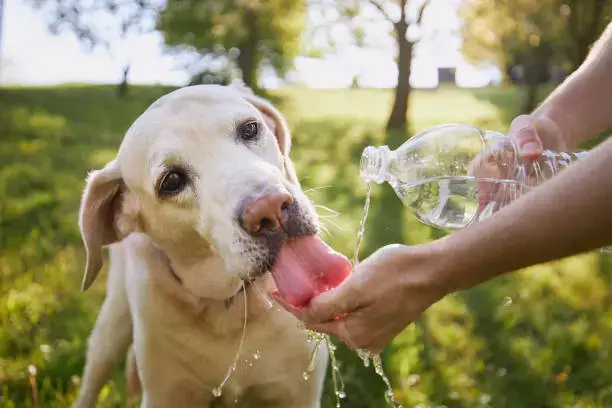
Consistency is crucial for long-term results. Combining brushing, diet, and behavioral strategies ensures your dog maintains Gum Health Tips efficiently.
Scheduling Daily Care
- Create a set routine, such as morning brushing after breakfast and evening rinse.
- Use calendar reminders or mobile alerts to maintain consistency.
- Short, regular sessions are more effective than infrequent long sessions.
Tracking Progress
- Keep a journal of brushing sessions, treats, and dental product use.
- Note any changes in gum color, swelling, or odor.
- Adjust routine based on your observations and veterinarian recommendations.
Creating a Checklist
- Daily brushing: 1–2 minutes using proper technique.
- Dental chews or toys for supplemental cleaning.
- Evening rinse or gel application if needed.
- Observe for signs of gum irritation or discomfort.
Adjusting Routine for Special Needs
- Puppies: short, playful sessions to develop tolerance.
- Senior dogs: slower brushing and softer tools to prevent discomfort.
- Dogs with special health conditions: consult veterinarian for tailored guidance.
Mini Case Study: A 5-year-old Beagle had inconsistent brushing, leading to mild gingivitis. After implementing a daily checklist combining brushing, dental chews, and a weekly rinse, gum inflammation reduced significantly in six weeks.
Troubleshooting Common Gum Issues
Even with the most consistent Gum Health Tips, some dogs may experience persistent problems. Identifying and addressing these issues promptly prevents long-term complications.
Bleeding or Inflamed Gums
- Common causes include gingivitis, periodontitis, or trauma from chewing hard objects.
- Observe bleeding during brushing or after chewing.
- Implement gentle brushing and vet-approved antiseptic gels to reduce inflammation.
Bad Breath Despite Brushing
- Can indicate bacteria deep in the gum pockets or underlying health issues.
- Evaluate diet, oral hygiene technique, and frequency.
- If bad breath persists, consult a veterinarian for possible infection or systemic disease.
Potential Underlying Health Issues
- Kidney or liver disease may manifest as persistent oral odor.
- Diabetes can increase susceptibility to gum infections.
- Heart disease may be linked to chronic periodontal issues.
Actionable Steps to Correct Problems
- Increase brushing frequency while monitoring stress levels.
- Use veterinary-approved rinses or gels to reduce bacteria.
- Schedule professional cleaning if home measures fail.
Mini Case Study: A 6-year-old Labrador developed mild gum inflammation and bad breath. After increasing brushing frequency, using therapeutic gel, and a professional cleaning, gum health normalized within a month.
FAQ + Daily Gum Health Checklist
Maintaining Gum Health Tips is easier with clear guidance. The FAQ section addresses common concerns, while the daily checklist provides actionable routines for dog owners.
FAQ Section
How often should I brush my dog’s gums?
Daily brushing is ideal. If daily sessions are not possible, aim for at least 3–4 times per week to maintain gum health.
Are dental chews enough?
No. Dental chews support cleaning but cannot replace brushing. Use chews alongside daily brushing for optimal results.
What products are safe for dogs?
Always use veterinary-approved toothpaste, rinses, and gels. Avoid human toothpaste and flavored products not designed for dogs.
When should I see a veterinarian?
Persistent bleeding, swelling, bad breath, or visible tartar that doesn’t respond to brushing warrants a professional assessment.
Daily Gum Health Checklist
- Morning Brushing Session – 1–2 minutes using dog-safe toothpaste.
- Dental Chews or Safe Toys – Support mechanical plaque removal.
- Evening Brushing or Rinse – Optional, especially for dogs prone to tartar.
- Observation – Check gums for redness, swelling, bleeding, or odor.
- Weekly Progress Check – Note improvements or worsening conditions.
- Monthly Veterinary Assessment – Professional evaluation of gum and dental health.
- Positive Reinforcement – Praise or treats for cooperative behavior.
Mini Case Studies
- Case 1: A middle-aged Beagle had mild gingivitis. Implementing a morning brushing session, evening rinse, and dental chews improved gum health within six weeks.
- Case 2: A senior Shih Tzu with chronic tartar required professional cleaning. Daily brushing and therapeutic gels post-treatment maintained long-term gum health.
For expert guidance on canine gum care, see American Veterinary Dental Society – Canine Gum Care.
Conclusion
Maintaining your dog’s oral health is more than just brushing teeth—it requires a holistic approach that combines Gum Health Tips, proper nutrition, consistent daily routines, and positive behavioral strategies. By understanding common gum problems, implementing effective home care, and seeking professional guidance when necessary, you can prevent gum disease, reduce bad breath, and enhance your dog’s overall well-being.
Daily brushing, appropriate diet, dental chews, and scheduled veterinary visits create a stress-free and effective oral care routine. Observing your dog for early signs of gum issues and rewarding calm behavior during care ensures long-term compliance and comfort. With these proven strategies, owners can confidently maintain their dog’s healthy gums while promoting a happier, healthier life.
Remember, consistency and patience are key—start implementing these Gum Health Tips today, and your dog will enjoy stronger, healthier gums for years to come.
