

Keeping your dog’s mind active is just as important as physical exercise. are a fun and practical way to stimulate your dog’s thinking, enhance problem-solving skills, and prevent boredom. They challenge your dog’s memory, attention, and reasoning while providing rewards that reinforce learning. By incorporating brain games into daily routines, you can help your dog stay sharp, confident, and emotionally balanced.
Whether you have a curious puppy or a mature dog, brain games offer an enjoyable path to mental enrichment. These games range from simple treat-based puzzles to interactive multi-step challenges, all designed to improve cognitive abilities. Regular mental stimulation supports focus, reduces destructive behaviors, and strengthens your bond with your dog. This guide explores practical ways to introduce, use, and rotate brain games to maximize engagement and promote lifelong learning.
Why Brain Games Are Vital for Dogs
Mental exercise is critical for a dog’s overall health. Without it, dogs can become bored, anxious, or develop problematic behaviors. Brain games provide cognitive stimulation that enhances learning, builds confidence, and supports emotional well-being.
Cognitive Benefits
Engaging in brain games helps dogs develop critical thinking, memory, and problem-solving skills.
- Problem-solving skills: Puzzles, treat-dispensing toys, and interactive games encourage dogs to strategize to reach a reward.
- Memory enhancement: Remembering which steps lead to a reward strengthens recall and attention.
- Learning agility: Consistent practice with games helps dogs quickly understand new tasks and commands.
Tips:
- Rotate games to keep challenges fresh and prevent boredom.
- Start with simple puzzles before progressing to advanced challenges.
- Reward effort as much as success to build confidence.
Behavioral Benefits
Structured mental activities help reduce undesirable behaviors by channeling energy into productive outlets.
- Reduces anxiety: Focusing on a task lowers stress levels.
- Prevents destructive behaviors: Mentally stimulated dogs are less likely to chew furniture or bark excessively.
- Encourages independent play: Games give dogs an outlet for engagement without constant supervision.
Tips:
- Supervise new games to ensure safety and positive interaction.
- Praise independent problem-solving to encourage autonomous play.
- Observe for signs of frustration and adjust difficulty accordingly.
Emotional and Physical Benefits
Brain games not only enhance mental sharpness but also contribute to emotional balance and light physical activity.
- Builds confidence: Successfully solving challenges increases self-assurance.
- Promotes light movement: Many games incorporate pawing, nudging, or fetching.
- Improves happiness: Dogs that are mentally engaged tend to be calmer, more content, and healthier overall.
Tips:
- Pair brain games with short walks or physical play for a full mental-physical workout.
- Adjust difficulty based on age, breed, and energy level.
- Reward incremental progress to maintain motivation.
For more ways to keep your dog mentally active, check out this guide.
Types of Brain Games
Different brain games target different cognitive skills. A varied mix ensures dogs remain curious, engaged, and challenged.
Puzzle Games
Puzzle games encourage problem-solving and reasoning. Dogs manipulate toys to uncover hidden treats or access rewards.
- Treat-dispensing puzzles: Dogs must move pieces, lift lids, or rotate parts to release treats.
- Sliding and rotating challenges: These games require memory and strategy as dogs figure out sequences.
- Adjustable difficulty: Many puzzles allow owners to increase challenge as dogs improve.
Tips:
- Begin with simpler puzzles to prevent frustration.
- Use high-value treats to motivate your dog.
- Rotate puzzles weekly for novelty and sustained engagement.
Scent-Based Games
Scent games tap into a dog’s natural tracking instincts. Dogs follow scent trails or sniff out hidden treats, building focus and mental engagement.
- Hidden treat challenges: Place treats in cloths, boxes, or under cups.
- Indoor scent trails: Encourage your dog to follow a scent line to find rewards.
- Outdoor scent exploration: Use safe, enclosed areas for scent-based challenges.
Tips:
- Start with easy hiding spots and gradually increase difficulty.
- Always ensure hiding places are safe and accessible.
- Reward every successful find to maintain enthusiasm.
Interactive Games
Interactive games combine obedience, problem-solving, and fun. These games can include steps such as sit, stay, or wait before earning a reward.
- Multi-step toys: Require several actions before treats are dispensed.
- Tug-and-retrieve challenges: Incorporate problem-solving with physical activity.
- Training reinforcement: Games double as learning tools for commands and patience.
Tips:
- Introduce one interactive game at a time.
- Encourage verbal cues and praise to reinforce training.
- Monitor for signs of frustration or disinterest, and adjust as needed.
How to Introduce Brain Games Safely
Proper introduction ensures positive experiences, safety, and maximum engagement.
Choosing the Right Game
Select games that match your dog’s age, skill, and temperament.
- Difficulty: Start simple, then gradually increase complexity.
- Materials: Ensure toys are non-toxic, durable, and size-appropriate.
- Age & breed considerations: Puppies need shorter, simpler games; adult dogs can handle moderate challenges.
Tips:
- Observe initial interactions to ensure safety.
- Introduce one toy at a time for focus.
- Rotate games weekly to maintain novelty.
Gradual Introduction
Introduce new games step-by-step to build confidence.
- Demonstrate first: Show your dog how the toy works.
- Start simple: Short sessions and easy challenges prevent frustration.
- Reward effort: Verbal praise, treats, and petting encourage persistence.
Tips:
- Limit early sessions to 10–15 minutes.
- Allow your dog to explore the toy at their own pace.
- End each session positively to reinforce enjoyment.
Monitoring and Adjusting
Observe your dog’s engagement to ensure mental stimulation remains effective.
- Watch for stress or fatigue: Signs include panting, whining, or ignoring the toy.
- Rotate toys for novelty: Keeps challenges exciting and prevents boredom.
- Increase challenge slowly: Gradual progression maintains engagement without frustration.
Tips:
- Keep notes on which games your dog enjoys most.
- Adjust sessions based on energy and learning pace.
- Always supervise until your dog is familiar with the game.
Extra Tips for Successful Brain Game Use
- Start simple: Begin with easy puzzles before moving to advanced games.
- Short, frequent sessions: 10–15 minute sessions work best for mental engagement.
- Rotate toys regularly: Keeps your dog curious and motivated.
- Observe body language: Stop or adjust if your dog shows stress or fatigue.
- Reward effort: Positive reinforcement builds confidence and encourages learning.
By consistently using brain games, you provide meaningful mental enrichment that improves focus, reduces boredom, and strengthens your bond. Dogs that engage with toys and puzzles regularly are more confident, well-behaved, and happy. Mental stimulation transforms ordinary playtime into productive learning, making a big difference in your dog’s overall well-being.
DIY Brain Games You Can Make at Home

Creating brain games at home is a cost-effective way to keep your dog mentally stimulated. You don’t need fancy toys; simple household items can be repurposed to create engaging challenges that encourage problem-solving, memory, and focus. DIY games are highly customizable, allowing you to adjust difficulty, swap rewards, and keep playtime novel.
Treat Boxes and Cups
- Materials needed: Small boxes, cups, or containers, plus high-value treats.
- Setup: Place a treat under one box while leaving others empty. Encourage your dog to find the treat.
- Increasing difficulty: Add more boxes, cover them, or hide treats under multiple layers.
Tips:
- Rotate which boxes contain treats to maintain novelty.
- Always praise your dog’s effort, even if they don’t succeed immediately.
- Keep sessions short (10–15 minutes) to prevent frustration.
Scent-Based Hide-and-Seek
- Hide treats or favorite toys inside rolled towels, boxes, or cloths.
- Encourage your dog to use their nose to find the reward.
- Offer small rewards and praise each successful find.
Tips:
- Start with easy hiding spots and gradually increase difficulty.
- Ensure all hiding spots are safe and accessible.
- Short sessions prevent mental fatigue and keep your dog motivated.
Layered Challenges
- Create multi-step challenges: treat inside a box, inside another box.
- Rotate scents or types of rewards to maintain interest.
- Add a timer for an extra layer of engagement.
Tips:
- Observe your dog’s problem-solving strategies.
- Adjust difficulty based on skill level and energy.
- Praise effort to encourage persistence and learning.
Using Technology to Enhance Brain Games
Modern tools enhance brain games by making them interactive, trackable, and stimulating. Smart toys and automatic treat dispensers add complexity and provide motivation for dogs while helping owners track progress.
Smart Puzzle Toys
- Features: Adjustable difficulty, multi-step puzzles, treat-dispensing compartments.
- Benefits: Encourage critical thinking, problem-solving, and independent play.
- Safety tips: Always supervise new toys until your dog understands them.
Tips:
- Introduce one smart toy at a time to prevent overstimulation.
- Rotate weekly to maintain interest.
- Pair with verbal praise to reinforce learning and obedience.
Automatic Treat Dispensers
- Setup: Program treat release or require a task for reward.
- Engagement: Some dispensers include sounds, lights, or movement to attract attention.
- Portion control: Measure portions carefully to avoid overfeeding.
Tips:
- Begin with short sessions to teach your dog how it works.
- Combine dispenser use with basic commands to reinforce training.
- Avoid leaving your dog unsupervised until they are familiar with the toy.
Tips for Success with Tech-Based Games:
- Choose durable and safe toys suitable for your dog’s size and strength.
- Monitor engagement to ensure the toy is challenging but not frustrating.
- Incorporate tech-based games into a daily routine alongside physical exercise.
Outbound link: For expert advice on tech-based enrichment, check ASPCA: Mental Enrichment for Dogs.
Common Mistakes When Using Brain Games

Even with the best intentions, mistakes can reduce the effectiveness of brain games. Avoiding these pitfalls ensures safety, motivation, and long-term engagement.
Overloading Your Dog
- Signs of stress: Panting, whining, ignoring the toy, or walking away.
- Session length: Start with 10–15 minutes and gradually increase.
- Difficulty: Increase complexity slowly to prevent frustration.
Tips:
- Observe your dog’s body language carefully.
- End sessions on a positive note to maintain motivation.
- Include simpler games if your dog seems tired or frustrated.
Inconsistent Reinforcement
- Reward effort, not just success: Encourage problem-solving even if the outcome isn’t perfect.
- Build confidence: Consistent praise strengthens learning and persistence.
- Avoid frustration: Step in gently if your dog struggles excessively.
Tips:
- Use a combination of verbal praise, petting, and treats.
- Track which toys produce the best engagement.
- Avoid repeating the same challenge too often if your dog loses interest.
Ignoring Individual Preferences
- Breed differences: Some dogs excel at scent-based puzzles, others at tactile challenges.
- Age considerations: Puppies may need simpler toys, older dogs may handle moderate difficulty.
- Adjust difficulty: Match the challenge to your dog’s current skill and interest.
Tips:
- Observe which types of toys motivate your dog most.
- Keep a rotation of different toys to maintain novelty.
- Gradually introduce more challenging variations to develop skills.
Extra Tips for Successful DIY and Tech-Based Brain Games
- Start simple and increase complexity gradually.
- Short, frequent sessions are more effective than long sessions.
- Rotate challenges to prevent boredom.
- Monitor body language for signs of stress or fatigue.
- Reward persistence as well as completion to build confidence.
Combining DIY and technology-based brain games creates a versatile, engaging environment that stimulates your dog’s mind, encourages problem-solving, and supports emotional well-being. Regular mental enrichment fosters focus, confidence, and a stronger bond between you and your dog.
Advanced Brain Games for Experienced Dogs
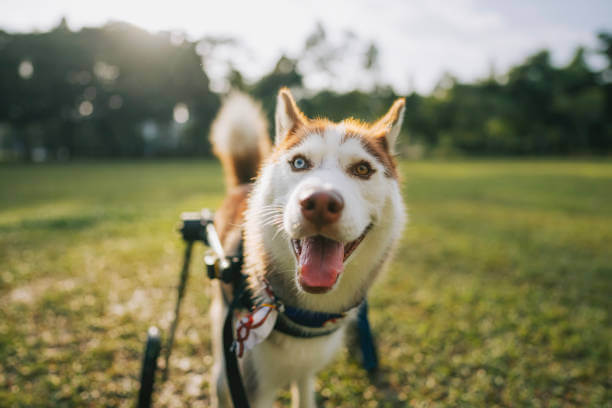
Once your dog has mastered basic puzzles and treat-dispensing games, it’s time to introduce advanced brain games. These activities challenge memory, problem-solving, and focus, keeping experienced dogs mentally sharp. Advanced games also prevent boredom, boost confidence, and provide complex cognitive stimulation.
Multi-Step Puzzle Games
- Combining tasks: Use toys with multiple steps, compartments, or actions before releasing a reward.
- Scaling difficulty: Gradually increase complexity as your dog succeeds.
- Reward strategy: Reinforce learning with treats, verbal praise, and petting.
Tips:
- Introduce one advanced puzzle at a time.
- Allow your dog to explore and attempt solutions independently.
- Rotate puzzles weekly to maintain interest.
Outdoor Interactive Games
- Physical plus mental challenge: Hide treats in balls or toys to encourage problem-solving and movement.
- Training reinforcement: Incorporate commands such as sit, stay, or wait during play.
- Safety first: Ensure areas are secure and free of hazards.
Tips:
- Start with simple distances or challenges.
- Praise effort as well as completion.
- Use a variety of hiding spots or toys for novelty.
Daily Brain Game Routine
A structured routine ensures brain games are consistently effective, providing mental stimulation, reducing stress, and encouraging positive behavior. Short, frequent sessions maintain interest and motivation.
Morning Routine
- Quick puzzle session (10–15 minutes): Use a simple puzzle or treat-dispensing toy to start the day.
- Reward engagement: Use treats or praise to reinforce participation.
Tips:
- Keep sessions upbeat to start the day positively.
- Rotate toys to maintain novelty.
- Adjust duration based on your dog’s energy level.
Afternoon Routine
- Indoor problem-solving (10 minutes): Interactive games or scent challenges for cognitive enrichment.
- Variety is key: Alternate between puzzle types, scent challenges, or multi-step toys.
Tips:
- Watch for signs of mental fatigue.
- Incorporate light physical activity if appropriate.
- Celebrate small wins to boost confidence.
Evening Routine
- Low-energy puzzles (5–10 minutes): Calm, independent play before bedtime.
- Positive reinforcement: Verbal praise or gentle petting signals success and enjoyment.
Tips:
- Avoid high-stimulation games before sleep.
- Keep sessions short and manageable.
- Reward effort consistently to maintain engagement.
FAQ
How often should I use brain games?
- Many professionals recommend 2–3 short sessions daily, mixing easy and advanced challenges.
Are brain games suitable for senior dogs?
- Absolutely. Mental stimulation supports memory, reduces anxiety, and keeps older dogs engaged without strenuous physical activity.
What if my dog loses interest quickly?
- Rotate toys, switch challenges, or introduce new reward types. Short, engaging sessions are more effective than long play periods.
How do I prevent frustration?
- Start with achievable challenges, reward effort, and gradually increase difficulty. If stress persists, pause the session.
Can brain games replace physical exercise?
- No. Mental stimulation complements physical activity. A combination of both is essential for a healthy, happy dog.
Daily Checklist for Brain Games
- ✅ Morning (10–15 min): Quick puzzle or treat-dispensing toy
- ✅ Afternoon (10 min): Indoor problem-solving activity
- ✅ Evening (5–10 min): Low-energy puzzle for calm play
- ✅ Rotate toys daily to maintain novelty
- ✅ Reward effort consistently using treats, praise, or petting
- ✅ Observe body language to prevent fatigue or frustration
Tips:
- Adjust difficulty based on skill and energy level.
- Combine mental and physical activities for balanced enrichment.
- Track progress to refine routine and maintain engagement.
Extra Strategies for Long-Term Success
- Variety is crucial: Rotate puzzles, scent games, and interactive challenges to sustain engagement.
- Use high-value rewards: Special treats or favorite toys increase motivation.
- Monitor stress: Signs of frustration indicate the need for a break or difficulty adjustment.
- Short, frequent sessions: Multiple brief sessions outperform single long sessions.
- Celebrate achievements: Positive reinforcement builds confidence and encourages future problem-solving.
Integrating brain games into your dog’s routine improves cognitive skills, emotional balance, and overall well-being. Dogs with regular mental enrichment are more confident, less anxious, and display better behavior. Thoughtfully structured playtime transforms mental stimulation into a rewarding and beneficial experience for both dogs and owners.
Conclusion
Incorporating brain games into your dog’s daily routine is an easy and effective way to boost mental stimulation, improve problem-solving skills, and prevent boredom. These activities tap into your dog’s natural curiosity, keeping them engaged and sharp while strengthening learning and memory. From simple DIY puzzles to advanced multi-step challenges and smart interactive toys, there are countless ways to make playtime both fun and educational.
Consistency and variety are key. Short, frequent sessions, rotated challenges, and positive reinforcement ensure your dog remains motivated while avoiding frustration. Observing your dog’s preferences and adjusting difficulty levels gradually maintains long-term engagement and enjoyment.
By making brain games a regular part of your dog’s life, you encourage confidence, focus, and emotional balance. Mentally enriched dogs tend to display better behavior, reduced anxiety, and increased happiness. Structured playtime becomes a valuable learning experience that benefits both dogs and owners, strengthening the bond and creating a joyful, stimulating environment.
Bullet-friendly takeaways:
- ✅ Rotate puzzle, scent, and interactive games for variety
- ✅ Keep sessions short (10–15 minutes) and frequent
- ✅ Reward effort as well as success to boost confidence
- ✅ Observe your dog’s body language to prevent stress
- ✅ Gradually increase difficulty to maintain challenge
- ✅ Combine mental and physical activities for full enrichment
