

Dog safety at home is one of the most important foundations for raising a healthy, confident dog—yet it’s often overlooked by new owners. Everyday household objects, routines, and layouts can quietly put dogs at risk if they are not thoughtfully managed. Creating strong dog safety at home practices early helps prevent accidents, reduces stress, and supports better behavior over time.
Many veterinarians recommend viewing your living space through your dog’s eyes. What seems harmless to humans can be confusing, tempting, or dangerous to a curious dog. This guide focuses on practical, realistic steps you can take to improve dog safety at home without turning your house upside down.
If you are new to home-based dog care, this article works alongside the broader principles explained in the complete guide to caring for a dog at home, helping you build a safe daily environment step by step.
Why Dog Safety at Home Matters for Everyday Living
How dog safety at home affects behavior and health
Dog safety at home is not just about avoiding injuries. A predictable and safe environment helps dogs feel secure, which directly impacts their behavior. Dogs that feel unsafe indoors may chew excessively, bark more, or show signs of anxiety.
From a health perspective, small incidents—such as swallowing a dropped pill or chewing on a cord—can escalate quickly. Many veterinarians recommend proactive prevention rather than reactive treatment, especially for indoor-related injuries.
Common indoor risks new dog owners underestimate
New dog owners often assume danger comes mainly from outside the home. In reality, indoor spaces account for many preventable injuries. Common examples include:
- Slipping on smooth floors
- Access to cleaning supplies
- Loose electrical cords
- Small objects left within reach
Dog safety at home starts with recognizing that everyday convenience can conflict with canine safety if boundaries are unclear.
Real-life example of dog safety at home failures
Consider a young dog left alone in the living room for an hour. A power strip sits near the couch, and a houseplant rests on the floor. The dog chews the cord, knocks over the plant, and ingests soil mixed with fertilizer. Situations like this happen quickly and quietly.
Dog safety at home focuses on eliminating these chains of risk before they begin.
Puppy Proofing Your House Before Problems Start
Why puppy proofing your house supports dog safety at home
Puppy proofing your house is one of the most effective ways to improve dog safety at home, especially during the first year. Puppies explore with their mouths and have limited impulse control.
Many veterinarians recommend puppy proofing as soon as your dog arrives, not after the first incident. Prevention reduces emergency vet visits and helps puppies learn appropriate boundaries faster.
High-risk zones when puppy proofing your house
Certain areas deserve extra attention when improving dog safety at home:
- Living rooms with cords and remote controls
- Kitchens with trash bins and food scraps
- Bedrooms with medications and charging cables
- Bathrooms with cleaners and personal care products
Puppy proofing your house does not require removing everything—only relocating or securing high-risk items.
Simple puppy proofing routines that work long-term
Dog safety at home improves when safety habits become routine. For example:
- Picking up small objects before leaving the room
- Closing bathroom doors consistently
- Using storage bins with lids
Over time, these habits feel automatic and significantly reduce risk. If concerns persist about destructive behavior, consult a licensed veterinarian or professional trainer for guidance.
Identifying Household Hazards for Dogs in Living Spaces
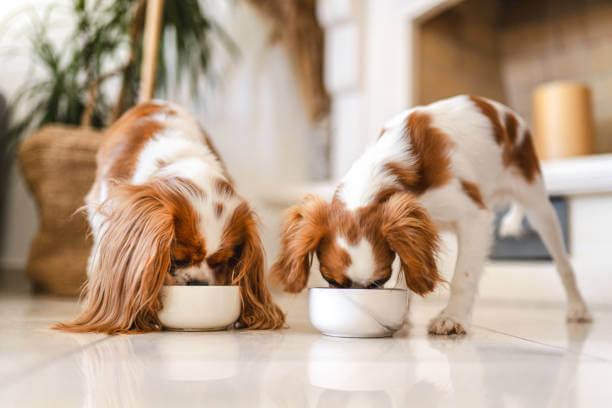
Most overlooked household hazards for dogs
Household hazards for dogs often blend into daily life. Items such as batteries, coins, rubber bands, and hair ties are frequently dropped and forgotten.
Many veterinarians recommend regular “floor-level scans” of your home to identify household hazards for dogs that humans naturally overlook due to height and familiarity.
Room-by-room household hazards for dogs
Different rooms present different risks:
- Living room: cords, furniture edges, small décor
- Kitchen: trash, food wrappers, cleaning sprays
- Bedroom: medications, jewelry, charging cables
Dog safety at home improves when each room has a clear safety baseline rather than relying on supervision alone.
Reducing household hazards for dogs through layout changes
Sometimes small layout adjustments make a big difference. Moving a trash bin into a cabinet, securing cords behind furniture, or using raised shelves can dramatically reduce exposure.
Dog safety at home is not about perfection—it’s about reducing the number of opportunities for accidents to occur.
Gentle veterinary guidance
Many veterinarians recommend reassessing your home every few months, especially as dogs grow or behavior changes. Puppies become stronger, and adult dogs develop new habits over time.
If your dog shows repeated interest in unsafe objects, it may signal boredom, anxiety, or nutritional issues. If concerns persist, consult a licensed veterinarian for personalized advice.
Creating a Pet-Safe Home Environment Room by Room
How dog safety at home changes from room to room
Dog safety at home is not uniform across your living space. Each room presents different risks based on objects, routines, and how often your dog spends time there. A pet-safe home environment focuses on adapting each area to your dog’s size, age, and habits.
For example, a calm adult dog may safely relax in a living room, while a curious puppy might treat the same space as a playground. Many veterinarians recommend adjusting safety measures as dogs mature rather than assuming one setup works forever.
Living room adjustments that support dog safety at home
Living rooms are often the most used shared space, which increases exposure to risk. Improving dog safety at home here starts with managing what stays within reach.
Simple adjustments include:
- Securing electrical cords behind furniture
- Removing small décor items from low shelves
- Anchoring tall furniture to prevent tipping
These changes help create a pet-safe home environment without sacrificing comfort or style.
Kitchen safety habits for daily routines
Kitchens are high-risk zones for dogs due to food smells and human activity. Dog safety at home improves when boundaries are clear and consistent.
Practical steps include:
- Using covered trash cans or cabinet-mounted bins
- Keeping food scraps off counters
- Blocking access during cooking times
Many veterinarians recommend treating kitchens as supervised-only zones, especially for puppies and food-motivated dogs.
Bedroom and bathroom safety considerations
Ensuring dog safety at home extends into private spaces. Bedrooms often contain medications, supplements, and charging cables. Bathrooms may store cleaning agents and personal care products.
A pet-safe home environment here may involve:
- Keeping doors closed when unattended
- Storing medications in elevated containers
- Using drawer locks for cleaning supplies
If concerns persist about repeated access to unsafe items, consult a licensed veterinarian or behavior professional.
Dog-Proofing Common Household Items Dogs Interact With
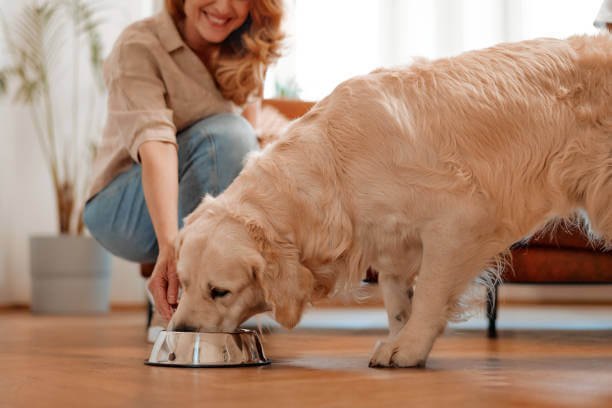
Everyday objects that quietly threaten dog safety at home
Many household items appear harmless but can pose serious risks. Improving dog safety at home requires identifying items dogs frequently interact with rather than only obvious hazards.
Examples include:
- Remote controls and batteries
- Shoes and fabric items
- Houseplants and soil
Dog-proofing common household items reduces emergency situations that often arise from boredom or curiosity.
Managing cords, electronics, and charging stations
Cords are one of the most common indoor hazards. Dogs may chew them out of curiosity or anxiety. Dog safety at home improves when electronics are consolidated and protected.
Effective strategies:
- Use cord covers or tubing
- Elevate charging stations
- Unplug unused devices
These steps also protect your electronics while improving overall safety.
Understanding poisoning risks from household products
Cleaning supplies, pest control products, and even some essential oils can pose poisoning risks. Many dog owners underestimate how quickly exposure can occur.
According to the ASPCA Animal Poison Control Center, common household toxins are among the leading causes of emergency calls involving dogs, especially in indoor environments. This highlights why dog safety at home must include secure storage of chemicals and prompt cleanup of spills.
Dog-proofing common household items through routine checks
Consistency is key. A weekly walk-through of your home helps identify new risks as routines change.
Dog safety at home improves when you:
- Scan floors for dropped items
- Reassess storage after grocery trips
- Adjust layouts after rearranging furniture
Many veterinarians recommend combining environmental safety with adequate physical and mental stimulation to reduce destructive behaviors.
Gentle veterinary guidance
Dog-proofing common household items is not about restriction—it’s about prevention. Dogs thrive when their environment allows safe exploration without constant correction.
If your dog repeatedly targets unsafe items despite environmental changes, it may signal stress, anxiety, or unmet needs. If concerns persist, consult a licensed veterinarian for individualized guidance.
Building Long-Term Dog Safety at Home Through Habits and Awareness
Creating dog safety at home is not a one-time project. It is an ongoing process that depends on daily habits, environmental awareness, and the ability to anticipate risks before they turn into emergencies. As dogs grow, age, or change behaviorally, the home environment must adapt with them.
Many accidents happen not because owners are careless, but because routines drift over time. Doors get left open, medications move from cabinets to countertops, and cords slowly become accessible again. Sustainable dog safety at home comes from systems, not memory.
A helpful mindset is to treat your home like a dynamic safety zone. Every season, lifestyle change, or schedule shift introduces new variables that can impact your dog’s well-being. Regular safety reviews help ensure your setup still works for your dog’s current needs.
Experienced owners often rely on simple rules:
- No human medication outside closed storage
- Floors scanned daily before bedtime
- Trash checked every night
- Doors and gates verified before sleep
These small habits reduce risk far more effectively than reactive fixes after something goes wrong.
Why routine safety checks prevent common household accidents
Routine checks are the backbone of dog safety at home. They catch problems early, when solutions are easy and stress-free.
Dogs explore the world with their mouths. A dropped pill, loose battery, or food wrapper may seem harmless to you, but can be dangerous to a curious dog. According to the ASPCA Animal Poison Control Center, household toxins and accidental ingestion remain one of the most common emergency calls involving dogs in the United States.
A daily safety scan should include:
- Kitchen floors and counters
- Living room surfaces within nose height
- Bathroom trash bins
- Entryways and backpacks
These checks take less than two minutes but significantly reduce emergency risk. Many veterinarians recommend incorporating them into your nightly routine, just like locking doors or turning off lights.
Teaching family members to support dog safety at home
Dog safety at home is a shared responsibility. Even the best safety setup can fail if other household members are not aligned.
Children, guests, and caregivers may not recognize hazards that seem obvious to experienced dog owners. Clear communication helps prevent accidental exposures.
Helpful strategies include:
- Explaining which foods are never shared with dogs
- Setting rules for door and gate use
- Designating dog-safe zones for toys and belongings
- Posting emergency numbers visibly in the home
If your dog stays with a sitter or family member, provide a short safety checklist before you leave. Written reminders reduce misunderstandings and ensure consistent care.
Adapting Dog Safety at Home as Your Dog Ages
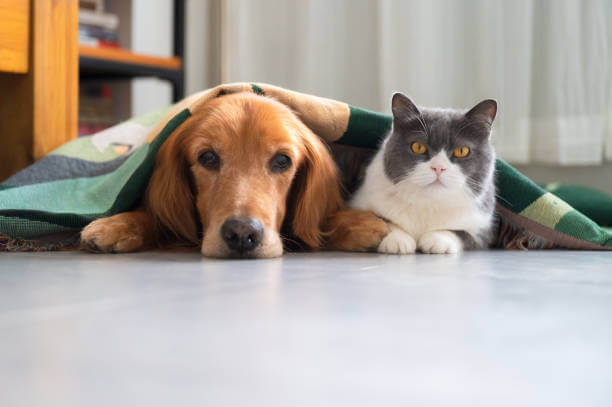
Dog safety at home changes as dogs move through life stages. Puppies, adult dogs, and seniors face different risks, and safety measures must evolve accordingly.
Puppies require strict environmental control. Adult dogs need consistency and mental engagement. Senior dogs benefit from stability, traction, and reduced physical strain.
Owners who reassess safety as their dog ages are better prepared to prevent injuries and maintain comfort.
Adjusting dog safety at home for senior dogs
As dogs age, mobility, vision, and hearing often decline. Familiar spaces can become risky without subtle adjustments.
Senior-focused dog safety at home improvements include:
- Non-slip rugs on smooth flooring
- Elevated food and water bowls
- Clear walkways free of clutter
- Ramps or steps for furniture access
Older dogs may also experience cognitive changes. Keeping furniture layouts consistent helps reduce confusion and anxiety. If your dog hesitates on stairs or avoids certain rooms, it may signal a need for environmental updates.
Many veterinarians recommend proactive home adjustments before noticeable mobility issues arise, allowing dogs to adapt gradually.
Monitoring behavioral changes that affect home safety
Behavioral shifts can directly impact dog safety at home. Increased chewing, restlessness, or anxiety may lead dogs to interact with objects they previously ignored.
Common triggers include:
- Schedule changes
- New pets or family members
- Reduced exercise
- Age-related discomfort
Observing these changes early allows you to respond with safer alternatives, such as enrichment toys, adjusted routines, or restricted access to high-risk areas. If concerns persist, consult a licensed veterinarian or a qualified behavior professional.
Maintaining Dog Safety at Home: FAQs and Daily Checklist
Long-term dog safety at home is supported by clarity and consistency. The questions below address common concerns from dog owners, followed by a practical daily checklist you can use immediately.
Frequently Asked Questions
How often should I reassess dog safety at home?
A quick daily scan is ideal, with a more thorough review every few months or after lifestyle changes such as moving, remodeling, or schedule shifts.
Is dog safety at home different for apartment living?
Yes. Apartments may introduce risks like balcony access, shared hallways, and limited storage space. Extra attention to doors, trash, and noise-related stress is helpful.
Do adult dogs still need safety-proofing?
Absolutely. Adult dogs may be more confident and physically capable, which can increase risk if boundaries loosen over time.
When should I involve a veterinarian?
If your dog shows repeated risky behavior, sudden changes, or signs of discomfort, a veterinarian can help rule out medical causes and guide appropriate adjustments.
Daily Dog Safety at Home Checklist
Use this simple checklist to maintain dog safety at home without stress:
- Floors clear of food, pills, and small objects
- Trash bins secured and emptied
- Doors, gates, and windows checked
- Cords, chargers, and devices stored safely
- Dog toys inspected for damage
- Water bowl clean and accessible
- Sleeping area free from hazards
For a broader understanding of how daily routines fit into overall home care, many owners find it helpful to reference comprehensive guides like this complete resource on caring for a dog at home, which connects safety habits with nutrition, training, and wellness in one place.
