

Maintaining a consistent Dog Daily Care Routine is crucial for your pet’s health, happiness, and overall well-being. How you manage feeding, exercise, grooming, and social interactions can greatly influence your dog’s behavior and longevity. This guide is designed for beginner to intermediate dog owners who want practical, step-by-step advice on caring for their furry companions at home effectively.
By following this routine, you can establish healthy habits, prevent behavioral issues, and create a strong bond with your dog. Later sections include a daily checklist to simplify your care schedule and ensure no important task is overlooked.
Morning Nutrition and Feeding Habits
Starting the day with a structured feeding routine helps your dog maintain optimal health and energy levels. Proper morning nutrition forms the foundation of your Dog Daily Care Routine.
Choosing the Right Food
Selecting high-quality dog food tailored to your dog’s age, size, and breed is essential. Puppies, adult dogs, and senior dogs have different nutritional requirements. Consult your veterinarian to determine the best diet.
Feeding Schedule
Consistent feeding times regulate digestion and metabolism. For most dogs, feeding once or twice in the morning works well. Measure portions accurately to prevent overfeeding and obesity.
Hydration Practices
Always provide fresh water alongside meals. Hydration is critical for your dog’s digestion and overall health. Consider placing multiple water bowls if you have more than one pet.
Morning Supplements
Some dogs benefit from supplements such as omega-3 fatty acids for skin and coat health, or probiotics for digestion. Discuss with your veterinarian before introducing any supplements.
Morning Exercise and Physical Activity
Exercise is a core component of your Dog Daily Care Routine, promoting physical fitness, mental stimulation, and behavior management.
Short Walks
Morning walks are ideal for relieving your dog’s energy, promoting good digestion, and establishing routine. Aim for 20–40 minutes, adjusting based on your dog’s breed and fitness level.
Playtime
Engage in interactive play using fetch, tug-of-war, or puzzle toys. This strengthens the bond between you and your dog while providing mental stimulation.
Stretching and Warm-ups
Gentle stretching or short warm-up routines can prevent injuries, especially for older dogs or breeds prone to joint issues.
Outdoor Exploration
Allow your dog to explore the surroundings safely. Sniffing and exploring new scents supports cognitive development and emotional well-being.
Mental Stimulation and Calm Activities
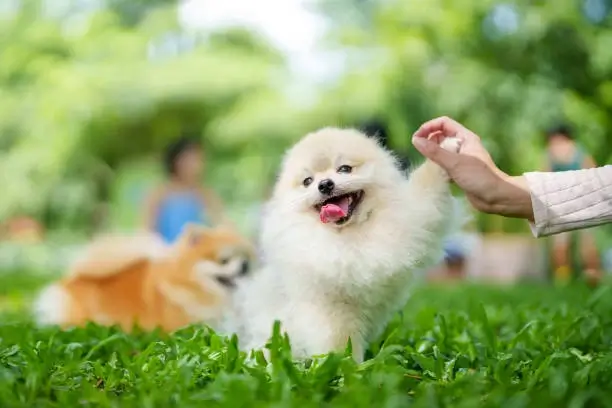
Incorporating calm, mentally enriching activities helps balance energy levels and prevents behavioral problems as part of your Dog Daily Care Routine.
Puzzle Toys and Interactive Games
Use food-dispensing toys or puzzles to challenge your dog’s problem-solving skills. These activities reduce boredom and encourage independent play.
Basic Training Sessions
Short, positive reinforcement training sessions reinforce obedience and mental agility. Commands like sit, stay, or recall help with safety and communication.
Quiet Time and Rest
After morning activities, allow a quiet period for your dog to rest. Proper rest is essential for overall health and reduces stress.
Scent Work
Encourage your dog to use its nose by hiding treats or using scent-based games. Scent work engages the brain and provides satisfying enrichment.
For more comprehensive guidance, see our Complete Guide to Dog Care at Home for routines and tips.
Midday Grooming and Hygiene
Maintaining hygiene throughout the day is a vital part of your Dog Daily Care Routine. Regular grooming prevents health issues and promotes a clean, comfortable environment.
Brushing and Coat Care
Brush your dog according to coat type. Long-haired breeds may require daily brushing, while short-haired breeds need fewer sessions. Brushing removes dirt, loose hair, and stimulates skin circulation.
Dental Hygiene
Brushing your dog’s teeth or providing dental chews helps prevent oral health problems. Dental care is often overlooked but is crucial for long-term health.
Nail Trimming
Regularly check nails and trim when needed. Overgrown nails can cause discomfort and affect mobility. Introduce trimming gradually to reduce stress.
Ear and Eye Care
Clean ears gently to prevent infections and wipe eyes to remove debris. Early detection of issues ensures timely intervention.
Social Interaction and Afternoon Play
Afternoon sessions can focus on socialization and interactive play, which are essential to a complete Dog Daily Care Routine.
Structured Playdates
Arrange playdates with other dogs if your dog is social. Supervised interactions improve social skills and provide mental stimulation.
Indoor Games
On days when outdoor play is limited, indoor games like hide-and-seek or tug-of-war maintain activity levels and strengthen the bond.
Training Reinforcement
Incorporate obedience or trick training into afternoon play to reinforce skills learned earlier in the day.
Outdoor Exploration
Even short outdoor excursions offer fresh scents and environmental enrichment, essential for mental health.
Evening Nutrition and Digestive Care

Evening meals are part of a balanced Dog Daily Care Routine, supporting digestion and promoting restful sleep.
Proper Portioning
Feed appropriate amounts based on age, weight, and activity level. Avoid overfeeding in the evening to prevent digestive discomfort.
Hydration Check
Ensure fresh water is available. Consider limiting water right before bedtime to prevent nighttime accidents.
Special Treats and Supplements
Provide occasional healthy treats or necessary supplements. Avoid human food that may be harmful.
Mealtime Routine
Consistency in mealtime helps dogs feel secure and supports predictable digestion patterns.
Evening Exercise and Wind-Down Activities
Evening exercise ensures your dog expends remaining energy and relaxes before bedtime as part of your Dog Daily Care Routine.
Short Walks
A gentle evening walk helps with bathroom needs and provides light activity before winding down.
Calm Play
Engage in low-energy play, such as puzzle toys or soft fetch, to promote relaxation.
Massage and Comfort
Gentle massages or petting reduce stress and help your dog associate evening with calmness and security.
Mental Unwinding
Quiet time with interactive but gentle activities reinforces learning and helps your dog transition to nighttime rest.
Nighttime Rest and Sleep Preparation
Proper sleep hygiene completes your Dog Daily Care Routine, ensuring your dog is rested and ready for the next day.
Designated Sleeping Area
Provide a clean, comfortable, and quiet sleeping space. This establishes a sense of safety and routine.
Routine Check
Ensure all needs are met: water, bathroom, and comfort. A predictable routine reduces anxiety.
Nighttime Environment
Maintain a calm environment. Dimming lights and reducing noise signals it’s time to sleep.
Health Monitoring
Observe for signs of discomfort or illness. Early detection allows for timely intervention and maintains overall well-being.
Midday Activity and Stimulation
Maintaining structured midday activities is essential in a complete Dog Daily Care Routine. These sessions provide both physical and mental stimulation, helping your dog stay engaged and prevent behavioral issues.
Interactive Play
Use toys that encourage movement and problem-solving. Tug-of-war, fetch, and puzzle toys are excellent options. These games not only keep your dog active but also strengthen the bond between you and your pet.
Training Reinforcement
Midday training sessions help reinforce commands learned earlier. Short, positive reinforcement exercises can focus on obedience, tricks, or social behaviors.
Mental Challenges
Incorporate scent games, hide-and-seek, or treat puzzles to stimulate cognitive function. Mental engagement reduces boredom and promotes overall well-being.
Supervised Outdoor Time
Allow your dog to explore the yard or take short walks in a safe environment. Exposure to new scents and sounds enhances their confidence and adaptability.
Grooming and Health Checks
Regular grooming and health monitoring are critical elements of a Dog Daily Care Routine, ensuring your dog stays clean and healthy.
Brushing and Coat Maintenance
Daily or frequent brushing depending on coat type removes loose hair and prevents matting. Brushing also distributes natural oils, keeping skin and coat healthy.
Dental Hygiene
Dental care prevents plaque buildup and potential oral health issues. Offer dental chews, or brush teeth if tolerated.
Nail and Paw Care
Check nails and paw pads for wear or injury. Trim nails carefully when needed and examine pads for cracks or foreign objects.
Skin and Ear Checks
Routine inspection for skin irritations or ear infections allows for early intervention. Clean ears gently and consult a veterinarian if abnormalities appear.
Nutrition and Feeding Practices
Proper nutrition underpins a healthy Dog Daily Care Routine. Balanced meals support energy levels, weight management, and long-term health.
Morning and Midday Feeding
Feed dogs consistent portions at scheduled times. Avoid free-feeding to prevent overconsumption and weight issues.
Selecting Food
Choose food appropriate for your dog’s age, breed, and activity level. Consult veterinarians for recommendations on high-quality commercial diets or balanced homemade options.
Hydration Management
Provide constant access to clean water. Hydration is vital for digestion, temperature regulation, and organ function.
Treats and Supplements
Incorporate treats and supplements strategically. Use low-calorie treats for training rewards and ensure supplements meet nutritional needs without overloading calories.
For more professional guidance, refer to the American Kennel Club’s Dog Care Tips.
Afternoon Walks and Socialization
Regular walks and social interaction remain key components in your Dog Daily Care Routine. These activities promote physical health and positive behavior.
Walking Routines
Afternoon walks provide physical exercise and an opportunity for bathroom breaks. Vary routes to introduce new environments and stimulation.
Social Skills
Engage in controlled interactions with other dogs or friendly humans. Socialization reduces anxiety and promotes well-adjusted behavior.
Environmental Enrichment
Walks expose dogs to varied sensory experiences, enhancing cognitive and emotional development.
Safety Considerations
Always use leashes, harnesses, and ensure safe walking conditions. Supervised play in open spaces should remain controlled.
Mental Stimulation and Cognitive Games
Mental enrichment is a vital part of any Dog Daily Care Routine, keeping your dog sharp and reducing destructive behaviors.
Puzzle Toys
Offer toys that challenge your dog to think or manipulate objects to receive rewards. Puzzle feeders also slow down eating and improve problem-solving skills.
Scent-Based Games
Hide treats around the house or yard for your dog to find. Scent work provides both entertainment and cognitive engagement.
Trick Training
Teach new commands or tricks in short sessions. Positive reinforcement encourages learning and deepens your bond.
Quiet Time Challenges
Introduce calm, focused activities like gentle tug games or light interactive play to engage the brain without overstimulation.
Grooming Touch-Ups and Hygiene Maintenance
Continuing grooming routines during the afternoon ensures dogs remain clean and comfortable, an essential part of a Dog Daily Care Routine.
Spot Cleaning
Wipe paws, face, or coat after walks or outdoor activities. This prevents dirt accumulation and skin irritation.
Brushing Sessions
Additional short brushing maintains coat health and reduces shedding.
Eye and Ear Maintenance
Check for discharge or irritation, especially if your dog has been active outdoors. Early intervention prevents infection.
Quick Health Checks
Observe for signs of fatigue, limping, or unusual behavior. Afternoon assessments allow adjustments in care if needed.
Evening Nutrition and Calm Activities
Evening routines help dogs wind down while maintaining consistency in a Dog Daily Care Routine.
Evening Meals
Feed balanced portions to prevent nighttime digestive issues. Consistent timing reinforces routine and reduces stress.
Hydration
Provide fresh water but manage intake near bedtime to avoid nighttime accidents.
Supplements
Evening supplements, such as joint support for older dogs, can be included as part of their diet.
Treats and Rewards
Use low-calorie treats for positive reinforcement of learned behaviors throughout the day.
Evening Exercise and Wind-Down
Low-intensity evening activity helps dogs relax and prepare for sleep as part of your Dog Daily Care Routine.
Short Walks
Gentle evening walks provide bathroom breaks and light activity.
Low-Energy Play
Calm games like puzzle toys or gentle fetch promote mental engagement without overstimulation.
Relaxation Techniques
Massage, petting, or quiet cuddling reduces stress hormones and fosters a sense of safety.
Preparing for Sleep
Establishing consistent pre-bedtime activities signals that the day is ending, making transitions smoother.
Nighttime Rest and Sleep Routine
Proper nighttime habits ensure your dog gets restorative sleep, completing a balanced Dog Daily Care Routine.
Designated Sleeping Area
Provide a comfortable, quiet, and clean bed or crate. This offers security and consistency.
Pre-Sleep Checks
Ensure your dog has relieved itself, has water nearby, and feels comfortable.
Calm Environment
Dim lights and reduce noise to help your dog settle. Consistent nighttime cues reinforce healthy sleep patterns.
Monitoring and Observation
Occasionally check for signs of discomfort, illness, or anxiety. Early intervention supports long-term health.
Social Interaction and Family Bonding
Maintaining strong social bonds and positive interactions is a key part of a complete Dog Daily Care Routine. Dogs are social animals, and consistent engagement with family members enhances emotional health and behavior.
Family Playtime
Set aside dedicated play sessions where the whole family participates. Games like fetch, tug-of-war, or hide-and-seek encourage interaction and strengthen bonds. This also provides additional exercise and mental stimulation.
Supervised Socialization
Introduce your dog to visiting friends or neighbors under controlled conditions. Positive reinforcement during these interactions helps reduce fear and aggression, promoting a well-adjusted pet.
Gentle Handling and Training
Daily handling, such as grooming, ear cleaning, or short training exercises, fosters trust. Incorporate reward-based training to reinforce good behavior and obedience.
Emotional Well-being
Observe your dog’s emotional responses. Social engagement and family attention reduce anxiety, promote confidence, and make your dog more adaptable to new situations.
Evening Wind-Down and Preventive Observation
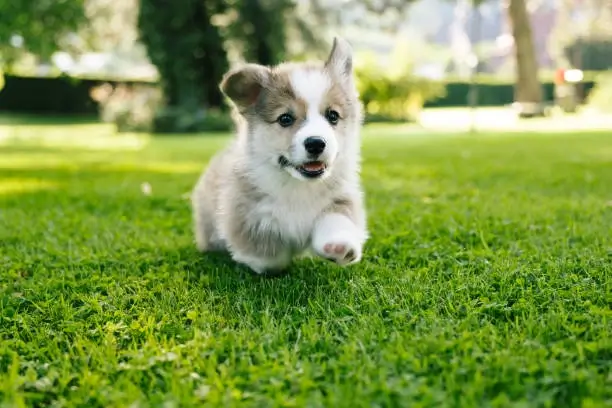
A consistent evening routine ensures your dog relaxes and prepares for a restful night, completing your Dog Daily Care Routine.
Calming Activities
Engage in low-energy activities like gentle petting, quiet play with soft toys, or interactive puzzles. These help your dog transition from active daytime behaviors to a relaxed state suitable for evening.
Health Monitoring
Check for any signs of illness, discomfort, or injury. Look for changes in appetite, gait, or energy levels. Early detection allows timely intervention.
Bedtime Preparations
Guide your dog to a designated sleeping area with a clean, comfortable bed. Ensure water is accessible but not excessive near bedtime. A consistent bedtime routine signals the end of the day and promotes better sleep.
Environmental Adjustments
Dim lights and reduce household noise. Maintaining a calm, predictable environment helps regulate your dog’s sleep patterns and reduces nighttime anxiety.
FAQ and Daily Checklist
To make a Dog Daily Care Routine easier to follow, use this FAQ and checklist as a reference for beginners and intermediate dog owners.
FAQ
Q1: How often should I feed my dog daily?
Most adult dogs benefit from two meals per day at consistent times. Puppies may require three to four smaller meals. Always provide access to fresh water.
Q2: How long should exercise sessions last?
Exercise duration depends on breed, age, and health. Generally, 30–60 minutes per day split into multiple sessions is ideal for most dogs.
Q3: What grooming activities are essential daily?
Daily brushing is recommended for long-haired dogs; short-haired breeds can be brushed a few times per week. Spot checks of ears, teeth, and paws help detect issues early.
Q4: How do I prevent boredom during the day?
Rotate toys, use puzzle feeders, and schedule interactive play or training sessions. Mental stimulation is as important as physical exercise.
Q5: How can I ensure my dog is healthy at home?
Observe appetite, behavior, coat condition, and bathroom habits. Regular vet visits are recommended. If issues persist, consult a licensed professional.
Daily Checklist for a Complete Dog Routine
- Morning: Feeding, bathroom break, morning walk, basic training, grooming check.
- Midday: Interactive play, mental stimulation, supervised outdoor time.
- Afternoon: Short walks, social interaction, puzzle or scent games, grooming touch-ups.
- Evening: Feeding, low-energy play, treat rewards, calm training sessions.
- Night: Bathroom break, bedtime preparation, ensure comfort and hydration.
- Health & Observation: Daily checks of coat, teeth, ears, paws, and overall behavior.
- Family Engagement: Include play and training activities with all household members.
