


The Scientific Approach: Effective training techniques are rooted in Operant Conditioning and Neural Plasticity. By leveraging Positive Reinforcement, owners can shape complex behaviors while fostering Cognitive Confidence, ensuring that learning is a voluntary biological process rather than a forced mechanical response. Mastering modern training techniques is a journey toward cross-species communication and Neuro-Behavioral Alignment. At […]
Category Archives: Dog Behavior & Common Issues
Dog Behavior & Common Issues addresses everyday challenges dog owners may encounter at home, such as unwanted behaviors, stress, boredom, or routine-related problems. The articles focus on understanding behavior through environment, routine, and communication—not diagnosis or punishment. Content emphasizes prevention, emotional well-being, and responsible responses that support long-term balance at home. Written for U.S. dog owners, this category helps readers recognize early signs of issues, adjust daily care habits, and know when professional guidance should be sought.
Dog Behavior & Common Issues
Proven Techniques for Correcting Chewing Behavior in Dogs: Easy Steps to Prevent Destruction at Home

Quick Summary: Effective Correcting Chewing Behavior strategies focus on Redirectional Training and Environmental Enrichment. Destructive chewing is often a symptom of Masseter Muscle Stimulation needs or Anxiety-Induced Cortisol release. By providing Sanctioned Oral Outlets and utilizing Aversion Modulation, owners can transition dogs from destructive tendencies to positive, high-precision chewing habits. In the PetCareCompass framework, chewing […]
Dog Behavior & Common Issues
Proven Socialization Techniques Every Dog Owner Can Use for Stress-Free Behavior Improvement

Safety Advisory: Improper socialization techniques can lead to “Flooding”—an emotional state where a dog is overwhelmed by fear, potentially leading to Reactivity. If your dog exhibits signs of extreme stress, consult a certified canine behaviorist immediately. Socialization is often misunderstood as “constant interaction,” but clinical socialization techniques focus on Environmental Habituation. The goal is to […]
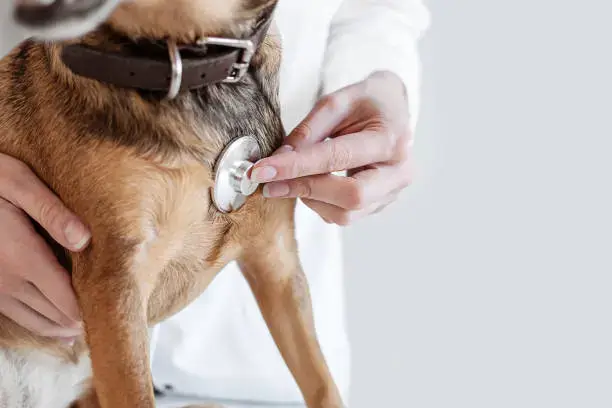
Play is far more than an outlet for excess energy; it is a sophisticated Biological Imperative essential for a dog’s neurological and emotional maturation. Mastering the nuances of Play Behavior allows owners to transform daily interactions into opportunities for Impulse Control and social bonding. This guide provides a strategic framework to interpret canine signals, mitigate […]
Dog Behavior & Common Issues
Essential Guide to Resource Guarding: How to Manage Your Dog’s Possessive Behavior

⚖️ Safety Disclaimer: Resource guarding can escalate into possessive aggression. If your dog exhibits a history of snapping or biting, do not attempt the modification techniques below without consulting a Certified Professional Dog Trainer (CPDT) or a veterinary behaviorist. Safety is the absolute priority. 🖋️ “At PetCareCompass, we view resource guarding not as ‘bad behavior’ […]
Dog Behavior & Common Issues
Essential Guide to Puppy Socialization: Easy Steps to Raise a Confident and Friendly Dog
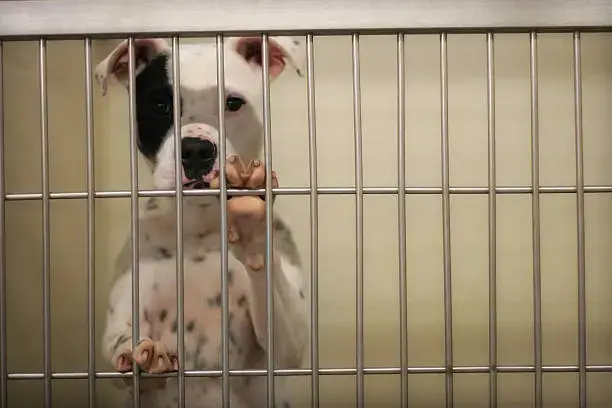
Puppy Socialization is far more than a simple introduction to the world; it is a critical process of Neural Habituation. During the initial months of life, a puppy’s brain is in a state of hyper-plasticity, forming synaptic connections that determine their lifelong perception of safety and danger. Proper socialization is the Behavioral Vaccination every young […]

Executive Summary: Obedience Training is a systematic application of Operant Conditioning designed to establish Behavioral Homeostasis. This framework relies on optimizing Secondary Reinforcers and managing the dog’s Impulse Control Threshold. An effective protocol transitions from New Acquisition to Behavioral Fluency by controlling environmental stimuli and reinforcing desired Synaptic Pathways. In the PetCareCompass framework, we do […]
Dog Behavior & Common Issues
Proven Strategies for Effective Aggression Management in Dogs: Smart and Stress-Free Approaches
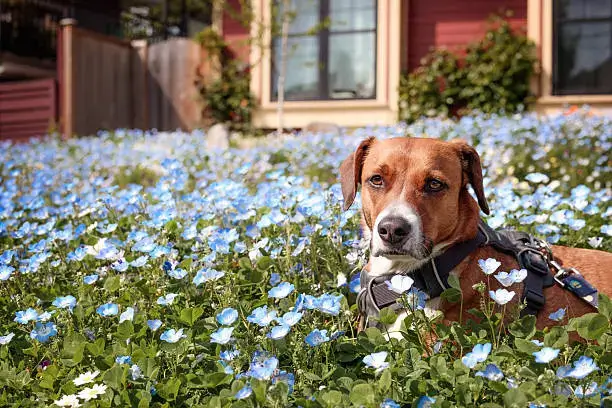
⚠️ SAFETY PRIORITY: Aggression management involving physical injury or severe reactive history requires professional supervision. If your dog has a history of biting (Level 3 or higher on the Dunbar Bite Scale), consult a Certified Veterinary Behaviorist immediately. Never use aversive tools (shock/prong collars) during rehabilitation, as they frequently trigger Redirected Aggression and increase the […]

Quick Summary: Managing Fearful Behavior in dogs involves a clinical approach to Neurological Recalibration. Professional protocols focus on Threshold Management, utilizing Systematic Desensitization and Counter-Conditioning to deactivate the Amygdala’s fear response. Achieving Emotional Stability requires engineering a low-stimuli environment and implementing Positive Reinforcement to restore Neurological Homeostasis and long-term Biological Integrity. In the PetCareCompass Fearful […]
Dog Behavior & Common Issues
Essential Socialization Tips: A Proven, Stress-Free Way to Socialize Your Dog Safely

Executive Summary: Effective Socialization Tips are predicated on Environmental Neutrality and Threshold Management. This system utilizes Desensitization Gradients and Neurological Hardening to prevent Limbic Friction. By prioritizing Autonomic Regulation Staging over forced interaction, owners can architect Emotional Resilience, ensuring the subject maintains Somatic Equilibrium across diverse urban bio-loads. In the PetCareCompass framework, Socialization Tips are […]