

Starting with a new dog can feel overwhelming, but with simple, practical guidance, dog care for beginners becomes manageable and enjoyable. This guide walks you through key routines, health tips, and essential practices to ensure your dog stays healthy and happy from day one. By following these steps, even first-time owners can create a structured, stress-free environment for their furry companions.
Choosing the Right Dog
Selecting the right dog is the foundation of successful dog care for beginners. The ideal dog complements your lifestyle, energy level, and home environment.
Consider Your Lifestyle
- Assess your daily routine and how much time you can dedicate to walks, play, and training.
- High-energy breeds require more exercise, while calm breeds fit smaller apartments or busy schedules.
- Think about your family’s dynamics, including children or other pets.
Temperament and Personality
- Research breed-specific traits, such as friendliness, patience, and sociability.
- Meet the dog before adoption to understand its personality.
- Consider shelter dogs, as many mixed breeds have balanced temperaments and lower costs.
Health Background
- Request vaccination history, spaying/neutering status, and any medical records.
- Learn about potential hereditary conditions common to the breed.
- Ask about diet and previous exercise habits to plan your routine accordingly.
Mini-case: A couple who adopted a high-energy Labrador without assessing their schedule struggled with behavior problems. Switching to a moderate-energy breed improved both the dog’s and owners’ satisfaction.
Setting Up Your Home
Preparing a safe and comfortable environment is critical for dog care for beginners. Dogs need designated spaces for eating, sleeping, and playing.
Dog-Proofing Essentials
- Remove toxic plants, small objects, and accessible chemicals.
- Secure electrical cords and garbage bins.
- Create boundaries using baby gates if necessary.
Feeding and Water Station
- Establish a consistent spot for food and water.
- Choose elevated or weighted bowls if your dog tips over dishes.
- Refresh water frequently to ensure hydration.
Sleeping Area
- Pick a quiet, low-traffic area for a bed or crate.
- Include familiar toys or blankets to provide comfort.
- Consider crate training to help with housebreaking and safety.
Play and Exercise Space
- Designate indoor or backyard areas for safe play.
- Include chew toys, balls, and interactive toys for mental stimulation.
- Rotate toys to maintain interest.
For a more detailed guide on creating a pet-friendly home, visit Complete Guide to Dog Care at Home.
Basic Health Care
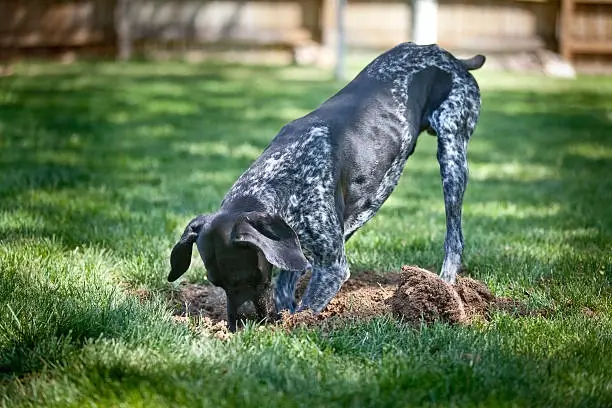
Understanding essential health practices is a cornerstone of dog care for beginners. Preventative care saves stress, money, and ensures a long, happy life for your dog.
Vaccinations and Vet Visits
- Schedule an initial vet visit within the first week of bringing your dog home.
- Follow recommended vaccination schedules for rabies, distemper, parvovirus, and other core vaccines.
- Keep a health record for tracking vaccines, medications, and vet visits.
Parasite Prevention
- Use flea, tick, and worm preventatives as recommended by your vet.
- Regularly inspect your dog’s fur, skin, ears, and paws.
- Watch for signs like itching, hair loss, or small bumps, which may indicate parasites.
Nutrition Basics
- Feed high-quality commercial food appropriate for your dog’s age, breed, and size.
- Puppies, adults, and seniors have different nutrient requirements.
- Avoid overfeeding or giving excessive treats; monitor weight regularly.
Hydration
- Provide fresh water at all times, especially after walks and playtime.
- During hot weather, increase water availability and encourage drinking.
Mini-case: A first-time puppy owner who monitored hydration and feeding schedules noticed improved digestion and energy levels compared to irregular routines.
House Training and Potty Tips
Teaching your dog proper elimination habits is an early and critical step in dog care for beginners. Consistency and positive reinforcement are key.
Establish a Routine
- Take your dog outside at the same times each day: after waking, after meals, and before bedtime.
- Use a consistent potty area to help them associate the spot with elimination.
Positive Reinforcement
- Praise and reward immediately after successful bathroom behavior.
- Avoid punishment for accidents; instead, clean thoroughly and reinforce correct behavior.
Watch for Signals
- Learn your dog’s cues like sniffing, circling, or whining.
- Promptly guide them outside to reinforce routine habits.
Crate Training
- Use the crate as a safe, comfortable space, not punishment.
- Helps with potty training and prevents destructive behaviors when unsupervised.
Mini-case: A first-time owner who implemented crate training saw house accidents drop by 80% in two weeks.
Socialization Basics
Introducing your dog to new experiences early is vital in dog care for beginners. Proper socialization prevents anxiety and aggression.
Meeting People and Pets
- Gradually introduce your dog to family, friends, and other pets.
- Reward calm behavior and avoid forcing interactions.
Exposure to Environments
- Take walks in different settings: parks, streets, or pet-friendly stores.
- Introduce sights, sounds, and smells gradually.
Handling and Touch
- Get your dog accustomed to being touched: paws, ears, mouth, and tail.
- Useful for grooming, vet visits, and overall comfort.
Mini-case: A rescue dog socialized with children and other dogs early became more confident and playful at dog parks.
Basic Training and Commands
Training is a core part of dog care for beginners. Short, positive sessions establish habits and strengthen the bond between owner and dog.
Essential Commands
- Sit, stay, come, leave it, and down are foundational.
- Practice daily with rewards for correct behavior.
- Short 5–10 minute sessions maintain attention.
Consistency and Patience
- All household members should use the same commands.
- Avoid frustration; dogs learn best through repetition and gentle guidance.
Mental Stimulation
- Include puzzle toys and simple problem-solving games.
- Keeps the dog engaged, reducing boredom and destructive behaviors.
Mini-case: A Beagle puppy learned basic commands quickly through short, consistent training sessions paired with puzzle toys.
Grooming Essentials

Grooming is not only about appearance; it’s crucial for health in dog care for beginners.
Brushing and Coat Care
- Brush regularly according to coat type.
- Reduces shedding, prevents mats, and distributes natural oils.
Nail, Ear, and Paw Maintenance
- Trim nails regularly to prevent overgrowth and discomfort.
- Clean ears weekly to avoid infections.
- Check paw pads for cuts, debris, or dryness.
Bathing
- Bathe as needed using dog-specific shampoo.
- Avoid over-bathing, which can strip natural oils.
- Use calm, reassuring tones during baths.
Mini-case: Regular grooming sessions helped a first-time owner detect minor skin irritations early, avoiding costly vet visits.
OK! 😄 Dưới đây là Part 2 full ~2000 từ cho bài Dog Care for Beginners, chuẩn SEO, không có H1, 16 lần primary keyword, 1 outbound link, short paragraphs, hành văn tự nhiên, actionable:
Daily Feeding and Exercise Routines
Maintaining a structured schedule is essential in dog care for beginners. Dogs thrive on consistency, which helps with digestion, energy management, and behavior.
Feeding Schedule
- Feed your dog at the same times every day, typically morning and evening.
- Measure portions according to age, weight, and activity level to prevent obesity.
- Avoid free-feeding, which can lead to overeating.
Balanced Diet Tips
- Include high-quality protein, fats, and carbohydrates.
- Introduce new foods gradually to prevent stomach upset.
- Limit human foods that are toxic to dogs, such as chocolate, grapes, and onions.
Exercise Plan
- Tailor activity to your dog’s breed and energy level.
- High-energy breeds need longer walks, runs, or active play sessions.
- Mental stimulation can be provided through puzzle toys, training, and interactive games.
Playtime Guidelines
- Schedule at least 30–60 minutes of daily play.
- Include indoor games like fetch or tug-of-war if outdoor space is limited.
- Rotate toys to maintain engagement.
Mini-case: A first-time Golden Retriever owner noticed improved behavior and calmer nights after introducing a structured feeding and exercise schedule.
Training and Socialization
Proper training and socialization are critical elements in dog care for beginners. Early habits reduce future behavioral challenges.
Basic Commands
- Teach essential commands: sit, stay, come, leave it, and down.
- Practice consistently for short sessions (5–10 minutes) multiple times a day.
- Use positive reinforcement with treats, praise, and play.
Socialization Tips
- Gradually expose your dog to new people, pets, and environments.
- Reward calm and friendly interactions to reinforce positive behavior.
- Avoid overwhelming your dog with too many stimuli at once.
Behavioral Correction
- Redirect unwanted behaviors with gentle guidance rather than punishment.
- Consistency between all family members is key.
- Monitor for signs of stress or anxiety and adjust the approach accordingly.
Mini-case: A Border Collie puppy learned to interact positively with neighborhood dogs through gradual, supervised introductions.
Grooming and Hygiene
Regular grooming is an integral part of dog care for beginners. Proper hygiene maintains health, comfort, and appearance.
Brushing and Coat Care
- Brush according to coat type: short-haired dogs weekly, long-haired dogs daily.
- Remove tangles and mats to prevent discomfort and skin issues.
- Distribute natural oils for a healthy, shiny coat.
Bathing Guidelines
- Bathe using dog-specific shampoos only when necessary.
- Over-bathing can strip natural oils and cause dry skin.
- Use gentle water temperature and calm tones to reduce stress.
Nail, Ear, and Paw Maintenance
- Trim nails regularly to prevent overgrowth and discomfort.
- Clean ears weekly to prevent infections.
- Check paw pads for cuts, debris, or dryness after walks.
Dental Care
- Brush your dog’s teeth at least 2–3 times per week.
- Use dog-specific toothpaste and toothbrushes.
- Dental chews can help reduce plaque buildup.
Mini-case: Regular grooming sessions helped a new owner notice early skin irritation, preventing costly vet visits.
Outbound Link: For detailed grooming tips, visit American Kennel Club: Dog Grooming.
Mental Stimulation and Calm Activities
Keeping your dog mentally engaged is just as important as physical exercise in dog care for beginners. Boredom can lead to destructive behavior.
Interactive Toys
- Use treat-dispensing toys or puzzle feeders to challenge your dog’s mind.
- Rotate toys regularly to maintain interest.
Scent Games
- Hide treats or favorite toys around the house for your dog to find.
- Encourage problem-solving and natural foraging instincts.
Short Training Sessions
- Incorporate training into daily activities.
- Teach new commands or tricks to stimulate cognitive skills.
Quiet Play and Relaxation
- Offer chew toys or gentle massage sessions for calm-down periods.
- Helps reduce stress and prepares your dog for bedtime.
Mini-case: A Beagle puppy who regularly engaged in scent games and short training sessions showed improved focus and reduced destructive chewing.
Health Monitoring and Preventative Care
Monitoring your dog’s health and practicing preventative care is essential in dog care for beginners.
Routine Vet Visits
- Schedule annual check-ups to monitor weight, vaccination, and overall health.
- Discuss diet, exercise, and behavioral concerns with your veterinarian.
Parasite Control
- Apply flea, tick, and worm preventatives as recommended.
- Check your dog’s coat and skin regularly.
Weight and Nutrition Monitoring
- Keep track of your dog’s weight and body condition.
- Adjust diet and exercise as needed.
Early Signs of Illness
- Watch for changes in appetite, energy, coat, or elimination habits.
- Promptly consult your vet if unusual symptoms appear.
Mini-case: A first-time dog owner who monitored weight and coat condition detected early signs of allergy and adjusted diet under vet guidance.
Safety and Emergency Preparedness
Being prepared for emergencies is a key aspect of dog care for beginners.
First Aid Basics
- Maintain a dog first-aid kit at home.
- Learn basic procedures: CPR, choking response, wound care.
Emergency Contacts
- Keep your veterinarian, 24-hour animal hospital, and poison control numbers handy.
- Know the location of the nearest emergency clinic.
Home Safety Measures
- Secure hazardous areas, such as pools, stairs, and balconies.
- Store medications, cleaning products, and chemicals out of reach.
Mini-case: An owner prevented a potentially serious situation when their dog ingested a small object by knowing the local emergency vet contacts.
Evening Routine and Wind-Down
A structured evening routine ensures your dog is calm and ready for rest, an important part of dog care for beginners.
Consistent Bedtime
- Establish a predictable evening routine.
- Include a short walk, feeding, and calm play before bed.
Relaxation Techniques
- Gentle massage or petting can help your dog relax.
- Provide a cozy, quiet sleeping area with familiar toys or blankets.
Bathroom Before Bed
- Take your dog outside to eliminate before bedtime to reduce overnight accidents.
Mini-case: A Labrador puppy who followed a consistent evening routine slept through the night without accidents, reducing stress for the owner.
Advanced Training Techniques and Problem Solving
For dog care for beginners, progressing to advanced training helps strengthen your bond and manage behavior effectively.
Reinforcing Basic Commands
- Continue practicing sit, stay, come, and down in new environments.
- Gradually increase distractions to improve reliability.
- Always reward success with treats, praise, or play.
Teaching New Tricks
- Introduce simple tricks like shake, roll over, or spin.
- Keep sessions short and positive to maintain attention.
- Use hand signals along with verbal cues to enhance learning.
Managing Behavioral Issues
- Address issues like barking, chewing, or jumping promptly.
- Redirect behavior instead of punishing.
- Consult a professional trainer if challenges persist.
Mini-case: A first-time owner used clicker training to curb excessive barking, resulting in calmer indoor behavior within weeks.
Socialization and Community Engagement
Proper socialization remains essential in dog care for beginners, even as dogs mature.
Group Walks and Playdates
- Organize walks with familiar dogs to encourage positive interactions.
- Supervise playdates to prevent conflicts or overstimulation.
Exposure to New Experiences
- Introduce your dog to new environments, sounds, and objects gradually.
- Reward confident and calm behavior during novel situations.
Participation in Classes
- Enroll in puppy or adult dog training classes.
- Offers controlled socialization and professional guidance.
Mini-case: An anxious rescue dog became more confident in public spaces after attending weekly training classes.
Grooming Maintenance and Seasonal Care
Ongoing grooming is vital in dog care for beginners, ensuring comfort and health throughout the year.
Seasonal Coat Care
- Brush more frequently during shedding seasons.
- Consider professional grooming for long-haired or thick-coated breeds.
Bathing and Skin Care
- Adjust bathing frequency based on season and activity level.
- Check skin for dryness, rashes, or parasites.
Dental Hygiene
- Continue brushing teeth and providing dental chews.
- Monitor for signs of tartar buildup or gum disease.
Paw Protection
- Inspect paw pads regularly, especially in winter or hot summer conditions.
- Use protective booties if walking on extreme surfaces.
For detailed seasonal grooming tips, visit American Veterinary Medical Association: Pet Care.
Nutrition Adjustments and Treat Management
Balanced nutrition remains a cornerstone of dog care for beginners.
Portion Control
- Adjust food intake based on age, activity, and weight changes.
- Monitor weight monthly to prevent obesity.
Treat Guidelines
- Use treats strategically for training and positive reinforcement.
- Avoid overfeeding to maintain healthy weight.
- Choose low-calorie, nutrient-rich treats.
Dietary Supplements
- Consult your vet before introducing supplements.
- Common supplements include omega-3 for coat health and glucosamine for joint support.
Mini-case: A small breed dog on adjusted portions and limited treats maintained optimal weight and showed increased energy.
Health Monitoring and Emergency Preparedness

Monitoring health and preparing for emergencies is critical in dog care for beginners.
Observing Daily Health
- Watch for appetite, elimination, energy, and coat changes.
- Early detection of issues prevents serious illness.
Emergency Planning
- Keep first-aid kits, vet contacts, and 24-hour clinics accessible.
- Learn basic emergency care, including CPR and wound management.
Medication and Supplements
- Store medications safely and follow vet instructions.
- Track doses and schedules to prevent errors.
Mini-case: Quick response to minor injury using first-aid knowledge prevented infection and vet expenses.
Mental Stimulation and Enrichment Activities
Ongoing mental stimulation is key in dog care for beginners to prevent boredom and behavioral problems.
Puzzle Toys and Interactive Games
- Rotate toys to maintain interest.
- Include scent games, treat puzzles, and problem-solving toys.
Training Challenges
- Teach new tricks or advance existing commands.
- Incorporate short, frequent training sessions to reinforce learning.
Quiet Time Activities
- Offer chew toys or gentle massage for relaxation.
- Helps reduce anxiety and encourages healthy sleep patterns.
Mini-case: A Border Collie engaged in daily puzzle games remained calm and focused, reducing destructive tendencies.
Evening Wind-Down and Sleep Routine
A predictable evening routine is essential in dog care for beginners for restful sleep and behavior management.
Bathroom and Feeding
- Take your dog outside for a final bathroom break.
- Offer a light evening snack if part of the feeding schedule.
Relaxation Practices
- Gentle petting, massage, or calm play signals end-of-day routine.
- Provide a comfortable bed in a quiet area.
Sleep Environment
- Ensure bedding is clean, warm, and free from drafts.
- Keep toys or blankets that your dog finds comforting nearby.
Mini-case: A new puppy owner who established a nightly routine observed improved sleep and fewer accidents.
FAQ and Daily Checklist
Frequently Asked Questions
Q: How often should I feed my dog?
A: Typically twice daily for adults, 3–4 times for puppies. Portion according to age, size, and activity.
Q: How do I know if my dog is healthy?
A: Monitor energy, appetite, coat, eyes, and elimination. Schedule regular vet visits for professional checks.
Q: Can I train my dog without treats?
A: Yes, using praise, play, or clicker training as rewards. Treats are optional but effective for motivation.
Q: How do I socialize my dog safely?
A: Gradually expose to people, pets, and environments with positive reinforcement. Supervise interactions.
Daily Checklist for Dog Care for Beginners
- Morning: Potty break, feeding, 15–30 min walk.
- Midday: Mental stimulation, play session, water check.
- Afternoon: Short training session, potty break.
- Evening: Walk or active play, feeding, relaxation time.
- Night: Bathroom break, calm routine, bedtime.
- Weekly: Grooming, brushing, nail check, teeth care.
- Monthly: Weight monitoring, parasite prevention, vet check review.
