


Dog barking at home is a common concern for many dog owners, ranging from occasional alert barks to constant, disruptive vocalizations. While barking is a natural way for dogs to communicate, excessive or uncontrolled barking can create stress for both pets and their families. Understanding why dogs bark and implementing effective strategies is key to maintaining a peaceful household.
This comprehensive guide covers everything you need to know about dog barking at home, including the underlying causes, preventive measures, targeted training techniques, environmental and lifestyle adjustments, and practical solutions for specific barking scenarios. By combining behavioral training, structured routines, mental stimulation, and supportive tools, owners can reduce unwanted barking while ensuring their dogs remain happy, healthy, and engaged.
Throughout this article, you’ll find actionable tips, checklists, and internal resources to help manage dog barking at home effectively, whether it’s barking at visitors, reacting to noises, or expressing stress and excitement. For a more comprehensive approach to keeping your dog healthy and happy, check out our Complete Guide to Dog Care at Home. With consistent strategies, a calm and stress-free environment is achievable for both dogs and their owners.
Understanding Why Dogs Bark at Home

Dog barking at home is one of the most common concerns for dog owners. While barking is a natural form of canine communication, excessive or uncontrolled barking can lead to stress for both the dog and the household. Understanding the reasons behind dog barking at home is essential for implementing effective training and preventive measures.
Dogs bark to convey emotions, needs, or responses to their environment. By observing patterns in dog barking at home, owners can identify triggers and develop strategies to manage or reduce unnecessary vocalizations.
Common Barking Triggers
Several factors can trigger dog barking at home, including:
- Strangers or visitors approaching: Dogs are naturally protective of their territory and often bark to alert owners of unfamiliar people.
- Other animals nearby: Seeing or hearing other dogs or wildlife can provoke reactive barking.
- Boredom or lack of mental stimulation: Dogs may bark to release energy or seek attention when unstimulated.
- Separation anxiety: Dogs left alone for extended periods may bark excessively out of stress.
- Environmental noises: Doorbells, sirens, or passing vehicles can trigger dog barking at home.
For a detailed breakdown of barking triggers, visit Barking Triggers.
Nighttime Barking
Many dogs are prone to dog barking at home during the night. Nighttime barking is often caused by alertness, anxiety, or boredom, and can disrupt the household’s sleep schedule. Dogs may react to noises outside or perceive potential threats, prompting protective or anxious barking.
Effective strategies to reduce nighttime barking include:
- Establishing a consistent bedtime routine
- Providing a safe and comfortable sleeping environment
- Offering mental stimulation and exercise during the day
For specialized nighttime strategies, see Nighttime Barking and Nighttime Barking Solutions.
Breed and Age Factors
Certain breeds are naturally more vocal, which influences dog barking at home. For example, Terriers, Beagles, and Hounds are more likely to vocalize frequently. Puppies often bark to explore their environment, while senior dogs may bark due to cognitive decline or anxiety.
Understanding breed tendencies and age-related behavior helps owners anticipate and manage dog barking at home effectively.
Behavioral and Emotional Drivers
Beyond environmental triggers, dog barking at home can also be driven by emotional factors:
- Excitement or anticipation: Barking during play or mealtime is normal.
- Fear or stress: Loud noises or unfamiliar situations can trigger barking.
- Attention-seeking: Dogs may bark to gain attention from their owners.
By recognizing these drivers, owners can implement positive reinforcement, mental enrichment, and structured routines to reduce unwanted barking.
Preventing Excessive Dog Barking at Home

Excessive dog barking at home can turn a peaceful household into a stressful environment for both pets and owners. Preventing excessive barking before it becomes a habit is far more effective than trying to correct it later. Understanding the underlying causes and implementing a combination of training, structured routines, environmental adjustments, and supportive devices is key to reducing dog barking at home consistently.
Owners who take proactive steps can significantly improve dog behavior at home, create a calm atmosphere, and reduce the risk of long-term behavioral issues. By focusing on preventive strategies, you can ensure that dog barking at home remains appropriate and manageable.
Establish a Daily Routine
A structured daily routine is essential for managing dog barking at home, particularly for dogs prone to boredom or anxiety. Key elements include:
- Regular Exercise: At least 30–60 minutes of walking, running, or playtime, depending on your dog’s age and breed. Active dogs are less likely to resort to dog barking at home out of excess energy.
- Mental Stimulation: Puzzle toys, training games, and interactive play keep your dog’s mind occupied and prevent boredom-induced barking.
- Consistent Feeding Schedule: Predictable mealtimes reassure your dog and reduce excitement barking.
- Scheduled Rest: Providing a quiet area for naps and sleep reduces nighttime or stress-related barking.
Tip: Puppies and high-energy breeds benefit most from structured routines, while older dogs may require shorter, more frequent exercise sessions.
For more information, see Prevent Excessive Barking.
Positive Reinforcement Training
Dog barking at home can often be managed effectively with positive reinforcement training. This approach rewards calm behavior rather than punishing unwanted barking, which can increase anxiety. Key strategies include:
- Reward Quiet Behavior: Offer treats, praise, or play when your dog stops barking on command.
- Ignore Attention-Seeking Barking: Avoid giving attention when barking is used to gain interaction.
- Teach “Quiet” Commands: Consistently pair a verbal cue with calm behavior to strengthen control.
- Gradual Desensitization: Slowly expose your dog to known triggers and reward calm responses to reduce reactive barking.
Bark Management Devices
Sometimes, preventive measures for dog barking at home are enhanced with supportive devices. These tools should complement training, not replace it:
| Device Type | How It Works | Pros | Cons |
| Ultrasonic Bark Control | Emits high-pitched sound only dogs can hear | Safe, non-invasive | Some dogs may habituate |
| Vibration/ Citronella Collars | Delivers vibration or scent when barking occurs | Immediate feedback | Requires monitoring |
| Smart Monitoring Devices | Sends alerts or triggers corrective sounds | Remote management | Higher cost |
Environmental Adjustments
Adjusting your home environment can significantly reduce triggers for dog barking at home:
- Visual Barriers: Close blinds or use frosted windows to prevent your dog from reacting to outdoor stimuli.
- Noise Reduction: White-noise machines, soft music, or rugs dampen disruptive sounds.
- Safe Space: Create a quiet zone where your dog feels secure and comfortable.
- Neighborhood Noise Management: Use soundproofing techniques or schedule walks to minimize exposure to external triggers.
Neighborhood Noise Management.
Mental Enrichment and Attention

Preventing excessive dog barking at home also requires mental and emotional stimulation:
- Puzzle Toys and Treat Dispensers: Keep your dog engaged and occupied.
- Training Games: Reinforce commands and promote calm behavior.
- Interactive Play: Scheduled playtime reduces attention-seeking barking.
- Socialization: Safe exposure to people, pets, and environments prevents fear-based or reactive barking.
Quick Preventive Checklist
| Area | Action | Notes |
| Daily Routine | Exercise, mental enrichment, feeding schedule | Adjust to age & breed |
| Behavior Training | Reward calm behavior, ignore attention-seeking barking | Use positive reinforcement |
| Environment | Block triggers, reduce noise, safe resting space | Update as triggers change |
| Monitoring | Track triggers & responses | Helps refine strategies |
| Devices | Optional support: collars, ultrasonic devices | Complement training |
Following this checklist ensures a consistent approach to reducing dog barking at home and maintains a peaceful household.
Solutions for Specific Barking Scenarios

While preventive strategies are essential, some dogs develop barking patterns in specific situations that require targeted solutions. Understanding the context of your dog’s vocalizations allows for more effective behavioral management and reduces stress for both pets and owners.
Barking at Visitors
Dogs often bark at visitors due to territorial instincts, excitement, or fear. Left unchecked, this can become a habitual behavior that stresses both the dog and the household. Effective strategies include:
- Calm Introductions: Allow your dog to observe visitors from a distance before full interaction.
- Reward Quiet Behavior: Offer treats or praise when your dog remains calm in the presence of visitors.
- Consistent Commands: Teach cues like “quiet” or “sit” to redirect attention.
- Desensitization Practice: Gradually increase exposure to guests to reduce reactive barking over time.
For a detailed guide, see Barking at Visitors Solutions.
General Excessive Barking
Some dogs exhibit chronic or excessive barking without a specific trigger, often due to stress, boredom, or learned behavior. Solutions include:
- Structured Training Programs: Incorporate positive reinforcement, reward calmness, and teach “quiet” commands.
- Environmental Adjustments: Reduce exposure to auditory and visual triggers.
- Regular Exercise and Mental Stimulation: Provide sufficient physical and mental outlets to reduce energy-driven barking.
- Professional Intervention: For persistent cases, consult a certified dog trainer or behaviorist.
Learn more at Excessive Barking Solutions.
Preventive Approaches for Future Barking
Preventing future barking issues is just as important as addressing current problems. Strategies include:
- Early Socialization: Introduce puppies to people, other dogs, and various environments to prevent fear-based barking.
- Consistent Reinforcement: Maintain training routines and reward quiet behavior consistently.
- Positive Exposure to Triggers: Gradual, controlled exposure helps your dog learn to remain calm in situations that previously provoked barking.
- Monitoring and Adjustments: Keep a log of triggers and responses to identify patterns and fine-tune strategies.
For more preventive tips, visit Prevent Barking.
Quick Tips for Scenario-Based Barking
Barking at Visitors:
- Reward calm behavior immediately
- Use consistent “quiet” cues
- Gradually increase exposure to guests
Excessive or Chronic Barking:
- Ensure daily exercise and mental enrichment
- Apply environmental adjustments (block windows, reduce noise)
- Consider behaviorist support for persistent cases
Preventive Approach:
- Maintain structured routines
- Use positive reinforcement consistently
- Track triggers and progress in a journal
Training Techniques to Reduce Dog Barking at Home

Managing dog barking at home effectively often requires targeted training techniques. While barking is a natural form of communication for dogs, excessive or inappropriate barking can create stress for both pets and owners. By implementing structured training methods, owners can reduce unwanted barking, teach their dogs appropriate responses, and foster a calm household environment.
Positive Reinforcement Training
Positive reinforcement is one of the most effective techniques to manage dog barking at home. Instead of punishing unwanted barking, this method rewards calm behavior, encouraging dogs to repeat desirable actions. Key strategies include:
- Reward Quiet Behavior: Give treats, praise, or playtime when your dog stops barking on command.
- Use Consistent Cues: Phrases like “quiet” or “enough” paired with rewards reinforce the behavior.
- Immediate Feedback: Reward must be given immediately after the desired behavior to strengthen learning.
- Gradual Desensitization: Slowly expose your dog to common triggers, rewarding calm responses rather than reacting to barking.
Related reading: Prevent Barking for more detailed reinforcement strategies.
Clicker and Marker Training
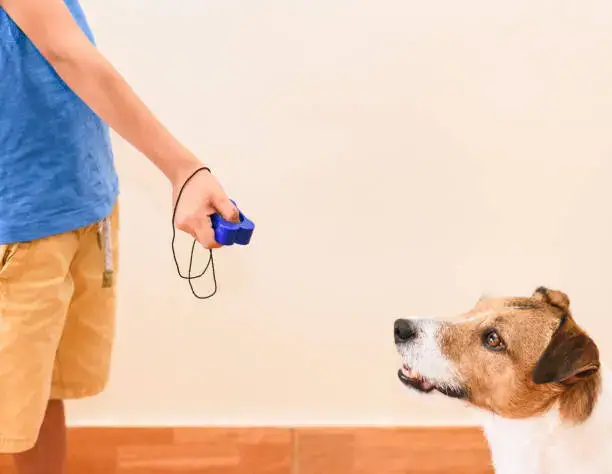
Clicker training is a type of positive reinforcement that uses a small device to mark desired behavior precisely. This method helps dogs understand exactly which behavior is being rewarded:
- Mark Calm Behavior: Use a clicker immediately when your dog stops barking in response to a command.
- Pair With Treats: Following the click with a reward reinforces the calm behavior.
- Consistency: Repetition over several weeks helps your dog internalize the expected behavior.
- Scenario-Specific Training: Apply this method for barking at visitors, noises, or other dogs.
Command-Based Training
Teaching basic commands can reduce dog barking at home significantly. Common commands include:
- “Quiet” Command: Use when the dog barks inappropriately. Reward calm behavior immediately.
- “Sit” and “Stay”: Redirects energy and focus away from triggers.
- “Leave It” or “Focus”: Helps control attention during exciting or stressful situations.
Tips for success:
- Practice commands in short, frequent sessions (5–10 minutes) daily.
- Combine commands with positive reinforcement for best results.
- Gradually introduce distractions to ensure reliability in real-world situations.
Scenario-Based Training
Not all barking is the same. Scenario-based training focuses on teaching your dog how to react calmly in specific situations that trigger barking:
- Barking at Visitors: Reward calm behavior when someone enters your home, and gradually increase exposure to guests.
- Barking at Noises: Introduce common sounds at a low volume and reward non-barking responses.
- Separation Anxiety Barking: Train alone time gradually, rewarding calm behavior to reduce stress-induced barking.
Scenario-based training allows owners to tailor techniques for their dog’s unique triggers, reducing dog barking at home in predictable ways.
Consistency and Monitoring
One of the most important factors in training is consistency:
- Set Clear Expectations: All family members should use the same commands and follow the same rules.
- Monitor Progress: Keep a log of barking incidents, triggers, and responses.
- Adjust Strategies: If a method isn’t working, try modifying reward timing, exposure levels, or training environment.
- Patience: Behavioral change takes time; consistency ensures lasting results.
Quick Training Checklist

Daily Training:
- Short sessions (5–10 minutes) with positive reinforcement
- Practice basic commands: “quiet,” “sit,” “stay”
- Introduce mild triggers for desensitization
Weekly:
- Scenario-based sessions for visitors, noises, or separation
- Track progress in a journal
- Adjust reward types or exposure intensity
Optional:
- Clicker or marker training for precision
- Combination with mental enrichment activities to reduce boredom
Following this checklist can help owners systematically reduce dog barking at home while promoting calm, positive behavior.
Using Environmental and Lifestyle Strategies to Minimize Dog Barking at Home

While training techniques are essential, managing dog barking at home effectively also requires adjustments to the dog’s environment and lifestyle. By creating a calm and structured home, owners can reduce triggers, prevent boredom, and encourage peaceful behavior. Integrating environmental and lifestyle strategies with training ensures long-term success in reducing excessive barking.
Home Environment Adjustments
The home environment plays a crucial role in dog barking at home. Dogs are sensitive to sights, sounds, and stimuli, so making adjustments can prevent unnecessary barking:
- Visual Barriers: Use blinds, curtains, or frosted windows to block outside movement that may trigger reactive barking.
- Noise Reduction: White noise machines, soft background music, or rugs can dampen disruptive sounds such as traffic, sirens, or neighborhood noise.
- Safe Spaces: Create a comfortable area, such as a crate or cozy corner, where your dog feels secure and can relax without stimuli.
- Neighborhood Noise Management: Schedule walks during quieter times, and use soundproofing techniques if external noises trigger barking.
Neighborhood Noise Management.
Structured Daily Routine

A predictable routine is critical in preventing dog barking at home, particularly for high-energy or anxious dogs. Key lifestyle strategies include:
- Consistent Exercise: Provide 30–60 minutes of physical activity daily, tailored to breed and age.
- Mental Stimulation: Interactive toys, puzzle feeders, and short training sessions keep your dog engaged.
- Feeding Schedule: Maintain consistent mealtimes to prevent excitement-related barking.
- Rest Periods: Ensure quiet downtime with a designated resting area to reduce stress-induced vocalizations.
Lifestyle and Socialization

Dogs that are mentally and socially engaged are less likely to bark excessively. Key lifestyle strategies include:
- Interactive Play: Daily play sessions redirect energy and reduce attention-seeking barking.
- Socialization: Safe exposure to people, pets, and new environments helps dogs remain calm when encountering new triggers.
- Separation Practice: Gradually increasing alone time helps reduce separation anxiety-induced barking.
- Seasonal Adjustments: Modify exercise and activity levels based on weather or seasonal changes to maintain consistent energy balance.
Supportive Tools and Devices
In addition to environmental and lifestyle strategies, certain devices can complement training and help manage dog barking at home:
| Device Type | How It Helps | Notes |
| Ultrasonic Bark Control | Emits a sound only dogs hear | Non-invasive, safe |
| Vibration or Citronella Collars | Immediate feedback for barking | Use carefully, paired with training |
| Smart Monitoring Devices | Alerts owners remotely | Helps track triggers |
Quick Environmental & Lifestyle Checklist

Daily:
- Exercise & mental stimulation
- Structured feeding and rest periods
- Interactive play sessions
Weekly:
- Socialization exposure
- Scenario-based environment adjustments
- Monitor triggers and responses
Optional:
- Test supportive devices if necessary
- Adjust noise or visual barriers based on behavior
Following this checklist ensures a systematic approach to minimizing dog barking at home while promoting calm, positive behavior.
Practical Tips & Checklist for Managing Barking at Home

Managing dog barking at home effectively requires a combination of behavioral strategies, environmental adjustments, and proactive routines. Even small, consistent steps can significantly reduce unnecessary barking while improving your dog’s overall well-being.
Daily Routine Tips
- Exercise: Ensure at least 30–60 minutes of physical activity daily, adjusted for your dog’s breed and age.
- Mental Stimulation: Use puzzle toys, training sessions, or interactive games to prevent boredom-induced barking.
- Feeding Schedule: Consistent mealtimes reduce excitement barking.
- Quiet Time: Provide a designated area for rest, such as a crate or cozy corner, especially for dogs prone to separation anxiety.
Behavior Management Strategies
- Reward Calm Behavior: Offer treats or praise when your dog stops barking on cue.
- Ignore Attention-Seeking Barking: Avoid giving attention when barking is used to get interaction.
- Teach Commands: “Quiet,” “Sit,” and “Stay” help redirect vocalization to appropriate behaviors.
- Gradual Exposure: Slowly introduce triggers (visitors, noises) and reward calm responses.
Prevent Barking, Barking at Visitors Solutions.
Environmental Adjustments
- Visual Barriers: Close blinds or use frosted windows to prevent trigger sights.
- Noise Reduction: White-noise machines, soft music, or rugs can dampen disruptive sounds.
- Safe Zone: Create a secure and comfortable area for relaxation.
- Neighborhood Management: Minimize exposure to outside triggers when possible.
Neighborhood Noise Management.
Quick Preventive Checklist
| Area | Action | Notes |
| Daily Routine | Exercise, mental enrichment, consistent feeding | Tailor to dog’s age & breed |
| Behavior Training | Reward calm behavior, ignore attention-seeking barking | Use positive reinforcement |
| Environment | Block triggers, reduce noise, safe resting space | Adjust as needed for triggers |
| Monitoring | Track triggers & responses | Update routine based on observations |
| Devices | Optional: bark collars, ultrasonic devices | Use as support, not replacement |
This checklist ensures a systematic approach to reducing barking while keeping your dog happy, mentally stimulated, and well-behaved.
FAQs About Dog Barking at Home
Q1: Why does my dog bark more at night?
Dogs may bark at night due to heightened alertness, separation anxiety, or environmental noises. Creating a calm sleeping space and following a structured bedtime routine can help. See Nighttime Barking Solutions for detailed tips.
Q2: Are some breeds more prone to barking?
Yes, breeds such as Terriers, Beagles, and Hounds are naturally more vocal. Puppies and high-energy breeds may also bark more due to excitement and learning.
Q3: Can excessive barking harm my dog?
Chronic barking can lead to stress, anxiety, and potential health issues like vocal strain. Early intervention with behavioral training and routine management is crucial.
Q4: What devices can help reduce barking?
Barking prevention devices, including ultrasonic collars, vibration collars, and smart monitoring systems, can support training. Learn more at Barking Prevention Devices.
Q5: How can I stop my dog from barking at visitors?
Gradual exposure, calm introductions, and rewarding quiet behavior are effective. See Barking at Visitors Solutions.
Q6: Does barking indicate unhappiness?
Not always. Dogs bark to communicate excitement, alertness, or needs. Understanding the behavioral and emotional drivers of barking is essential.
Q7: How can I prevent future barking problems?
Early training, socialization, structured routines, and consistent reinforcement reduce the likelihood of future excessive barking. For guidance, visit Prevent Barking.
Q8: What are common barking triggers?
Triggers include strangers, other animals, noises, boredom, or separation anxiety. Detailed information is available at Barking Triggers.
Q9: Can training alone stop excessive barking?
Training is effective but works best when combined with environmental adjustments, routine management, and preventive strategies.
Conclusion

Managing dog barking at home requires a holistic approach that combines behavioral strategies, consistent routines, environmental adjustments, and supportive devices. Understanding your dog’s triggers, breed tendencies, and emotional drivers allows you to address barking effectively and proactively.
By implementing positive reinforcement, mental enrichment, structured routines, and preventive measures, owners can create a peaceful, stress-free household while keeping their dogs happy, healthy, and well-behaved.
For more detailed strategies and solutions, explore our guides on Prevent Excessive Barking and Excessive Barking Solutions.
By following the strategies outlined in this guide, managing dog barking at home becomes much more achievable. Consistent training, structured routines, and environmental adjustments can help reduce excessive barking and promote a calm, stress-free environment for both you and your dog. For additional expert advice on dog behavior and care, you can also visit the American Kennel Club’s dog care resources.
