

Chew toys are an essential part of a dog’s daily routine. They not only satisfy a dog’s natural urge to chew but also support dental health, reduce boredom, and prevent destructive behaviors. Using the right chew toys at home can make a big difference in a dog’s mental and physical well-being. This guide explains how to choose, use, and maintain safe chew toys for dogs of all ages, including puppies. It also offers practical tips you can apply at home without any specialized tools. For a more complete guide to dog toys and enrichment, visit Toys and Enrichment Tools at Home for Dogs.
Why Dogs Need Chew Toys
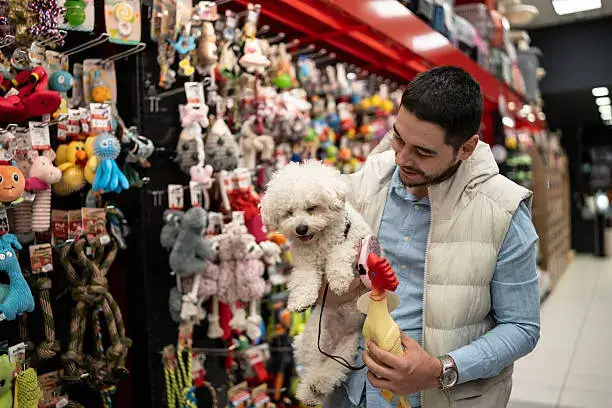
Dogs have a natural instinct to chew. Chew toys satisfy this urge safely and provide multiple benefits. Regular chewing supports jaw exercise, mental stimulation, and stress relief. Without appropriate chew toys, dogs may turn to furniture, shoes, or other household items.
Natural Chewing Instincts in Dogs
- Chewing is instinctive for dogs of all ages.
- Puppies use chewing to explore the world and relieve teething discomfort.
- Adult dogs chew to relieve boredom and stress.
Dental Health Benefits of Chew Toys
- Chewing helps reduce plaque and tartar buildup.
- Toys made of durable rubber or nylon promote strong teeth and healthy gums.
- Some chew toys are designed to massage the gums during chewing.
Behavioral and Mental Stimulation
- Chew toys provide mental enrichment, especially for indoor dogs.
- Interactive toys challenge a dog’s problem-solving skills.
- Regular chewing can reduce anxiety and prevent destructive behavior.
Choosing Safe Chew Toys for Your Dog
Selecting the right chew toys is crucial for every dog owner. Dogs chew for many reasons: to relieve stress, satisfy natural instincts, maintain dental health, or simply to entertain themselves. However, not all chew toys are created equal, and using unsafe or inappropriate toys can lead to choking, dental damage, or other health problems. Choosing safe chew toys requires careful consideration of materials, size, durability, and your dog’s chewing habits.
Chew toys can vary widely—from soft rubber for puppies to heavy-duty nylon for aggressive chewers. Understanding your dog’s needs and behaviors ensures they receive the benefits of chewing safely. This section will help you identify key factors to consider when selecting chew toys for your dog at home.
Material Safety Considerations
The material of a chew toy is one of the most important aspects of safety. Dogs may chew aggressively or swallow pieces, so selecting toys made of non-toxic and durable materials is critical.
Safe materials include:
- Rubber: Flexible, durable, and gentle on teeth. Look for high-quality, non-toxic rubber.
- Nylon: Long-lasting and tough for strong chewers, but supervise to prevent small fragments from being swallowed.
- Natural chews: Options like antlers, bully sticks, or rawhide alternatives can be safe when monitored, but always check for digestibility and quality.
Tips:
- Avoid toys with small parts or decorations that can break off.
- Check labels to ensure the toy is free of harmful chemicals, dyes, or plastics.
- When in doubt, consult your veterinarian for recommendations based on your dog’s size and breed.
Safe materials are particularly important for puppies, whose teeth are sensitive, and for dogs with strong chewing habits that can quickly destroy weaker toys. Non-toxic materials not only protect your dog’s health but also provide peace of mind for you as an owner.
Size and Durability for Different Breeds
Choosing the right size chew toy is as important as choosing the right material. A toy that is too small can pose a choking hazard, while a toy that is too large may frustrate your dog or be impossible to chew effectively.
Guidelines for sizing chew toys:
- Small breeds: Select toys specifically designed for small mouths. Soft rubber toys or small nylon bones are ideal.
- Medium breeds: Choose toys that balance durability with chewability. Moderate-sized rubber or rope toys work well.
- Large and aggressive chewers: Heavy-duty chew toys made from thick rubber, nylon, or durable edible chews are recommended.
Durability is also a key factor. Aggressive chewers can quickly destroy flimsy toys, which may lead to ingestion of small pieces. Even if a toy is labeled “durable,” inspect it regularly for signs of wear. Replace toys that are cracked, torn, or frayed.
Additional tips:
- Rotate toys regularly to maintain interest and reduce the risk of over-chewing a single item.
- Avoid overly hard materials that can damage teeth, such as glassy bones or extremely hard plastics.
Selecting appropriately sized and durable toys ensures your dog can chew safely while still enjoying the mental and physical benefits of play.
Avoiding Choking Hazards
Even a perfectly chosen chew toy can become dangerous if not monitored properly. Choking hazards are a common cause of emergency visits for dogs, so preventive measures are essential.
Preventive steps include:
- Supervise playtime, especially with new or edible chew toys.
- Avoid toys that can easily splinter, break, or have detachable parts.
- Regularly inspect toys and discard any damaged items immediately.
Additional safety measures:
- Introduce new toys gradually to observe how your dog interacts with them.
- Avoid extremely small toys for puppies or large dogs.
- Educate household members about supervising play and keeping unsafe items out of reach.
Choking can happen quickly, so vigilance is key. A safe chew toy should encourage healthy chewing behavior without introducing unnecessary risks.
Expert Tips and Vet Recommendations
Veterinarians often advise that chew toys should:
- Promote dental health by massaging gums and reducing plaque buildup.
- Provide mental stimulation to reduce boredom, anxiety, or destructive behaviors.
- Be replaced regularly to prevent injury from worn or broken toys.
Some vets recommend rotating a variety of toys, including rubber, nylon, and safe edible chews. This keeps dogs engaged while minimizing the risk of overuse on any one type of toy.
Summary of vet-approved practices:
- Prioritize non-toxic, durable materials.
- Match toy size and toughness to your dog’s breed and chewing style.
- Supervise play and inspect toys regularly.
- Incorporate a mix of interactive, mental-stimulating toys alongside standard chew toys.
By following these guidelines, you can ensure your dog enjoys the benefits of chewing while staying safe at home. Properly chosen chew toys improve dental health, reduce stress, and provide endless hours of safe entertainment for your dog.
Chew Toys for Puppies: Teething Relief

Puppies experience discomfort during teething, making chew toys essential for relief and development. Soft and safe chew toys help reduce pain while encouraging healthy chewing habits.
Signs of Teething in Puppies
- Excessive chewing on furniture or hands.
- Red or swollen gums.
- Mild irritability or restlessness.
Choosing Soft vs Durable Toys
- Soft toys are ideal for puppies with sensitive gums.
- Gradually introduce firmer toys as teeth develop.
- Avoid hard bones that can damage puppy teeth.
DIY Teething Chew Options
- Frozen carrot sticks or wet cloths can provide soothing relief.
- Homemade rope toys can be safe under supervision.
- Rotate DIY and commercial chew toys to maintain interest.
Chew Toys for Aggressive Chewers

Dogs with strong jaws or aggressive chewing habits need durable chew toys. Choosing the right material prevents rapid destruction and ensures safety.
Heavy-Duty Chew Materials
- Toys made from thick rubber or nylon withstand strong chewing.
- Some brands design toys specifically for power chewers.
- Avoid soft plastics or thin toys for aggressive chewers.
Rotating Toys to Maintain Interest
- Introduce different textures and shapes to keep dogs engaged.
- Rotation prevents boredom and excessive focus on one toy.
- Scented or flavored toys can increase motivation.
Monitoring Playtime for Safety
- Supervise aggressive chewers to avoid accidental swallowing of pieces.
- Limit playtime if the dog becomes overly excited.
- Regularly inspect toys for damage or wear.
DIY and Homemade Chew Toys
Making chew toys at home can be cost-effective and engaging. Homemade options allow control over materials and safety while promoting interaction.
Simple DIY Chew Toy Ideas
- Frozen wet cloths can soothe teething puppies.
- Rope knots for tugging and chewing.
- Cardboard or paper rolls (supervised play only).
Using Household Items Safely
- Avoid items with small detachable parts.
- Make sure materials are non-toxic and dog-safe.
- Supervise play to prevent ingestion of unsafe materials.
Hygiene and Cleaning Tips
- Wash cloth or rope toys frequently.
- Remove any soiled or frayed toys.
- Rotate toys to maintain cleanliness and interest.
Cleaning and Maintaining Chew Toys
Regular cleaning and inspection prolongs toy life and keeps dogs healthy. Chew toys can harbor bacteria if not maintained properly.
Washing Rubber, Nylon, and Rope Toys
- Most rubber and nylon toys can be washed with mild soap and water.
- Rinse thoroughly to remove all residues.
- Rope toys may be machine washable in a laundry bag.
Disinfecting Edible Chews
- Edible chews can be wiped with damp cloths after use.
- Check manufacturer guidelines for cleaning instructions.
- Avoid harsh chemicals that can be harmful to dogs.
Regular Inspection for Wear and Tear
- Check for cracks, frays, or missing parts.
- Replace damaged toys promptly to prevent choking.
- Keep a rotation system to ensure toys are always safe and engaging.
Frequently Asked Questions (FAQs)
1. What are the main benefits of chew toys for dogs?
- Chew toys provide dental health support, mental stimulation, and stress relief.
- They help prevent destructive chewing by redirecting your dog’s natural chewing instincts.
- Regular chewing can also reduce boredom for indoor dogs.
2. Can chew toys prevent destructive chewing?
- Yes, using appropriate chew toys can minimize damage to furniture, shoes, and household items.
- Offer toys that match your dog’s chewing strength and preferences.
3. How often should I replace chew toys?
- Inspect toys weekly, especially for aggressive chewers.
- Replace toys that are cracked, frayed, or broken to prevent choking hazards.
4. Are edible chew toys safe for all dogs?
- Most edible chews are safe, but always supervise first-time use.
- Avoid giving large chews to small dogs or puppies to prevent swallowing hazards.
- Consult your vet if your dog has dietary restrictions.
5. What types of chew toys are best for puppies?
- Soft rubber or nylon toys are ideal for teething puppies.
- Frozen cloths or wet carrot sticks can soothe sore gums.
- Rotate soft and firmer toys as teeth develop to encourage proper chewing.
6. How can I clean chew toys safely?
- Wash rubber and nylon toys with mild soap and water.
- Rope toys can be machine washed in a laundry bag.
- Edible chews can be wiped down with a damp cloth after use.
7. Can chew toys help with anxiety in dogs?
- Yes, chew toys provide stress relief and mental engagement.
- Interactive toys challenge your dog and reduce nervous or restless behaviors.
8. Are all chew toys safe for aggressive chewers?
- No, some toys may break easily and pose a choking hazard.
- Choose heavy-duty rubber, nylon, or durable edible chews specifically designed for strong chewers.
9. How do I know if my dog is chewing too much?
- Signs include worn teeth, gum irritation, or excessive chewing on inappropriate objects.
- Monitor daily chew toy use and adjust the number or type of toys as needed.
10. Can I make safe chew toys at home?
- Yes, DIY options like braided ropes, frozen wet cloths, or carrot sticks can be safe under supervision.
- Always ensure homemade toys are non-toxic and cannot be swallowed accidentally.
Conclusion and Recommended Resources
Chew toys play a vital role in a dog’s health and behavior. By choosing safe, appropriate toys and maintaining them properly, owners can reduce destructive chewing, provide mental stimulation, and enhance their dog’s daily life. Integrate chew toys into playtime routines, monitor wear, and rotate toys for maximum benefit. For more in-depth guidance on dog enrichment and toys at home, visit Toys and Enrichment Tools at Home for Dogs.
Key Takeaways for Safe Chew Toys
- Select toys appropriate for your dog’s size, age, and chewing style.
- Prioritize non-toxic and durable materials.
- Regularly inspect and clean toys.
Integrating Chew Toys into Daily Routines
- Offer chew toys during downtime and after meals.
- Combine with interactive play to reduce boredom.
- Rotate toys weekly to keep interest high.
Further Reading and Resources
- Visit the full guide to Toys and Enrichment Tools at Home for Dogs for more ideas on safe and engaging chew toys.
- Explore American Kennel Club (AKC) recommendations for dental health and interactive toys.
- Check out VCA Animal Hospitals for professional advice on dog dental care and safe chewing practices.
