

Dogs experience stress and anxiety more often than many owners realize. Loud noises, sudden changes in routine, unfamiliar visitors, or even subtle environmental shifts can create emotional tension that builds quietly over time. Without proper support, this stress may appear as restlessness, excessive barking, withdrawal, or destructive behavior. Learning and applying calm down techniques at home helps dogs feel secure, understood, and emotionally balanced in their daily lives.
Unlike reactive solutions that address stress only after it escalates, calm down techniques focus on prevention, regulation, and emotional safety. These methods do not require special equipment or professional training. Instead, they rely on observation, consistency, and simple actions that fit naturally into everyday routines. When practiced regularly, these techniques teach dogs how to self-soothe and recover more quickly from stressful situations.
This section explores foundational calm down techniques that every dog owner can apply at home, starting with understanding emotional regulation, recognizing early tension, and creating an environment that naturally supports relaxation.
Using simple calm down techniques at home helps reduce anxiety and encourages dogs to feel safe in familiar surroundings. Gentle routines such as slow petting, quiet bonding time, and predictable daily schedules can significantly improve emotional balance. For guidance on recognizing anxiety triggers and responding appropriately, visit our in-depth resource on dog stress signs at home, which explains how early stress signals connect directly to effective calming strategies.
Understanding Emotional Regulation in Dogs
Before applying any calm down techniques, it is essential to understand how dogs process stress and regulate their emotions. Dogs do not rationalize anxiety the way humans do. Their responses are instinctive, shaped by environment, past experiences, and daily interactions.
How Dogs Experience Stress
Stress in dogs is often cumulative rather than sudden. Small triggers stack over time until emotional overload occurs.
Common contributors include:
- Unpredictable schedules
- Excessive noise or visual stimulation
- Lack of mental engagement
- Inconsistent communication from owners
- Limited opportunities to rest undisturbed
When stress accumulates, dogs may struggle to calm themselves without external support.
The Role of the Nervous System
A dog’s nervous system constantly shifts between:
- Alert mode (ready to respond to stimuli)
- Rest mode (relaxed and recovering)
Effective calm down techniques encourage smoother transitions back into rest mode after stimulation. This helps prevent prolonged anxiety and emotional exhaustion.
Key insight:
A calm dog is not one who is constantly inactive, but one who can return to a relaxed state easily after excitement or stress.
Why Emotional Regulation Matters at Home
Home environments are where dogs spend most of their time. If stress signals go unnoticed at home, anxiety becomes normalized.
Benefits of strong emotional regulation include:
- Improved sleep quality
- Better focus during training
- Reduced reactivity to everyday triggers
- Stronger trust between dog and owner
Understanding this foundation makes calm down techniques more effective and humane.
2. Identifying Early Tension Before Anxiety Escalates
Many owners attempt calm down techniques only after stress becomes obvious. However, early identification allows intervention before anxiety fully develops.
Subtle Signs of Rising Tension
Early stress indicators are often quiet and easy to miss:
- Lip licking when no food is present
- Turning the head away repeatedly
- Sudden sniffing or pacing
- Yawning outside of sleep contexts
- Stiff body posture during rest
These behaviors signal emotional discomfort rather than disobedience.
Why Early Intervention Works Best
When addressed early, stress requires minimal effort to resolve. Calm down techniques applied at this stage are faster, gentler, and more effective.
Benefits of early response:
- Prevents escalation into fear-based behavior
- Reduces the need for corrective measures
- Helps dogs learn self-regulation patterns
Ignoring early signs forces dogs to rely on stronger signals, such as barking or avoidance, to communicate distress.
Owner Awareness as a Calming Tool
Awareness itself is a calming influence. Dogs feel safer when their signals are acknowledged consistently.
Helpful practices include:
- Observing behavior changes during daily routines
- Noting patterns linked to time of day or activity
- Adjusting expectations during stressful moments
Calm down techniques work best when paired with observation rather than assumptions.
3. Creating a Calm-Ready Home Environment
An environment designed for emotional balance supports calm down techniques naturally, reducing the need for constant intervention.
Reducing Environmental Stressors
Small environmental changes can significantly lower baseline stress.
Consider adjusting:
- Lighting (avoid harsh, constant brightness)
- Sound levels (limit background noise when possible)
- Visual clutter near resting areas
- Traffic flow in high-activity rooms
Dogs benefit from predictability and simplicity.
Establishing Safe Rest Zones
Every dog needs at least one space where relaxation is never interrupted.
A proper rest zone should:
- Be away from doors and high traffic
- Allow the dog to observe without engaging
- Remain free from sudden handling
- Be consistently available
These spaces reinforce calm behavior and emotional recovery.
Routine as a Passive Calming Technique
Consistency reduces uncertainty, which is a major stress trigger.
Routine elements that support calm include:
- Regular feeding times
- Predictable walk schedules
- Consistent bedtime rituals
- Familiar cues for transitions
Over time, routine itself becomes one of the most reliable calm down techniques, signaling safety and stability.
Quick Takeaways
- Calm down techniques are most effective when applied before anxiety escalates
- Emotional regulation starts with understanding stress, not correcting behavior
- Early tension signs provide valuable intervention opportunities
- A calm-ready environment reduces baseline stress naturally
- Routine and predictability are foundational calming tools
Core Calm Down Techniques That Work in Daily Life
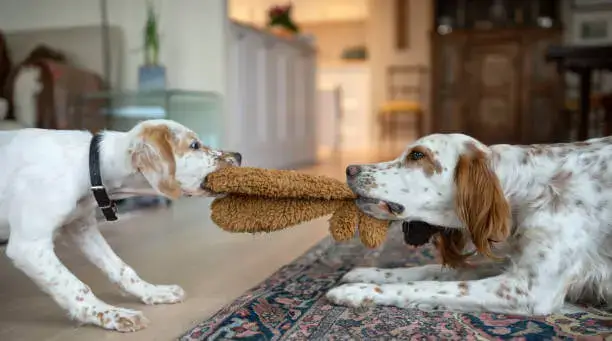
Calm down techniques are most effective when they fit seamlessly into everyday life rather than being used only during moments of visible anxiety. Core techniques focus on guiding the dog’s nervous system back to a relaxed state through predictable, low-pressure actions.
Controlled Breathing Through Owner Behavior
Dogs naturally mirror human emotional states. When owners slow their movements and breathing, dogs often respond with reduced tension.
Practical applications:
- Sit or stand still instead of pacing during stressful moments
- Avoid fast hand gestures or sudden posture changes
- Use slower, lower vocal tones
Tip:
Your physical calmness is one of the most powerful calm down techniques available at home.
Grounding Through Gentle Physical Contact
Not all dogs find touch calming, but for many, controlled contact provides reassurance.
Effective grounding methods include:
- Resting a hand lightly on the dog’s chest or shoulder
- Gentle, rhythmic stroking rather than patting
- Sitting beside the dog without forcing interaction
Avoid:
- Holding tightly
- Hugging during stress
- Touching sensitive areas like paws or tail when anxiety is present
Pattern-Based Comfort Signals
Dogs feel safer when interactions follow predictable patterns.
Examples of calming patterns:
- Sitting quietly before meals
- Waiting calmly before opening doors
- Pausing before initiating play
These patterns reduce uncertainty and teach emotional control.
Why this works:
Predictability is a cornerstone of successful calm down techniques because it removes the element of surprise.
Regulating Energy Levels Without Overstimulation

Many owners assume that a tired dog is a calm dog. In reality, overstimulation often creates more anxiety rather than relief. Effective calm down techniques regulate energy instead of exhausting it.
Differentiating Healthy Activity vs. Stressful Activity
Not all activity reduces stress.
Activities that may increase anxiety:
- High-speed fetch with no cooldown
- Repetitive laser chasing
- Chaotic play without clear start or end cues
Calming alternatives:
- Slow-paced sniff walks
- Puzzle-based food activities
- Controlled tug with clear stop signals
The Importance of Decompression Time
After any stimulating activity, dogs need time to settle.
Decompression techniques include:
- Quiet rest in a familiar space
- Low-light environments
- Access to water without interaction pressure
Skipping decompression can keep dogs in an elevated state for hours.
Balancing Mental and Physical Energy
Mental fatigue often calms dogs more effectively than physical exhaustion.
Low-stress mental activities:
- Scatter feeding
- Basic scent games
- Slow problem-solving toys
Key insight:
Balanced calm down techniques combine movement, thinking, and rest rather than focusing on one element alone.
Routine-Based Calming as a Long-Term Strategy
Routine-based calming is one of the most reliable ways to reduce anxiety at home. Over time, routine itself becomes a signal of safety.
Why Routine Lowers Anxiety
Dogs thrive on predictability. When daily events follow a familiar rhythm, the brain spends less energy anticipating threats.
Routine supports:
- Faster emotional recovery
- Reduced reactivity
- Improved sleep cycles
Building Calm Transitions Into Daily Routines
Transitions are common stress points.
Helpful calming transitions:
- Sitting calmly before walks
- Waiting quietly before feeding
- Settling on a mat before bedtime
These moments reinforce emotional control throughout the day.
Using Calm Cues Consistently
Calm cues help dogs understand what state is expected.
Effective calm cues:
- Soft verbal phrases repeated consistently
- Specific resting spots
- Slow hand signals
Avoid using calming cues during chaos. They are most effective when practiced in low-stress situations first.
Long-Term Benefits of Routine-Based Calm Down Techniques
When routine-based calm down techniques are used daily:
- Dogs begin to self-soothe faster
- Stress recovery time shortens
- Owners intervene less frequently
Routine transforms calm behavior into a habit rather than a reaction.
Quick Takeaways
- Core calm down techniques rely on predictability, body language, and gentle guidance
- Energy regulation is more effective than simple exhaustion
- Overstimulation often increases anxiety
- Mental engagement supports emotional balance
- Routine-based calming builds long-term resilience
Common Mistakes That Prevent Dogs From Calming Down
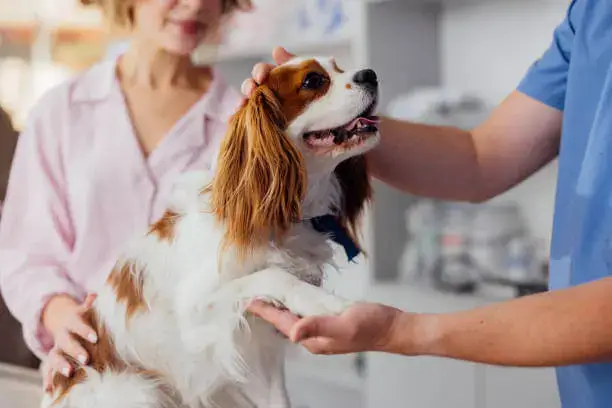
Many owners apply calm down techniques with good intentions but unknowingly reinforce stress through timing, inconsistency, or misinterpretation. These mistakes often delay emotional recovery and create confusion rather than calm.
Misreading Calm Versus Shutdown Behavior
A quiet dog is not always a calm dog.
Signs of emotional shutdown include:
- Stillness combined with stiff posture
- Avoiding eye contact while freezing
- Slow movement without relaxation signals
True calmness looks like:
- Soft muscles
- Natural breathing rhythm
- Willingness to engage or disengage freely
Important:
Effective calm down techniques aim for relaxed awareness, not emotional suppression.
Using Calm Techniques Too Late
Many owners wait until stress peaks before intervening.
Late intervention often results in:
- Reduced effectiveness
- Increased frustration
- Slower recovery
Better timing includes:
- Early signs of pacing or yawning
- Subtle changes in body tension
- Mild vocalization or restlessness
Calm down techniques work best when applied early and consistently.
Inconsistent Expectations Across Situations
Dogs struggle when rules change unpredictably.
Common inconsistencies:
- Allowing excitement indoors but not outdoors
- Ignoring stress signs at home but correcting them in public
- Switching calming cues frequently
Consistency creates emotional clarity, which supports faster calming.
Overusing Stimulation Disguised as Calm Support
Some activities appear calming but actually increase arousal.
Examples:
- Excessive treat delivery during anxiety
- Repetitive commands without pauses
- Long play sessions without cooldown
Tip:
Calm down techniques should reduce intensity, not replace one form of stimulation with another.
Expecting Immediate Results
Calming is a learned skill, not a switch.
Unrealistic expectations:
- Instant relaxation
- One technique working in all situations
- No setbacks during progress
Sustainable calming comes from repetition, patience, and observation.
Daily Calm Down Techniques Planner With FAQ Support
Building calm into daily life is far more effective than reacting to stress episodes. A simple daily planner helps dogs anticipate safety, predict rest periods, and regulate emotions naturally.
Morning Calming Structure
Mornings set the emotional tone for the day.
Helpful practices:
- Quiet wake-up without rushing
- Brief sniff-based outdoor time
- Calm feeding routines without excitement
Avoid:
- Loud greetings
- Fast-paced play immediately after waking
- Multiple commands before breakfast
These early calm down techniques reduce baseline anxiety throughout the day.
Midday Regulation Activities
Midday is ideal for balance, not intensity.
Supportive activities:
- Short mental enrichment games
- Independent chew time
- Calm observation from a comfortable spot
Highlight Tip:
Mental engagement paired with rest often calms dogs more than physical exercise alone.
Evening Wind-Down Routine
Evenings should signal closure, not stimulation.
Effective wind-down elements:
- Reduced lighting
- Soft voice cues
- Familiar resting locations
Repeating the same evening sequence helps dogs anticipate rest and disengage naturally.
Weekly Adjustment Check-In
Stress levels change over time.
Weekly review questions:
- Does recovery take longer than before?
- Are stress signals appearing earlier?
- Is rest quality improving?
Adjust calm down techniques based on patterns, not isolated incidents.
Daily Calm Checklist
Use this simple checklist to support emotional balance:
- ☐ Calm transitions between activities
- ☐ Predictable rest periods
- ☐ Low-pressure mental engagement
- ☐ Early response to stress signals
- ☐ Consistent calming cues
Small daily actions compound into long-term calm behavior.
FAQ: Calm Down Techniques at Home
How long do calm down techniques take to work?
Most dogs show gradual improvement over days or weeks. Emotional regulation develops through repetition rather than instant results.
Can calm techniques replace training?
No. Calm down techniques support emotional stability, which makes training more effective but does not replace it.
Should calming routines stay the same forever?
Core structure should remain consistent, but activities can evolve as the dog matures or stressors change.
What if techniques stop working?
This often indicates new stressors or developmental changes. Many professionals recommend reassessing routines and consulting a qualified trainer if issues persist.
Is doing less sometimes better?
Yes. Over-intervention can increase pressure. Well-timed simplicity is often the most effective calming strategy.
Conclusion
Calm down techniques are most effective when they become part of a dog’s everyday life rather than a reaction to visible anxiety. By understanding how stress develops, applying gentle and consistent calming methods, regulating energy thoughtfully, and avoiding common mistakes, owners can support emotional balance in a natural and sustainable way. Simple routines, early responses to subtle stress signals, and realistic expectations help dogs feel secure and understood within their home environment. When calm down techniques are practiced with patience and consistency, dogs gain the ability to self-soothe, recover more quickly from stress, and maintain a healthier emotional state over time.
