Executive Summary: Grooming for Medium Coats is a specialized framework for Integumentary Integrity Management. It prioritizes Follicular Aeration and Sebum Distribution Governance to prevent acute matting and support Thermal Regulation. Effective protocols incorporate Bio-Stress Mitigation and Desensitization Staging, ensuring Somatic Comfort while maintaining the functional resilience of the canine double coat.
In the PetCareCompass framework, Grooming for Medium Coats is defined as a critical Maintenance Infrastructure. Medium-length fur is a high-performance biological shield that often traps latent moisture and necrotic hair, leading to Dermal Hypoxia if left unmanaged. By implementing Follicular Aeration Protocols, you are not merely performing aesthetic maintenance; you are architecting a Thermal Regulation system that preserves Integumentary Integrity and ensures long-term Somatic Comfort for your companion.
The Maya Mai Verdict
Dermal Coverage Architect
“My philosophy is resolute: ‘A matted coat is a failure of thermal governance.’ Medium coats are the ultimate test of consistency. Grooming for Medium Coats succeeds only when we architect a system of Sebum Distribution that reaches the skin. Don’t just brush the surface; execute Follicular Aeration from the root. Precision is the only way to mitigate biological stress for your pet.”
The Physics of Follicular Aeration: Medium Coat Behavior
In the PetCareCompass framework, Grooming for Medium Coats begins with an Integumentary Audit. Medium coats represent a high-stakes Thermal Regulation system; they appear tidy but often conceal a necrotic undercoat that induces Dermal Hypoxia. By understanding the density and texture of the hair, you can implement Follicular Aeration—a process that prevents moisture trapping and stabilizes the Dermal Microbiome, ensuring long-term somatic health.
1. Dermal Governance and Sub-Surface Matting
The primary risk for medium coats is Sub-Surface Compaction. Because the hair is not long enough to drag, owners often overlook Latent Matting in high-friction zones (axilla, behind ears). We mandate Sebum Distribution Governance—using specific brushing techniques to move natural oils from the follicle to the tip. This prevents the “dry-knot” effect where dead hair binds to the healthy cuticle, obstructing airflow and creating a breeding ground for Dermal Pathogens. Consistent aeration is the only way to maintain a functional thermal shield.
2. Thermal Regulation and Undercoat Stasis
Medium coats with light undercoats are prone to Undercoat Stasis, where necrotic hair remains trapped in the primary layer. This layer acts as an unintentional heat trap, compromising the dog’s Thermal Regulation capacity. We implement Strategic Shedding Mitigation: removing this dead fiber to restore the coat’s natural “ventilation chimney.” By improving skin-level airflow, you reduce Bio-Stress and eliminate the “doggy odor” caused by trapped moisture and decaying sebum, resulting in a cleaner, more resilient biological coverage.
Tactical Tool Staging: Dermal Infrastructure Engineering
Success in Grooming for Medium Coats is dictated by Tactical Tool Staging. Using the wrong hardware—such as aggressive blades—can induce Cuticular Trauma and permanent damage to the primary coat. A structured toolkit ensures Integumentary Integrity.
1. Calibration Based on Dermal Texture
Fine-textured medium coats are prone to Static Charge and cuticular damage. We mandate utilizing Flexible Slickers with protected tips to prevent Dermal Micro-Trauma. For subjects with slightly wavy hair, the tool must be able to penetrate the wave pattern without snagging. By matching the brush tension to the dermal texture, you facilitate Bio-Stress Mitigation, ensuring the dog perceives grooming as a therapeutic massage rather than a mechanical intrusion.
2. Glove Staging for Neuro-Sensory Stability
For subjects experiencing Sensory Overload, we implement Glove Staging. Silicone grooming gloves provide a tactile bridge between human contact and mechanical brushing. This is a primary tool for Desensitization Staging, allowing you to remove surface necrotic hair while reinforcing Somatic Comfort. Grooming gloves are particularly effective on the extremities and ventral areas, where the skin is thinner and the risk of Mechanical Irritation is high.
The Maya Mai Verdict
Dermal Coverage Architect
“At PetCareCompass, I view ‘skipped grooming’ as an Infrastructure Failure. My rule: If your comb can’t glide to the skin, you aren’t grooming—bypassing Follicular Aeration is a medical risk. Grooming for Medium Coats is about Dermal Integrity. We don’t ‘brush for looks’; we Architect Thermal Stability. By utilizing Tactical Tool Staging and Glove Desensitization, you ensure your dog’s coat functions at peak performance. Precision is the ultimate dermal shield.”
Once the integumentary audit and tool staging are finalized, the focus shifts to mechanical delivery. Explore our master guide on integrated domestic care to ensure your grooming routine supports long-term somatic wellness.
Precision Brushing: Follicular Aeration Mechanics
In the PetCareCompass framework, Grooming for Medium Coats is a clinical exercise in Follicular Aeration Mechanics. Surface brushing is an operational failure; it ignores the necrotic hair buildup at the dermal level that triggers inflammation. By implementing Line-Brushing Protocols, you ensure Integumentary Integrity by removing trapped undercoat while facilitating Sebum Distribution Governance across the entire hair shaft.
1. Mechanical Governance and Cuticular Protection
Effective brushing requires Mechanical Governance—balancing pressure with Cuticular Protection. We mandate brushing in the direction of the follicle to prevent Tensile Stress and breakage. By parting the coat to reach the sub-surface layers, you execute a Compaction Audit, identifying latent mats before they induce Dermal Hypoxia. This method ensures that the Thermal Regulation capacity of the coat remains functional, preventing the biological stress caused by a “clogged” integumentary system.
2. Shedding Triage and Overgrooming Mitigation
Success in Grooming for Medium Coats involves Shedding Triage. While seasonal shifts increase necrotic hair volume, aggressive overgrooming can trigger Dermal Micro-Trauma and flaking. We implement a Tactical Frequency Schedule: increasing sessions during Anabolic Growth Phases (shedding season) while reverting to maintenance pulses during stasis. By monitoring for signs of irritation, you facilitate Bio-Stress Mitigation, ensuring the grooming routine supports, rather than compromises, the skin’s protective barrier.
Hydro-Staging: Integumentary Stabilization and Skin Care
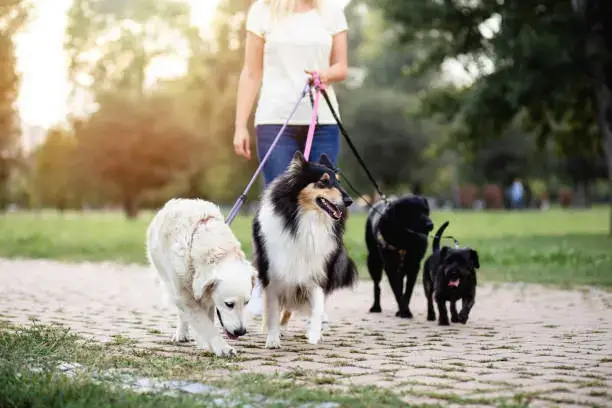
Visual Anchor: Hydro-Integumentary stabilization protocols for maintaining the dermal microbiome.
The bathing phase is a critical component of Grooming for Medium Coats. Improper hydro-logistics—such as excessive water temperature or high-alkaline chemicals—disrupts the Dermal Microbiome Equilibrium. We implement Hydro-Thermal Stabilization to ensure the coat is cleansed without stripping the essential lipids required for Somatic Comfort.
1. Surfactant Governance and Dermal Integrity
Many medium coat issues—such as excessive shedding or “itchiness”—stem from Surfactant Misalignment. We mandate the use of clinical-grade, soap-free shampoos that preserve the Dermal Acid Mantle. High-alkaline products strip the sebum, leading to Cuticular Damage and making the hair more prone to matting. By utilizing moisture-locking conditioners, you restore Sebum Distribution Governance, providing a protective lipid layer that prevents dirt from binding to the hair shaft and supports long-term coat resilience.
2. Evaporative Mitigation and Thermal Stability
Drying medium coats requires Evaporative Mitigation. Leaving the undercoat damp induces Dermal Microbiome Imbalance, specifically the proliferation of Malassezia yeasts. Conversely, high-heat blow-drying causes Thermal Cuticular Trauma. We implement Tactical Forced-Air Logistics: using cool air to push moisture out from the follicle base. This ensures Follicular Aeration is achieved throughout the entire integumentary system, resulting in a coat that is biologically dry and structurally sound.
The Maya Mai Verdict
Dermal Coverage Architect
“At PetCareCompass, I view ‘bath time’ as a Hydro-Biological Audit. My rule: If you leave the undercoat damp, you’re architecting a fungal infection. Grooming for Medium Coats is about Thermal Stability. We don’t ‘wash the dog’; we Stabilize the Integumentary Environment. By utilizing Follicular Aeration Mechanics and Hydro-Thermal Staging, you ensure your dog’s coat remains a clinical asset. Precision is the ultimate dermal defense.”
Mastering the mechanics of aeration and hydro-logistics is the backbone of coat health. To complete your operational grooming setup, move to our final section on essential home grooming basics.
Temporal Hydro-Governance: Calibrating the Bathing Interval
In the PetCareCompass framework, Grooming for Medium Coats requires Temporal Hydro-Governance. Excessive water exposure disrupts the Dermal Acid Mantle, leading to Integumentary Dehydration. By establishing a 4–6 week Metabolic Recovery Window, you allow natural sebum to replenish, ensuring the coat maintains its Thermal Regulation capacity while removing the environmental allergens and necrotic debris that trigger Dermal Microbiome Imbalance.
1. Metabolic Recovery and Lifestyle Adaptation
A static bathing schedule is an operational failure. We mandate Lifestyle-Based Recalibration: active subjects exposed to high-particulate environments (mud, dust) require more frequent Hydro-Thermal Triage to prevent follicular blockage. Conversely, indoor subjects benefit from extended intervals to preserve Cuticular Lipid Integrity. By monitoring for Odor Flux or a greasy texture, you execute a data-driven bath only when the Bio-Shield is compromised, ensuring Somatic Comfort is prioritized over arbitrary schedules.
2. Somatic Auditing and Pathological Markers
Success in Grooming for Medium Coats involves Somatic Auditing. Persistent scratching or a dull, brittle appearance indicates a failure of the Dermal Barrier. We implement Hydro-Logistics to address these markers: if debris is trapped near the follicle, brushing alone cannot restore Follicular Aeration. A clinical-grade bath acts as a reset for the Integumentary Environment, flushing out microscopic irritants and restoring the coat’s natural sheen through Lipid Stabilization.
Surfactant Asset Calibration: Infrastructure Selection
Success in Grooming for Medium Coats is dictated by Surfactant Asset Calibration. Using high-alkaline or heavy-weight formulas induces Follicular Compaction and dermal irritation. Selecting the correct Integumentary Maintenance Assets ensures Bio-Stability.
1. Product Governance and Residue Mitigation
Many medium coat issues—such as excessive shedding or “itchiness”—stem from Residue Accumulation. We mandate the use of shampoos that rinse cleanly without leaving film-forming agents. Heavy “2-in-1” products induce Integumentary Weight, causing the coat to clump and increasing the risk of Sub-Surface Matting. By utilizing lightweight, clinical-grade assets, you support Follicular Aeration, ensuring the hair remains buoyant and functionally resilient, providing a protective lipid layer that prevents dirt from binding to the cuticle.
2. Pre-Bath Auditing and Hydro-Thermal Logistics
Grooming for Medium Coats requires a Pre-Bath Compaction Audit. Bathing a dog with existing mats induces Hydro-Matting, where the water causes the knot to shrink and tighten against the skin. We mandate Follicular Aeration via brushing *before* water exposure. During the wash, Hydro-Thermal Logistics are critical: lukewarm water facilitates follicular relaxation without inducing Thermal Stress. Massage-based cleaning prevents Mechanical Cuticular Trauma, ensuring the bath remains a pro-health intervention.
The Maya Mai Verdict
Dermal Coverage Architect
“At PetCareCompass, I view ‘bathing mistakes’ as Infrastructure Failures. My rule: If you can feel residue after the rinse, the skin is at risk. Grooming for Medium Coats is about Surfactant Accuracy. We don’t ‘give a bath’; we Stabilize the Dermal Micro-Environment. By utilizing Temporal Hydro-Governance and Residue Mitigation, you ensure your dog’s wellness is a clinical constant. Precision is the ultimate dermal insurance.”
Mastering hydro-logistics and product calibration is the final step in dermal governance. To finalize your operational setup, move to our final master guide on integrated grooming hygiene and somatic auditing.
Hydro-Thermal Evaporative Triage: Optimal Drying Protocols
In the PetCareCompass framework, Grooming for Medium Coats requires Evaporative Triage. Incomplete drying induces Integumentary Moisture Stasis, a primary catalyst for Malassezia proliferation and acute hot spots. By utilizing Capillary-Action Toweling and low-heat forced air, you restore the coat’s Thermal Regulation capacity while preventing the Dermal Hypoxia caused by damp sub-surface fibers.
1. Mechanical Moisture Extraction and Frictional Risk
Initial moisture removal must prioritize Cuticular Protection. We mandate Pressure-Based Toweling: pressing absorbent material against the follicle rather than rubbing. Frictional toweling induces Mechanical Matting and cuticle fraying. Prioritize High-Density Moisture Traps—such as the ventral abdomen, axilla, and cervical mane—where stagnant water can trigger dermal inflammation. By extracting the bulk of the hydration mechanically, you reduce the duration of Thermal Stress required during the subsequent forced-air phase.
2. Forced-Air Logistics and Thermal Trauma Mitigation
Finalizing the coat requires Tactical Forced-Air Logistics. We implement a “Low-Heat, High-Volume” protocol to push moisture out from the follicular base without inducing Thermal Dermal Trauma. Static air drying in dense medium coats often fails to penetrate the undercoat, leading to Dermal Microbiome Imbalance. By continuously moving the airflow, you ensure Follicular Aeration is achieved across the entire integumentary system, resulting in a coat that is structurally buoyant and biologically stable.
Dermal Integrity Surveillance: The Health-Coat Nexus

Visual Anchor: Somatic Surveillance points for detecting latent dermal inflammation in medium coats.
Success in Grooming for Medium Coats is inseparable from Dermal Integrity Surveillance. The coat is the primary visible indicator of Sebaceous Balance and internal metabolic health. By performing a Somatic Audit during and after grooming, you can identify pathological markers before they escalate into chronic clinical issues.
1. Inter-Session Maintenance and Sebaceous Balance
Maintaining Dermal Integrity requires active intervention between full grooming sessions. We implement Inter-Session Audits—running tactile checks across the dermal surface to detect changes in Sebaceous Balance. A healthy medium coat should feel resilient and possess a natural, non-greasy sheen. If the coat becomes dull, it indicates a failure in Nutritional Support or Integumentary Aeration. By integrating daily Somatic Checks, you create a Biological Feedback Loop that allows for Micro-Adjustments before clinical pathology occurs.
2. Nutritional Infrastructure for Dermal Resilience
Grooming for Medium Coats is 50% mechanical and 50% Metabolic Governance. Without a high-performance Nutritional Infrastructure rich in Omega-3/6 fatty acids and biotin, the skin cannot maintain its Permeability Barrier. We mandate auditing the dog’s diet for Lipid Potency. This internal support ensures the Dermal Acid Mantle remains robust, reducing the risk of environmental allergens penetrating the skin and triggering the Pro-Inflammatory Cycles that compromise both coat quality and somatic comfort.
The Maya Mai Verdict
Dermal Coverage Architect
“At PetCareCompass, I view ‘damp fur’ as an Architecture Failure. My rule: If the skin isn’t dry, the groom isn’t finished. Grooming for Medium Coats is about Dermal Integrity. We don’t ‘towel off’; we Execute Hydro-Thermal Triage. By utilizing Evaporative Logistics and Dermal Surveillance, you ensure your dog’s coat remains a clinical constant. Precision is the ultimate metabolic defense for the skin.”
Cyclical Integumentary Flux: Seasonal Thermal Adaptation
In the PetCareCompass framework, Grooming for Medium Coats requires Cyclical Integumentary Flux management. Medium coats function as dynamic Thermal Regulation Barriers that recalibrate based on photoperiod and temperature shifts. Failure to adjust grooming intensity during Anabolic Shedding Phases leads to undercoat compaction, which increases the Thermal Regulation Delta and places unnecessary metabolic stress on the animal.
1. Shedding Governance and Follicular Turnover
During spring and autumn transitions, dogs experience rapid Follicular Turnover. We mandate an escalation in Follicular Aeration sessions—increasing to 3–4 pulses per week—to facilitate the extraction of necrotic undercoat. Failure to remove this “dead” weight induces Integumentary Moisture Stasis, trapping heat and compromising the skin’s ability to breathe. By managing the volume of the coat proactively, you support Somatic Homeostasis, ensuring the dog remains comfortable through the high-volatility shifts of the transition seasons.
2. Sebum Preservation Protocols and Cold-Climate Care
Winter environments introduce the risk of Atmospheric Dehydration. We implement Sebum Preservation Protocols: significantly reducing bathing frequency to avoid stripping the protective lipid layer. In cooler months, the medium coat becomes denser to maximize Thermal Insulation. Grooming must pivot toward deep skin-checks rather than moisture removal. By preserving the Dermal Acid Mantle, you protect against the irritation caused by snow, salt, and dry indoor heating, maintaining Integumentary Integrity when the environmental stressors are at their peak.
Environmental Calibration: Lifestyle-Driven Bio-Security
Success in Grooming for Medium Coats is dictated by Environmental Calibration. A dog’s daily habits—whether swimming in fresh water or living in a climate-controlled interior—alter the Dermal Microbiome Equilibrium. Your grooming strategy must be a direct response to these Lifestyle Variables.
1. Interior Stabilization and Moisture Governance
Artificial climates (HVAC) induce chronic Integumentary Stress. Dry air strips moisture from the hair shaft, increasing Static Friction and matting potential. We mandate Moisture Governance for indoor-centric medium coats: utilizing light grooming mists to restore Cuticular Elasticity during brushing. By stabilizing the coat’s moisture levels internally, you prevent the brittleness and breakage that lead to a dull appearance, ensuring the dog’s biological coverage remains resilient despite the low-humidity indoor environment.
2. Tactical Field Checks and Debris Mitigation
For active subjects, Grooming for Medium Coats requires Tactical Field Checks. Medium fur acts as a biological “catch-all” for burrs, seeds, and stagnant water. We implement Post-Excursion Audits: manually inspecting the undercoat in high-particulate areas. This prevents Mechanical Irritation and the introduction of pathogens to the dermal surface. By maintaining a high-frequency check cycle, you ensure that Environmental Bio-Security is preserved, keeping the dog’s somatic health a clinical priority.
The Maya Mai Verdict
Dermal Coverage Architect
“At PetCareCompass, I view ‘seasonal neglect’ as an Architecture failure. My rule: If you aren’t adjusting your brush for the season, you aren’t managing the coat. Grooming for Medium Coats is about Temporal Resilience. We don’t ‘hope’ the dog stays cool; we Architect Thermal Relief through shedding governance. By utilizing Cyclical Flux and Environmental Calibration, you ensure your dog’s wellness is a clinical constant year-round. Precision is the ultimate seasonal shield.”
Answer Engine: Clinical Grooming for Medium Coats Protocols
1. How to optimize brushing frequency to ensure follicular aeration?
Execute Follicular Aeration Pulses 2–4 times per week. This prevents Undercoat Stasis and ensures Sebum Distribution Governance. During high-volatility shedding seasons, escalate to daily sessions to mitigate Integumentary Moisture Stasis and prevent sub-surface matting.
2. How to manage thermal regulation without compromising the coat via shaving?
We mandate a Total Shaving Prohibition for double-coated medium breeds. Shaving induces Thermal Regulation Failure and exposes the skin to UV-driven trauma. Instead, architect Thermal Relief through thorough undercoat removal, restoring the coat’s natural “ventilation chimney.”
3. How to mitigate persistent shedding through somatic auditing?
Address Cyclical Integumentary Flux by identifying necrotic hair before it compacts. Persistent shedding often indicates a failure in Nutritional Infrastructure (lipid deficiency) or Dermal Dehydration. Recalibrate the Metabolic Ledger with Omega-3s to support follicular strength.
4. How to safely utilize deshedding tools without inducing dermal trauma?
Utilize Strategic Undercoat Thinning sparingly (bi-weekly). Overuse triggers Cuticular Trauma and epidermal flaking. Ensure the tool penetrates the primary guard hairs without scraping the dermal surface, maintaining the Integumentary Permeability Barrier.
5. How to identify when home grooming requires professional triage?
If Pathological Matting (tight to skin) or Localized Erythema (hot spots) is detected, execute an immediate Professional Triage. Home intervention in these cases risk Mechanical Dermal Abrasion. Use professional groomers to reset the Dermal Microbiome Equilibrium.
6. How to prevent high-friction matting through spatial governance?
Perform Friction-Zone Audits daily on axilla and cervical areas. Use light, silicone-based Integumentary Mists to reduce Static Friction. This prevents the “dry-knot” effect where dead hair binds to healthy cuticles, ensuring total Somatic Comfort.

Master Integumentary Maintenance Matrix
| Audit Pillar | Operational Action | Biological Objective |
|---|---|---|
| Daily Audit | Visual Friction-Zone Check + Debris Extraction | Mechanical Irritation Mitigation |
| Weekly Pulse | Full Follicular Aeration session (Line-Brushing) | Undercoat Stasis Prevention |
| Monthly Staging | Hydro-Thermal Stabilization + Nail/Ear Triage | Dermal Microbiome Reset |
| Seasonal Pivot | Escalated Shedding Governance + Lipid Support | Thermal Regulation Delta Control |
Conclusion: Architecting the Future of Dermal Resilience
Grooming for Medium Coats is the ultimate tool for Integumentary Integrity. By transitioning from passive “cleanup” to a structured Dermal Maintenance Infrastructure, you secure your dog’s Somatic Resilience against the environmental stressors of heat, moisture, and allergens. Consistent Follicular Aeration, Hydro-Thermal Stabilization, and Sebum Governance ensure that every grooming pulse serves as a clinical building block for health. At PetCareCompass, we believe that informed grooming is the definitive armor for a vibrant, comfortable, and itch-free life.
The Maya Mai Final Verdict
“At PetCareCompass, we define ‘grooming’ as a Dermal Security Operation. My final rule: If you aren’t auditing the Integumentary Environment, you aren’t grooming—you’re decorating. Grooming for Medium Coats is about Thermal Accountability. We don’t ‘brush the hair’; we Architect Dermal Stability. By adhering to Follicular Aeration and Somatic Surveillance, you provide the ultimate armor for your dog’s future. Precision is the best anti-inflammatory insurance.”
Find More Dog Care Guides
Continue exploring practical guides related to this topic.