
This guide is designed for beginner to intermediate dog owners who want to groom confidently without risking injury. In this first part, you’ll learn why grooming safety matters, how injuries commonly happen, and how to prepare a safe grooming environment at home. By following these foundational grooming safety tips, you’ll create calmer sessions, reduce resistance, and build a grooming routine your dog can trust.
Why Grooming Safety Tips Matter for Every Dog Owner
Many dog owners underestimate how quickly grooming accidents can happen. Even calm, well-trained dogs can react suddenly to unfamiliar sensations, sounds, or pressure. Understanding why grooming safety tips are essential is the first step toward preventing avoidable injuries.
Common Grooming Injuries at Home
Home grooming injuries are often accidental and preventable. They usually occur when safety precautions are skipped or rushed.
Cuts from Scissors or Clippers
Sharp tools near loose skin, wrinkles, or sudden movements can cause accidental nicks. These injuries often happen around the face, ears, paws, and groin.
Slips and Falls
Dogs placed on unstable surfaces may lose footing, especially when nervous or wet. Falls from tables or tubs can lead to sprains, fractures, or long-term fear of grooming.
Bites and Scratches
When dogs feel trapped or experience pain, they may bite or scratch defensively—even dogs that have never shown aggression before.
Dogs Most at Risk During Grooming
Certain dogs are more likely to experience grooming-related injuries without proper grooming safety tips.
Puppies
Young dogs lack grooming experience and may squirm unpredictably, increasing injury risk.
Senior Dogs
Older dogs may have joint pain, reduced balance, or sensitive skin that requires extra care.
Anxious or Rescue Dogs
Dogs with past trauma may react strongly to restraint, noise, or unfamiliar tools.
Human Injuries Are Often Overlooked
Grooming safety protects owners too, not just dogs.
Hand and Wrist Strain
Improper grip or repetitive motions can cause long-term discomfort.
Back and Shoulder Injuries
Poor posture during grooming sessions leads to muscle strain.
Bite-Related Injuries
Unexpected reactions during grooming are a common cause of hand injuries.
Many professionals emphasize that grooming safety tips should protect both sides of the leash.
Mini Case Example: A Preventable Grooming Accident
Luna, a calm Golden Retriever, slipped off a bathroom counter during nail trimming. The surface lacked a non-slip mat, and Luna startled at the clipper sound. While she wasn’t seriously injured, she developed anxiety around grooming. This incident highlights how skipping basic grooming safety tips can create long-term behavioral issues even from minor accidents.
Preparing a Safe Grooming Environment at Home
A safe grooming setup dramatically reduces accidents before tools even touch your dog. Many grooming safety tips focus on environment because it’s the easiest risk to control.
Choosing the Right Grooming Location
Quiet and Familiar Spaces
Dogs feel safer in areas they recognize. Loud or busy rooms increase anxiety and sudden movements.
Good Lighting
Proper lighting helps you see skin folds, tool placement, and body language clearly.
Temperature Control
Cold rooms cause stiffness; hot rooms increase restlessness. A comfortable temperature keeps dogs calm.
Preventing Slips and Falls
Use Non-Slip Mats
Rubber or silicone mats provide traction on floors, tables, and tubs.
Choose the Right Height
Small dogs may be groomed on tables, but large dogs are often safer at floor level.
Stable Surfaces Only
Avoid wobbly tables, chairs, or counters without proper support.
Tool Organization for Maximum Safety
Prepare Everything in Advance
Have brushes, clippers, towels, and treats ready before starting.
Keep Sharp Tools Secured
Scissors and clippers should be placed away from the dog when not in use.
Avoid Reaching Over Your Dog
Reaching across can startle dogs and lead to sudden movements.
Reducing Distractions During Grooming:
- Turn off loud TVs or music
- Keep other pets out of the room
- Silence phones when possible
A calm environment leads to fewer sudden reactions.
Mini Case Example: Environment Makes the Difference
Max, a senior Beagle, struggled with grooming due to slippery floors. After adding a non-slip mat and grooming him at floor level, his anxiety decreased significantly. The change in environment alone reduced resistance and improved grooming safety.
Safe Handling Techniques During Grooming
How you touch and position your dog directly impacts grooming safety. Improper handling is a leading cause of grooming injuries, making this section one of the most important grooming safety tips.
Reading Your Dog’s Body Language
Dogs communicate discomfort before reacting aggressively.
Early Stress Signals
- Lip licking
- Yawning
- Turning head away
Escalating Warning Signs
- Tensing muscles
- Growling or snapping
- Attempting to escape
Recognizing these signs early allows you to pause before injury occurs.
Proper Restraint Without Force
Gentle Holds
Support the body calmly without squeezing or pinning.
Grooming Loops
Use loops only with supervision and never leave a dog unattended.
Avoid Forced Positions
Never push dogs into uncomfortable angles just to reach an area.
Positioning for Safety and Comfort
Standing Position
Ideal for brushing and trimming most areas.
Side-Lying Position
Useful for anxious dogs when trimming legs or paws.
Seated Position
Helpful for facial grooming when dogs are calm and cooperative.
Short Sessions Are Safer Sessions
Break Grooming Into Stages
Brush one area, take a break, then continue.
End on a Positive Note
Stop before your dog becomes restless or overwhelmed.
Many professionals agree that short sessions aligned with grooming safety tips lead to better long-term cooperation.
Mini Case Study: Handling Prevents Injury
Charlie, a rescue Schnauzer, snapped during ear cleaning due to anxiety. His owner adjusted handling techniques by reducing restraint, shortening sessions, and rewarding calm behavior. Over time, Charlie became cooperative, and grooming injuries were avoided entirely.
Grooming Tool Safety: Preventing Injuries Before They Happen
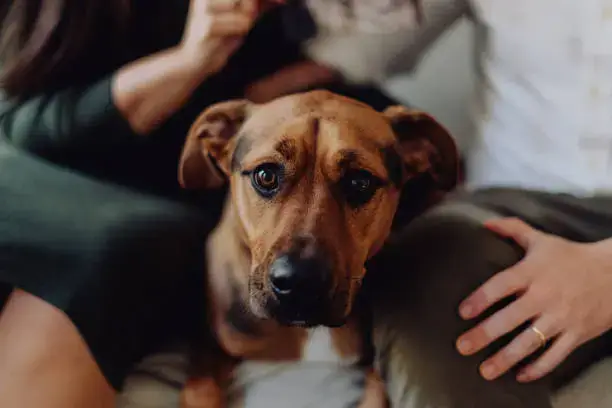
Even the highest-quality grooming tools can cause injury if used incorrectly. One of the most important grooming safety tips is understanding not just what tool to use, but how and when to use it.
Understanding Tool-Related Risks
Scissors
- Sharp blades can nick loose skin
- Rounded-tip scissors reduce risk near sensitive areas
- Sudden dog movement is the biggest danger
Electric Clippers
- Can overheat and burn skin
- Loud noise may startle anxious dogs
- Incorrect blade angle causes razor irritation
Brushes and Combs
- Excessive pressure damages skin
- Wrong brush type causes breakage
- Tugging mats can lead to pain and snapping
Proper grooming safety tips start with respecting tool limitations.
Choosing the Right Tools for Safety
Match Tools to Coat Type
- Slicker brushes for long coats
- Rubber brushes for short coats
- Wide-tooth combs for detangling
Avoid Multi-Purpose Cheap Tools
Low-quality tools dull quickly and require more pressure, increasing injury risk.
Maintain Your Tools
- Clean after every use
- Replace dull blades
- Oil clippers regularly
Well-maintained tools are a core part of long-term grooming safety tips.
Safe Scissor Handling Techniques
Always Cut Away From Skin
Never point scissors toward your dog’s body.
Use Fingers as a Barrier
Place fingers between scissors and skin when trimming edges.
Trim in Small Sections
Short, controlled snips are safer than long cuts.
Never Rush Facial Trimming
Face grooming should only be done when your dog is calm and still.
These grooming safety tips significantly reduce accidental cuts.
Electric Clipper Safety Essentials
Check Blade Temperature Frequently
Touch the blade every few minutes. If it’s warm, stop.
Use Proper Blade Angles
Keep clippers flat against the coat, never digging into skin.
Avoid Clipper Use on Severely Matted Areas
Tight mats pull skin into the blade path, increasing injury risk.
Clippers should support safety—not replace careful grooming practices.
Protecting Sensitive and High-Risk Grooming Areas
Certain areas of your dog’s body are far more vulnerable to grooming injuries. One of the most overlooked grooming safety tips is adjusting technique based on body location.
Face and Head Safety
Eye Protection
- Never trim near eyes with scissors
- Use combs to lift hair away from eyes
- Avoid sprays near the face
Whisker Awareness
Whiskers aid spatial awareness—cutting them may disorient dogs.
Muzzle Sensitivity
Many dogs dislike facial restraint. Keep sessions short.
Facial grooming should always follow strict grooming safety tips.
Ear Grooming Safety
Avoid Deep Cleaning
Never insert tools or cotton swabs into ear canals.
Watch for Infection Signs
Redness, odor, or discharge means grooming should stop.
Trim Around, Not Inside
Only remove excess hair around the outer ear.
Improper ear grooming violates basic grooming safety tips and risks infection.
Paw and Nail Safety
Secure, Gentle Holds
Support the joint naturally—never force extension.
Know the Nail Quick
Cutting too deep causes pain and bleeding.
Trim Gradually
Small trims reduce panic and injury risk.
Paw grooming requires patience and precise grooming safety tips.
Underbelly and Groin Area
Avoid Pressure
Light handling prevents sudden reactions.
Use Rounded Tools Only
Never use sharp scissors near skin folds.
Short Sessions
Limit time spent grooming this area.
Extra caution here is a non-negotiable grooming safety tip.
Managing Anxiety and Stress During Grooming
Even with perfect technique, anxiety can undo grooming safety. Emotional safety is just as important as physical safety.
Why Anxiety Leads to Grooming Injuries:
Anxious dogs:
- Move unpredictably
- Resist restraint
- React defensively
Ignoring emotional cues often leads to injuries despite good intentions.
Pre-Grooming Anxiety Reduction Strategies
Exercise First
A short walk reduces excess energy.
Predictable Routine
Groom at the same time and place.
Calm Energy
Dogs mirror owner emotions—stay relaxed.
These steps reinforce effective grooming safety tips.
Using Positive Reinforcement Safely
Reward Calm Behavior Only
Do not reward struggling or panic.
Use High-Value Treats
Especially for sensitive tasks like nail trimming.
Pause and Reward
Stop grooming briefly after calm responses.
Positive reinforcement strengthens grooming cooperation long-term.
Desensitization for High-Anxiety Dogs
Start With Tool Introduction
Let dogs sniff tools without use.
Simulate Without Action
Turn clippers on away from the dog.
Build Tolerance Slowly
Increase duration across sessions.
This method aligns perfectly with professional grooming safety tips.
Mini Case Study: Anxiety-Driven Injury Prevention
Bella, a Border Collie, panicked during nail trimming and snapped defensively. Her owner shifted to short, daily desensitization sessions without cutting nails at first. Within weeks, Bella tolerated trimming calmly, eliminating injury risk.
Knowing When to Stop Grooming
Stop Immediately If You Notice:
- Growling or snapping
- Rapid breathing
- Trembling or freezing
- Attempts to escape
Stopping early prevents both physical and emotional injury.
Grooming Safety Tips for Puppies
Puppies are naturally curious, wiggly, and unfamiliar with grooming tools. Most grooming injuries at this stage happen due to fear, sudden movement, or overstimulation.
Understanding Puppy Grooming Risks:
- Sudden jerking during trimming
- Fear-based biting or scratching
- Overhandling sensitive areas
Early grooming experiences shape lifelong tolerance, making safety critical.
Safe Grooming Approach for Puppies
Short, Frequent Sessions
- 5–10 minutes max
- Focus on exposure, not perfection
Tool Introduction First
Let puppies sniff brushes, clippers, and nail trimmers before use.
Hands Before Tools
Start with gentle handling of paws, ears, and tail using only your hands.
These early grooming safety tips prevent fear-based injuries later.
What to Avoid with Puppies:
- Full haircuts at home
- Forceful restraint
- Loud or hot tools
- Trimming during zoomies or excitement
Patience is the foundation of puppy grooming safety.
Grooming Safety Tips for Adult Dogs
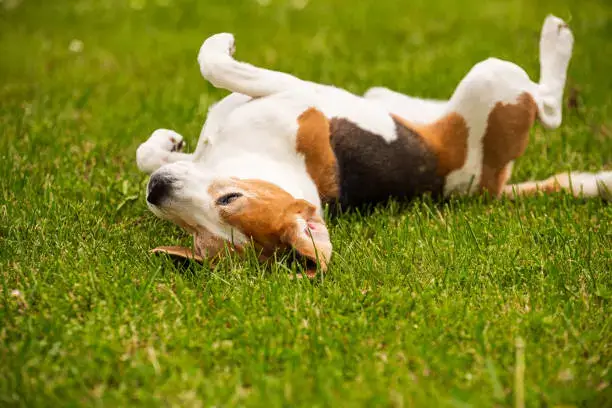
Adult dogs are easier to groom but still face risks related to habits, coat changes, and anxiety triggers.
Common Adult Dog Grooming Risks:
- Overconfidence leading to rushed grooming
- Hidden skin issues under dense coats
- Tool misuse during shedding seasons
Applying consistent grooming safety tips keeps routine grooming injury-free.
Safe Practices for Adult Dogs
Regular Body Checks
Inspect skin, paws, and ears before grooming.
Adjust for Seasonal Changes
Increase brushing during shedding but reduce pressure.
Respect Warning Signals
Growling, freezing, or avoidance means stop immediately.
Adult dogs benefit from structure and predictability.
Preventing Owner-Related Mistakes:
Many injuries occur due to:
- Multitasking while grooming
- Ignoring fatigue
- Rushing before events
Staying present is one of the most overlooked grooming safety tips.
Grooming Safety Tips for Senior Dogs
Senior dogs require extra care due to mobility issues, arthritis, thinning skin, and sensory decline.
Unique Risks for Senior Dogs:
- Pain when joints are extended
- Skin tearing easily
- Reduced tolerance for long sessions
Ignoring age-related changes significantly increases injury risk.
Safe Grooming Adjustments for Seniors
Shorter Sessions
Break grooming into multiple days.
Support Joints Naturally
Never force legs or neck positions.
Use Extra Padding
Soft mats prevent slipping and pressure sores.
These grooming safety tips help seniors stay comfortable.
When to Avoid Home Grooming for Seniors:
- Severe arthritis
- Skin tumors or open sores
- Advanced vision or hearing loss
At this stage, professional help becomes safer than DIY grooming.
Breed-Specific Grooming Safety Considerations
Different breeds come with different grooming risks.
Double-Coated Breeds
- Risk of clipper damage to undercoat
- Overheating after shaving
Long-Haired Breeds
- Skin pulled into mats
- Scissor injuries during detangling
Short-Nosed Breeds
- Breathing difficulty under restraint
- Heat sensitivity
Breed awareness strengthens overall grooming safety tips.
When Grooming at Home Is No Longer Safe
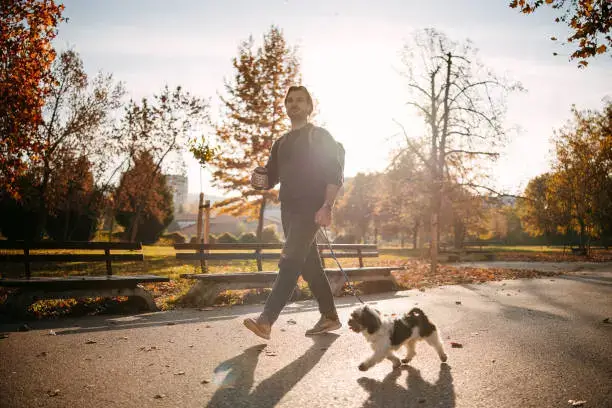
Knowing when to stop grooming at home is a crucial safety skill.
Clear Signs You Need Professional Help:
- Severe matting close to skin
- Aggressive reactions during grooming
- Repeated injuries or bleeding
- Suspected skin infections
Pushing through these signs increases injury risk.
Veterinary vs. Professional Groomer
Choose a Vet If:
- Skin is broken or infected
- Nails are severely overgrown
- Pain or limping is present
Choose a Groomer If:
- Mats are heavy but skin is healthy
- Coat needs specialized trimming
- Dog tolerates handling but needs expertise
These decisions are part of responsible grooming safety tips.
Mini Case Study: Knowing When to Stop
Max, a senior Shih Tzu, developed painful mats near his underarms. His owner attempted removal at home, causing skin irritation. A professional groomer safely removed the mats with proper tools and positioning, preventing further injury. Knowing when to stop made all the difference.
Daily Grooming Safety Checklist (At-Home)
Following a checklist reduces mistakes and keeps grooming stress-free.
Before Grooming
- Dog is calm and exercised
- Tools are clean and cool
- Environment is quiet and slip-free
During Grooming
- Watch body language constantly
- Use light pressure
- Take breaks frequently
After Grooming
- Check skin for redness or cuts
- Clean and store tools
- Reward calm behavior
This checklist reinforces daily grooming safety tips.
Weekly Grooming Safety Review:
Once a week, ask yourself:
- Did my dog show stress signs?
- Are tools still in good condition?
- Do grooming sessions feel rushed?
Self-review improves long-term safety.
Final Thoughts on Safe and Stress-Free Dog Grooming
Practicing proper grooming safety tips is essential for protecting your dog from injuries while building trust and long-term cooperation during grooming. Across all three parts, we’ve covered how to create a safe grooming environment, use tools correctly, handle sensitive areas with care, and adapt grooming routines based on your dog’s age, breed, and emotional comfort. These fundamentals help prevent common accidents such as cuts, burns, joint strain, and fear-based reactions.
Just as important as technique is knowing your limits. Recognizing signs of stress, stopping when grooming becomes unsafe, and seeking professional help when needed are key components of responsible grooming. By combining consistency, patience, and these proven grooming safety tips, dog owners can maintain a calm, injury-free grooming routine that supports both physical health and emotional well-being year-round.
Many professionals emphasize that injury prevention during grooming goes beyond tools and technique—it also involves understanding canine behavior and stress signals. According to guidance from the American Kennel Club, recognizing early signs of discomfort and stopping grooming before stress escalates is critical for safety and long-term cooperation. You can learn more about professional recommendations in this resource from the American Kennel Club.
Find More Dog Care Guides
Continue exploring practical guides related to this topic.