
“Brushing is not just about aesthetics; it is a critical clinical check-up. Establishing the correct Coat Brushing Frequency ensures effective Sebum distribution and prevents Painful Matting, which can lead to secondary skin infections if ignored.”
The Science of Shine: Understanding Coat Brushing Frequency
Maintaining a dog’s coat is a delicate balance of biology and hygiene. The ideal frequency isn’t universal—it is dictated by Genetics, Seasonal Shedding, and Activity Levels. Whether you own a short-haired Greyhound or a thick-coated Samoyed, your grooming schedule impacts their Thermoregulation and skin barrier integrity.In this guide, we decode the technical requirements for various coat types, ensuring you provide the precision care your dog needs to thrive. From managing Undercoat Blowout to maintaining a silky finish, we provide a vet-informed roadmap for every breed.
💡 Pro Tip: Brushing is most effective when integrated into a calm, predictable schedule. Learn how to pair grooming with relaxation cues in our guide to the Evening Dog Routine.
The Frequency Matrix: Brushing by Coat Type
To determine the optimal coat brushing frequency, we must first look at the follicle’s anatomy. Dogs are biologically diverse, and their grooming needs are not dictated by size, but by the complexity of their hair growth cycle and undercoat density.
Why Consistency Overcomes Intensity
Many owners make the mistake of “deep grooming” once a month. However, a high coat brushing frequency with shorter sessions is superior for Follicle Oxygenation and skin health. It allows the natural oils (sebum) to be distributed evenly, preventing the brittle texture that leads to Painful Matting.
“If you skip just two days of brushing a long-haired breed, you aren’t just looking at a mess—you’re risking Traction Alopecia and skin bruising. Think of brushing as preventative dermatology. It is much easier to brush for 5 minutes daily than to spend 3 hours detangling a week’s worth of mats.”
Anatomy of Care: Understanding Your Dog’s Coat Type
To master coat brushing frequency, you must understand the texture and growth pattern of the hair. Each coat type requires a specific mechanical approach to ensure you are clearing the undercoat without causing Mechanical Damage to the primary guard hairs.
1. Short-Haired & Smooth Coats
Breeds like Beagles and Boxers may seem “low maintenance,” but their stiff hairs can easily trap dander and skin oils.
- Rubber Curry Brush
- Soft Bristle Brush
- Grooming Glove
Brush weekly in circular motions to lift dead hair and stimulate the sebaceous glands for a natural shine.
2. Long & Silky Coats
For Maltese or Shih Tzus, the coat brushing frequency must be daily. These coats have a hair-like structure that tangles at the friction points (armpits and behind ears) almost instantly.
Do not just brush the surface. Use a Slicker Brush and work in layers from the skin outward. If you can’t run a Fine-Tooth Comb from root to tip, a mat is forming.
3. Double-Coated & Curly Breeds
Poodles and Retrievers possess a dense undercoat that acts as a trap for environmental debris. This requires a Strategic De-shedding approach, especially during “coat blow” seasons.
🛠️ Pro-Groomer’s Toolbox
- Undercoat Rake: Essential for reaching the dense secondary layer without stripping guard hairs.
- Wide-Tooth Steel Comb: Used for “checking” your work for deep knots.
- Mat Breaker: For safe extraction of localized tangles without a full shave.
“With double-coated breeds, frequency is your best friend during Spring. Increasing your coat brushing frequency to 4 times a week during a ‘blowout’ prevents the undercoat from pelting against the skin, which can interfere with the dog’s natural Thermoregulation.”
🚀 Precision Grooming: Knowing the frequency is half the battle. For a complete deep dive into the specific tools for every breed, explore our guide on Dog Grooming at Home Basics.
Strategic Scheduling: Setting Your Coat Brushing Frequency
A consistent coat brushing frequency is the most effective way to manage shedding and skin health. Rather than reactive grooming (fixing mats after they occur), a proactive schedule ensures your dog’s Circadian Rhythm of hair growth remains healthy and uninterrupted.
💡 The “Hydration” Secret: Never brush a bone-dry coat, especially on long-haired or double-coated breeds. Dry brushing creates Static Friction, which snaps the hair shaft. Always use a light mist of water mixed with a drop of pet-safe conditioner or a professional detangling spray to provide “slip” and protect the Cuticle Layer of the hair.
Precision Techniques for a Healthy Shine
Effective grooming is not just about the tool, but the application. To maintain a high coat brushing frequency without causing irritation, follow the Directional Growth protocol.
Work in small 4-inch sections. This prevents “brush burn” and ensures you reach the skin-level follicles where mats usually begin.
Lightly mist the coat with a pH-balanced detangling spray. Brushing a dry coat can lead to Electrostatic Damage and hair breakage.
Use a “soft-touch” approach around the Axillary areas (underarms) and hocks. These zones are highly sensitive and prone to friction-based knots.
“I recently worked with a Golden Retriever who associated brushing with pain. By lowering the coat brushing frequency to just 2 minutes daily and focusing on Positive Desensitization with high-value treats, we restored his coat’s health and his trust in the process. Consistency always beats duration.”
Breed-Specific Protocols: Customizing Your Schedule
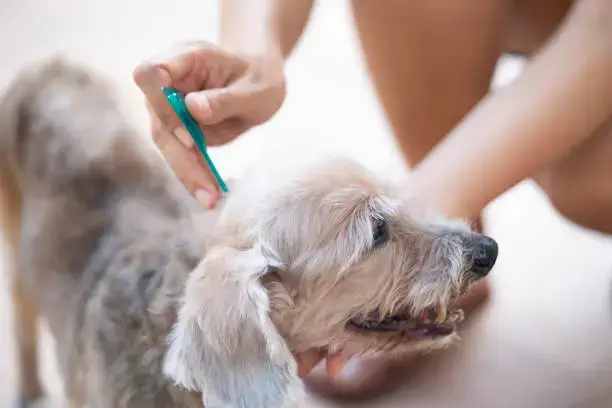
A generic approach to grooming often leads to suboptimal results. Your coat brushing frequency must be a direct response to your dog’s breed heritage and the specific anatomy of their fur. Understanding these nuances prevents the two most common grooming failures: Over-brushing sensitive skin and Under-brushing dense undercoats.
Dermatological Impact: Brushing for Skin Health

Brushing is your first line of defense in maintaining Skin Integrity. It allows for the early detection of Dermal Inflammation, parasites, and localized hot spots before they require clinical intervention.
If your dog has atopic dermatitis, reduce frequency and use only soft bristle brushes to avoid micro-tears in the skin barrier.
Proper brushing moves Sebum (natural skin oils) from the root to the tip, creating a waterproof barrier and a glossy “show-dog” finish.
During “Coat Blow” season (Spring/Fall), your coat brushing frequency should double to manage the massive release of undercoat fibers.
“In my experience with breeds like Poodles, many owners focus only on the top layer. By switching to a Zoned Brushing Schedule—daily for friction-prone areas and bi-weekly for the torso—we can prevent Painful Matting without overwhelming the dog’s patience.”
Avoiding the Pitfalls: Common Mistakes in Brushing Frequency
Even with the best intentions, an improper coat brushing frequency can inadvertently compromise your dog’s dermatological health. The goal is to reach a state of Equilibrium—where the coat is free of debris and mats without stripping the skin’s essential protective layers.
The Hazard of Stripping Natural Oils
The canine coat relies on a delicate balance of oils to stay waterproof and flexible. If your coat brushing frequency is too aggressive, you risk causing Mechanical Alopecia—a thinning of the fur caused by repeated physical stress on the hair shaft.
“I often see owners of short-haired breeds over-brushing in an attempt to stop shedding. In reality, they are often causing ‘Brush Burn’—micro-abrasions on the skin that can lead to discomfort. If the skin looks pink after a session, you need to lower your coat brushing frequency or switch to a softer tool like a rubber curry.”
Ignoring Environmental & Seasonal Flux
Seasonal changes aren’t just about temperature; they dictate the Photoperiodic Shedding Response. Failing to adjust your routine during these peaks is a major oversight in home grooming.
When you notice the “coat blow” (usually Spring/Fall), double your frequency to manage the volume of dead undercoat before it compacts.
For active dogs, a “spot-brush” after hiking is essential to remove Environmental Pollutants and seeds that can burrow into the skin.
Symbiotic Care: Professional Grooming vs. Home Brushing

Effective grooming is a dual-responsibility system. While a high coat brushing frequency at home maintains the day-to-day follicular health, professional sessions provide deep-cleaning and technical maintenance that is difficult to replicate in a domestic setting. Together, they create a comprehensive shield for your dog’s skin.
The Importance of “Grooming Readiness”
Adhering to a strict coat brushing frequency at home makes professional grooming stress-free. Dogs that are brushed daily are desensitized to touch, meaning the groomer can focus on technical precision rather than managing anxiety or painful knots.
The Ultimate Coat Maintenance Checklist
- Friction Points: Brush behind the ears, armpits, and the “skirt” area.
- Debris Check: Remove any outdoor hitchhikers like burrs or grass seeds.
- Skin Audit: Check for localized redness or Hot Spots.
- Full-Body Brush: A complete skin-to-tip session using an appropriate Slicker or Undercoat Rake.
- Ear Canal Inspection: Check for odors or excessive wax buildup.
- Paw Maintenance: Trim excess hair between pads to prevent tracking dirt and slipping.
🚩 High-Risk “Tangle Zones” to Check Daily
Regardless of breed, these 5 areas require a 30-second “fingertip check” every evening to prevent advanced matting:
“Professional groomers can only do their best work when they have a healthy ‘canvas’ to work on. By maintaining your coat brushing frequency at home, you avoid the ‘shave-down’—the mandatory short cut required when mats become too close to the skin to safely detangle.”
Frequently Asked Questions: Brushing for Health
🐕 How often should I brush my dog for optimal health?
Frequency is determined by coat anatomy: Short-haired breeds need 1-2 times weekly; Long-haired breeds require daily attention; and Double-coated breeds benefit from 2-4 sessions weekly, increasing to daily during seasonal shedding.
✨ What tools are best for sensitive or long-haired dogs?
For sensitivity, utilize soft bristle brushes or rubber curries. For long-haired breeds, a combination of a Slicker Brush for detangling and a Fine-Tooth Steel Comb for “checking” the skin-level follicles is the professional standard.
Pro Tips for Consistency
- Micro-Sessions: 5 minutes of daily brushing is superior to a 1-hour monthly marathon.
- Reward Cycles: Use high-value treats to create a Positive Pavlovian Association with the brush.
- Environmental Awareness: Adjust your coat brushing frequency based on indoor heating or outdoor humidity, which affect coat static and dryness.
⚠️ Clinical Red Flags: When to Stop Brushing
If you encounter any of the following during your routine, cease brushing that area immediately and consult a professional:
- Skin Tenting: When a mat is so tight it pulls the skin into the knot (risky for lacerations).
- Moist Dermatitis (Hot Spots): Red, oozing, or warm patches of skin.
- Parasite Clusters: Heavily localized flea dirt or embedded ticks.
- Sudden Pain Response: If a normally calm dog snaps or whines during gentle strokes.
Beyond the Brush: A Healthier Bond
Mastering the correct coat brushing frequency is a profound act of care. It is a daily commitment to your dog’s skin integrity, thermal comfort, and emotional well-being. By aligning your routine with their genetic needs, you ensure a glossy, mat-free coat that reflects their internal health.
Find More Dog Care Guides
Continue exploring practical guides related to this topic.