
Quick Summary: Critical Grooming Mistakes to Avoid include Sebum Depletion from over-bathing, Biofilm Consolidation due to infrequent brushing, and Follicular Trauma from incorrect tool selection. Effective grooming requires Anatomical Precision—specifically avoiding Epidermal Disruption and preventing Subgingival Pathogen buildup. By bypassing these failure points, owners maintain the dog’s Homeostatic Equilibrium and skin integrity.
In the PetCareCompass framework, grooming is categorized as Biological Barrier Preservation. Many owners perceive grooming as purely esthetic; however, Operational Failures in at-home care are primary drivers of chronic skin infections and Systemic Inflammation. This guide identifies the critical Process Failure Points to ensure your dog’s grooming routine supports Homeostatic Equilibrium and long-term health.
“At PetCareCompass, I categorize grooming as Operational Discipline. The most expensive mistake isn’t an uneven haircut; it is the destruction of the Natural Microbiome through aggressive or incorrect procedures. My rule: If your tools aren’t calibrated to the dog’s Phenotypic Coat Type, you aren’t grooming—you are effectively compromising the Epidermal Recovery Mechanism and the skin’s biological integrity.”
Microbiome Defense
Preventing the depletion of natural oils and the disruption of Commensal Bacteria.
Structural Integrity
Protecting Anatomical Structures like the nail quick and ear canal during cleaning.
The Biofilm Crisis: Why Brushing Inconsistency is a Critical Failure
In the PetCareCompass framework, skipping regular brushing is categorized as Biofilm Consolidation. Beyond tangles, an unbrushed coat traps Dead Keratinocytes and environmental debris, creating a high-moisture environment for Pathogenic Proliferation. Effective Grooming Mistakes to Avoid must start with Mechanical De-shedding—utilizing tools calibrated to the dog’s Phenotypic Coat Type to prevent matting-induced skin necrosis.
Epidermal Disruption: The Over-Bathing Crisis
1. Sebum Depletion: The Cost of Excessive Washing
A major Grooming Mistake to Avoid is the chemical stripping of the Acid Mantle. Over-bathing disrupts the Sebum Equilibrium, leading to transepidermal water loss, chronic flaking, and secondary Pruritus (itching). Maintaining a 4–8 week bathing interval—calibrated to breed-specific activity—is essential for preserving the skin’s natural antimicrobial barrier.
2. pH Dysregulation: The Danger of Human Hardware
Using human-grade surfactants is a high-risk Operational Failure. Canine skin has a neutral pH (~7.5), significantly higher than human skin (~5.5). Disrupting this Homeostatic Balance creates an environment ripe for Bacterial Colonization. Owners must utilize pH-balanced, hypoallergenic formulations designed specifically for canine epidermal architecture to prevent systemic irritation.
3. Thermal Hazards: Improper Drying Techniques
Improper drying is an overlooked Grooming Mistake to Avoid that can result in Dermal Thermal Damage. High-heat blow dryers can compromise Keratin Structure and cause follicular dehydration. The PetCareCompass protocol mandates low-heat, high-velocity air movement at a consistent distance, paired with gentle towel compression (avoiding vigorous friction) to preserve Coat Luster and prevent focal heat spots.
“At PetCareCompass, I categorize the skin as a Dynamic Bio-Shield. My rule: If you aren’t brushing to the skin, you aren’t Maintaining the Ecosystem; bạn chỉ đang làm sạch bề mặt. We don’t just ‘wash and dry’; we Execute a Sebum Conservation Strategy. By avoiding these foundational mistakes, you are provisioning a life where Epidermal Resilience is a structural constant.”
Postural Failures: The High Risk of Neglecting Nail Maintenance
In the PetCareCompass framework, long nails are categorized as Biomechanical Disruptors. Beyond simple discomfort, overgrown nails alter the dog’s Weight-Bearing Axis, leading to chronic skeletal stress and joint misalignment. A critical Grooming Mistake to Avoid is allowing the Quick (Hyponychium) to lengthen, which complicates future trimming and increases the risk of focal infections.
1. Hardware Calibration: Guillotines vs. Grinders
Effective Grooming Mistakes to Avoid require Anatomical Precision in tool selection. While guillotine clippers offer speed for small breeds, Nail Grinders are superior for Ungual Smoothing, reducing the incidence of splitting and vascular trauma. Grinders allow for incremental removal, which is vital for dark nails where the vascular quick is visually obscured.
2. Vascular Awareness: Protecting the Quick
Failure to identify the Hyponychium (the pink vascular area) is a primary Operational Failure. In dark nails, the PetCareCompass protocol mandates the “Chalky Ring” Strategy—trimming in 1mm increments until a small dark circle appears. Integrating Positive Reinforcement during these high-precision intervals ensures Neurological Acceptance, preventing future grooming-induced anxiety.
Next Step: Master the Fundamentals
Nhận diện được các Grooming Mistakes to Avoid là bước đầu tiên trong việc bảo vệ hệ biểu bì của chó. Để xây dựng một quy trình vận hành không kẽ hở, bạn cần nắm vững các nguyên lý nền tảng về cấu trúc lông và da. Tôi đã chuẩn hóa toàn bộ các bước này để bạn có thể bắt đầu hành trình chăm sóc tại nhà một cách an toàn nhất.
👉 Access the Fundamental Protocol: Dog Grooming at Home Basics →
Otological Governance: Bypassing Ear Hygiene Failures
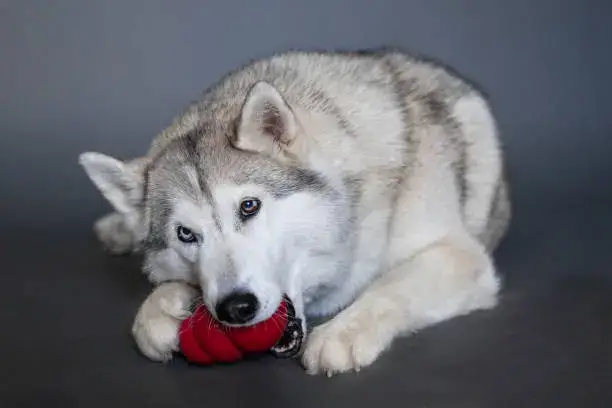
Neglecting the External Auditory Canal is a systemic Grooming Mistake to Avoid. Ears serve as high-moisture incubators for Pathogenic Proliferation, particularly in floppy-eared breeds (e.g., Spaniels). Effective hygiene requires Ecosystem Stabilization—regularly auditing for ceruminous discharge and neutralizing foul odors before they escalate into Chronic Otitis.
3. Operational Cleansing: Solutions vs. Mechanical Tools
The primary Grooming Mistake to Avoid in ear care is the utilization of Home Remedies (vinegar/alcohol) or Q-tips deep in the canal. These can cause Tympanic Membrane rupture or drive debris deeper. The PetCareCompass protocol mandates the use of Gauze Pads or cotton balls saturated with vet-approved solutions for Superficial Debridement. For floppy-eared dogs, weekly checks are a non-negotiable Operational Discipline to maintain Airflow Integrity.
“At PetCareCompass, I categorize nails and ears as Critical Sensory and Mobility Infrastructure. My rule: Overgrown nails represent a failure of Periodic Discipline; a contaminated ear canal is a failure of Ecosystem Surveillance. We are not merely ‘cutting and wiping’; we are Preserving Skeletal Alignment and Auditory Function. By bypassing these failures, you are provisioning the foundation for long-term Biomechanical Stability.”
The Biofilm Collapse: Dental Neglect as a Systemic Risk
In the PetCareCompass framework, ignoring dental hygiene is a high-impact Grooming Mistake to Avoid. Oral bacteria do not remain localized; they utilize the gingival blood supply to initiate Systemic Pathogenic Seeding into the heart and kidneys. Effective Plaque & Tartar Removal requires Mechanical Biofilm Disruption paired with Enzymatic Hydrolysis to neutralize colonies before they mineralize into permanent calculus.
1. Brushing Modulation: Precision vs. Abrasive Scrubbing
A common Grooming Mistake to Avoid is utilizing human-grade fluoride pastes, which are toxic to the canine metabolic system. The PetCareCompass protocol mandates a 45-degree bristle orientation at the Gingival Margin. This specific angle facilitates Subgingival Debridement, targeting the hidden pockets where Periodontal Pathogens consolidate. Small, circular Kinetic Repetitions are clinically superior to aggressive horizontal scrubbing.
2. Hardware Substitution: The Role of Kinetic Chews
Relying solely on “natural” remedies is a strategic Operational Failure. While chews provide Passive Abrasive Action, they cannot reach the Interdental Spaces of the anterior teeth. Veterinary-approved Kinetic Dental Toys should function as Auxiliary Maintenance, rotating weekly to maintain the dog’s Cognitive Engagement and maximize mechanical biofilm clearance across all dental surfaces.
Hardware Incompatibility: Risks of Uncalibrated Tools

Utilizing Substandard Hardware is a primary driver of Grooming-Induced Trauma. Dull blades and uncalibrated trimmers do not cut; they exert Tensile Stress on the hair follicle, leading to focal inflammation. Ensuring Hardware Integrity through regular sharpening and disinfection is a mandatory Operational Habit to prevent cross-contamination and epidermal micro-tears.
3. Material Governance: Plastic vs. Metal Hardware
Selecting the incorrect Material Density for combs and brushes is a common Grooming Mistake to Avoid. While plastic hardware offers Gastrointestinal Safety (if chewed) and gentle contact for fine coats, metal hardware is required for Biofilm Penetration in dense double coats. However, metal requires Precision Handling to avoid scraping the Stratum Corneum (outer skin layer), which can trigger localized dermatitis.
“At PetCareCompass, I categorize dental health and grooming hardware as Primary Defense and Operational Systems. My rule: An incorrectly angled toothbrush is a waste of metabolic energy; a dull trimmer is a significant Epidermal Hazard. We are not merely ‘brushing and clipping’; we are Executing a Biosecurity Protocol. By precisely calibrating your hardware, you are provisioning an Absolute Safety Environment for your companion.”
Epidermal Surveillance: Bypassing the Failure of Skin Neglect
In the PetCareCompass framework, neglecting skin inspections is categorized as a Surveillance Gap. The skin is the dog’s primary Immunological Barrier; failing to identify Acute Moist Dermatitis (Hot Spots) or parasitic colonization (Ectoparasites) allows localized issues to escalate into Systemic Pathogenic Threats. Effective Grooming Mistakes to Avoid must include a structured Palpation Protocol to detect sub-dermal abnormalities before they compromise the dog’s Homeostatic Equilibrium.
1. Pathological Auditing: Identifying Dermal Anomalies
Strategic Grooming Mistakes to Avoid focus on early Hazard Detection. Monthly inspections utilizing Tactile Palpation—gently feeling the skin through the coat—allow owners to identify lumps, localized inflammation, or Follicular Obstructions. Early intervention for hot spots prevents the Inflammatory Cascade, reducing the need for aggressive pharmacological treatments and preserving Epidermal Integrity.
2. Parasitic Mitigation: Weekly Ectoparasite Screening
A common Operational Failure is reactive pest management. The PetCareCompass protocol mandates a weekly Flea-Comb Audit, focusing on high-risk zones like the Lumbosacral Region (base of tail) and the Cervical Margin (neck). By identifying parasitic vectors early, owners prevent Secondary Dermal Infections and the transmission of systemic pathogens.
Operational Discipline: The Grooming Efficiency Checklist

Maintaining Operational Discipline through a structured routine is the only way to eliminate Cumulative Grooming Errors. A checklist ensures that Hardware Sanitization and Biological Inspections occur with Temporal Consistency, architecting a safe environment for the dog’s ongoing maintenance.
Hardware Maintenance: The Sanitization Protocol
An often ignored Grooming Mistake to Avoid is utilizing contaminated or worn-out Hardware. Monthly maintenance should include disinfecting metal teeth and sharpening blades to ensure Clean Shear Force. Dull tools pull hair and irritate follicles, while dirty brushes redistribute Bacterial Loading across the dog’s coat, undermining all hygiene efforts.
“At PetCareCompass, I categorize skin inspections as a Biological Audit. My rule: If your hands do not make physical contact with your dog’s skin monthly, you are Operating Blind to Risk. We are not merely ‘viewing a checklist’; we are Executing Epidermal Preservation Discipline. By adhering to this operational matrix, you are architecting a Proactive Defense System for your companion.”
Strategic Troubleshooting: Grooming Mistakes FAQ
1. What is the ideal frequency for a full grooming audit?
Daily Biofilm Disruption (brushing) is essential. However, a comprehensive Operational Audit—including ear cleansing, nail calibration, and dental checks—should occur weekly to maintain Homeostatic Equilibrium.
2. Can bypassing common grooming mistakes prevent systemic illness?
Absolutely. Avoiding Grooming Mistakes like dental neglect prevents Pathogenic Seeding into the bloodstream, protecting the heart and kidneys from chronic inflammation and bacterial load.
3. What hardware is mandatory for at-home risk mitigation?
Essential Hardware Calibration includes a slicker brush, Ungual Grinders, pH-balanced canine shampoo, and Enzymatic Hydrolysis toothpaste. Calibrating tools to coat type is the first step in hazard prevention.
4. Why does over-bathing lead to chronic skin irritation?
Excessive washing causes Sebum Depletion and disrupts the Acid Mantle. This compromises the skin’s Immunological Barrier, making it susceptible to secondary infections and Pruritus.
5. How can I avoid the quick during high-precision nail trims?
Utilize the Incremental Shaving Method. For dark nails, look for the “chalky ring” indicator. Using a grinder instead of traditional clippers reduces the risk of Vascular Trauma to the Hyponychium.
6. What is the best strategy for grooming-induced anxiety?
Implement a Desensitization Cadence. Pair high-precision tasks with Positive Reinforcement and keep sessions short to prevent Neurological Overload, building long-term Passive Compliance.
Conclusion: Architecting Operational Resilience
Mastering Grooming Mistakes to Avoid is not an esthetic choice; it is a Clinical Mandate. By shifting from reactive maintenance to Strategic Biological Surveillance, you ensure your dog’s Epidermal Integrity and structural health remain compromised. Consistency in Hardware Calibration and Operational Discipline provides the foundation for a lifetime of comfort, health, and verified Systemic Longevity.
The Maya Mai Performance Manifesto
“At PetCareCompass, we define grooming as Preventative Engineering. My final rule: A well-groomed dog is a Structurally Secure dog. We don’t just ‘brush and bathe’; we Execute an Oral and Dermal Preservation Protocol. By eliminating these common failure points, you are architecting an environment where your dog’s Biological Excellence is the only possible outcome.”
Find More Dog Care Guides
Continue exploring practical guides related to this topic.