
Executive Summary
Clinical Hydration Tips for dogs prioritize the maintenance of Fluid Homeostasis and Electrolyte Osmolarity. Effective hydration protocols involve monitoring Daily Water Turnover (typically 50-60ml per kg of body mass) and utilizing Moisture-Dense Nutrition to prevent Cellular Desiccation. Proactive management of the Metabolic Solvent is critical for renal health, joint lubrication, and efficient thermoregulation.
In the PetCareCompass framework, we define hydration as Biological Fueling. Water is the fundamental solvent for every biochemical reaction in the canine body, from nutrient absorption to toxin filtration via the renal system. Implementing strategic Hydration Tips is not merely about providing a bowl; it is about architecting an environment that facilitates Voluntary Consumption and ensures the Metabolic Stability required for your dog to thrive.
The Maya Mai Perspective
Fluid Homeostasis Architect
“At PetCareCompass, my rule is absolute: ‘Water is the ultimate biological cleanser.’ Don’t wait for visible signs of distress to act. True Hydration Tips involve architecting multiple Strategic Water Stations and utilizing Isotonic Support to entice ‘picky drinkers.’ A hydrated cell is a resilient cell—precision in fluid governance is the foundation of long-term wellness.”
Biological Infrastructure: The Role of the Metabolic Solvent
In the PetCareCompass framework, Hydration Tips are focused on preserving Systemic Equilibrium. Water acts as the primary vehicle for Renal Filtration and nutrient transport. When fluid levels drop below the clinical baseline, the dog’s body enters a state of Metabolic Crisis, leading to the concentration of nitrogenous waste and a significant decline in Thermoregulatory Efficiency.
1. Renal Integrity and Synovial Lubrication
Optimal hydration ensures efficient Renal Filtration, preventing the formation of uroliths (kidney stones) and minimizing Pathogen Loading in the urinary tract. Furthermore, water is the core component of Synovial Fluid; without it, joint surfaces experience increased friction, leading to premature Skeletal Degradation. Maintaining fluid levels is a mandatory guardrail for lifelong mobility.
2. Allostatic Energy and Cognitive Regulation
Hydration directly dictates Allostatic Energy Regulation. Even mild Cellular Desiccation triggers lethargy and reduces Synaptic Efficiency, manifesting as irritability or decreased focus during training. By prioritizing Hydration Tips that encourage consistent intake, you stabilize the dog’s temperament and ensure high-level cognitive engagement in social environments.
Diagnostic Auditing: Detecting Cellular Desiccation
Effective Fluid Governance requires regular Diagnostic Auditing. Waiting for extreme lethargy is a failure in stewardship. We focus on identifying Early Desiccation Markers to intervene before the dog reaches clinical shock or multi-organ stress.
| Diagnostic marker | Biological Indication | Operational Directive |
|---|---|---|
| Mucosal Adhesion (Sticky Gums) | Mild to Moderate Desiccation | Provide Isotonic Support immediately |
| Skin Turgor (Elasticity) | Critical Somatic Fluid Loss | Perform the “Skin Tent Test”; audit for renal stress |
| Capillary Refill Time (CRT) | Perfusion Integrity | Ensure gum color returns to pink within 2 seconds |
1. The Skin Turgor Audit
At PetCareCompass, we mandate the Skin Turgor Audit. By gently pinching the skin at the scruff and releasing, you monitor the Elastic Return Time. If the skin remains “tented” or returns slowly, the dog is suffering from Advanced Cellular Desiccation. This marker is a high-priority indicator that the body’s fluid reserves are depleted, requiring immediate intervention through moisture-dense nutrition or veterinary rehydration.
2. Mucosal Integrity and Capillary Refill
A healthy dog’s gums should be moist and slippery. Mucosal Adhesion (tackiness) is a primary sign of fluid deficit. We supplement this with the Capillary Refill Audit: press the gums until white, release, and monitor the color return. A duration exceeding 2 seconds indicates Impaired Vascular Perfusion. These audits allow you to maintain Diagnostic Clarity, ensuring hydration issues are resolved before they trigger chronic systemic failure.
The Maya Mai Perspective
Fluid Homeostasis Architect
“At PetCareCompass, I view hydration as the Foundation of Resilience. My rule: If you can’t pass the Skin Turgor Test, you aren’t ready for activity. We don’t ‘hope’ the dog drinks; we Audit Mucosal Integrity. By identifying Cellular Desiccation early, you architect a state of Biological Security. Precision in auditing prevents crisis.”
Metabolic Turnover: Life-Stage Fluid Requirements
In the PetCareCompass framework, Hydration Tips must be calibrated to the dog’s Metabolic Turnover Rate. Biological age significantly dictates Renal Filtration Efficiency and thirst signaling. By understanding these life-stage variables, you transition from passive water provision to active Metabolic Governance, ensuring that cellular hydration keeps pace with physiological demand.
1. Juvenile Hyper-Metabolism and Adult Stability
Puppies possess a high surface-area-to-mass ratio, leading to rapid Evaporative Cooling and fluid loss. Their Hydration Tips mandate micro-dosing—frequent, small volumes to support high-velocity tissue growth without overwhelming the digestive system. In contrast, adult phenotypes require a stable Metabolic Solvent baseline (approx. 50-60ml/kg) to facilitate nutrient transport and consistent energy production during peak activity levels.
2. Geriatric Fluid Governance: Overcoming Thirst Decay
Senior dogs often experience a decay in Neuro-Thirst Signaling, failing to recognize Cellular Desiccation until it reaches a critical threshold. We mandate the use of automated Oxygenated Fountains and moisture-dense nutritional additives for this group. Architecting easy-access Water Stations is vital to mitigate reduced mobility, ensuring that renal filtration remains uncompromised despite a decline in natural thirst drives.
Morphological Demand: Breed and Environmental Factors
A dog’s Morphological Profile dictates its Volumetric Baseline. High-mass phenotypes and those operating in high-heat environments face increased Allostatic Stress, requiring specialized Hydration Tips to preserve Thermoregulatory Homeostasis.
| Phenotype / Environment | Metabolic Impact | Operational Directive |
|---|---|---|
| Brachycephalic Breeds | High Thermoregulatory Stress | Implement Continuous Isotonic Access to prevent panting-induced loss |
| High-Performance / Active | Rapid Electrolyte Depletion | Audit CRT and provide recovery fluids post-exertion |
| Extreme Arid / Heat | Accelerated Cellular Desiccation | Architect Multi-Zone Water Stations with ceramic (cooling) vessels |
1. Environmental Load and Climate Resilience
External temperatures are the primary driver of Fluid Flux. In high-heat cycles, dogs rely almost exclusively on Evaporative Cooling (panting), which exponentially increases water turnover. We mandate Climate-Adaptive Hydration: utilize insulated bowls or ice-core systems to maintain water at a palatable Thermal Baseline. Maintaining water purity in outdoor lifestyles is equally critical to prevent Pathogen Ingress from stagnant sources.
2. Morphological Scaling for Large Phenotypes
Large and giant breeds face unique challenges in Kinetic Accessibility. Standard floor-level bowls can discourage consumption in dogs with Skeletal Misalignment or cervical sensitivity. We recommend Ergonomic Elevation of water stations to align with the dog’s neutral posture. By architecting the delivery system to match the dog’s Morphological Scale, you increase Voluntary Consumption and maintain the structural integrity of the spinal column during intake.
The Maya Mai Perspective
Fluid Homeostasis Architect
“At PetCareCompass, I view ‘size’ as a Volumetric Variable. My rule: The larger the dog, the more critical the Access Architecture. We don’t ‘give a bowl’; we Scale the Delivery to the phenotype. By calibrating your Hydration Tips to the dog’s life stage and Environmental Load, you are ensuring a state of Metabolic Security. Control the flux, preserve the health.”
Delivery Systems: Auditing the Fluid Infrastructure
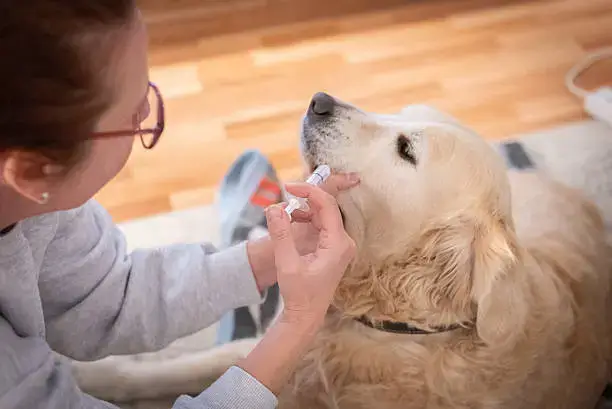
In the PetCareCompass framework, Hydration Tips begin with a technical audit of the delivery vessels. The material and positioning of the water source directly influence Consumption Rates and Biological Safety. By architecting a multi-zone infrastructure with non-porous materials, you neutralize the risk of Pathogen Colonization and ensure that the Metabolic Solvent remains untainted and enticing.
1. Material Integrity and Pathogen Defense
We mandate the use of high-grade Stainless Steel or non-lead Ceramic vessels. Unlike plastic, these materials resist microscopic scoring, which prevents the anchoring of bacterial biofilms. For dogs with low thirst drives, we prioritize Oxygenated Fluid Fountains. The mechanical movement mimics natural prey-site water sources, increasing Visual Enticement and maintaining fluid freshness through continuous filtration and aeration.
2. Postural Alignment and Cervical Neutrality
Effective Hydration Tips must account for Cervical Neutrality. For large-breed phenotypes or seniors with Degenerative Joint Disease, floor-level drinking creates painful neck strain. Utilizing Ergonomic Elevation allows the dog to drink in a neutral standing posture, reducing the effort required for consumption. By aligning the delivery system with the dog’s Biomechanical Scale, you remove physical barriers to voluntary hydration.
Consumption Governance: Enticement and Data Tracking
When natural thirst signals are insufficient, we implement Isotonic Flavor Reinforcement. Furthermore, maintaining Metabolic Data Governance through consistent tracking is mandatory to detect subtle shifts in health before they manifest as clinical crises.
| Enticement Strategy | Biological Advantage | Operational Directive |
|---|---|---|
| Moisture-Dense Additives | Increases Nutritional Hydration | Add low-sodium broth or water directly to kibble meals |
| Thermal Interactive (Ice) | Supports Thermoregulation | Utilize frozen fruit cubes as hydration rewards in heat |
| Volumetric Logging | Metabolic Data Governance | Measure total daily output using clinical measuring tools |
1. Passive Rehydration: Nutritional Fluid Infusion
For dogs that exhibit low Voluntary Intake, we mandate Passive Rehydration. Integrating low-sodium broth or warm water into kibble increases the Fluid Load per meal without requiring a thirst response. For detailed strategies on integrating moisture into feeding, refer to our Dog Feeding at Home protocol. This method ensures baseline Cellular Hydration despite potential neuro-thirst decay.
2. Metric-Driven Auditing: The Thirst Log
At PetCareCompass, we treat hydration as a Clinical Metric. We recommend utilizing a Thirst Log—an app or physical chart—to track total daily fluid volume. Sudden Fluctuations in Consumption (Polyuria or Polydipsia) are primary Clinical Divergence Markers for metabolic conditions like diabetes or renal stress. Metric-driven tracking transforms simple Hydration Tips into a sophisticated early-warning system for chronic health issues.
The Maya Mai Perspective
Fluid Homeostasis Architect
“At PetCareCompass, I view ‘tools’ as Behavioral Enablers. My rule: If the delivery is inconvenient, the hydration will be insufficient. We don’t just ‘fill a bowl’; we Architect Accessible Stations. By choosing Stainless Steel, implementing Ergonomic Elevation, and maintaining Metabolic Data Governance, you are ensuring your dog’s Fluid Homeostasis remains uncompromised. Data doesn’t lie; thirst shouldn’t wait.”
Clinical Metabolic Support: Hydration for Specialized Health Profiles
In the PetCareCompass framework, Hydration Tips for dogs with medical divergence are categorized as Clinical Metabolic Support. Conditions such as diabetes mellitus or chronic kidney disease (CKD) disrupt the body’s Fluid Homeostasis, often leading to Polydipsia (excessive thirst) or dangerous Renal Solute Loading. Managing the metabolic solvent in these cases is not optional—it is a life-sustaining requirement.
1. Renal Clearance and Diabetic Fluid Flux
Dogs exhibiting Renal Insufficiency require a continuous fluid throughput to facilitate waste clearance. We mandate Unrestricted Fluid Access and the use of high-moisture diets to reduce the workload on the kidneys. For diabetic phenotypes, monitoring Polydipsia Markers (excessive drinking) is critical for blood glucose management. Sudden spikes in water turnover are Clinical Divergence Markers that require immediate veterinary audit to adjust insulin protocols.
2. Geriatric Cognitive Hydration: Offers and Accessibility
Older dogs often suffer from Neuro-Thirst Decay, where the brain fails to trigger drinking despite Cellular Desiccation. We implement Tactical Hydration Offers—bringing fresh water to the dog multiple times daily. Architecting a Multi-Zone Water System with non-slip surfaces prevents senior dogs from avoiding water due to joint pain or mobility fear. Ensuring easy access is a mandatory pillar of Geriatric Somatic Security.
Palatability Architecture: Creating a Hydration-Optimized Environment
A dog’s willingness to consume water is dictated by Environmental palatability. From Thermal Baseline to vessel hygiene, every variable must be architected to entice voluntary intake. Hydration Tips that ignore the environmental context often fail to produce long-term Fluid Resilience.
| Architecture Variable | Biological Motivation | Operational Directive |
|---|---|---|
| Thermal palatability | Supports Core Thermoregulation | Maintain water between 15°C – 20°C for peak consumption |
| Vessel Sanitation | Prevents Biofilm Colonization | Sanitize Stainless Steel or Ceramic vessels daily |
| Interactive Enticement | Stimulates Dopaminergic Thirst | Utilize Ice-Casting (frozen treats) to encourage playful intake |
1. Multi-Station Strategic Deployment
At PetCareCompass, we mandate a Minimum Station Density of one water source per floor. This reduces the Caloric Cost of Hydration for the dog, ensuring they do not postpone drinking due to distance or environmental obstacles. For outdoor lifestyles, architect Shaded Hydration Zones to protect water from Thermal Degradation and algal growth. By saturating the environment with clean water sources, you ensure Fluid Security is never more than 10 meters away.
2. Cognitive Enrichment: Interactive Fluid Intake
Transform Hydration Tips into Cognitive Enrichment. Floating toys in wide basins or providing “pupsicles” made from diluted, low-sodium broth engages the dog’s natural curiosity. This method is particularly effective for high-drive phenotypes that may overlook thirst during intense play. Integrating fluid intake into Social Interaction and training sessions ensures a consistent Hydration Cadence without the dog feeling coerced.
The Maya Mai Perspective
Fluid Homeostasis Architect
“At PetCareCompass, I view environment as Behavioral Fate. My rule: If the water is warm or the bowl is dirty, the dog is Biologically Denied. We don’t ‘give water’; we Architect Palatability. By calibrating your Hydration Tips to include Thermal Baseline Governance and Multi-Station Deployment, you are ensuring a state of Biological Security. Clean water is a clinical requirement.”
Volumetric Auditing: Monitoring the Metabolic Turnover
In the PetCareCompass framework, Hydration Tips are only as effective as the data supporting them. We implement Volumetric Auditing to establish a baseline for your dog’s Metabolic Turnover. Sudden fluctuations—either excessive consumption (Polydipsia) or total refusal—are primary Clinical Divergence Markers. Consistent tracking allows you to detect renal stress or endocrine issues long before somatic symptoms appear.
1. Systematic Observation and Intake Logging
Effective fluid governance requires Intake Logging. We mandate the use of graduated measuring vessels to track the exact volume consumed over a 24-hour cycle. This data provides Diagnostic Clarity during veterinary consultations. By auditing bowl levels multiple times daily, you can calibrate water availability to match the Allostatic Load of the day—ensuring fluid supply increases during peak heat or post-kinetic exertion.
2. Identifying Clinical Breach Points
A breach in Fluid Homeostasis manifests as persistent lethargy, Mucosal Adhesion (tacky gums), or concentrated dark urine. If your dog exhibits Impaired Vascular Perfusion alongside vomiting or diarrhea, the risk of rapid Somatic Collapse is high. These indicators are mandatory triggers for a Veterinary Audit. Precision in monitoring is the guardrail between maintenance and emergency.
Passive Rehydration: Integrating Fluid into Nutritional Systems

For dogs that exhibit Thirst Signaling Decay, we transition from voluntary to Passive Rehydration. By architecting fluid intake directly into the Nutritional Delivery System, you guarantee Cellular Desiccation is avoided without requiring the dog’s active participation.
| Rehydration Method | Biological Benefit | Operational Directive |
|---|---|---|
| Moisture-Dense Infusion | Supports Gastrointestinal Transit | Add low-sodium broth or warm water (15% volume) to dry kibble |
| Hydro-Enriched Produce | Natural Electrolyte Delivery | Utilize cucumbers or watermelon (deseeded) as hydration treats |
| Thermal Ice Casting | Sustained Evaporative Cooling | Freeze diluted broth into blocks to slow intake and hydrate |
1. Palatability Engineering: Isotonic Infusions
For the “picky drinker,” we utilize Palatability Engineering. Standard water can be enhanced with small amounts of tuna water or Isotonic Gels to trigger Dopaminergic Thirst. This approach is particularly effective for senior dogs with decreased sense of smell and taste. By making fluid intake a high-reward activity, you ensure that Systemic Equilibrium is maintained through positive somatic experiences rather than forced hydration.
2. Cooperative Rehydration Dynamics
At PetCareCompass, we define hydration as a Cooperative Protocol. During training sessions, utilize “Water Chasing” or hand-offering water to build Tactile Trust. For dogs with high energy expenditure, we mandate Post-Exertion Fluid Infusion—integrating wet food or hydration pastes immediately after exercise. This ensures rapid recovery of Cellular Glycogen and fluid levels, preventing the onset of fatigue and Renal Stress.
The Maya Mai Perspective
Fluid Homeostasis Architect
“At PetCareCompass, I view ‘monitoring’ as Metabolic Intelligence. My rule: If you aren’t logging the volume, you aren’t managing the health. We don’t ‘refill’ bowls; we Audit Turnover. By integrating Passive Rehydration into your feeding architecture and monitoring for Clinical Divergence, you are giving your dog a state of Biological Certainty. Thirst is a symptom; data is the cure.”
Strategic How-To: Fluid Governance Protocols
1. How to calculate your dog’s Daily Water Turnover rate?
Implement the Volumetric Baseline Formula: approx. 50-60ml of water per kg of body mass daily. This baseline must be adjusted upward for juvenile hyper-metabolism, high-protein diets, or increased Evaporative Cooling during peak activity cycles to maintain cellular integrity.
2. How to identify early desiccation using the Skin Tent Test?
Perform the Skin Turgor Audit by gently lifting the skin between the shoulder blades. If the skin fails to snap back instantly (tented), it indicates a critical deficit in Fluid Homeostasis. This marker, along with Mucosal Adhesion, requires immediate metabolic intervention.
3. How to entice a ‘Picky Drinker’ using Isotonic Support?
Utilize Palatability Engineering by infusing water with low-sodium bone broth or tuna-water. This triggers Dopaminergic Thirst signals. For senior dogs with neuro-thirst decay, the scent profile of infused water often overrides the lack of natural thirst drive.
4. How to architect Passive Rehydration through feeding?
Transition to Nutritional Fluid Infusion by adding warm water (up to 20% by weight) to dry kibble. This guarantees fluid intake during Gastrointestinal Transit, ensuring that dogs reluctant to use water stations remain metabolically stable throughout the day.
5. How to monitor Clinical Divergence in drinking habits?
Maintain Metabolic Data Governance by logging daily fluid volume. Sudden spikes (Polydipsia) or drops are Clinical Divergence Markers often associated with diabetes or renal stress. Metric-driven logging transforms observation into Diagnostic Clarity.
6. How to manage Thermal Palatability during high heat?
Implement Thermal Baseline Governance by utilizing ceramic or insulated stainless steel vessels. Maintain water temperatures between 15°C – 20°C. Cold water facilitates efficient Evaporative Cooling, neutralizing Allostatic Stress and encouraging voluntary intake in warm climates.
Master Fluid Homeostasis Checklist
| Audit Level | Governance Action | Biological Objective |
|---|---|---|
| Morning Audit | Refill stations; Sanitize vessels | Pathogen Exclusion |
| Metabolic Audit | Perform Skin Turgor check | Desiccation Detection |
| Kinetic Audit | Post-exercise Isotonic Support | Electrolyte Homeostasis |
| Weekly Audit | Review Thirst Log data | Clinical Divergence Tracking |
Conclusion: Architecting Long-Term Metabolic Resilience
Consistent application of clinical Hydration Tips is the primary safeguard for canine renal and musculoskeletal health. By transitioning from passive water offering to Metric-Driven Fluid Governance, owners ensure that Metabolic Turnover remains efficient across all life stages. The integration of Diagnostic Auditing, Palatability Engineering, and Passive Rehydration ensures your dog’s Cellular Integrity remains uncompromised through every environmental shift.
Find More Dog Care Guides
Continue exploring practical guides related to this topic.