Quick Summary: Behavior Shaping & Reward-Based Learning
Encouraging good behavior in dogs requires a structured approach that combines fun, consistency, and clear communication. Using Positive Play Reinforcement techniques allows owners to reward desirable behaviors while reducing unwanted actions. These strategies help dogs associate appropriate behavior with rewards such as treats, praise, or playtime, fostering a stronger bond and improving obedience. Whether you’re addressing chewing, jumping, or excessive barking, integrating Positive Play Reinforcement into daily routines creates a stress-free learning environment. This guide provides actionable steps, real-life examples, and expert-recommended methods for dog owners at beginner to intermediate levels, ensuring that your dog learns positive behaviors in a safe and engaging way.
Understanding Positive Play Reinforcement
Positive play reinforcement is a method of encouraging good behavior by combining play and reward. Unlike punishment-based methods, it focuses on rewarding the behavior you want to see.
Why Positive Reinforcement Works
- Strengthens learning: Dogs are more likely to repeat behaviors that are rewarded.
- Builds trust: Using fun, interactive methods improves the owner-dog relationship.
- Reduces stress: Encouraging good behavior through play prevents fear and anxiety.
Example: A dog that sits calmly before a game of fetch will learn to associate sitting with a positive outcome, which is a core Positive Play Reinforcement strategy.
Types of Positive Play Reinforcement
- Treat-based play: Offering a small treat during or after play for good behavior.
- Toy-based reinforcement: Using favorite toys to reward desired actions.
- Verbal praise and affection: Encouraging behaviors with enthusiastic praise or petting.
Tip: Mix these rewards to maintain engagement and prevent your dog from anticipating only one type of reward.
The Science Behind Positive Play
- Operant conditioning: Dogs learn through consequences; rewarding positive behavior increases its likelihood.
- Endorphin release: Play triggers natural feel-good chemicals, reinforcing learning.
- Consistency matters: Regular, predictable rewards strengthen behavior patterns.
Setting Up a Positive Play Reinforcement Routine
A structured routine ensures consistency and clarity, which are essential for effective Positive Play Reinforcement.
Step-by-Step Routine Setup
- Identify target behaviors: Determine which behaviors you want to encourage, such as “sit,” “stay,” or “gentle play.”
- Choose rewards: Select toys, treats, or praise your dog loves.
- Define play sessions: Set aside short, frequent sessions (5–10 minutes) for reinforcement.
- Observe and adjust: Watch your dog’s responses and adapt rewards or activities as needed.
Example: Start with a brief session where your dog must sit calmly before a tug-of-war game. Reward compliance immediately to reinforce learning.
Tools for Positive Play Reinforcement
- Clickers: Mark desired behavior instantly for faster learning.
- Interactive toys: Keep the dog engaged while reinforcing calm behavior.
- High-value treats: Small, soft treats work best for quick reinforcement during play.
Tip: Always have your chosen rewards on hand to maintain consistency in Positive Play Reinforcement sessions.
Introducing Basic Commands Through Play
Integrating basic obedience commands into play helps reinforce Positive Play Reinforcement and teaches self-control.
Step-by-Step Command Integration
- Start with simple commands: “Sit,” “stay,” “come,” and “leave it” are ideal for play reinforcement.
- Incorporate play: Reward correct responses immediately with a toy or treat.
- Gradually increase complexity: Combine commands with short sequences during games.
- Maintain short sessions: Avoid fatigue; 5–10 minute sessions are most effective.
Example: During fetch, ask your dog to “sit” before throwing the ball. Praise and reward calm behavior before continuing.
Using Play for Bite Inhibition
- Gentle tug games: Teach the dog to release on command.
- Redirect mouthing: Provide appropriate chew toys during play sessions.
- Reward soft mouth behavior: Give treats or continue the game when your dog interacts gently.
Tip: Teaching bite inhibition through fun is a key element of Positive Play Reinforcement.
Managing Overexcitement During Play
Even positive play can escalate if a dog becomes too excited. Structured Positive Play Reinforcement strategies help maintain control.
Step-by-Step Excitement Management
- Monitor body language: Watch for jumping, lunging, or hard mouthing.
- Pause the game: Stop play when the dog becomes too aroused.
- Reinforce calm behavior: Resume play only when the dog is composed.
- Use consistent commands: “Sit,” “stay,” or “gentle” help manage energy levels.
Example: During tug-of-war, if the dog starts growling aggressively, pause the game and wait for calm compliance before resuming.
Balancing Physical and Mental Play
- Interactive games: Use puzzle toys to challenge your dog’s mind.
- Short bursts of activity: Combine quick fetch sessions with obedience practice.
- Cooldown periods: End sessions with calm petting or a brief rest to reinforce composure.
Tip: Balanced play enhances learning and reinforces Positive Play Reinforcement techniques.
Using Positive Play to Reduce Problem Behaviors
Positive play can be used to redirect unwanted behaviors such as chewing, jumping, or barking.
Step-by-Step Problem Behavior Management
- Identify triggers: Observe when and why unwanted behaviors occur.
- Redirect attention: Engage the dog in a structured play activity immediately.
- Reward desired behavior: Use treats or toys when the dog complies.
- Repeat consistently: Daily practice strengthens behavior modification.
Example: A dog that jumps on guests can be trained to fetch a toy or “sit” for a treat when visitors arrive.
Managing Chewing and Destructive Behavior
- Provide appropriate chew toys: Redirect chewing away from furniture.
- Use play as reward: Reward calm chewing with interactive games.
- Remove temptations: Keep household items out of reach during training sessions.
Tip: Structured redirection during play is an effective Positive Play Reinforcement strategy for managing destructive behavior.
Social Play and Positive Reinforcement
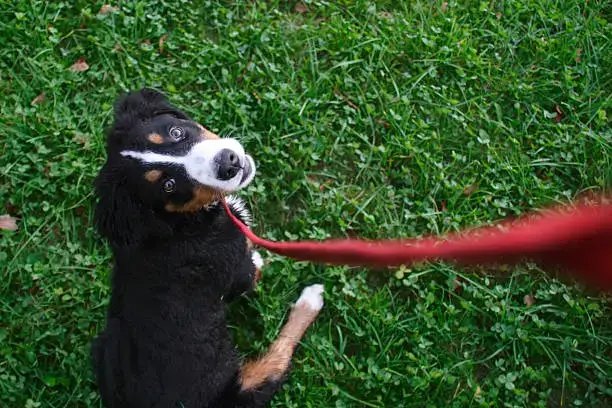
Social interactions with other dogs and people can be guided using Positive Play Reinforcement techniques.
Step-by-Step Social Play Integration
- Supervise interactions: Start with calm, friendly dogs.
- Reward appropriate behavior: Praise calm greetings and gentle play.
- Gradually increase exposure: Introduce busier environments and more complex play scenarios.
- Monitor stress signals: Pause or redirect if stress or aggression appears.
Example: During a dog park visit, reward calm sniffing and play, redirecting overexcitement with a toy or treat.
Safety During Social Play
- Use leashes for control: Prevent escalation during initial introductions.
- Establish boundaries: Teach commands like “come” or “leave it” in social settings.
- Limit session duration: Short play periods prevent fatigue and reduce the chance of aggression.
Tip: Controlled social play reinforces learning and strengthens Positive Play Reinforcement outcomes. For additional behavior management strategies, see Dog Barking at Home.
Integrating Positive Play Reinforcement into Daily Routines
Daily routines offer consistent opportunities to reinforce good behavior using Positive Play Reinforcement techniques. Structured sessions embedded in everyday activities help dogs learn faster and maintain calm, desirable behavior.
Step-by-Step Daily Integration
- Morning engagement: Begin the day with a 5–10 minute session of gentle play combined with commands like “sit” or “stay.”
- During walks: Use toys or treats to reward calm behavior when encountering distractions like other dogs or people.
- Midday play sessions: Incorporate short interactive games, focusing on impulse control and positive reinforcement.
- Evening wind-down: End the day with calm, structured play or obedience practice to reinforce a relaxed routine.
Example: Ask your dog to sit calmly before giving a ball during morning fetch. Repeat this during walks by rewarding focus and calmness. This method strengthens Positive Play Reinforcement outcomes throughout the day.
Tools to Support Daily Reinforcement
- Clickers: Mark good behavior instantly during multiple sessions.
- Puzzle toys: Provide mental stimulation and reinforce patience.
- High-value treats: Keep your dog motivated for repeated daily practice.
Tip: Consistency in daily routines is crucial for effective Positive Play Reinforcement.
Combining Obedience Training & Mental Enrichment
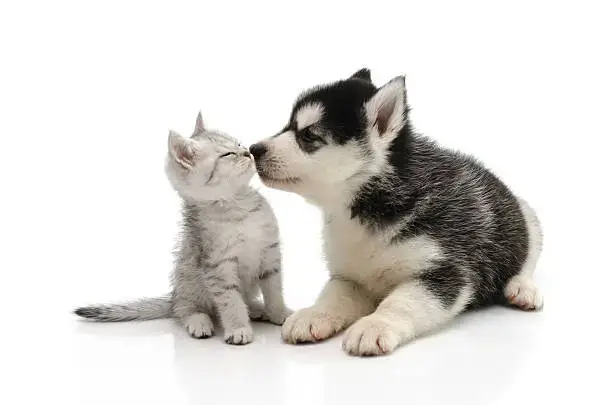
Obedience training and mental challenges during play reinforce learning, teach self-control, and improve overall behavior.
Advanced Obedience Techniques
- Impulse control games: Teach your dog to wait before taking treats or toys.
- Structured tug-of-war: Set rules, such as “release on command,” to reinforce control.
- Recall practice in play settings: Practice “come” or “leave it” during stimulating situations to reinforce calm behavior.
Mental Stimulation & Enrichment
- Puzzle toys: Encourage problem-solving to access treats.
- Hide and seek games: Hide toys or treats for your dog to find using commands.
- Rotate toys and activities: Prevent boredom and maintain high engagement.
Managing Playtime for Different Dog Personalities
Each dog has a unique temperament, and tailoring Positive Play Reinforcement approaches maximizes effectiveness.
Personality-Based Play Management
- High-energy dogs: Use short bursts of active play combined with impulse-control games.
- Shy or anxious dogs: Start with gentle, low-stimulation play and gradually increase engagement.
- Resource-sensitive dogs: Introduce toys or treats slowly, rewarding calm interaction and sharing.
Example: A shy dog may initially receive a treat for approaching a new toy, progressing to interactive fetch or tug games as confidence grows.
FAQ & Daily Checklist for Positive Play Reinforcement

Q1: How long should play sessions last?
Short sessions of 5–10 minutes are most effective for maintaining attention and reducing stress.
Q2: Can Positive Play Reinforcement help with problem behaviors?
Yes, redirecting unwanted behaviors into structured play rewards appropriate actions and encourages learning.
Q3: How often should reinforcement be applied?
Multiple short sessions daily are more effective than one long session.
Q4: What if my dog doesn’t respond to play rewards?
Try alternative rewards like treats, praise, or new toys. Observing preferences and adjusting reinforcement is key.
Q5: Can Positive Play Reinforcement be combined with obedience training?
Absolutely. Commands like “sit,” “stay,” or “leave it” can be reinforced with toys or treats during play.
| Time | Activity | Focus Commands / Strategies |
|---|---|---|
| Morning | Short fetch or tug session | Sit, stay, calm greeting |
| Midday | Puzzle toy or treat hunt | Focus, patience, controlled play |
| Afternoon | Controlled social play | Calm greetings, gentle interaction |
| Evening | Obedience with play integration | Leave it, come, calm reinforcement |
Troubleshooting Common Challenges
- Overexcitement during play: Pause and wait for calm behavior before continuing.
- Lack of interest in toys or treats: Experiment with different types or high-value rewards.
- Stress during socialization: Gradually introduce new environments or reduce stimuli to avoid fear-based reactions.
Conclusion & Expert Guidance
Sustaining good behavior requires consistent, long-term application of Positive Play Reinforcement strategies. By integrating structured play into daily routines, owners can reinforce desirable behaviors, reduce stress, and strengthen the bond with their dogs.
Find More Dog Care Guides
Continue exploring practical guides related to this topic.