
Obedience training is the foundation of a well-behaved, confident, and happy dog. By mastering Obedience Training Basics, both new and experienced dog owners can teach essential commands such as sit, stay, come, and heel while establishing a respectful and loving relationship. These Obedience Training Basics not only improve communication but also prevent behavioral problems and create a safe, enjoyable environment for your dog. This guide provides simple, step-by-step strategies that are effective for beginners and ensure that training sessions are positive, rewarding, and stress-free. With consistency, patience, and the right techniques, you can strengthen your bond with your dog while laying the groundwork for lifelong obedience and good behavior through practical Obedience Training Basics.
Understanding the Importance of Obedience Training
Before diving into specific commands, it’s crucial to understand why Obedience Training Basics are essential. They are not just about controlling behavior—they build trust, communication, and confidence in your dog. A dog that understands basic commands is safer, happier, and easier to manage in daily life.
Benefits for Dogs and Owners
- Safety: Commands like come, stay, and heel prevent accidents and keep your dog out of danger.
- Mental stimulation: Training engages your dog’s brain, reducing boredom and destructive behaviors.
- Improved relationship: Consistent Obedience Training Basics strengthen the bond between you and your dog through clear communication and positive reinforcement.
Example: A dog trained to stay at the door while you leave for work is less likely to dash outside or develop separation anxiety.
How Training Reduces Anxiety and Stress
Dogs thrive on structure. Understanding what is expected of them reduces uncertainty, which can be a significant source of stress. Using Obedience Training Basics, you provide clear guidance, helping your dog feel secure.
- Predictable routines: Regular training sessions establish what your dog should expect each day.
- Positive reinforcement: Rewarding good behavior builds confidence and reduces frustration.
- Safe environment: Training creates consistency that dogs rely on, minimizing anxiety in new or stressful situations.
Common Misconceptions About Obedience Training
Many dog owners hesitate to train because of misconceptions:
- “My dog is too old to learn.” Adult dogs can learn new commands; patience and consistency are key.
- “Training is punishment.” Effective obedience training uses positive reinforcement, not force.
- “Only certain breeds can be trained.” All dogs can learn commands; motivation and engagement matter more than breed.
Tip: Approach training with patience and celebrate small successes. Avoid punishing mistakes—reward progress instead.
Preparing for Successful Training Sessions
Preparation is vital for productive training. Short, focused sessions in the right environment maximize learning and minimize frustration when implementing Obedience Training Basics.
Choosing the Right Environment
- Quiet and distraction-free: Begin in a room with minimal noise to focus your dog’s attention.
- Safe space: Ensure the area is free from hazards or items your dog shouldn’t chew.
- Familiar surroundings: Dogs learn better when they feel comfortable and secure.
Gathering Treats, Toys, and Clickers
Positive reinforcement is the cornerstone of obedience:
- High-value treats: Small, soft treats work best for frequent rewards.
- Toys: Use favorite toys to motivate play-based learning.
- Clickers: A clicker marks precise moments of correct behavior, making it easier for your dog to understand Obedience Training Basics.
Tip: Keep rewards ready before each session to maintain flow and consistency.
Setting Realistic Training Goals
- Start small: Focus on one command at a time to avoid overwhelming your dog.
- Short sessions: 5–10 minutes per session is ideal for puppies; up to 15 minutes for adult dogs.
- Frequency: Multiple short sessions daily are more effective than one long session.
Timing and Frequency of Sessions
- Consistency: Train at the same time each day to build a routine.
- Avoid fatigue: Stop sessions before your dog loses focus to keep training positive.
- Daily reinforcement: Incorporate commands into play and daily life to strengthen learning and cement Obedience Training Basics.
Teaching the Basic Commands – Sit and Stay
Sit and stay are foundational commands that make learning subsequent behaviors easier. Practicing Obedience Training Basics ensures your dog reliably responds in real-life situations.
Step-by-Step Guide to Teaching Sit
- Lure into position: Hold a treat close to your dog’s nose and slowly move it above their head.
- Mark the behavior: As your dog sits naturally, say “sit” and give the treat immediately.
- Repeat: Practice multiple short sessions until your dog responds reliably to the verbal cue alone.
Tip: Avoid forcing your dog to sit physically, as this can create resistance or fear.
Reinforcing Stay and Duration
- Start with short durations: Ask your dog to sit and stay for 2–3 seconds initially.
- Gradually increase: Extend the duration incrementally as your dog becomes comfortable.
- Release command: Use a consistent word like “okay” to signal the end of the stay.
Example: A puppy can progress from 2-second stays to 30-second stays over a few weeks with positive reinforcement.
Troubleshooting Common Challenges
- Dog breaks position: Reduce the duration temporarily and reward small successes.
- Distraction issues: Practice in a quieter environment first, then gradually add distractions.
- Lack of motivation: Switch to higher-value treats or incorporate toys.
Sit and Stay in Real-Life Scenarios
- Door control: Teach your dog to sit and stay before entering or exiting the home.
- Vet visits: A calm sit and stay can reduce stress during check-ups.
- Greeting guests: Prevent jumping by asking your dog to sit before interactions.
For more strategies on managing dog behavior, see Dog Barking at Home.
Teaching Come and Recall Commands
Reliable recall is essential for your dog’s safety and freedom. Mastering the “come” command is one of the most critical steps in Obedience Training Basics, ensuring your dog responds promptly even in distracting environments. Using proper Obedience Training Basics guarantees that recall becomes a reliable, stress-free command.
Step-by-Step Recall Training
- Start in a quiet space: Begin indoors or in a fenced yard to minimize distractions.
- Use a positive cue: Say your dog’s name followed by “come” in a cheerful tone.
- Reward immediately: As soon as your dog reaches you, offer a treat, praise, or favorite toy.
- Repeat frequently: Short, consistent sessions help your dog form strong recall associations.
Example: Call your dog from across the living room and reward each successful return. Gradually increase distance as confidence grows. This approach exemplifies Obedience Training Basics in practice.
Using Positive Reinforcement for Come
- Treats: Use high-value, small treats your dog loves.
- Praise and excitement: Dogs respond well to upbeat tones and enthusiasm.
- Play rewards: Toss a favorite toy after a successful recall to make it enjoyable.
Tip: Avoid calling your dog for negative reasons (e.g., scolding), as this can create hesitation or fear. Obedience Training Basics emphasize positive reinforcement above all.
Recall Games and Practice Tips
- Hide and seek: Have family members hide while calling your dog to reinforce recall in fun ways.
- Distance training: Gradually increase distance in controlled environments before off-leash practice.
- Variable rewards: Mix treats, toys, and praise to keep the dog motivated.
Teaching Heel and Loose-Leash Walking
Walking calmly on a leash is vital for safety and enjoyable outings. Proper Obedience Training Basics emphasize heel training to prevent pulling and reinforce control. Mastering Obedience Training Basics in walks ensures that daily outings are stress-free and enjoyable for both you and your dog.
Step-by-Step Heel Training
- Start indoors: Begin in a quiet hallway or room.
- Position your dog: Keep the dog on your left side, close to your leg.
- Use a cue: Say “heel” and move forward slowly.
- Reward compliance: Treat or praise when your dog matches your pace.
- Short sessions: 5–10 minute intervals prevent fatigue and frustration.
Example: During a walk, stop whenever your dog pulls ahead. Resume walking only when they return to your side, reinforcing proper heel behavior.
Correcting Pulling Behavior
- Stop-and-go method: Pause when the dog pulls; move forward only when leash is slack.
- Change direction: Turn 180° to encourage focus on the handler.
- Positive reinforcement: Reward calm walking to reinforce the behavior.
Leash Training Games
- Red light/green light: Walk with your dog; pause frequently and resume only when calm.
- Follow the leader: Encourage your dog to mirror your movements and pace.
- Interactive walks: Use toys or treats as intermittent rewards for proper walking.
Using Positive Reinforcement Effectively

Positive reinforcement is central to successful obedience. Correctly applying Obedience Training Basics ensures that training is fun, effective, and stress-free for your dog.
Types of Rewards
- Treats: Small, soft, high-value treats are ideal for frequent reinforcement.
- Toys: Incorporate favorite toys as rewards during training sessions.
- Praise: Verbal encouragement and petting reinforce good behavior.
Timing and Consistency
- Immediate reward: Deliver treats or praise immediately after the desired behavior.
- Consistent cues: Always use the same verbal or hand signals to reduce confusion.
- Avoid over-rewarding: Ensure your dog understands the behavior, not just the treat.
Example: When teaching “sit,” mark the exact moment the dog’s bottom touches the ground and reward immediately to reinforce understanding. Proper use of Obedience Training Basics ensures the dog associates commands with positive outcomes.
Avoiding Common Reinforcement Mistakes
- Delayed rewards: Giving treats too late can confuse your dog.
- Inconsistent cues: Changing commands or hand signals may lead to slow progress.
- Punishing mistakes: Avoid scolding; instead, guide your dog back to the correct behavior.
Using Variable Reinforcement
- Mix treats, toys, and praise randomly to maintain motivation.
- Gradually reduce treats as your dog masters commands while keeping praise consistent.
- Introduce intermittent reinforcement during walks or play to maintain reliability.
Incorporating Training into Daily Life
- Ask for “sit” before meals or opening doors.
- Practice recall in the yard or park before allowing off-leash play.
- Use “heel” during short walks to reinforce leash manners consistently.
Example: Have your dog sit at the doorway before walks and reward calm behavior before exiting, demonstrating real-life application of Obedience Training Basics.
Combining Commands for Advanced Practice
- Chain commands: “Sit → Stay → Come” in sequence to increase focus.
- Introduce mild distractions gradually to strengthen obedience under real-world conditions.
- Reward patience and correct execution of multi-step commands.
Troubleshooting Common Obedience Challenges

Even with the best techniques, dogs may develop bad habits or resist commands. Understanding common challenges and solutions is essential in Obedience Training Basics to maintain progress and confidence in training.
Dealing with Distractions
Dogs can become easily distracted by smells, other animals, or people. Incorporating Obedience Training Basics for focus can help:
- Start small: Train in quiet, controlled environments first.
- Gradual exposure: Slowly introduce mild distractions while maintaining short sessions.
- Reward attention: Immediately praise or treat when your dog maintains focus despite distractions.
Example: While teaching “stay,” practice near a low-traffic sidewalk before attempting busy park environments.
Handling Stubborn Behavior
Some dogs may appear resistant to training commands. Applying Obedience Training Basics effectively helps overcome this:
- Break tasks into smaller steps: If a dog struggles with “heel,” practice short intervals before extending distance.
- Increase motivation: Use higher-value treats or favorite toys.
- Remain patient and consistent: Avoid showing frustration; dogs respond better to calm guidance.
Tip: Every dog learns at a different pace. Celebrate small wins and gradually build up.
When to Seek Professional Help
While most obedience issues can be managed at home, professional guidance is sometimes necessary:
- Persistent aggression or fear-related behaviors.
- Commands not being followed despite consistent training.
- Severe separation anxiety or destructive behavior.
Recommendation: Many professionals recommend consulting a certified dog trainer or behaviorist if issues persist to ensure safety and effective results. Incorporating guidance from experts reinforces Obedience Training Basics.
Maintaining Obedience Skills and Daily Routine
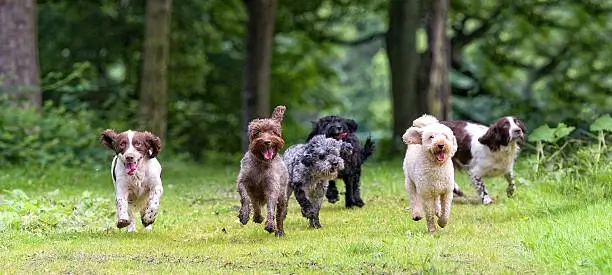
Consistency is key to long-term success. Integrating Obedience Training Basics into daily life ensures your dog retains learned commands and continues to behave reliably.
Daily Practice Checklist
A structured daily routine reinforces skills and strengthens your bond:
- Morning: Short 5–10 minute session reviewing sit, stay, and come.
- Midday: Incorporate commands into walk or playtime (heel, loose-leash walking).
- Evening: Reward calm behaviors at home, such as lying quietly or waiting at doors.
Example Daily Schedule
| Time | Activity | Commands Practiced |
|---|---|---|
| 7:00 AM | Morning breakfast | Sit, stay, come |
| 12:00 PM | Yard play / walk | Recall, heel |
| 6:00 PM | Evening dinner / calm home time | Sit, stay, polite greetings |
Incorporating Commands into Play and Walks
- Interactive walks: Use commands like “heel” or “sit” during short walks, rewarding calm behavior.
- Playtime training: Hide treats and ask your dog to “stay” or “come” before retrieving the reward.
- Life reinforcement: Ask for “sit” before opening doors, greeting visitors, or handling toys.
Example: Before letting your dog out in the yard, ask for a sit and stay. Reward compliance with playtime or treats to strengthen habits.
Frequently Asked Questions
Q1: How long does it take for my dog to learn basic commands?
Most dogs learn basic commands like sit and stay within 2–4 weeks of consistent short sessions. Puppies may take longer; adult dogs often progress quickly.
Q2: What if my dog forgets commands?
Reinforce commands daily. Inconsistent practice can cause regression. Short, frequent sessions with rewards help retain learned behaviors.
Q3: Can older dogs learn obedience commands?
Absolutely. Obedience Training Basics are effective for dogs of all ages. Patience and motivation are key.
Q4: How do I prevent my dog from becoming distracted during training?
Start in quiet environments, gradually introduce distractions, and reward attention consistently. Use high-value treats to maintain focus.
Q5: How many commands should I teach at once?
Focus on one command at a time for beginners. Once a command is reliable, introduce the next. Multi-step sequences can be added gradually.
Troubleshooting Real-Life Scenarios
- Scenario 1: Dog jumps on guests – use “sit” and reward calm greeting.
- Scenario 2: Dog pulls on leash – implement stop-and-go heel training and praise proper walking.
- Scenario 3: Dog ignores recall – practice recall in a controlled environment with high-value rewards.
Maintaining Motivation Over Time
Long-term success in obedience requires continuous engagement:
- Rotate rewards: Mix treats, toys, and verbal praise to keep training exciting.
- Short refresher sessions: Even after mastery, 5–10 minute daily sessions maintain skills.
- Positive reinforcement culture: Avoid punishment; reinforce desired behaviors consistently.
Example: Integrate obedience games during walks, using sit, stay, and come as part of a fun scavenger hunt.
Find More Dog Care Guides
Continue exploring practical guides related to this topic.