
Proactive Behavioral & Emotional Monitoring
Monitoring your dog’s mood, actions, and reactions is essential for any responsible pet owner. Behavior Tracking provides valuable insights into your dog’s emotional state, physical well-being, and social interactions. By observing daily routines and documenting behaviors, owners can detect early signs of stress, anxiety, or health issues before they escalate into bigger problems.
This article offers practical guidance on implementing Behavior Tracking, including establishing routines, selecting observation methods, and interpreting results. These strategies help owners reinforce positive behavior, address challenges proactively, and strengthen the bond between dog and owner. Whether managing a high-energy puppy or an adult dog with anxiety, these tips provide actionable steps for improving understanding, communication, and overall care.
Why Behavior Tracking Matters
Understanding your dog’s behavior is more than simply watching their actions—it’s about interpreting their needs and emotional states accurately. Consistent Behavior Tracking allows you to anticipate potential problems, improve training outcomes, and create a safe, nurturing environment.
Detecting Mood Changes Early
- Observation: Monitor body posture, facial expressions, and energy levels.
- Signs to Watch: Tail position, ear movement, eye contact, and vocalizations.
- Actionable Steps: Note subtle shifts in behavior, like decreased appetite or reluctance to play, which can indicate stress.
Early detection allows interventions before fear, anxiety, or other stress responses become entrenched, promoting overall emotional health.
Improving Training Outcomes
- Targeted Reinforcement: Adjust rewards and training methods based on daily observations.
- Tracking Progress: Record responses to commands, new skills learned, and reactions to stimuli.
- Behavioral Patterns: Identify triggers for unwanted behaviors and modify approaches accordingly.
Effective Behavior Tracking ensures training sessions are tailored to your dog’s needs and promotes long-term success.
Strengthening the Human-Dog Bond
- Empathy and Understanding: Recognize signs of fear, discomfort, or excitement to respond appropriately.
- Consistent Interaction: Use observation logs to reinforce calm and confident behaviors.
- Trust Building: Dogs feel safer and more secure when owners understand and respect their signals.
Developing awareness of your dog’s behaviors fosters a positive, trusting relationship and reduces stress-induced problem behaviors.
Setting Up a Behavior Tracking System

Creating a consistent system for Behavior Tracking ensures accurate, actionable observations. Structured tracking provides a clear picture of your dog’s habits, preferences, and stress points.
1. Choosing the Right Tools
- Journals or Notebooks: Traditional method for detailed daily notes.
- Apps and Digital Logs: Track behavior, activity, and mood efficiently.
- Hybrid Systems: Combine written notes with photo/video documentation for accuracy.
Selecting tools that suit your lifestyle ensures you can maintain consistent records without added stress.
2. Selecting Key Metrics
- Activity Levels: Record play, walks, and resting periods.
- Mood Indicators: Track excitement, calmness, or anxiety signs.
- Training Response: Note successes, struggles, and reactions to commands.
- Social Interactions: Document encounters with people and other pets.
Identifying which metrics matter most to your dog allows for precise and meaningful Behavior Tracking.
3. Creating a Routine
- Consistent Observation Times: Morning, afternoon, and evening check-ins.
- Integration with Daily Activities: Track behavior during feeding, play, and walks.
- Regular Review: Weekly or monthly summaries help identify patterns and trends.
Consistency in observation enhances the accuracy of behavior tracking and improves intervention strategies.
Daily Observation Techniques
Observing your dog every day is the foundation of effective Behavior Tracking. Subtle behavioral cues often reveal emotional states and potential stressors that may otherwise go unnoticed.
Watching Body Language
- Tail Position: Tucked tails indicate fear, high tails indicate alertness or excitement.
- Ears: Pinned-back ears often signal anxiety or submission, while forward-facing ears indicate interest or focus.
- Posture: Crouching or cowering is a fear response, while relaxed posture indicates comfort.
- Movement: Hesitant or stiff movements can indicate nervousness.
Careful attention to these cues allows owners to respond promptly and appropriately, preventing escalation of stress or anxiety.
Monitoring Vocalizations
- Barking: Can indicate alertness, stress, or excitement depending on context.
- Whining or Whimpering: Often a sign of discomfort, stress, or desire for attention.
- Growling or Snarling: Typically a warning or defensive response to fear.
Documenting vocal patterns alongside body language provides a more complete picture of your dog’s emotional state.
Recording Routine Behavior
- Eating Patterns: Decreased appetite can signal stress or health issues.
- Sleep Patterns: Excessive sleep or restlessness may indicate anxiety.
- Play and Exercise: Monitor engagement levels and preferences.
- Social Interactions: Note positive and negative responses to people, pets, and new environments.
By recording these behaviors consistently, owners can detect trends and intervene early to support their dog’s well-being.
Analyzing Behavioral Patterns
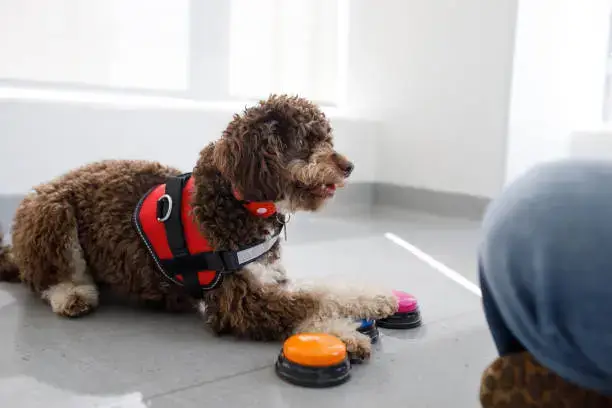
Collecting data through Behavior Tracking is only the first step. Analyzing behavioral patterns helps owners understand trends, identify triggers, and make informed decisions to support their dog’s emotional and physical health.
Identifying Triggers
- Common Stressors: Loud noises, unfamiliar visitors, or new environments.
- Behavioral Reactions: Barking, cowering, or avoidance when exposed to triggers.
- Action Steps: Note specific circumstances that provoke reactions and plan gradual desensitization exercises.
Recognizing triggers allows owners to anticipate challenges and prevent anxiety escalation.
Understanding Correlations
- Behavior vs. Environment: Compare activity logs to situations like walks, mealtime, or social interactions.
- Mood Associations: Identify links between certain activities and positive or negative emotional states.
- Data Interpretation: Highlight recurring patterns to inform training and management strategies.
By understanding correlations, owners can make proactive adjustments that improve daily life and training outcomes.
Adjusting Training Plans
- Tailored Reinforcement: Use insights from behavior tracking to reinforce desired behaviors effectively.
- Behavior Modification: Modify strategies for anxiety-prone behaviors based on logged observations.
- Progress Monitoring: Track incremental improvements or setbacks over time.
Data-driven training ensures a targeted, efficient approach that strengthens positive behaviors while reducing stress.
Using Technology for Behavior Tracking

Modern tools make Behavior Tracking more accurate and less time-consuming. Leveraging technology enhances data collection, interpretation, and consistency.
Apps and Wearables
- Activity Trackers: Devices measure steps, activity duration, and sleep patterns.
- Health Monitoring: Track heart rate and energy levels for early detection of stress or illness.
- App Integration: Sync data with smartphone apps for easy analysis and visualization.
Using technology helps owners track subtle changes that might be missed in manual observations.
Video Recording
- Capturing Interactions: Record play, training, and social encounters for later review.
- Analyzing Behavior: Identify patterns, triggers, or stress responses not obvious in real-time.
- Sharing with Professionals: Video logs can assist trainers or veterinarians in providing accurate guidance.
Video documentation complements daily notes, giving a fuller picture of your dog’s behavior over time.
Data Analysis Techniques
- Visual Charts: Graph frequency of behaviors or activity levels to spot trends.
- Weekly Summaries: Compare logs week by week to assess progress.
- Adjustment Plans: Make informed changes to routines, training, or interventions.
Proper data analysis transforms raw observations into actionable insights, enhancing training and care efficiency.
Environmental and Social Influences
Your dog’s environment and social interactions significantly affect behavior. Including these factors in Behavior Tracking helps identify stressors and reinforce positive influences.
Household Environment
- Noise Levels: Excessive sounds can provoke stress; note reactions to appliances, TV, or visitors.
- Space and Comfort: Observe how dogs respond to confined areas or open spaces.
- Consistency: Maintain predictable routines to reduce anxiety.
A calm, structured environment contributes to stable behavior and reduces fear or aggression incidents.
Interaction with People
- Handling and Petting: Record responses to touch, grooming, and play.
- Family Members vs. Strangers: Note differences in behavior around familiar and unfamiliar people.
- Positive Reinforcement: Reward calm and confident responses to strengthen desirable behaviors.
Observing social interactions allows owners to tailor experiences that build confidence and reduce stress.
Interaction with Other Pets
- Compatibility Observations: Track responses to other dogs or animals in the home or during walks.
- Conflict Triggers: Note signs of anxiety, fear, or aggression when other pets are present.
- Guided Socialization: Gradually introduce pets to reduce tension and promote positive interactions.
Monitoring these interactions ensures your dog develops healthy social skills and prevents negative behavior patterns.
Find More Dog Care Guides
Continue exploring practical guides related to this topic.