Neural Habituation
Puppy Socialization is far more than a simple introduction to the world; it is a critical process of Neural Habituation. During the initial months of life, a puppy’s brain is in a state of hyper-plasticity, forming synaptic connections that determine their lifelong perception of safety and danger. Proper socialization is the Behavioral Vaccination every young dog needs to prevent systemic fearfulness, reactivity, and chronic anxiety.
“True socialization is about quality, not quantity. Our goal is not just exposure, but the creation of a Positive Associative Bridge between the puppy and every new stimulus they encounter.” — Maya Mai
This guide provides a structured, evidence-based roadmap to safely expose your puppy to diverse demographics, environmental variables, and multi-species interactions. By following these proven socialization steps, you are not just preventing behavioral problems—you are strengthening the human-canine bond and engineering a dog with Lifelong Emotional Resilience.
Understanding Socialization: The Window of Plasticity
Socialization is a structured Desensitization Protocol designed to categorize environmental stimuli as “neutral” or “safe.” It is the biological process of Neural Mapping—shaping how the brain’s amygdala (the fear center) reacts to the unknown. Puppies that lack this exposure often suffer from Synaptic Pruning, where the brain discards the ability to process new information calmly, leading to lifelong reactivity.
1. The Core Social Competencies
To thrive in a modern human environment, a puppy must master Social Competencies that go beyond basic friendliness. This includes Bite Inhibition through dog-to-dog play, Tactile Acceptance (allowing humans to handle paws, ears, and mouth), and Acoustic Resilience—the ability to recover quickly from startling noises like traffic or thunder.
2. The Window of Neuroplasticity: 3 to 16 Weeks
The first 12 to 16 weeks represent a unique Neuroplastic Window. During this phase, the puppy’s Neophobia (fear of new things) is at its biological lowest. Once this window closes, the brain enters a “conservative” stage where any unfamiliar stimulus is treated as a potential threat. Puppy socialization during this time is not just beneficial—nerves and synapses are physically being wired for resilience.
Information Gain: A common mistake is “Flooding”—exposing a puppy to too much, too fast. If a puppy is overwhelmed, the brain records Traumatic Encoding instead of habituation. Socialization should always be Distance-Managed; if your puppy hides or trembles, you have crossed their Arousal Threshold and must increase the distance from the stimulus.
3. Longitudinal Benefits of Early Exposure
Early Puppy Socialization acts as a foundational anchor for all future training. A confident dog has a lower Resting Cortisol level, making them more receptive to obedience cues and less likely to develop separation anxiety. By investing in this early window, you are ensuring that future veterinary visits, grooming, and public outings are handled with Emotional Equilibrium rather than fear-based resistance.
| Developmental Goal | Biochemical Impact | Long-term Behavior |
|---|---|---|
| Environmental Habituation | Amygdala stabilization | Confidence in new places |
| Tactile Desensitization | Reduced cortisol during touch | Safe handling & Grooming |
| Social Agency | Dopamine-driven curiosity | Friendly stranger/dog greetings |
Husbandry Rule: Socialization is the process of teaching a puppy that the world is interesting, not threatening. Quality of interaction always beats quantity.
Risk Mitigation: Preparing for Safe Exposure
Before initiating Puppy Socialization, you must navigate the Immunological Window—the period where maternal antibodies fade but full vaccine protection is not yet active. Strategic preparation ensures that environmental exposure does not compromise physical health while maximizing behavioral growth.
1. Clinical Clearance: Vaccinations and Bio-Security
Consult your veterinarian regarding the local Pathogen Load. While group classes and high-traffic dog parks should be avoided until the final round of core vaccines (DHPP/L), socialization can safely occur in “Bio-Secure” environments—sanitized indoor spaces or private yards with known, vaccinated adult dogs. This balance prevents Behavioral Deprivation without risking viral exposure.
2. Controlled Environmental Tiering
Socialization is a ladder of Stimulus Intensity. Start in “Low-Arousal Zones” (your living room or a quiet cul-de-sac) where your puppy can observe the world without being forced to interact. As they demonstrate Environmental Confidence, gradually transition to “Medium-Arousal” areas. Avoid “High-Arousal” environments like busy pet stores until the puppy has mastered their Neutrality Baseline.
3. The Toolkit: High-Value Reinforcement
To build a Positive Associative Bridge, use “High-Value Reinforcement”—treats or toys that the puppy does not receive during standard training. Short, 5-to-10 minute sessions prevent Cognitive Overload and ensure the puppy ends every session in a state of “Optimistic Engagement.”
Human Calibration: Introducing New Demographics
Positive interaction with diverse human demographics is the primary defense against Stranger Reactivity. The goal is to teach your puppy that humans—regardless of size, gait, or accessories—are predictable and safe sources of engagement.
1. The “Consent-Based” Greeting Protocol
Never force a puppy to approach a stranger. Instead, utilize the 3-Second Rule: Let the puppy approach at their own pace. If they move toward the person, allow a 3-second interaction, then call the puppy away to reward them. This grants the puppy Social Agency and prevents them from feeling trapped—a leading cause of fear-biting.
Information Gain: Dogs do not naturally generalize. A puppy who is comfortable with a person in a t-shirt may be terrified of that same person wearing a hat, an umbrella, or a high-visibility vest. Perform a “Novelty Audit” by introducing these accessories gradually, pairing them with high-value rewards to ensure Visual Resilience.
2. Redirecting Fear Responses
If your puppy demonstrates fear (tucked tail, avoidance, or vocalizing), do not punish or “comfort” them in a way that reinforces the fear. Instead, increase the distance from the stimulus and redirect their focus to a simple, rewarding task. For deeper strategies on managing vocal stress and home behavior, see our guide on dog barking at home.
| Demographic Group | Exposure Strategy | Behavioral Goal |
|---|---|---|
| Children | Supervised, calm observation | Tolerance for erratic movement |
| Seniors/Mobility Aids | Controlled approach (wheelchairs/walkers) | Neutrality to mechanical noise |
| Uniformed Workers | Positive association (delivery/postal) | Prevention of territorial guarding |
Husbandry Rule: Socialization is not about meeting everyone; it is about feeling safe everywhere. Focus on the puppy’s choice, not the human’s desire.
Intra-Species Calibration: Interacting with Other Dogs
Socializing with conspecifics (other dogs) is the primary method for a puppy to learn the nuances of Canine Etiquette. These early interactions function as a Social Vaccine, protecting your puppy against future dog-to-dog reactivity. The focus must be on Bite Inhibition and the accurate interpretation of Meta-signals—the subtle cues that differentiate play from conflict.
1. Strategic Playmate Selection: The “Mentor” Model
Not every dog is a suitable candidate for Puppy Socialization. Prioritize “Neutral Mentors”—adult dogs that are tolerant of puppy exuberance but have the confidence to set gentle boundaries. Avoid “High-Arousal” dogs or those with a history of resource guarding, as a single negative encounter during the Imprinting Window can lead to permanent fear-based aggression.
2. Managing Dynamics: The 5-Second Consent Test
In group settings, play should be symmetrical. If you are unsure if both dogs are enjoying the interaction, utilize the 5-Second Consent Test: Gently hold the “instigator” (the more active dog) and see if the other dog approaches them to continue play. If the other dog stays back or moves away, the session should be paused for Decompression.
Information Gain: Watch for the “Shake-Off” (resembling a dog shaking water off their coat) during or after play. This is a Physiological Reset. It signals that the puppy is actively shedding built-up adrenaline and cortisol. If your puppy shakes off frequently, they are self-regulating well. If they don’t, they may be approaching an Arousal Redline and need a mandatory break.
3. Identifying Stress Markers: Beyond the Surface
Stress in Puppy Socialization is often silent. Beyond lip licking and yawning, look for “Replacement Behaviors” like sudden intense sniffing or scratching—these are often “displacement” signs that the puppy is feeling socially overwhelmed. Early intervention through distance and calm redirection is key to maintaining Emotional Equilibrium.
| Signal Type | Healthy Play (Go) | Stress/Conflict (Pause) |
|---|---|---|
| Movement | Curved bodies, bouncy gait | Stiff posture, direct staring |
| Oral Cues | “Play grin” (soft mouth) | Tightly curled lips, snapping |
| Role Reversal | Switching between chaser/chased | One-sided pinning or bullying |
Husbandry Rule: Good socialization is not about how many dogs your puppy meets, but how many positive, respectful interactions they have.
Environmental Habituation: Mapping the World

Environmental Puppy Socialization is the process of Sensory Mapping—teaching the brain to catalog diverse sights, smells, and textures as non-threatening. To prevent Agoraphobia or environmental shyness, exposure must be systemic, moving from predictable domestic zones to high-complexity public spaces.
1. Neighborhood Navigation: Beyond the Walk
The goal of neighborhood walks is Information Gathering, not distance. Allow your puppy to engage in “Sniff-Breaks,” which facilitate Olfactory Habituation to local wildlife and other domestic animals. Use a “Look at That” (LAT) technique: when your puppy notices a novel stimulus (like a moving car), reward them for remaining calm, reinforcing a Neutral Emotional Response.
2. Public Access: Managing Sensory Loads
Visiting pet-friendly venues introduces complex Social Distractions. In these environments, maintain a “Safe Distance Buffer”—allowing your puppy to observe crowds or storefronts from a distance where they can still take treats. This prevents Sensory Overload and ensures the puppy remains within their Optimal Learning Zone.
Information Gain: For Acoustic Desensitization, use the “Open Bar” method: The moment a scary noise occurs (like a siren), the “bar opens” and high-value treats flow continuously. When the noise stops, the “bar closes.” This uses Classical Counter-Conditioning to change the puppy’s emotional response from “fear” to “anticipation of a reward.”
3. Mastering Unfamiliar Surfaces and Sounds
Adaptability is built through Proprioceptive Challenges. Encourage your puppy to walk on varied textures—metal grates, slippery tiles, or crunchy gravel—pairing each new tactile experience with praise. For sounds, start with low-volume recordings of thunder or traffic during meal times to create a Positive Subliminal Association.
| Exposure Zone | Stimulus Type | Success Indicator |
|---|---|---|
| Neighborhood | Sidewalks, curbs, hydrants | Relaxed sniffing and tail carriage |
| Public Space | Automatic doors, elevators | Focus on owner despite crowds |
| Acoustic | Appliances, traffic, thunder | Quick recovery from startle response |
Husbandry Rule: Environmental confidence is not taught in a day; it is built through a thousand small, positive exposures.
Anthropogenic Calibration: Diversifying Human Contact
The objective of human socialization is Demographic Generalization—ensuring the puppy does not form a narrow “safety profile” based only on their primary caregivers. Exposure to varied sizes, voices, and movements prevents Neophobic Reactivity and fosters a dog that is socially fluid in any human setting.
1. Pediatric Interaction: Precision and Supervision
Interactions with children require Mutual Calibration. Because children’s movements are often erratic and high-pitched, they can trigger a puppy’s Prey Drive or fear response. Utilize “Parallel Play” initially—where the child and puppy exist in the same space without direct contact—before moving to supervised, treat-based interaction to reinforce Bite Inhibition and gentle physical boundaries.
2. Stranger Neutrality vs. Hyper-Attachment
Invite a diverse range of visitors to practice Social Agency. The puppy should always have an “Opt-Out” option—a safe space they can retreat to if overwhelmed. Focus on Passive Socialization: having strangers ignore the puppy until the puppy initiates contact. This prevents the development of “Greeting Frustration” or fear-based lunging later in life.
3. Tactile Desensitization: Preparing for Husbandry
Daily “Handling Drills” are essential for Husbandry Literacy. Systematically touch your puppy’s paws, ears, and tail, immediately followed by high-value rewards. This process of Positive Association ensures that future clinical procedures—such as nail trims or ear cleanings—do not trigger a Cortisol Spike.
Cognitive Play: Building Confidence Through Engagement
Play is the Neurological Engine of socialization. Through structured engagement, puppies develop Proprioceptive Awareness (understanding their body in space) and emotional self-regulation. Play should be used as a Stress-Mitigation Tool to build a resilient and focused mind.
1. Impulse Control Games: Tug and Fetch
Games like “Gentle Tug” are perfect for teaching Arousal Regulation. By introducing a “Drop It” or “Settle” cue during play, you teach the puppy how to move from a high-excitement state back to a neutral baseline. This prevents Over-Arousal behaviors like nipping or frantic jumping.
2. Problem-Solving and Independent Confidence
Utilize Enrichment Logistics—such as snuffle mats or beginner puzzle toys—to foster cognitive independence. When a puppy solves a puzzle to reach a reward, they experience a Dopamine Success Loop, which builds the “problem-solving” part of the brain rather than the “reactive” part. This is a critical defense against boredom-driven anxiety.
Information Gain: After a high-stress socialization event (like a vet visit), engage in 5 minutes of Olfactory Play (hiding treats for them to find). Scent work activates the parasympathetic nervous system, effectively “resetting” the puppy’s stress levels and preventing Adrenaline Stacking.
| Activity Type | Behavioral Focus | Benefit |
|---|---|---|
| Cooperative Play | Fetch, Tug, Cued play | Impulse control & Trust |
| Handling Practice | Paw/Ear/Mouth touch | Cooperative care (Vet/Groom) |
| Mental Enrichment | Puzzles, Scent work | Confidence & Anxiety reduction |
Husbandry Rule: A dog that can solve problems with their mind is less likely to react with their teeth. Play is the foundation of emotional intelligence.
Professional Integration: Expert Support Systems

While home-based exposure is vital, professional Puppy Socialization resources provide a controlled Micro-Environment for complex skill development. Engaging with certified trainers ensures that your puppy’s social progress is audited by experts, preventing the “accidental reinforcement” of undesirable behaviors.
1. Structured Puppy Socialization Classes
Reputable socialization classes focus on Neutrality Training rather than just “play.” These environments allow puppies to learn to ignore distractions and focus on their owners while in the presence of peers. Instructors act as Behavioral Moderators, ensuring that all interactions remain below the puppy’s fear threshold and correcting social imbalances in real-time.
2. Behavioral Consulting for High-Sensitivity Cases
If a puppy demonstrates persistent Avoidance Behaviors or early-onset reactivity, consulting a certified behaviorist is essential. They utilize specialized protocols like Behavior Adjustment Training (BAT) to help fearful puppies regain Social Agency. Professional intervention during the critical window can prevent long-term phobias.
Conflict Mitigation: Handling Challenging Scenarios
In the real world, socialization is rarely a linear process. Encountering Challenging Socialization Scenarios is inevitable. The goal is to manage these events using the 3D Framework (Distance, Duration, Distraction) to ensure that unexpected stimuli do not become traumatic triggers.
1. Multi-Species Integration: The Parallel Method
When introducing puppies to cats or livestock, utilize Parallel Integration. Start with the puppy at a distance where they are calm (the Threshold of Neutrality). Reward them for looking at the other animal and then looking back at you. This prevents the activation of the Prey Drive and fosters a state of “Calm Coexistence.”
2. Coping with High-Arousal Unexpected Events
Sudden loud noises or large crowds require Emotional Recovery Training. If your puppy is startled, do not force them toward the object. Instead, allow them to observe from a distance until their Respiratory Rate returns to normal. Pairing the “recovery” with high-value play builds Environmental Resilience—teaching the puppy that they can bounce back from surprises.
Information Gain: If you encounter an aggressive dog or an overwhelming crowd, implement an “Emergency U-Turn.” Do not pull the leash tight; instead, use a happy, high-pitched voice to lure your puppy in the opposite direction while rewarding them. This prevents Negative Association Stacking and teaches your puppy that you will always lead them to safety.
| Scenario | Primary Technique | Goal Outcome |
|---|---|---|
| Unfamiliar Animals | Distance + Counter-conditioning | Inhibition of Prey Drive |
| Sudden Loud Noises | “Open Bar” (High-value treats) | Acoustic Resilience |
| Fearful Interaction | Emergency U-Turn / Retreat | Prevention of Traumatic Encoding |
Husbandry Rule: You cannot control the world, but you can control your puppy’s distance from it. Manage the gap to maintain the peace.
Behavioral Consolidation: The Power of Routine
Long-term success in Puppy Socialization depends on Behavioral Consolidation—the transition from initial exposure to ingrained habits. Consistency in daily routines ensures that social skills are not just learned, but “locked in” through repeated Positive Reinforcement in varied contexts.
1. Multi-Caregiver Rotation: Reducing Dependency
To foster a socially adaptable dog, implement a Caregiver Rotation. By rotating feeding, walking, and training duties among household members, you prevent “Single-Person Dependency.” This practice encourages the puppy to generalize obedience and trust across different human profiles, a critical skill for Confident Canine Citizenship.
2. Strategic Social Scheduling: Quality Over Frequency
Playdates should be viewed as Social Maintenance. Rather than random encounters, schedule sessions with “high-compatibility” peers. These structured interactions allow the puppy to refine their Inhibition Cues and maintain a low-anxiety baseline in social settings. Always adjust the frequency based on your puppy’s Social Battery—over-scheduling can lead to irritability.
3. Progressive Environmental Tiering
Building Environmental Resilience requires a deliberate increase in complexity. Once your puppy is calm in a quiet park, transition to the periphery of a bustling shopping area. This Tiered Exposure prevents the brain from entering a state of shock, allowing the puppy to maintain focus on the owner despite high-unpredictability stimuli.
Progress Auditing: Monitoring Behavioral Trajectories
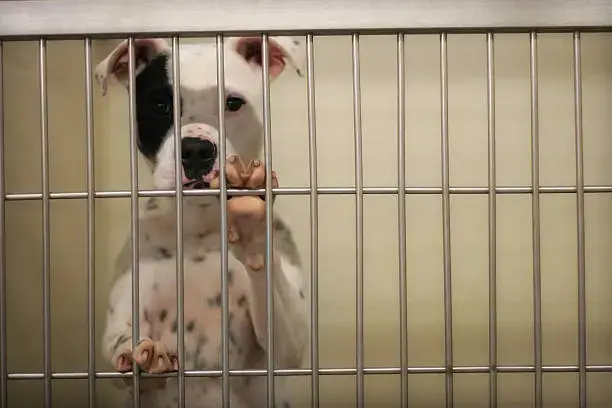
Effective Puppy Socialization requires active Data Tracking. By auditing behavioral trajectories, you can identify “Regression Phases” early—common during adolescence—and adjust your Desensitization Strategy before negative associations become entrenched.
Information Gain: Behavioral progress is rarely a straight line. Watch for “Silent Regressions”—sudden hesitation toward a stimulus they were previously comfortable with. This is often linked to Developmental Fear Periods. If you spot this, do not push; simply return to a “Lower Tier” of exposure for 3-5 days to rebuild their Confidence Reservoir.
1. Tracking Social Milestones and Recovery Rates
Beyond noting “good” or “bad” sessions, track your puppy’s Recovery Rate: How quickly do they return to a neutral state after being startled? A shortening recovery time is a primary indicator of increasing Neurological Resilience. Celebrate these micro-wins as markers of a maturing temperament.
2. Agile Strategy Adjustment
Socialization is an Agile Process. If your puppy shows stress toward men with beards or umbrellas, increase the frequency of low-intensity, high-reward exposure to those specific variables. Tailoring the intensity ensures that your Socialization Routine remains effective and prevents the “Generalization of Fear.”
| Audit Area | Key Metric | Success Marker |
|---|---|---|
| Environmental | Startle Recovery Time | Return to play/treats in < 30s |
| Social | Proactive Curiosity | Voluntary approach (loose body) |
| Cognitive | Focus Under Distraction | Maintaining eye contact in new places |
Husbandry Rule: Progress is measured in small moments of calm. A resilient dog is not born; they are documented and built through consistency.
Managing the “Social Battery”: Preventing Puppy Burnout
One of the most overlooked aspects of Puppy Socialization is the limit of a young dog’s Cognitive Endurance. Socializing is mentally exhausting; pushing a puppy past their “Social Battery” limit can lead to Irritability-Based Reactivity, undoing weeks of positive progress.
Signs of a Drained Battery
Watch for “Frantic Activity” (the zoomies), lack of focus on cues, or sudden mouthing/nipping. These are not signs of “energy,” but of Neurological Fatigue. The puppy needs immediate Restorative Sleep.
The 1:2 Activity-to-Rest Ratio
For every 1 hour of active socialization or training, ensure the puppy has 2 hours of undisturbed rest. This allows the brain to process the new Neural Connections formed during exposure.
Bio-Security Protocols for Early Exposure
To bridge the gap between Behavioral Vaccination and medical safety, owners must practice Bio-Security Hygiene. You can expose your puppy to the world without ever touching a contaminated surface.
The “No-Paws-On-Ground” Strategy
- Stroller or Carrier Socialization: Use a pet stroller or carry your puppy in a sling to visit busy areas. They get the Visual and Acoustic Habituation without the risk of parvovirus from the ground.
- Car Gateways: Park in a busy shopping center lot and let the puppy watch the world from the safety of the open trunk or window. This is a high-value Passive Socialization technique.
- Private Sanctuaries: Only allow playdates in private, fenced yards where you know all resident dogs are fully vaccinated and healthy.
Information Gain: You can start Olfactory Socialization before the puppy ever leaves the house. Swap blankets with a friend who has a healthy, vaccinated dog or cat. Introducing these scents in a safe environment prepares the puppy’s brain for the real-world encounter long before it happens.
Husbandry Rule: Protect the body with hygiene, but protect the mind with exposure. Balance is the key to a resilient dog.
Puppy Socialization FAQ: Expert Resolutions
Q1: What is the true ‘Safe Start’ for socialization?
Resolution: Socialization begins at 3 weeks with the breeder and continues through the 16-week Window of Plasticity. The most critical period is before 12 weeks, where Neural Mapping for confidence is most efficient.
Q2: Is the risk of parvovirus higher than the risk of under-socialization?
Resolution: The American Veterinary Society of Animal Behavior (AVSAB) states that behavioral issues—not infectious diseases—are the number one cause of death for dogs under 3 years. Controlled exposure in sanitized, “low-pathogen” environments is the recommended medical and behavioral compromise.
Q3: How do I distinguish between normal puppy fear and true reactivity?
Resolution: Normal fear includes a brief startle followed by a Recovery Rate of under 30 seconds. True reactivity involves persistent vocalization, aggression, or inability to take high-value treats despite increased distance. If this occurs, consult a Behavioral Specialist.
Daily Puppy Socialization Checklist
Utilize this daily audit to ensure balanced Sensory Inoculation across all major developmental pillars.
- Tactile Readiness: Gentle brushing, paw handling, and oral checks (Desensitization).
- Environmental Scan: A 10-minute “Observe and Reward” walk in a novel setting (Habituation).
- Cognitive Load: 5 minutes of interactive puzzle or scent work (Confidence Building).
- Acoustic Baseline: Exposure to one novel household or recorded sound at a controlled volume.
- Social Audit: Observation of body language during a controlled demographic greeting.
Conclusion: The Path to Lifelong Resilience
Puppy Socialization is not a luxury; it is the fundamental architecture of a well-adjusted dog. By treating these early months as a Behavioral Vaccination period, you are inoculating your puppy against the world’s unpredictability.
Find More Dog Care Guides
Continue exploring practical guides related to this topic.