
Understanding weather effects on dogs at home is essential for every pet owner. Dogs are highly sensitive to temperature, humidity, and seasonal changes, and these factors can impact their health, behavior, and daily routine. Extreme heat or cold, storms, and even indoor environmental conditions can cause stress, illness, or discomfort if not properly managed. By adjusting your home environment, monitoring your dog’s behavior, and providing weather-appropriate care, you can ensure your dog stays healthy, happy, and safe throughout the year.
For more comprehensive guidance on caring for your dog indoors, check out the Complete Guide to Dog Care at Home.
Understanding Temperature and Dogs
Temperature Safety for Dogs
Different breeds tolerate temperature differently. For instance:
- Short-haired breeds like Chihuahuas or Greyhounds are more sensitive to cold.
- Thick-coated breeds like Huskies or Malamutes may overheat in warm conditions.
Signs your dog is uncomfortable:
- Panting excessively
- Shivering or trembling
- Seeking cooler or warmer spots in the house
Many veterinarians recommend maintaining a comfortable indoor temperature, usually between 68–72°F (20–22°C), depending on the breed and size.
Adjusting Your Home Temperature
- Use fans, air conditioning, or space heaters safely.
- Provide warm bedding in winter and cooling mats in summer.
- Avoid placing beds near drafts or heating vents.
These adjustments can mitigate the negative weather effects on dogs at home, keeping your pet comfortable year-round.
Monitoring Comfort Levels
- Check paws and ears for heat or cold stress.
- Observe behavior: lethargy, restlessness, or excessive panting.
- Use pet thermometers or smart home sensors for real-time monitoring.
Hydration and Weather
Importance of Water Intake
Weather directly influences how much water your dog needs:
- Hot weather increases fluid requirements.
- Cold weather may reduce drinking habits, so monitor intake closely.
Indoor Hydration Solutions
- Use multiple water bowls throughout the house.
- Provide water fountains for dogs who prefer flowing water.
- Add ice cubes or wet food for extra hydration in summer.
Hydration for pets is crucial to prevent dehydration, kidney issues, and overheating.
Observing Signs of Dehydration
- Dry gums or nose
- Sunken eyes
- Lethargy or loss of appetite
If signs appear, consult your veterinarian immediately.
Protecting Dogs from Heat
Heat Safety Tips
Extreme heat is a leading cause of dog emergencies. Protecting dogs from heat includes:
- Avoiding outdoor walks during peak afternoon temperatures
- Using cooling mats or vests indoors
- Ensuring plenty of shaded, ventilated areas
Recognizing Heat Stress
Common symptoms:
- Excessive panting or drooling
- Red or pale gums
- Weakness or disorientation
Immediate steps: move the dog to a cooler area, offer water, and monitor closely. Many veterinarians recommend cooling with damp towels but caution against ice-cold baths, which can cause shock.
Cold Weather Dog Safety
Winter Preparedness
Cold weather poses risks, especially for short-haired or elderly dogs. Cold weather dog safety measures include:
- Dog coats, sweaters, or booties for outdoor exposure
- Limiting time outside during icy or windy conditions
- Indoor heating and insulated bedding
Signs of Cold Stress
- Shivering or trembling
- Slow movement or reluctance to play
- Cold extremities (ears, paws, tail)
If severe, contact your veterinarian immediately.
Safe Outdoor Winter Play
- Use non-slip surfaces
- Avoid salted or chemically treated areas
- Warm up indoors after outdoor play
Behavioral Changes in Different Weather
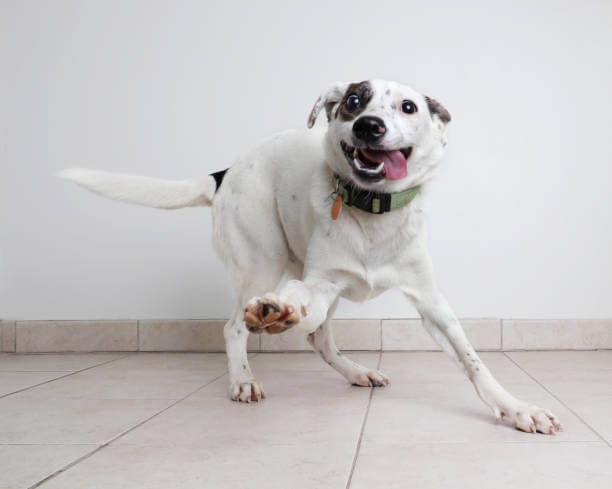
Weather-Related Behavior Shifts
Dogs often display noticeable behavior changes due to weather:
- Storm anxiety: trembling, hiding, or barking
- Heat lethargy: reduced activity, seeking cool surfaces
- Cold sluggishness: minimal play, huddling in warm spots
Coping Mechanisms
- Mental stimulation games indoors (puzzles, treat challenges)
- Adjusting routines to avoid extreme temperatures
- Creating safe, quiet spaces for anxious dogs
Dog behavior changes in weather can indicate discomfort; monitoring closely ensures proactive care.
Seasonal Dog Health Tips
Grooming Adjustments
- Summer: trim coat moderately to prevent overheating
- Winter: maintain a longer coat for warmth, protect paws from ice
- Regular brushing removes dead hair and prevents matting
Preventive Care
- Flea, tick, and parasite protection varies by season
- Vaccinations may be adjusted based on local climate risks
- Regular check-ups help catch weather-related health issues early
Seasonal dog health tips are essential to maintain year-round wellness.
Creating a Safe Home Environment
Indoor Comfort Strategies
- Ensure bedding is insulated in winter and cool in summer
- Avoid placing beds near heaters, vents, or drafts
- Provide a variety of resting areas for different weather conditions
Environmental Enrichment
- Rotate toys to maintain interest and mental stimulation
- Incorporate interactive games and short training sessions
- Adjust daily routines based on temperature and daylight
Home environment for dogs plays a key role in mitigating the effects of weather indoors.
Indoor Dog Care Tips
Daily Routine Adaptations
- Modify walks and indoor exercise according to weather
- Adjust meal times and activity schedules for comfort
- Include short play sessions throughout the day
Practical Tips
- Monitor local weather apps for temperature and humidity alerts
- Observe dogs for subtle signs of stress, discomfort, or lethargy
- Consult your veterinarian for breed-specific recommendations
Indoor dog care tips ensure your pet stays healthy and safe regardless of external weather conditions.
Vet Advice and Disclaimers
- Many veterinarians recommend observing pets daily for signs of heat or cold stress, especially in extreme weather.
- If concerns persist, consult a licensed veterinarian before implementing new indoor routines.
- Real-life examples:
- A Husky in a warm climate may need AC and cooling mats indoors.
- A Chihuahua in winter may require a sweater and short indoor walks.
Indoor Exercise During Extreme Weather
Short Indoor Workouts
When extreme temperatures prevent outdoor activity, indoor exercises are essential for keeping your dog active and healthy. Weather effects on dogs at home can limit outdoor play, but hallway fetch, stair climbing, and tug-of-war sessions help maintain physical fitness.
Practical tips:
- Use soft toys to avoid damaging furniture
- Limit sessions to 10–15 minutes several times a day
- Monitor your dog’s energy and breathing
Many veterinarians recommend short, frequent indoor workouts to prevent boredom and maintain muscle tone.
Agility and Puzzle Play
Mental stimulation is just as important as physical exercise. Use DIY obstacle courses or puzzle toys to challenge your dog. Examples:
- Create tunnels using chairs and blankets
- Set up cushions for weaving practice
- Use treat-dispensing toys to reward problem-solving
These activities combine mental and physical stimulation, helping dogs adapt to weather effects on dogs at home while staying engaged indoors.
Monitoring Health in Extreme Heat or Cold
Recognizing Stress Signs
Weather extremes can affect dogs in subtle ways. Common signs of heat or cold stress include:
- Panting, drooling, or lethargy
- Shivering, slow movements, or reluctance to play
- Changes in appetite or bathroom habits
Adjusting Diet and Hydration
- Hot weather: wet food, ice cubes, and frequent water
- Cold weather: calorie-dense meals, warm water, and indoor snacks
Regular monitoring ensures early detection of stress, allowing intervention before conditions become dangerous.
Managing Anxiety During Storms
Thunderstorms and Heavy Rain
Storms can trigger fear and anxiety. Dog behavior changes in weather often include hiding, pacing, or vocalizing excessively.
Coping strategies:
- Create a safe, quiet space indoors
- Use calming scents or music
- Provide interactive toys to distract and engage
Behavioral Training
Positive reinforcement during stressful weather helps dogs build resilience. Reward calm behavior, practice short obedience exercises, and gradually desensitize your dog to sounds when safe.
Seasonal Grooming and Care
Summer Care Tips
- Moderate coat trimming to prevent overheating
- Paw protection on hot pavement
- Avoid prolonged sun exposure
Winter Care Tips
- Maintain longer coat for warmth
- Moisturize dry skin
- Protect paws from ice and salt
Proper seasonal grooming mitigates negative weather effects on dogs at home, ensuring comfort and reducing stress.
Planning Outdoor Activities Safely
Walks and Playtime
- Schedule walks early morning or evening in hot weather
- Avoid icy or wet conditions in winter
- Use protective gear: booties, coats, cooling vests
Hydration and Breaks
- Bring water for longer walks
- Watch for signs of fatigue or overheating
For additional guidance on indoor and outdoor activities for dogs during extreme weather, visit American Kennel Club’s indoor dog activities.
Adjusting Routine for Stormy Days
Exercise Alternatives
- Hallway fetch or stair climbing for short bursts
- Tug-of-war or hide-and-seek to engage muscles
- Interactive puzzle toys to maintain mental stimulation
Behavioral Considerations
- Observe for anxiety or aggression
- Short, structured sessions help dogs expend energy safely
Monitoring Environmental Hazards
Indoor Hazards During Extreme Weather
- Avoid wet floors that can cause slips
- Keep small objects out of reach during play
- Ensure electrical cords for heaters or fans are safe
Outdoor Hazards
- Heatstroke risk on asphalt or sand
- Frostbite on paws or extremities
- Keep outdoor time brief during storms or extreme temperatures
Veterinary Tips for Weather-Related Health
Regular Check-ups
- Ensure vaccines are up to date
- Discuss seasonal health concerns with your veterinarian
- Monitor for chronic conditions exacerbated by weather (arthritis, respiratory issues)
Emergency Preparedness
- Keep cooling mats, blankets, or first-aid supplies handy
- Know local veterinary emergency contacts
- Observe dogs closely during heat waves, cold snaps, or storms
Real-Life Examples
- A Labrador Retriever in summer may need frequent indoor breaks and chilled water to prevent heat stress.
- A senior Dachshund in winter requires padded clothing and indoor exercise to avoid joint stiffness.
- Dogs sensitive to thunderstorms benefit from safe spaces, interactive toys, and calming routines.
Common Weather Concerns for Dogs
Heat Stress and Hypothermia
Extreme weather conditions can significantly affect your dog’s health. Weather effects on dogs at home include overheating in summer and hypothermia in winter.
Signs of heat stress:
- Excessive panting or drooling
- Weakness or lethargy
- Red or pale gums
Signs of cold stress:
- Shivering or trembling
- Slow movements or reluctance to play
- Cold extremities (ears, paws, tail)
Vet advice: Move dogs to a safe temperature-controlled area, provide water or blankets, and contact a veterinarian if symptoms persist.
Seasonal Allergies
- Indoor allergens: dust, mold, pet dander
- Outdoor allergens: pollen, grasses, seasonal plants
Symptoms may include sneezing, itchy skin, watery eyes, or changes in behavior. Manage allergies with frequent grooming, clean living spaces, and consultation with a vet for possible medication.
Behavioral Adjustments During Extreme Weather
Coping With Anxiety
Storms, extreme heat, or cold can cause anxiety in dogs. Observing dog behavior changes in weather helps identify discomfort early.
Strategies to reduce anxiety:
- Provide a quiet, safe space
- Use interactive toys or puzzles to distract
- Gentle massage, calming music, or pheromone diffusers
Adjusting Daily Routines
- Schedule walks and playtimes around temperature extremes
- Break exercise into multiple short indoor sessions
- Rotate toys and activities for mental stimulation
Indoor Exercise Options
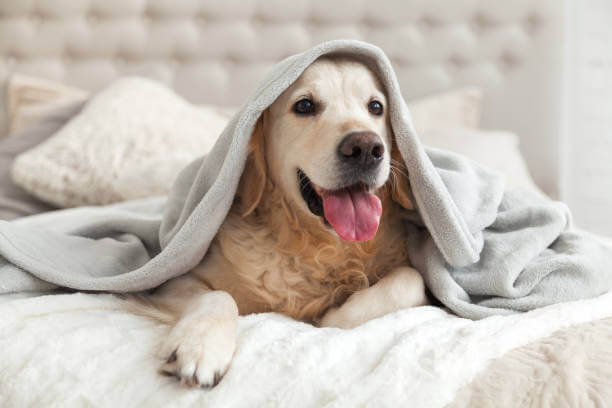
Hallway and Room Workouts
Even small spaces can offer effective exercise:
- Hallway fetch or rolling balls for short bursts
- Tug-of-war or gentle wrestling with soft toys
- Stair climbs (with caution) for high-energy breeds
Puzzle and Training Games
- Treat-dispensing toys
- Hide-and-seek with treats or favorite toys
- Short obedience or trick training sessions
These activities maintain physical and mental stimulation, helping dogs cope with weather-related restrictions.
Nutrition and Hydration
Adjusting Diet According to Weather
- Hot weather: increase water-rich food and wet meals
- Cold weather: consider higher-calorie meals to maintain body heat
Hydration Practices
- Multiple water bowls throughout the house
- Ice cubes in water bowls in summer
- Warm water in winter for reluctant drinkers
Grooming for Weather
Summer Grooming
- Moderate trimming to prevent overheating
- Paw protection for hot pavement
- Regular baths to remove allergens and debris
Winter Grooming
- Maintain thicker coats for warmth
- Moisturize dry skin
- Protect paws from salt and ice during outdoor exposure
Environmental Adjustments
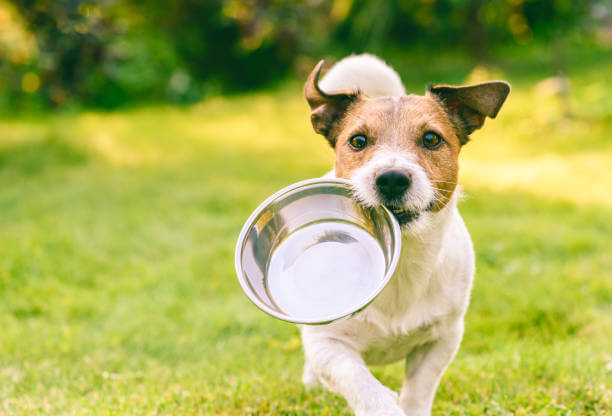
Creating a Safe Indoor Space
- Temperature-controlled resting areas
- Comfortable bedding in quiet zones
- Avoid direct drafts or overly warm spots
Enrichment Activities
- Rotate toys, puzzles, and interactive challenges
- Short indoor training sessions to maintain focus
- Adjust routine to seasonal changes
Vet Recommendations
Health Monitoring
- Regular check-ups to monitor health, especially for age or breed-sensitive dogs
- Flea, tick, and parasite prevention varies by season
- Observe for chronic conditions exacerbated by weather, like arthritis or respiratory issues
Example Scenarios
- A senior dog may need gentler indoor exercises during winter to prevent joint strain
- A high-energy puppy may require interactive puzzle games to prevent boredom during summer heat
FAQ
Q1: How often should I adjust my dog’s routine according to weather?
A1: Daily observation is key. Adjust walks, play, and indoor activities based on temperature, humidity, and behavior.
Q2: Can indoor exercise replace outdoor walks entirely?
A2: No. Indoor exercises supplement outdoor walks. Combine both for balanced mental and physical health.
Q3: How do I know if my dog is too hot or cold indoors?
A3: Check ears, paws, and body temperature. Excessive panting, shivering, or restlessness are warning signs.
Q4: What toys are best for mental stimulation during bad weather?
A4: Puzzle toys, treat-dispensing games, and interactive training toys. Rotate regularly to maintain interest.
Q5: How can I protect my dog’s paws in extreme weather?
A5: Use paw wax, booties, or limit outdoor exposure. Always check paws after walks for cracks or irritation.
Daily Checklist for Weather-Safe Dogs
-
☐
Monitor indoor temperature and humidity -
☐
Adjust outdoor walks based on weather -
☐
Provide fresh water at all times -
☐
Offer indoor exercises or puzzle games -
☐
Groom appropriately for the season -
☐
Rotate toys and enrichment activities -
☐
Observe for stress, lethargy, or behavioral changes -
☐
Prepare safe resting spaces for extreme weather
For additional expert guidance on protecting dogs during extreme weather, visit PetMD: Weather Safety Tips for Dogs.
Find More Dog Care Guides
Continue exploring practical guides related to this topic.