
Behavioral Advisory: While brain games for dogs are essential for reducing boredom-related issues, they should be introduced at the dog’s individual Cognitive Baseline. Over-stimulating a dog with puzzles that are too complex can trigger Frustration-Induced Cortisol, leading to increased anxiety rather than relaxation. Always monitor for signs of “Mental Fatigue.”
In modern behavioral science, mental stimulation is recognized as a biological necessity, not just an optional activity. Implementing structured brain games for dogs directly impacts Neuroplasticity, improving memory retention and executive function. By challenging your dog’s problem-solving skills, you provide a constructive outlet for high-energy breeds and a vital tool for slowing Cognitive Dysfunction Syndrome (CDS) in seniors.
Using food-motivated puzzles to trigger the brain’s Reward System for emotional stability.
Developing “impulse control” and analytical thinking through tiered game difficulty.
The Neuro-Behavioral Benefits: Why Brain Games for Dogs Are Non-Negotiable
Engaging in brain games for dogs is not a luxury; it is a critical intervention for maintaining Neurological Homeostasis. When a dog is denied cognitive challenges, they often fall into a state of Stimulation Deprivation, which manifests as destructive behavior, chronic stress, or premature cognitive decline. By integrating these games, we tap into the dog’s natural foraging instincts, creating a state of “Work-to-Eat” satisfaction that aligns with their evolutionary biology.
Cognitive Enhancement: Developing the “Analytical Mind”
The primary cognitive benefit of mental stimulation is the strengthening of Neural Pathways associated with problem-solving. When a dog interacts with a complex puzzle, they must utilize Trial-and-Error Learning, which increases the density of synapses in the Prefrontal Cortex. This leads to improved Working Memory—allowing the dog to recall past solutions and apply them to new challenges—and a significant increase in Impulse Control (patience).
Emotional Stabilization: Managing Cortisol and Adrenaline
From a behavioral perspective, brain games for dogs serve as a powerful Anxiolytic tool. Concentrated mental effort triggers the release of Dopamine and Serotonin, which naturally counteracts the effects of Cortisol (the stress hormone). This shift in neurochemistry is why “Brain Games” are often the most effective solution for separation anxiety and noise phobias—they provide an alternative focus that stabilizes the dog’s emotional baseline.
📘 Maya’s Expert Case Study: The Border Collie Transformation
“At PetCareCompass, we tracked a 2-year-old Border Collie named ‘Shadow’ who exhibited severe Stereotypic Behaviors (compulsive furniture chewing). Despite two hours of daily running, Shadow remained hyper-aroused. We implemented a 20-minute daily brain games for dogs protocol using tiered puzzles and scent work. Within 30 days, Shadow’s Adrenaline Baseline dropped significantly. The destructive behavior vanished not because he was physically tired, but because his Cognitive Drive was finally being met.” — Maya Mai
Strategic Classification: Types of Brain Games for Dogs
To maximize mental stimulation, it is essential to rotate between different cognitive modalities. Just as humans benefit from a variety of mental exercises, dogs require a mix of Tactile Puzzles, Olfactory Challenges, and Proprioceptive Tasks to maintain a well-rounded cognitive profile.
| Game Category | Primary Sensory Engagement | Cognitive Skill Target |
|---|---|---|
| Puzzle-Based | Tactile & Visual | Logic, Memory, Dexterity |
| Scent & Nose Work | Olfactory | Foraging Instinct, Focus |
| Agility-Mental Combo | Proprioceptive & Auditory | Impulse Control, Coordination |
Olfactory Mastery: The Power of Sniffing
Did you know that 33% of a dog’s brain is dedicated to processing scent? Scent work is the most natural form of brain games for dogs. Utilizing Snuffle Mats or Tracking Trails leverages their Olfactory Bulb, which is directly linked to the emotional processing centers of the brain. This is why sniffing is “calming”—it bypasses the reactive centers and engages the dog’s primary biological mode of exploration.
Tactile Problem Solving: Puzzles and Manipulatives
Modern puzzle toys challenge a dog’s Mechanical Reasoning. Whether it is sliding a compartment or pulling a string to release a treat, these tasks require Sequential Thinking. To prevent Cognitive Burnout or frustration, owners should follow a tiered approach—starting with Level 1 “discovery” puzzles and advancing only when the dog demonstrates fluid Tactile Competency.
The Scaffolding Approach: Introducing Brain Games for Dogs
Introducing brain games for dogs is a delicate process of balancing challenge with success. If a game is too simple, the dog becomes bored; if it is too complex, they may experience Frustration-Induced Stress. By utilizing the Scaffolding Method—providing temporary support as they learn—you build their Cognitive Resilience and ensure the activity remain a source of confidence, not conflict.
Foundational Mastery: Starting with “Win-State” Puzzles
The goal of the initial phase is to establish a high Reward Frequency. Begin with Level 1 manipulatives where the “Win-State” (getting the treat) is easily achievable. This builds Self-Efficacy in the dog. Keep sessions under 10 minutes to prevent Neural Fatigue, and always end the session while the dog is still engaged, leaving them eager for the next interaction.
Overcoming the “Frustration Plateau”
Commonly, dogs may exhibit a “Frustration Plateau” where they attempt to solve a puzzle with force rather than logic. In these moments, avoid Aversive Corrections. Instead, simplify the task immediately to lower their Adrenaline Baseline. Success in brain games for dogs is measured by the calmness of their analytical approach, not the speed of the solve.
🛑 Maya’s Troubleshooting Guide
- Signs of Frustration: Excessive barking, pawing, or walking away. Solution: Revert to a simpler stage.
- Loss of Focus: Distracted by environment. Solution: Move to a low-stimulus area.
- Destructive Solving: Chewing the puzzle instead of manipulating it. Solution: Switch to higher-durability Polymeric Materials.
Economic Enrichment: DIY Brain Games for Dogs
Effective mental stimulation does not require a large financial investment. Utilizing household items for DIY Brain Games allows for infinite customization based on your dog’s specific Olfactory and Tactile preferences. These activities provide high-level Cognitive Enrichment while utilizing the sustainable principles of upcycling.
| DIY Project | Materials Needed | Cognitive Skill |
|---|---|---|
| The “Muffin Tin” Challenge | Muffin tin + Tennis balls | Object Permanence & Dexterity |
| The “Towel Roll” Scent Trail | Old towel + High-value treats | Olfactory Focus & Persistence |
| The “Cardboard Nest” | Empty boxes of various sizes | Sequential Problem Solving |
Olfactory Treasure Hunts
Create a “Scent trail” by hiding small amounts of kibble in progressively harder locations. This stimulates the Vomeronasal Organ and encourages Natural Foraging Behaviors. For more advanced ways to boost engagement, see our comprehensive guide on Mental Stimulation for Dogs at Home.
Optimization Protocols: Elevating Brain Games for Dogs into Mastery
To extract the maximum biological benefit from brain games for dogs, the handler must move beyond basic delivery and embrace Training Mechanics. Cognitive growth is not just about the solution to a puzzle; it is about the Neural Engagement that occurs during the struggle. By applying structured training principles, you transform a simple game into a powerful tool for Neurogenesis and behavioral modulation.
Advanced Positive Reinforcement: The Timing of Reward
Precision in brain games for dogs relies on the “Mark and Reward” system. Capturing the exact moment of a breakthrough (e.g., a dog figuring out a sliding mechanism) with a verbal marker or clicker reinforces the Analytical Pathway in the brain. As proficiency increases, transitioning to Intermittent Reinforcement (varying the reward frequency) builds high-level Frustration Tolerance and persistence—skills that are essential for high-drive breeds, as it teaches the dog that sustained mental effort leads to a significant payoff, even if the reward is not immediate.
The Routine-Novelty Paradox
While a consistent schedule stabilizes the dog’s Circadian Rhythm and lowers stress, mental stimulation requires the “Paradox of Novelty.” A brain that faces the same challenge every day eventually enters an Automated Response State where no new learning occurs. To maintain Synaptic Plasticity, your routine must include a “Game Shuffle”—alternating between scent work, logic puzzles, and memory tasks every 48 to 72 hours.
| Metric | Indicator of Success | Adjustment Action |
|---|---|---|
| Solve Speed | Rapid, fluid manipulation | Increase complexity (Add layers) |
| Emotional State | Focused stillness, soft eyes | Maintain current level |
| Persistence | Attempts multiple angles | Introduce Intermittent Rewards |
The Longevity Dividend: Systemic Benefits of Brain Games
Consistent engagement in brain games for dogs produces a “Cognitive Reserve”—a buffer against age-related decline and chronic disease. By treating the brain as a muscle that requires progressive loading, we achieve a synergistic improvement in both psychological and physiological health.
Physical-Mental Synergy: Slower Eating and Digestion
One of the most immediate physical benefits of using puzzle feeders is the mitigation of Postprandial Spikes in blood sugar and the prevention of Gastric Dilatation-Volvulus (GDV) or “bloat.” When a dog works for their food, they ingest it at a biologically appropriate pace, facilitating superior nutrient absorption and preventing the common “Gulp-and-Regurgitate” reflex seen in bored, hyper-aroused dogs.
Anxiolytic Impacts: Strengthening the Vagal Tone
Focus-heavy brain games for dogs stimulate the Vagus Nerve, which is the primary driver of the Parasympathetic Nervous System (Rest and Digest). Strengthening this “Vagal Tone” allows the dog to recover more quickly from environmental stressors—such as thunderstorms or vet visits. A dog with a highly developed analytical brain is inherently more confident because they possess the Cognitive Agency to navigate their environment.
Everyday Integration: Creative Brain Games for Sustainable Engagement
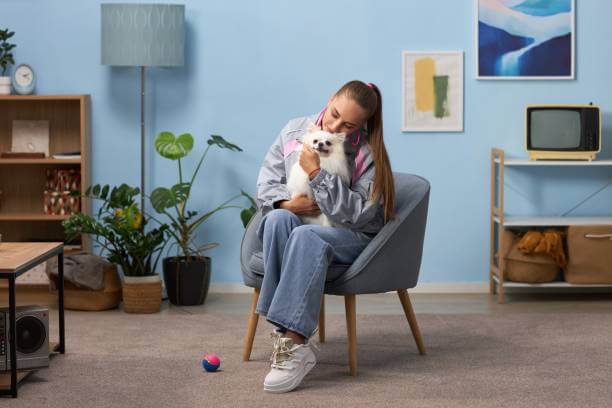
The success of brain games for dogs lies in their seamless integration into the domestic environment. Rather than viewing mental stimulation as a separate chore, it should be treated as a Lifestyle Enrichment. By utilizing common household items and structured training intervals, you can maintain high Cognitive Salience without requiring specialized equipment or significant time investments.
The Science of Rotation: Preventing “Neural Habituation”
When a dog encounters the same puzzle repeatedly, the brain transitions from Active Problem-Solving to Automated Retrieval. This is known as Neural Habituation, where the cognitive benefit drops to near zero. To combat this, introduce sensory variety—textural shifts in toys, novel scent trails, or changing the “Win-State” of your DIY puzzles. Novelty is the catalyst for Synaptic Growth.
Maya’s Ideal Daily Cognitive Schedule
| Time Block | Activity Type | Primary Objective |
|---|---|---|
| Morning (Mealtime) | Puzzle Feeder / Snuffle Mat | Calm Foraging & Slower Digestion |
| Mid-Day (Low Energy) | DIY Cup Challenge / Scent Trail | Memory Retention & Scent Focus |
| Evening (Training) | Shaping Sessions / New Cue Learning | Executive Function & Impulse Control |
Monitoring Engagement: The Data-Driven Approach
Effective brain games for dogs require constant calibration. As a Website Manager for PetCareCompass, I always emphasize that “What gets measured, gets improved.” Monitoring your dog’s Performance Metrics allows you to stay ahead of their learning curve, ensuring they are always operating within their Zone of Proximal Development.
Tracking Solve Speed and Frustration Thresholds
Note how long it takes your dog to navigate a new DIY puzzle. A “Fluid Solve” (under 60 seconds) indicates it is time to increase Mechanical Complexity. Conversely, if the dog exhibits Stereotypic Behaviors (excessive pawing or walking away), the difficulty is too high. Balancing these two states is the key to maintaining Emotional Equilibrium during mental play.
For a deeper dive into home-based enrichment tools, ensure you visit our Mental Stimulation for Dogs at Home resource.
Optimization Mechanics: Maximizing the ROI of Brain Games for Dogs
To extract the maximum biological and behavioral value from brain games for dogs, the handler must shift from passive observation to active Cognitive Coaching. The goal is not merely the consumption of treats, but the development of Neural Persistence. By applying structured training mechanics, you ensure that every session reinforces the Analytical Pathway over the reactive one.
Intermittent Reinforcement: Building Psychological Resilience
Once a dog masters a Level 1 game, the reward structure should transition to Intermittent Reinforcement. By varying the frequency and value of the reward, you prevent “Solve-Boredom” and build high-level Frustration Tolerance. This specific training technique is vital for high-drive breeds, as it teaches the dog that sustained mental effort leads to a significant payoff, even if the reward is not immediate.
The Longevity Dividend: Long-Term Behavioral and Physical Gains
Consistent engagement in brain games for dogs acts as a buffer against Cognitive Dysfunction Syndrome (CDS) in senior years. Mentally active dogs maintain superior Vagal Tone—the ability of the heart and nervous system to recover from stress. Physically, using Puzzle Feeders mitigates the risk of Gastric Dilatation-Volvulus (GDV) by preventing “bolting” behavior and ensuring biologically appropriate digestion speeds.
| Advanced Challenge | Cognitive Algorithm | Handler Tip |
|---|---|---|
| Sequential Logic Toys | Step A must occur before Step B releases. | Monitor for “Force-Shifting” vs. “Logic-Shifting.” |
| App-Integrated Dispensers | Variable time-release and auditory cues. | Use for separation anxiety to build Positive Solitude. |
| Spatial Memory Tasks | Object recall in changing environments. | Rotate room locations to prevent “Location Bias.” |
The “Expert Tier”: Advanced Brain Games for High-Intelligence Breeds
For breeds like Border Collies, Poodles, or Belgian Malinois, standard puzzles often reach Cognitive Saturation quickly. To prevent destructive behaviors in these high-drive dogs, you must introduce Multi-Step Sequential Challenges. These advanced brain games for dogs require the animal to hold a series of logic steps in their Working Memory simultaneously to achieve the goal.
Smart-Technology Integration
Interactive smart toys provide a level of Unpredictability that static puzzles cannot match. By utilizing app-controlled treat dispensers that respond to specific touch patterns or timing intervals, you challenge the dog’s Pattern Recognition. This high-level engagement is particularly effective during the mid-day “boredom dip,” keeping the dog’s mind active while you are away.
Hybrid Enrichment: Pairing Physicality with Brain Games for Dogs
True cognitive mastery occurs when a dog can maintain focus while their body is in motion. By merging physical activity with brain games for dogs, you engage their Proprioceptive System (body awareness) alongside their analytical mind. This hybrid approach is essential for high-energy breeds, as it teaches Emotional Regulation—the ability to think clearly even when their heart rate is elevated.
Indoor Navigation and Kinetic Problem-Solving
An indoor obstacle course should be more than a test of speed; it should be a sequence of Cognitive Checkpoints. Instead of just running through a tunnel, require the dog to pause and solve a Level 1 slider puzzle before proceeding to the next hurdle. This constant shifting between Aerobic Output and Executive Function mimics natural foraging patterns and prevents the “brainless” hyper-arousal often seen in high-energy dogs.
Environmental Generalization: Taking Brain Games Outdoors
Outdoor brain games for dogs utilize the concept of Environmental Generalization. Hiding treats in tall grass or creating complex scent trails across varied terrain challenges the dog to ignore competing Olfactory Distractions. This strengthens their Selective Attention, making them more resilient and attentive during standard walks or off-leash activities.
Social Intelligence: Interactive and Observational Learning
The Power of Social Facilitation
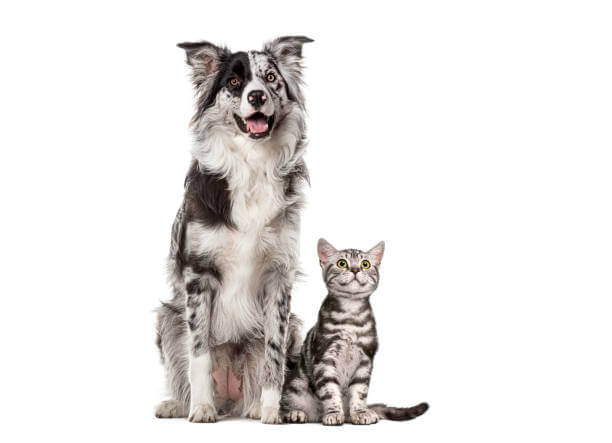
Dogs are highly social learners. Social Facilitation occurs when a dog’s performance improves due to the presence of others. Cooperative challenges—where you and your dog solve a multi-step task together—strengthen the Interspecies Bond and reinforce Verbal Comprehension. However, for multi-dog households, ensure games are structured to prevent Resource Guarding or competitive stress.
Observational Cognition: Learning by Watching
Canines possess Mirror Neurons that allow for Observational Learning. Allowing an amateur dog to watch a “pro” solve a puzzle can significantly reduce their Learning Latency. This imitation-based problem-solving is a sophisticated cognitive skill that reduces frustration and encourages a calm, thoughtful approach to new challenges.
| Metric to Monitor | Sign of Progress | Sign of Overload |
|---|---|---|
| Solve Duration | Decrease in “Trial-and-Error” time. | Rapid, frantic movements (scratching/biting). |
| Attention Span | Ability to re-engage after a distraction. | Excessive yawning or looking away (avoidance). |
| Recovery Rate | Returns to a Calm Baseline quickly. | Hyper-vigilance or “Zoomies” post-session. |
The Expert Tier: Advanced Brain Games for High-Intelligence Breeds
For breeds with high Cognitive Drive—such as Border Collies, Shepherds, and Poodles—basic puzzles quickly transition from a challenge to a repetitive chore. To maintain Neuroplasticity, these dogs require Sequential Reasoning tasks. By introducing multi-step variables and smart technology, you prevent “Cognitive Saturation” and ensure their mental sharpenss continues to evolve throughout their adult years.
Sequential Problem Solving and Smart Interactivity
Advanced brain games for dogs often involve Multi-Step Logic, where Action A (sliding a panel) must occur before Action B (pulling a tab) releases the reward. For a tech-forward approach, Interactive Smart Toys leverage auditory and visual cues to trigger specific behaviors. These tools provide Real-Time Data on your dog’s learning curve, allowing you to fine-tune the difficulty via app-controlled parameters.
Hybrid Agility: Merging Mental Sharpness with Physical Movement
True behavioral stability occurs when a dog can exercise Executive Function while their heart rate is elevated. Pairing physical exertion with brain games for dogs teaches Emotional Self-Regulation. Whether indoors or outdoors, these hybrid activities ensure complete Enrichment Synergy.
| Activity Type | Physical Element | Cognitive Element |
|---|---|---|
| Indoor Obstacles | Tunnels, Hurdles, Balance. | Navigation Logic & Sequence Memory. |
| Active Hide-and-Seek | Full-Body Movement / Tracking. | Scent Discrimination & Object Permanence. |
| Outdoor Treasure Hunt | Variable Terrain Navigation. | Environmental Decision-Making. |
Social Intelligence and Observational Learning
Dogs are inherently social learners. Incorporating Social Enrichment into your brain games for dogs protocol leverages their ability for Observational Acquisition. By watching a peer solve a task or working cooperatively with a human handler, dogs develop higher-level Social Cognition and communication skills.
The Mimicry Effect: Learning by Watching
Advanced cognitive research shows that dogs can bypass the “Trial-and-Error” phase by observing a successful solve. This Social Facilitation reduces Learning Latency and builds the dog’s confidence in approaching novel objects. It is an excellent strategy for multi-dog households to foster teamwork and minimize Resource Guarding through shared success.
The Monitoring Protocol: Auditing Cognitive Progress
Performance Metrics and Arousal Management
To keep brain games for dogs effective, you must track their Solve Duration and emotional response. If a dog solves a Level 3 puzzle in under 30 seconds, they have reached Task Mastery, and the cognitive benefit is diminishing. Conversely, if you observe signs of Displacement Behaviors (yawning, scratching, or intense barking), the difficulty is too high, potentially raising their Adrenaline Baseline to an unproductive level.
The Professional Standard: Daily Brain Game Checklist
Success in brain games for dogs is built on the foundation of Incremental Progression. Use this checklist to ensure each session contributes to their Neurological Health without exceeding their emotional threshold.
- ✅ Audit toy safety (no sharp edges/small parts).
- ✅ Rotate puzzles to prevent Neural Habituation.
- ✅ Prepare High-Value Reinforcement treats.
- ✅ Verify environment is low-stimulus for focus.
- ✅ Monitor for Displacement Behaviors (stress signs).
- ✅ Execute “Win-State” rewards for small successes.
- ✅ Log solve speed to adjust Cognitive Complexity.
- ✅ Sanitize interactive toys to maintain oral hygiene.
Expert “How-To” Solutions: Brain Games FAQ
❓ How to determine the ideal difficulty level for your dog?
Observe their Solve Duration. A game is at the “Sweet Spot” if it takes 2–5 minutes of focused effort. If they solve it in under 60 seconds, they’ve reached Task Mastery and need more complexity. If they walk away after 3 minutes, the Cognitive Load is too high.
❓ How to use brain games to reduce separation anxiety?
Introduce High-Value Puzzle Feeders 5–10 minutes before you leave. This engages the Parasympathetic Nervous System, shifting their focus from “Panic” to “Problem-Solving.” Over time, your departure becomes a signal for a rewarding Cognitive Challenge.
❓ How to prevent frustration during advanced brain games?
Utilize the Scaffolding Technique. If a multi-step puzzle is too hard, “pre-open” some compartments to reveal the treats. This maintains their Dopamine Reward Loop, preventing Frustration-Induced Cortisol while they learn the mechanics of the game.
❓ How to maintain interest in old puzzles through rotation?
Apply the 72-Hour Rotation Rule. Keep only 2–3 puzzles accessible at a time and swap them every 3 days. To add novelty to an old toy, change the scent profile by rubbing it with a new herb (like dried valerian or chamomile) to re-engage their Olfactory Bulb.
❓ How to integrate brain games into a senior dog’s routine?
Focus on Low-Impact Scent Work. Seniors may have Oral Fragility or joint pain, so avoid heavy plastic manipulatives. Use Snuffle Mats or soft DIY towel rolls to stimulate their mind without stressing their aging musculoskeletal system.
❓ How to safely transition from basic to smart-tech toys?
Start with “Sound-Association” training. Pair the app-controlled dispenser’s noise with a treat manually. Once the dog has a positive Auditory Association, place the device in an open area and let them explore. Gradually increase the Time-Release Complexity to build focus.
Conclusion: Beyond Entertainment—The Legacy of Cognitive Care
Mastering the implementation of brain games for dogs is more than a way to curb destructive habits; it is an investment in your dog’s long-term Cognitive Integrity. By treating mental stimulation as a biological requirement—on par with nutrition and exercise—you foster a dog that is not only calmer and more confident but also more resilient against the neurobiological effects of aging.
Whether you are utilizing high-tech smart toys or creative DIY cardboard challenges, the key remains Variation and Observation. According to the ASPCA and leading behavioral researchers, structured enrichment is the cornerstone of animal welfare. Lead with patience, celebrate the small breakthroughs, and enjoy the profound bond that forms when you and your dog solve life’s little puzzles together.
Find More Dog Care Guides
Continue exploring practical guides related to this topic.