
A tired dog is a happy dog, but true exhaustion comes from the mind, not just the muscles. While physical walks are essential, they often don’t provide the “work” a dog’s brain craves. Incorporating Brain Games into your daily routine is the most effective way to stimulate their problem-solving skills and enhance their Neuroplasticity. Mental enrichment is particularly crucial for working breeds and senior dogs. For the high-energy pup, it provides a constructive outlet for their drive; for the senior, it acts as a defense against Canine Cognitive Dysfunction (CCD).
This guide explores the essential mental puzzles that transform your pet’s environment into a stimulating learning space, focusing on scent work, interactive play, and environmental enrichment.
- Olfactory Engagement: Utilizing their primary sense (scent) to locate “hidden” rewards.
- Problem-Solving: Encouraging the dog to manipulate objects to achieve a goal.
- Impulse Control: Building patience and focus through structured interactive rules.
Top Brain Games for Indoor Engagement
You don’t need a massive backyard to challenge your dog’s intellect. Indoor brain games focus on precision, scent work, and patience, making them ideal for rainy days or apartment living.
1. The Shell Game (Object Permanence)
This classic game tests your dog’s focus and understanding of Object Permanence. It requires them to track a hidden reward through a series of movements.
- How to play: Place a treat under one of three identical cups. Shuffle them slowly and encourage your dog to “find” the correct one.
- Why it works: It builds intense visual focus and cognitive memory.
2. Hide and Seek (Scent Work)
A dog’s nose is their primary window to the world. Engaging their Olfactory System is the fastest way to tire them out mentally.
- How to play: Start by hiding treats in plain sight, then progress to hiding yourself or a favorite toy in another room. Use a “Find it!” command to initiate the search.
- Why it works: It builds confidence through independent search and reinforces “Recall” commands in a fun environment.
When hiding treats indoors, ensure they are placed away from electrical outlets, unstable furniture, or areas where the dog might ingest non-food items (like small plastic parts). Always use High-Value Treats that have a strong aroma to keep the motivation high.
3. The “Which Hand?” Game
Perfect for puppies, this game teaches Impulse Control and gentle interaction.
- The Goal: The dog must wait and nudge the hand containing the treat without biting or pawing aggressively.
- Progression: Once they master the nudge, wait for eye contact before opening your hand.
📖 Mini-case: Bella, a high-energy Border Collie, used to destroy pillows when left alone. After her owner introduced 15 minutes of “Hide and Seek” every morning, her destructive chewing stopped completely, as her biological need for “foraging” was met.
The Spectrum of Brain Games
Not all brain games are created equal. To ensure holistic development, it is essential to rotate between different cognitive categories. This prevents “skill plateauing” and keeps your dog’s neural pathways firing in diverse ways.
1. Mechanical Puzzle Games
These challenges focus on deductive reasoning and fine motor control. Dogs must learn to manipulate the environment to achieve a specific outcome.
- Tactile Manipulation: Toys that require sliding lids, rotating discs, or flipping toggles to reveal hidden cavities.
- Sequential Logic: Advanced puzzles that require Step A to be completed before Step B becomes accessible.
- Start with “Open” slots so the dog sees the treat immediately.
- Introduce one mechanical movement (sliding or lifting) at a time.
- Increase the Difficulty Gradient only after the dog completes the task in under 30 seconds.
2. Scent-Based Enrichment (Nose Work)
Scent work is the most biologically appropriate form of mental stimulation. It engages the Olfactory Bulb, which is directly linked to the brain’s emotional processing centers.
- Olfactory Tracking: Creating a scent trail using a high-aroma treat across different floor surfaces.
- Environmental Scavenging: Scattering kibble or hiding high-value rewards inside cardboard boxes.
📖 Mini-case: Cooper, a rescue Beagle with high anxiety, struggled with focus. By introducing 10-minute daily “Hide and Seek” scent games, his cortisol levels dropped, and he became significantly calmer during evening hours, demonstrating the power of instinctual engagement.
3. Social Interactive Games
These games bridge the gap between obedience and free play. They require the dog to look to the owner for cues while staying mentally engaged.
- Impulse Control: Incorporating “Wait” before the dog is allowed to retrieve a moving puzzle toy.
- Vocabulary Building: Teaching the dog to identify specific toys by name (e.g., “Find the Ball” vs “Find the Rope”).
To maximize engagement, follow this weekly structural cycle:
- Mon-Wed: Scent work for stress decompression.
- Thu-Fri: Mechanical puzzles for focused logic work.
- Weekend: Interactive social games to strengthen the human-canine bond.
Safety First: How to Introduce Brain Games
Proper introduction is the difference between a confident problem-solver and a frustrated, anxious pet. Mastering brain games requires a structured “Layering” approach to build a positive association with mental work.
Step 1: Selecting the Right Cognitive Fit
Before starting, evaluate your dog’s age and breed-specific drives. High-drive breeds (like Shepherds) may need complex logic, while scent-driven breeds (like Hounds) will prefer olfactory challenges.
- Material Integrity: Ensure all toys are BPA-free, non-toxic, and lack small detachable parts that could become Choking Hazards.
- Difficulty Scaling: Always start at “Level 0.” Even a smart dog needs to understand the mechanics of a toy before they can solve the logic.
- Demonstration: Show your dog how the treat is hidden and how to trigger the release mechanism (e.g., sliding a lid).
- Assisted Success: Help the dog for the first 2-3 repetitions to trigger a Dopamine Release.
- Independent Exploration: Step back and allow them to solve it, but remain close to intervene if they become physically frustrated (e.g., biting the toy).
Step 2: Monitoring Fatigue & “Mental Burnout”
Mental work is taxing. A 15-minute brain game session can be as exhausting as a long hike. Recognizing the subtle signs of cognitive fatigue is crucial for maintaining a positive experience.
If you notice any of the following, end the session immediately with a “Freebie” treat:
- Excessive panting or “stress yawning.”
- Frantic pawing or biting at the puzzle.
- Disengaging or walking away from a high-value reward.
Step 3: The “End on a Win” Strategy
Never end a session when a dog is struggling. If the puzzle is too hard, simplify it so they find the treat, praise them, and then put the toy away. This leaves the dog with a sense of accomplishment, ensuring they are excited for the next session.
The Bottom Line on Mental Enrichment
Consistently incorporating brain games into your lifestyle transforms ordinary playtime into a productive growth session. By providing meaningful mental enrichment, you improve focus, reduce destructive boredom, and strengthen the human-canine bond.
A mentally engaged dog is a confident, well-behaved, and ultimately happier companion. Start small, stay consistent, and watch as your dog’s intelligence and well-being flourish.
DIY Brain Games: Cost-Effective Innovation

You don’t need high-end equipment to challenge your dog’s intellect. Repurposing household items to create brain games is not only cost-effective but allows for infinite customization based on your dog’s specific problem-solving style.
1. The Muffin Tin Challenge
A simple yet effective DIY puzzle using a standard muffin tin and tennis balls.
- Setup: Place treats in the holes and cover them with tennis balls. The dog must remove the balls to access the reward.
- Cognitive Focus: Fine motor control and spatial reasoning.
Before using cardboard boxes or plastic containers, remove all staples, tape, and plastic labels. These are common choking hazards or can cause internal obstructions if ingested during a high-arousal play session.
Enhancing Engagement with Pet Technology
Modern brain games have evolved into interactive ecosystems. Smart toys and automated dispensers add a layer of complexity that standard toys cannot match, often incorporating lights, sounds, and motion.
Smart Puzzles & Automatic Dispensers
Technology-driven toys allow for consistent mental stimulation even when the owner is occupied, focusing on Autonomous Learning.
- Interactive Dispensers: Programmed to release treats only after a specific task is performed (e.g., touching a button or moving the device).
- Portion Intelligence: These tools help manage caloric intake by dispensing precisely measured kibble as a reward for mental work.
Never leave a “Power Chewer” unsupervised with battery-operated toys. If the outer casing is breached, the internal batteries and circuit boards pose a severe toxicological risk. Always inspect for cracks or bite marks after each session.
🌍 Expert Resource: For further evidence-based enrichment protocols, consult the
ASPCA Guide to Canine Mental Enrichment.
Common Pitfalls: Why Brain Games Sometimes Fail

Even with the best intentions, certain mistakes can undermine the efficacy of brain games. Avoiding these pitfalls ensures your dog remains motivated, confident, and eager to learn rather than shutting down due to frustration.
1. Overloading and Cognitive Fatigue
Mental exhaustion is real and can be more taxing than physical exercise. Pushing a dog beyond their Arousal Threshold leads to stress rather than learning.
- Identifying Shutdown: If your dog starts panting excessively, yawning, or suddenly sniffing the floor (displacement behavior), they have reached their limit.
- Duration Control: Stick to the “Power 15″—sessions longer than 15 minutes often lead to diminishing returns for beginners.
Avoid solving the puzzle for your dog too quickly. This creates Dependent Behavior. Instead of doing it for them, make the puzzle physically easier (e.g., leave a lid half-open) so they can still achieve the “final win” themselves.
2. Inconsistent Reinforcement & Pressure
Brain games should be a “Zero-Pressure Zone.” If a dog feels they are being tested or judged, their cortisol levels will spike, blocking the Hippocampus (the brain’s memory center).
- Process over Outcome: Reward the dog for touching, nudging, or even looking at the puzzle. Building the “habit of trying” is more important than the treat itself.
- Tone of Voice: Use high-pitched, encouraging tones. Never use a “Correction” voice if they get the sequence wrong.
3. Neglecting Sensory Specialization
A common error is forcing a “Scent-driven” dog (like a Beagle) to excel at “Mechanical” puzzles (like sliding discs) without proper transition.
- Novelty: Rotate challenges to prevent the “Auto-pilot” effect.
- Observation: Stop 1 minute before you think your dog will get tired.
- Confidence: Always end on a task you know they can complete easily.
- Safety: Re-inspect DIY or Tech toys for wear and tear after every use.
By steering clear of these common mistakes, you transform brain games into a versatile, high-reward environment. Regular, positive mental enrichment fosters focus, long-term cognitive health, and an unbreakable bond between you and your dog.
Advanced Brain Games for Experienced Dogs
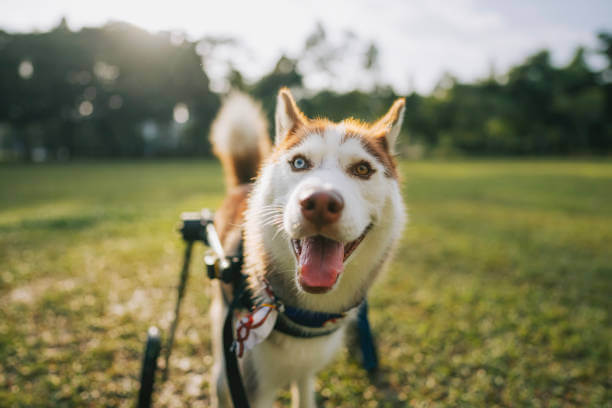
Once your dog has mastered basic puzzles, it’s time to introduce Advanced Brain Games. These challenges target higher-order functions like memory, inhibition, and Behavior Chaining, ensuring experienced dogs remain mentally sharp and emotionally balanced.
1. Multi-Step Logic Puzzles
Advanced puzzles require a specific sequence of actions to unlock a reward. This strengthens their Executive Function.
- Sequential Manipulation: Toys where the dog must pull a lever before a drawer can be opened.
- Variable Rewards: Use different types of treats in different compartments to keep the dog’s interest peaked.
| Phase | Activity Type | Goal |
|---|---|---|
| Morning | Quick Puzzle (10-15m) | Energy channeling |
| Afternoon | Scent Work/Logic (10m) | Cognitive enrichment |
| Evening | Low-Stimulation Play (5m) | Decompression & Sleep Prep |
2. Outdoor Cognitive Enrichment
Moving brain games outdoors adds the challenge of competing environmental distractions, which helps improve Inhibition Control.
- Place your dog in a “Long Stay” command.
- Hide a multi-step toy (e.g., a treat inside a ball inside a box) in a secure outdoor area.
- Release the dog with a specific search cue. This combines obedience with complex problem-solving.
📖 Mini-case: Max, a 10-year-old German Shepherd showing early signs of aging, began a structured daily brain game routine. Within 6 weeks, his owners noted improved alertness and a significant decrease in night-time pacing, proving that mental exercise is a powerful tool against cognitive decline.
The Bedtime Decompression Rule
As you transition into the evening, focus on passive enrichment. Snuffle mats or lick mats are excellent choices as the repetitive licking/sniffing action triggers the release of soothing hormones, preparing the nervous system for rest.
💡 Nighttime Warning: Avoid games that incorporate high-pitched sounds or intense chasing (like fetch) after 8:00 PM. These activities spike Adrenaline, which can lead to restless sleep or “midnight zoomies.”
Choosing the Right Enrichment: At a Glance
To help you decide which brain games fit your lifestyle and your dog’s specific needs, we’ve categorized the primary methods based on cost, engagement, and difficulty.
| Game Category | Best For… | Difficulty | Setup Time |
|---|---|---|---|
| Scent Work | Anxiety Relief | Low to High | 2 Minutes |
| DIY Puzzles | Problem Solving | Moderate | 5 Minutes |
| Tech Toys | Autonomous Play | High | Instant |
Perform this check every weekend to ensure your enrichment tools remain safe:
- Structural Integrity: Check for cracks in plastic or splinters in wooden puzzles.
- Saliva Biofilm: Scrub all crevices where drool and food particles accumulate to prevent bacterial growth.
- Ingestion Check: Are any rubber parts becoming loose or “chewed down”? Replace immediately if so.
- DIY Scan: Ensure no new tape, staples, or adhesive residues have been left on cardboard boxes.
Brain Games FAQ
How often should I use brain games?
Professionals recommend 2–3 short sessions daily. Mixing easy and advanced challenges keeps the Neuroplasticity active without causing mental burnout.
Are brain games suitable for senior dogs?
Absolutely. For seniors, mental stimulation acts as a defense against Canine Cognitive Dysfunction (CCD), keeping them engaged without the physical strain of long walks.
What if my dog loses interest quickly?
Novelty is key. Rotate toys weekly and ensure you are using High-Value rewards. Short, high-intensity engagement is always superior to long, repetitive play.
✅ Daily Brain Game Checklist
- AM (10–15 min): Quick puzzle or treat-dispensing toy to channel morning energy.
- PM (10 min): Indoor problem-solving activity (Scent work or Hide & Seek).
- EVE (5–10 min): Low-energy puzzle or snuffle mat for calm decompression.
Conclusion
Incorporating brain games into your dog’s daily routine is one of the most effective ways to boost cognitive health and prevent the behavioral issues associated with boredom. These activities tap into instinctual curiosity, keeping your pet sharp while strengthening the unique bond between owner and dog.
Consistency and variety are the cornerstones of success. By balancing DIY creativity with smart technology and observing your dog’s unique problem-solving style, you transform ordinary playtime into a powerful learning experience.
- Rotate Regularly: Change games weekly to maintain “Novelty Drive.”
- Keep it Brief: High-frequency, short sessions prevent frustration.
- End on a Win: Always finish a session with a successful find to boost confidence.
- Safety First: Re-inspect DIY and Tech toys for wear and tear after every use.
A mentally engaged dog is a happy, balanced companion. Start your first session today!
Find More Dog Care Guides
Continue exploring practical guides related to this topic.