
The Systematic Approach: A daily hygiene routine is far more than an aesthetic chore; it is the cornerstone of Preventive Veterinary Medicine. By maintaining Epithelial Integrity and managing Pathogenic Biofilms, owners can identify asymptomatic health shifts before they escalate into systemic clinical conditions.
Establishing a consistent hygiene routine is a powerful commitment to your dog’s physiological equilibrium. When executed with intention, these daily habits serve as a Non-Invasive Health Audit, ensuring comfort and Dermatological Stability. This guide redefines home-based sanitation through a practical, science-backed framework designed to integrate seamlessly into modern life while fostering Biological Resilience and emotional trust between you and your pet.
Prioritizing the Acid Mantle through pH-balanced maintenance and regular Sebum Redistribution.
Targeting Periodontal Biofilms and environmental allergens before they trigger an inflammatory response.
Behavioral Architecture: Engineering a High-Compliance Hygiene Routine
The primary barrier to a successful hygiene routine is not a lack of tools, but a failure in Behavioral Engineering. For a dog, hygiene is a tactile experience that can either trigger a stress response or promote Parasympathetic Activation. A professional-grade routine moves beyond “getting the job done” and focuses on Neuro-Associative Conditioning—the process of teaching your dog’s brain to associate hygiene with safety and biological satisfaction.
1. The Biological Significance of Daily Maintenance
Consistency is the catalyst for Physiological Adaptation. When a hygiene routine is unpredictable, it spikes Cortisol levels, leading to resistive behaviors. In contrast, daily micro-sessions maintain the dog’s Sensory Baseline, ensuring that the Integumentary System (skin and coat) remains in a state of Sebum Equilibrium.
- Micro-Allergen Clearance: Removing Environmental Pollutants before they can penetrate the Epidermal Barrier.
- Tactile Desensitization: Enhancing the dog’s tolerance for handling in high-sensitivity zones like the Interdigital (paw) spaces and Auricular (ear) folds.
- Pathogen Disruption: Breaking down Microbial Biofilms on the teeth and skin surfaces every 24 hours.
2. Stratified Expectations: Life-Stage and Morphological Adjustments
A hygiene routine must be Stratified based on the dog’s age and Morphological Architecture. A puppy’s skin is more permeable, requiring gentler chemistry, while a senior dog’s routine must accommodate potential Arthritic Inflammation or decreased mobility.
| Life Stage/Breed | Hygiene Focus | Biological Goal |
|---|---|---|
| Juvenile (Puppy) | High-frequency, low-duration tactile handling. | Neurological habituation to Grooming Hardware. |
| Long-Coated Breeds | Daily aeration and Sebum Redistribution. | Prevention of Acute Moist Dermatitis (Hot Spots). |
| Geriatric (Senior) | Supportive handling and moisture management. | Preservation of Epidermal Hydration and joint comfort. |
3. Circadian Synchronization: Optimizing the Schedule
Aligning your dog’s hygiene routine with their Circadian Rhythm maximizes cooperation. Hygiene tasks should be performed during periods of Low Physiological Arousal. For many dogs, the evening—following the metabolic expenditure of a walk or meal—is the ideal window for Tactile Relaxation exercises, such as tooth brushing or ear cleaning.
Case Insight: Overcoming “Grooming Resistance”
When routines are built on incremental handling, even the most reactive dogs can achieve Social Neutrality.
Case Insight: An adult dog with severe resistance to paw handling was transitioned to a 5-minute daily hygiene routine focused on Passive Desensitization. By simply placing the wipes near the dog during meals, and gradually moving to 1-second contacts over 14 days, the owner successfully eliminated the dog’s fear response. This proves that a hygiene routine is a powerful behavioral tool for building trust and ensuring lifelong health compliance.
Epithelial Surveillance: Integrating Body Checks into the Hygiene Routine
Within a professional hygiene routine, the act of touching is a diagnostic tool. The skin and coat serve as the body’s largest sensory organ and a primary indicator of internal Metabolic Homeostasis. By transitioning from visual inspection to Dermatological Palpation, owners can identify Asymptomatic Lesions or subtle shifts in Dermal Vascularity long before they manifest as clinical emergencies. This daily audit establishes a “biological baseline” unique to your dog, allowing for high-precision health monitoring.
1. Advanced Coat Analysis: Beyond Aesthetics
The texture and odor of the coat are direct reflections of Sebaceous Gland Activity. A coat that feels excessively “greasy” or “brittle” is often the first sign of Lipid Imbalance. During your hygiene routine, use your fingertips to assess the Follicular Anchorage—the strength at which the hair remains in the follicle. Sudden, localized thinning may indicate underlying stress or nutritional deficiencies.
- Hyperkeratosis Detection: Feeling for thickened, crusty patches on the nose or paw pads, which may signal Autoimmune Responses.
- Olfactory Mapping: Identifying “yeasty” odors in the Intertriginous Zones (skin folds), which indicate a breakdown in the Microbiome Barrier.
- Tactile Temperature Checks: Detecting localized Hyperemia (heat) in joints or muscle groups during light stroking.
2. Friction Zone Management: The Collar and Harness Audit
A critical but often overlooked segment of the hygiene routine is the inspection of “high-friction” zones. Areas under collars and harnesses are prone to Mechanical Alopecia and Contact Dermatitis. Over time, the accumulation of moisture and urban toxins in these areas can erode the Acid Mantle, creating an entry point for Staphylococcal bacteria.
| Target Zone | Pathological Risk | Routine Action |
|---|---|---|
| Axillary (Armpits) | Intertrigo (Skin fold inflammation). | Check for redness, dampness, or chafing. |
| Digit/Paw Pads | Pododermatitis and foreign body entrapment. | Inspect interdigital spaces for “foxtails” or cysts. |
| Tail Base/Perianal | Flea Allergy Dermatitis (FAD) indicators. | Search for “flea dirt” or localized skin thickening. |
3. Clinical Thresholds: When Hygiene Meets Veterinary Medicine
An effective hygiene routine creates a bridge to professional care. By understanding Clinical Thresholds, owners can differentiate between “routine dryness” and Systemic Dermatosis. If a hygiene intervention (such as a moisturizing wipe or gentle brushing) does not resolve a minor redness within 48 hours, it serves as a Red Flag for professional diagnostic intervention.
Case Insight: Detecting Early Mast Cell Tumors
Consistent physical handling often results in life-saving discoveries that would be missed during a standard grooming session.
Case Insight: An owner practicing a daily hygiene routine discovered a tiny, non-painful lump under their dog’s harness strap—an area they usually ignored. Because they knew the “baseline” feel of the skin, they immediately recognized it as a new growth. Early veterinary biopsy identified it as a low-grade Mast Cell Tumor. Rapid surgical removal was successful precisely because the Hygiene-based Audit allowed for intervention before metastasis. This proves that hygiene is, fundamentally, a form of active life-saving.
Podiatry Stewardship: Navigating Paw Integrity within the Hygiene Routine
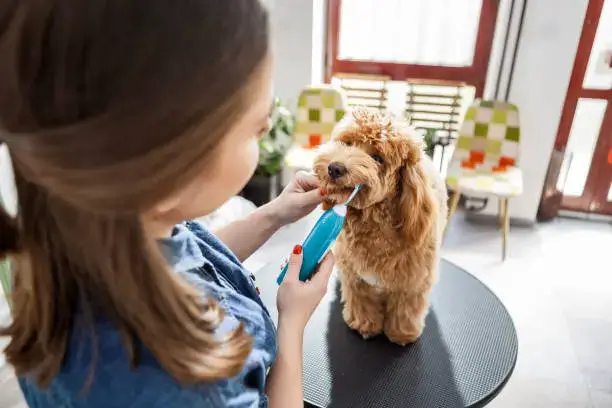
In a high-level hygiene routine, paw care is more than a sanitation task; it is an essential component of Proprioceptive Management. The paws are a dog’s primary interface with their environment, housing thousands of nerve endings that inform their balance and movement. Neglecting the interdigital spaces or allowing nail overgrowth can lead to Digital Realignment, where the dog shifts their weight unnaturally, causing compensatory strain on the carpal and hock joints.
1. Interdigital Sanitation: Neutralizing Urban Toxins
Paws are the leading entry point for Environmental Pathogens and urban toxins (such as pesticides or road salts). A daily hygiene routine focused on the interdigital spaces prevents the formation of Pathogenic Biofilms. These biofilms are the precursor to Pododermatitis—a painful inflammation that often triggers the “itch-lick” cycle, leading to secondary yeast infections.
- Moisture Control: Excess humidity between the toes is the primary driver of Malassezia (yeast) blooms. Always use a microfiber textile to ensure the Digital Sulcus (the groove between pads) is dry.
- Mechanical Debris Removal: Gently palpating the spaces between the pads to locate hidden “foxtails” or grass seeds before they penetrate the Epithelial Barrier.
- Balm Application: Using a wax-based Paw Barrier to prevent Hyperkeratosis (thickening/cracking) of the pads during extreme weather.
2. Nail Bio-Mechanics: Managing Digital Posture
Nails are an extension of the skeletal structure. When nails are allowed to exceed their Physiological Length, they push back into the nail bed, altering the Digital Angle. This chronic pressure can lead to Osteoarthritis in the phalanges. A daily hygiene routine involving observation and “micro-trimming” encourages the Vascular Quick to recede, allowing for shorter, healthier nails over time.
| Observation | Bio-Mechanical Impact | Routine Intervention |
|---|---|---|
| Audible Floor Clicking | Altered Center of Gravity. | Immediate 1-2mm tip removal or grinding. |
| Visible Nail Curvature | Strain on the Flexor Tendons. | Weekly “shaving” to stimulate quick recession. |
| Splayed Toes | Weakened Metatarsal Arch. | Consistent trimming to return foot to a compact “cat-foot” shape. |
3. The Psychology of Paw Handling: Cooperative Care
Resistance to paw touching is a natural Survival Mechanism. In your hygiene routine, you must utilize Desensitization Protocols to override this instinct. By pairing brief tactile handling with a High-Value Reinforcer, you transition the experience from a perceived threat to a routine engagement. This Cooperative Care model reduces the dog’s Adrenaline Baseline, making necessary clinical trims stress-free for both owner and pet.
Case Insight: Reversing Splayed Feet through Routine Trimming
When nail care becomes a daily habit, the physiological structure of the foot can actually improve.
Case Insight: A rescue dog with severely overgrown nails and “splayed” toes—where the feet looked flat and wide—was placed on a twice-weekly “shave-down” hygiene routine. Over three months, as the Vascular Quick receded, the nails were kept short enough to allow the toes to pull back into a healthy, compact posture. The dog’s walking stamina increased by 40%, highlighting that hygiene is a direct driver of Orthopedic Longevity.
To support a well-rounded home care approach, you can combine this daily hygiene plan with other foundational habits outlined in
Healthy Dog Habits You Can Practice at Home.
Orofocal Integrity: Advanced Oral and Facial Stewardship
Within a high-tier hygiene routine, oral and facial maintenance transcends simple aesthetics. The mouth is the primary gateway for Systemic Bacteremia—a condition where Periodontal Pathogens enter the bloodstream, potentially compromising the cardiac and renal systems. Proactive facial hygiene is equally critical, as it protects the Ocular Mucosa and prevents Dermatological Inflammatory Cascades in breeds with redundant skin folds. By establishing a daily Orofocal Audit, owners can maintain the Microbial Equilibrium necessary for systemic health.
1. Oral Microbiome Management: Beyond the Toothbrush
Effective dental care is a battle against Pathogenic Biofilms (plaque). Plaque mineralizes into Calculus (tartar) within 24 to 48 hours, making daily intervention non-negotiable. However, a successful hygiene routine utilizes Multimodal Dental Prophylaxis—combining mechanical friction with Enzymatic Plaque Disruption—to ensure the Gingival Margin remains healthy and free of inflammation.
- Enzymatic Disruption: Utilizing pet-specific toothpastes containing Glucose Oxidase to produce a natural antibacterial environment in the oral cavity.
- Mechanical Friction: Using silicone finger brushes or textured dental wipes to manually debride soft plaque before Mineralization occurs.
- Gingival Assessment: Inspecting the Capillary Refill Time and checking for Gingival Recession—early indicators of periodontal distress.
2. Facial Hygiene: Protecting the Ocular and Nasal Mucosa
Facial hygiene focuses on the regulation of moisture and the removal of Porphyrins—iron-containing molecules in tears that cause staining. If left unmanaged, chronic dampness around the eyes and muzzle can lead to Intertrigo (skin fold dermatitis). A professional hygiene routine prioritizes Isotonic Cleaning techniques that soothe the delicate Periocular skin without stripping its natural protective lipids.
| Observation Area | Clinical Indicator | Routine Action |
|---|---|---|
| Periocular (Eyes) | Epiphora (Excessive tearing) or sudden staining. | Wipe outward with a damp, lint-free cloth. |
| Labial Folds (Lips) | Persistent dampness or “sour” odor. | Sanitize and dry post-feeding to prevent Pyoderma. |
| Dental Arch | Halitosis or bleeding gums. | Evaluate Plaque Accumulation and implement enzymatic cleaning. |
3. Behavioral Habituation: The “Mouth-Handling” Protocol
Dogs are naturally protective of their facial region. To integrate this into a hygiene routine, you must employ Systematic Desensitization. By starting with Passive Touch—simply resting your hand on the muzzle during calm moments—you build the Neural Habituation necessary for more invasive tasks like gum inspection. This Cooperative Care approach ensures that hygiene remains a positive bonding experience rather than a traumatic event.
Case Insight: Halting Systemic Risk through Oral Routine
Consistent oral maintenance can be the single most important factor in a dog’s long-term organ health.
Case Insight: A senior dog with worsening Halitosis (bad breath) was started on a 5-minute daily hygiene routine involving Enzymatic dental wipes. Within 30 days, the owner noted a significant reduction in gum redness and an increase in the dog’s overall energy levels. This improvement suggests that by managing the Oral Bio-burden, the dog’s immune system was no longer taxed by persistent low-grade oral inflammation. Hygiene, in this case, was the key to Metabolic Vitality.
Olfactory Integrity: Managing Odor through Strategic Hygiene

Within a professional hygiene routine, odor management is not achieved through artificial fragrances, but through the regulation of Biological Volatile Organic Compounds (VOCs). Canine odor is the byproduct of Lipid Oxidation and the metabolic activity of the Skin Microbiome. When natural oils (sebum) are allowed to accumulate or become trapped by necrotic hair, they undergo Oxidative Rancidity, creating the characteristic “dog smell.” Effective odor management focuses on Dermal Aeration and maintaining a balanced microbial baseline.
1. The Biological Genesis of Odor: Sebum and Microbes
The Sebaceous Glands produce oils that are vital for Epithelial Waterproofing. However, a common error in any hygiene routine is over-washing, which triggers Sebaceous Gland Hyperplasia—a reactionary overproduction of oils. This excess sebum acts as a primary substrate for bacteria and yeast, leading to Microbial Overgrowth. Strategic hygiene involves redistributing these oils through daily brushing rather than stripping them through chemical immersion.
- Mechanical Sebum Redistribution: Utilizing a natural bristle brush to move oils from the skin surface down the hair shaft, preventing localized Lipid Accumulation.
- Undercoat Aeration: Removing trapped “dead” fur that inhibits Trans-epidermal Airflow, which is critical for preventing moisture-driven microbial blooms.
- Enzymatic Breakdown: Using waterless foam cleansers to break down surface proteins and organic matter without disrupting the Acid Mantle.
2. Environmental Vectors: Bedding and Textile Sanitation
A dog’s hygiene routine is inextricably linked to their environment. Soft textiles like bedding and plush toys act as Odor Reservoirs, trapping dander and bacteria. When a dog rests on unsanitized bedding, the Microbial Transfer reinoculates the skin, neutralizing the effects of recent grooming. Maintaining a “Clean-Zone” environment is essential for sustaining the benefits of your daily hygiene tasks.
| Environmental Factor | Odor Contribution | Sanitation Action |
|---|---|---|
| Primary Bedding | Traps Lipid Residue and skin cells. | Weekly high-heat wash and daily UV sun-airing. |
| Plush Enrichment (Toys) | Accumulates Salivary Enzymes and bacteria. | Bi-weekly machine wash or replacement. |
| Indoor Air Quality | Stagnant humidity promotes yeast growth. | Maintain Relative Humidity below 50% in dog areas. |
3. The “Rebound Effect”: Why Frequent Bathing Fails
The “Rebound Effect” occurs when aggressive bathing strips the Hydrolipidic Film. In response, the body enters a state of Metabolic Emergency, flooding the skin with new sebum to restore protection. This fresh oil is highly susceptible to rapid Oxidation, often resulting in a stronger odor within 48 hours of bathing. A successful hygiene routine relies on Strategic Maintenance—using wipes and brushes to manage the “Environmental Load” while preserving the skin’s natural chemistry.
Case Insight: Solving Persistent “Corn-Chip” Odor
Persistent odors are often localized and require targeted hygiene rather than systemic washing.
Case Insight: A dog with a persistent “corn-chip” smell on its paws (often caused by Proteus or Pseudomonas bacteria) was transitioned to a hygiene routine focused on strict interdigital drying post-walk. By eliminating the moist micro-climate between the toes and sanitizing the dog’s favorite rug, the odor vanished without a single full bath. This confirms that Odor Management is a matter of Ecological Control within the home environment.
Adaptive Hygiene: Calibrating Routines to Lifestyle and Exposure
A professional hygiene routine is never static; it is a dynamic framework that must be calibrated to the dog’s Environmental Load. Whether a dog resides in a high-rise urban apartment or a rural outdoor setting, their Epithelial Defense faces different stressors. By implementing Adaptive Barrier Support, owners can prevent “over-hygiene”—which leads to Dermatological Thinning—and “under-hygiene,” which allows for the accumulation of Pathogenic Spores and urban toxins.
1. The Urban Indoor Protocol: Managing Micro-Allergen Exposure
Dogs that live primarily indoors are less exposed to mud and debris but are highly susceptible to Ambient Allergens such as dust mites, dander, and household chemicals. In these environments, the hygiene routine shifts its focus toward Respiratory and Surface Decontamination. Maintaining a clean “Biological Baseline” indoors is just as vital as the grooming process itself.
- Surface Neutralization: Wiping paws after balcony or hallway outings to prevent the tracking of Cleaning Agent Residues onto their bedding.
- Coat Aeration: Utilizing a soft-bristle brush to remove household dust that settle in the undercoat, which can act as a Dermatological Irritant over time.
- Hydro-Airing: Ensuring the dog’s resting zones have high Air-Exchange Rates to prevent the buildup of stagnant humidity and skin-borne odors.
2. The High-Activity Outdoor Protocol: Debris and Pathogen Management
Active dogs that frequent trails, parks, or natural terrains require an Aggressive Decontamination routine. These environments introduce Organic Bio-Burden—bacteria, fungi, and parasites—that can quickly penetrate the Epithelial Barrier. The priority here is Mechanical Debridement immediately following activity to prevent these contaminants from drying and bonding to the skin.
| Lifestyle Type | Primary Stressor | Routine Adaptation |
|---|---|---|
| Urban / Apartment | Dust, chemicals, Ambient Allergens. | Focus on daily surface wiping and air quality control. |
| Active / Trail Runner | Organic Bio-Burden, mud, moisture. | Post-walk “Quick-Wash” and deep interdigital drying. |
| Senior / Sedentary | Decreased mobility, Skin Fragility. | Gentle massage, supportive handling, and moisture checks. |
3. The Concept of “Bio-Safety” in Hygiene Transitions
A successful hygiene routine also acts as a Bio-Safety barrier for the human household. By neutralizing Pathogenic Spores on the dog’s coat before they are transferred to furniture or carpets, owners reduce the household Allergen Baseline. This is particularly critical in multi-pet households or homes with infants, where Microbial Cross-Contamination must be strictly managed through consistent hygiene protocols.
Case Insight: Resolving Chronic Allergies through Adaptive Hygiene
Adapting hygiene to seasonal changes is often more effective than pharmaceutical intervention for mild allergies.
Case Insight: A dog with chronic seasonal itching (Atopy) was transitioned to an Adaptive Hygiene Protocol. During peak pollen months, their hygiene routine was increased to include twice-daily Isotonic Wipes for the paws and belly, along with weekly bedding sterilization. By physically removing the pollen before it could trigger an Inflammatory Cascade, the dog’s symptoms were reduced by 70% without the need for steroid treatments. This highlights the power of hygiene as Non-Invasive Medicine.
Seasonal Bio-Dynamics: Calibrating the Hygiene Routine to Environmental Flux
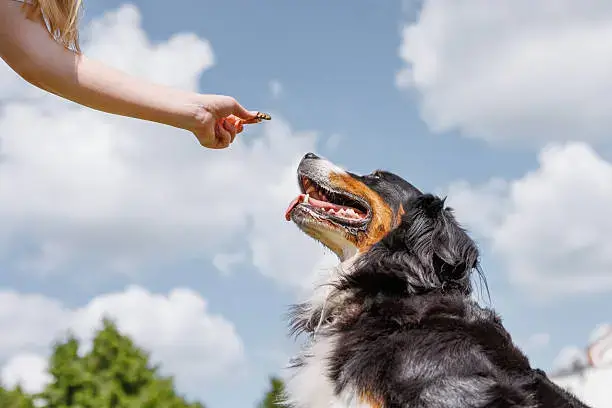
A master-level hygiene routine is a living protocol that must respond to the Bio-Dynamic shifts of the seasons. Environmental factors such as ambient temperature, Relative Humidity, and UV radiation levels directly impact the dog’s Epithelial Defense. Seasonal care is not about creating a new system; it is about Biological Calibration—fine-tuning your daily habits to mitigate the specific stressors introduced by the shifting climate, ensuring that the Skin-Coat Homeostasis remains uninterrupted year-round.
1. Warm-Season Protocols: Managing Microbial Proliferation
In high-temperature and high-humidity conditions, the primary challenge to a hygiene routine is Hygroscopic Imbalance. Excessive moisture trapped within the undercoat or Intertriginous Zones (skin folds) creates a petri-dish effect for Pathogenic Proliferation. While dogs do not possess eccrine sweat glands across their bodies, they do lose moisture through Transepidermal Evaporation and paw pads, which can lead to localized “hot spots” if not managed.
- Moisture Neutralization: Removing collars and harnesses post-activity to prevent Mechanical Friction on damp skin, which erodes the Acid Mantle.
- Podiatry Surveillance: Inspecting pads for Thermal Micro-trauma caused by hot asphalt or sand, which can compromise Interdigital Integrity.
- Post-Walk Cooling: Utilizing Isotonic Wipes to lower surface temperature and remove salt/debris before they dry and cause irritation.
2. Cold-Season Protocols: Mitigating Ceramide Depletion
Cold weather introduces the risk of Xerosis (abnormal dryness) due to low indoor humidity and cold outdoor winds. These conditions cause Ceramide Depletion in the Stratum Corneum, making the skin brittle and prone to micro-fissures. During the winter, a hygiene routine must pivot from “cleaning” to Barrier Preservation.
| Seasonal Driver | Dermatological Impact | Routine Calibration |
|---|---|---|
| High Humidity (Summer) | Bacterial/Yeast Bloom; Pyoderma risk. | Daily aeration of skin folds and deep-drying of paws. |
| Arid Cold (Winter) | Epidermal cracking; Transepidermal Water Loss. | Reduced bathing frequency; use of lipid-replenishing balms. |
| Spring/Autumn | Allergen Baseline spike; shedding cycles. | Increased brushing to facilitate Follicular Aeration. |
3. The Concept of “Thermal Posture” in Winter Care
Winter hygiene also involves managing the impact of de-icing chemicals and ice accumulation in the Paw Webbing. These elements cause Vascular Constriction and localized pain, which can alter a dog’s “Thermal Posture.” A daily hygiene routine must include the gentle removal of ice-balls and the application of a Protective Wax Barrier to prevent chemical burns from street salts.
Case Insight: Preventing Summer Pyoderma through Aeration
Localized hygiene interventions are more effective than systemic medications for managing seasonal skin flares.
Case Insight: A Golden Retriever with a history of summer Hot Spots (Acute Moist Dermatitis) was placed on a daily hygiene routine involving post-swim blow-drying and the removal of its collar while indoors. By eliminating the “damp micro-climate” against the skin, the dog experienced its first summer in five years without a bacterial Pyoderma flare-up. This confirms that Seasonal Hygiene is the ultimate form of Clinical Prevention.
The Master Protocol: Integrating Your Daily Hygiene Routine
A successful hygiene routine is a synthesis of clinical observation and behavioral consistency. By organizing your daily tasks into morning and evening “Check-points,” you eliminate Decision Fatigue and ensure that the dog’s Biological Baseline is maintained without stress. Use this stratified checklist to audit your dog’s daily health status.
- Epithelial Scan: Quick tactile check for new lumps or heat.
- Ocular Integrity: Wipe morning discharge from the periocular area.
- Podiatry Check: Inspect pads for dryness before outdoor activity.
- Behavioral Baseline: Note any stiffness or reluctance to move.
- Digital Sanitation: Deep-dry interdigital spaces post-walk.
- Oral Audit: Enzymatic brush or wipe to disrupt Dental Biofilms.
- Coat Aeration: 2-minute brush to redistribute Sebum.
- Calm Handling: Low-arousal massage to trigger Parasympathetic Rest.
Expert “How-To” Solutions: Hygiene Routine FAQ
❓ How long should the hygiene routine take?
A professional-grade hygiene routine requires only 5–10 minutes. The key is Micro-Grooming—breaking tasks into small, high-frequency actions that prevent Sensory Overload for the dog.
❓ What if my dog resists being handled?
Implement Cooperative Care. Start with Passive Desensitization by pairing brief touches with high-value rewards. Never force a task, as this spikes Cortisol and builds long-term resistance.
❓ Why is my dog still smelly after a bath?
This is often the Rebound Effect. Over-washing strips the Lipid Barrier, causing glands to overproduce oil. Shift your routine toward daily brushing to aerate the skin and redistribute oils naturally.
❓ How often should I adjust the routine?
Perform a Seasonal Calibration. Increase moisture management in summer to prevent Pyoderma, and increase Barrier Support (balms) in winter to prevent Xerosis and cracking.
❓ Can a routine replace professional grooming?
No. A hygiene routine is for maintenance and Preventive Stewardship. It makes professional sessions safer and easier, but structural tasks (full clips/sanitary trims) still require professional hardware.
❓ What is the most important part of the routine?
Consistency. A 5-minute daily audit is biologically superior to a 2-hour monthly session. Frequent, low-stress handling builds Neural Habituation and trust.
Conclusion: Hygiene as a Diagnostic Habit
Mastering a daily hygiene routine is the ultimate form of Preventive Stewardship. By integrating these simple habits into your dog’s Circadian Life, you preserve the Epithelial Defense and ensure Systemic Equilibrium. Hygiene is not a series of chores; it is a diagnostic language through which you monitor your dog’s vitality.
When you prioritize Cooperative Care and seasonal adaptation, you create a stress-free environment where health becomes a habit. Remember, the strongest bond is built through the quiet, intentional touches of a daily routine—keeping your dog clean, comfortable, and thriving for years to come.
The PetCareCompass Hygiene Oath
“Consistency is the highest form of compassion. A dog that is clean on the outside is protected on the inside. Let your hands be their first line of clinical defense.”
Find More Dog Care Guides
Continue exploring practical guides related to this topic.